

Boxknow
Case Factory Tour Checklist: Equipment, Process, Samples
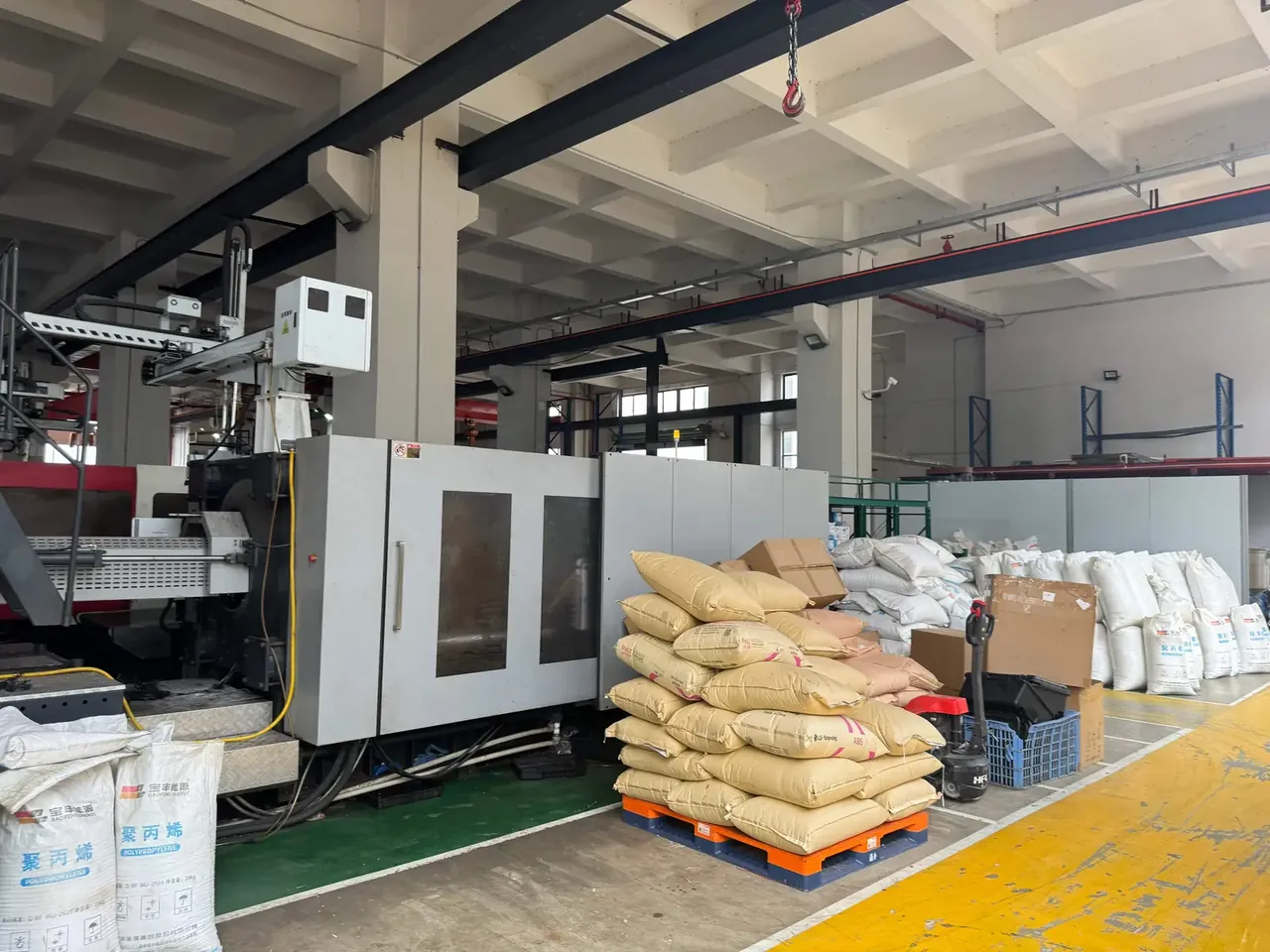
A Case Factory Tour needs one three-column sheet: equipment (tonnage, molds, instruments), process (five checkpoints with measured values) and samples (photos, retained parts, reference pieces).…
Read Article →
Case Factory Tour: 12 Questions on Capacity, Molds, Inspection
A Case Factory Tour needs twelve questions in three groups, four each on capacity, molds and inspection. Rehearse the strong and the weak answer first: minutes…
Read Article →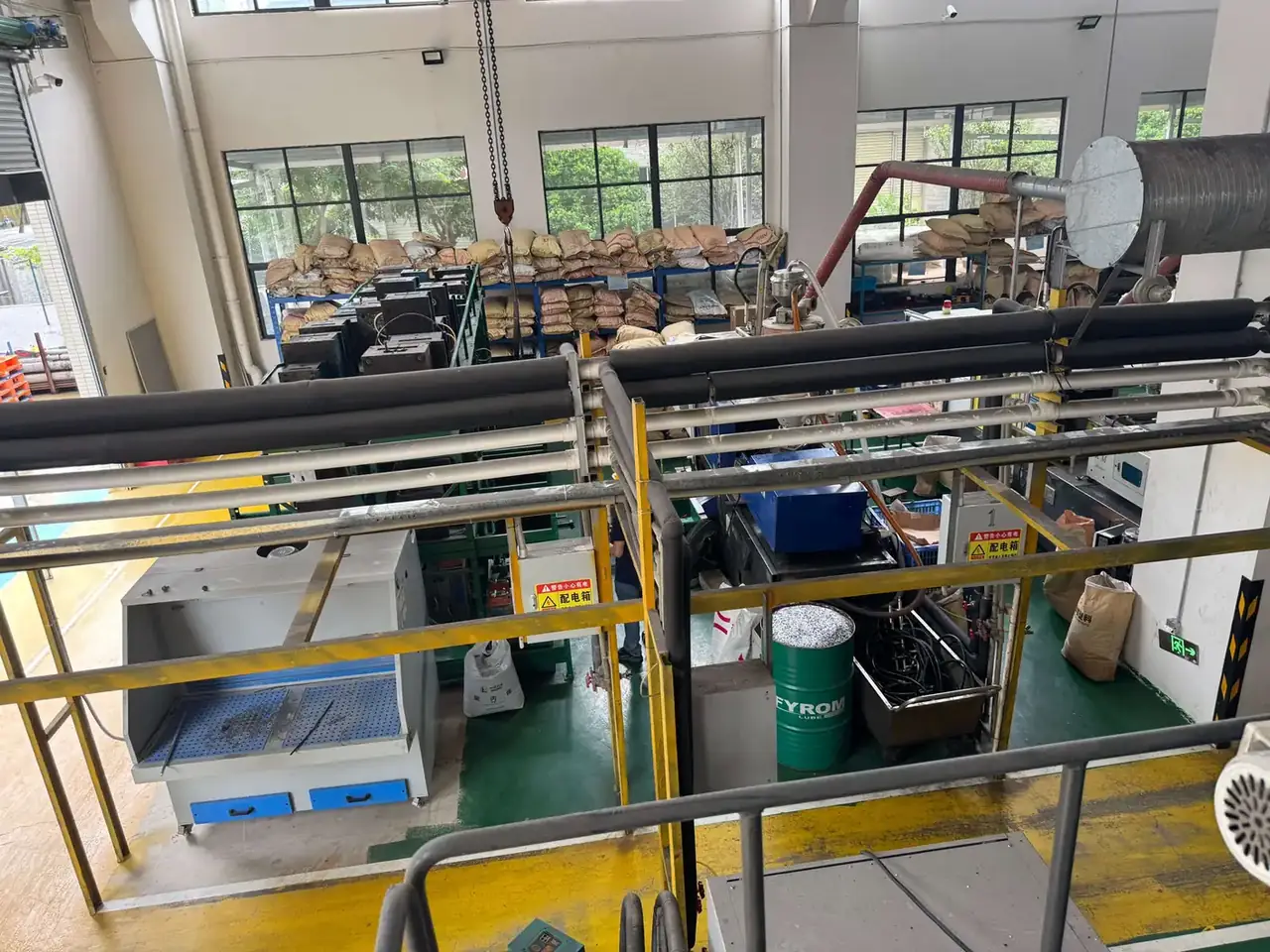
Case Injection Molding Machine Tonnage: Clamp, Cavities, Screw
Size a Case Injection Molding Machine from three sums, not from part weight. A 600 by 400 mm body projects 2,400 square centimetres; at 350 kg per square centimetre that needs 840 tonnes…
Read Article →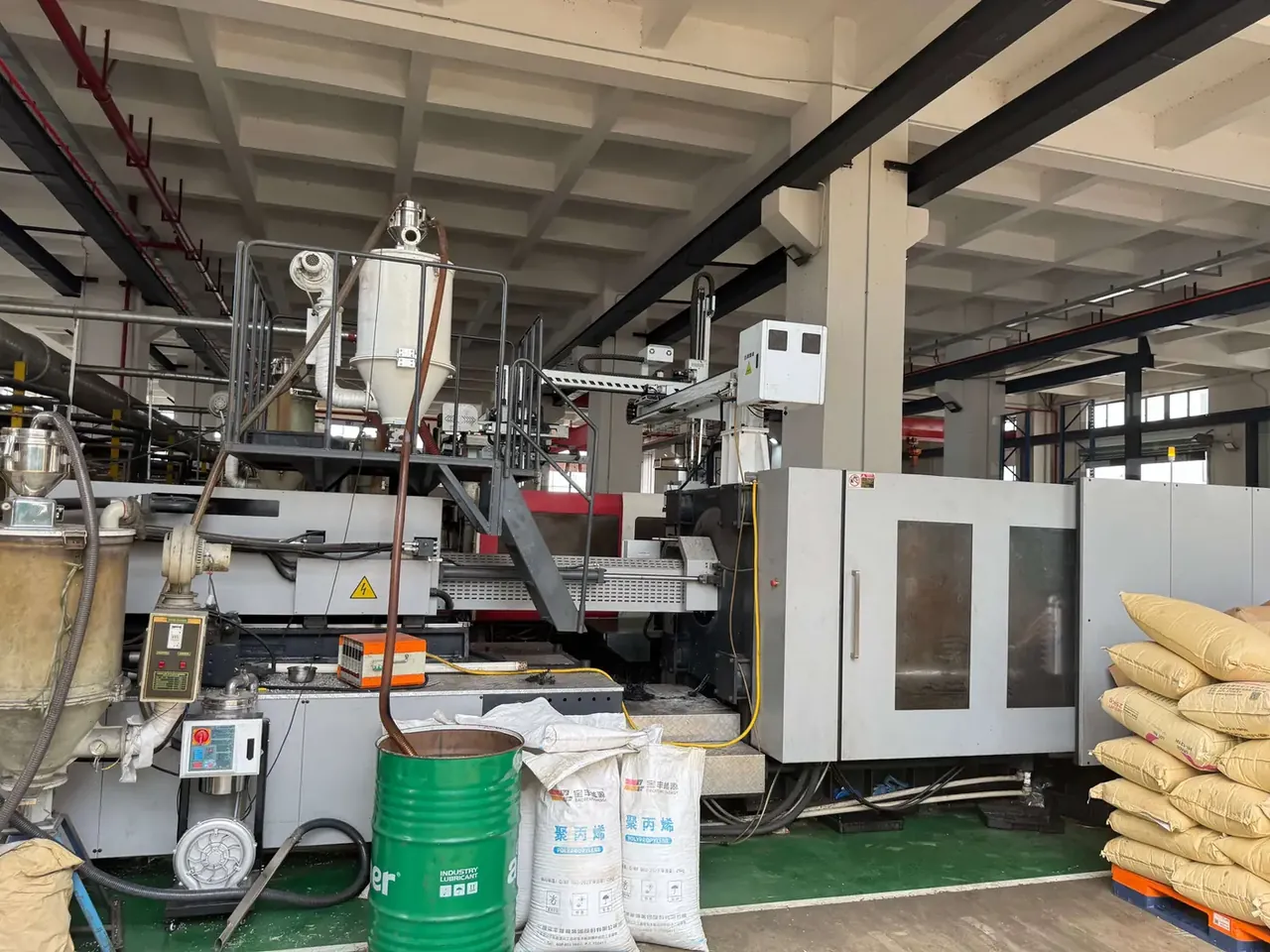
Case Injection Molding Machine Maintenance: Lube, Water, Heat
Service a Case Injection Molding Machine by running hours, not by calendar. A ten-minute daily check covers oil level…
Read Article →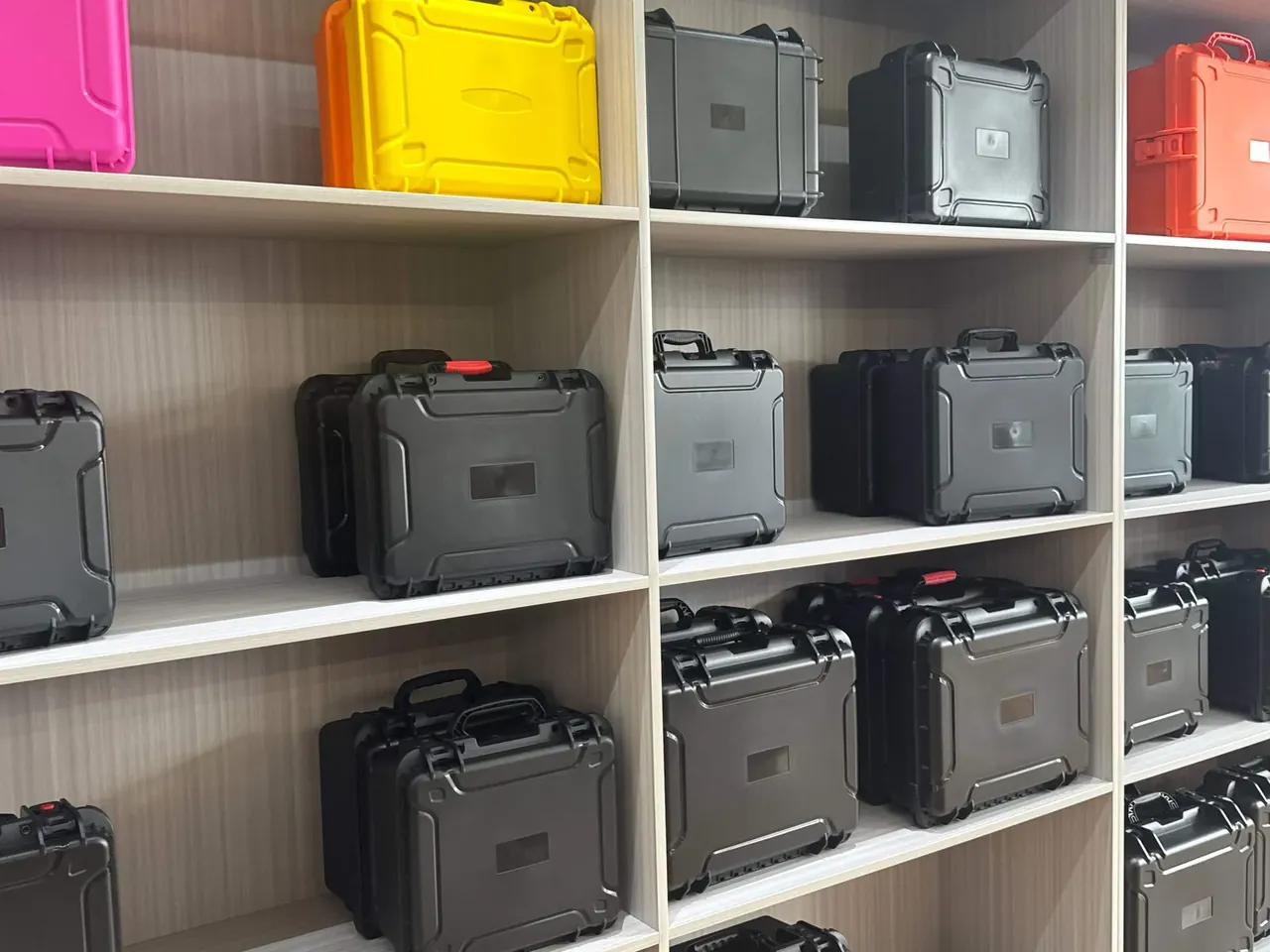
Hand Carry Hard Case: How Handle, Hinge and Latch Share the Load
Force enters a Hand Carry Hard Case at three points: the handle root, the hinge pin and the latch hook. At 20 kg loaded the root peaks near 44 kg while walking, hinge bending tops out at 105 degrees…
Read Article →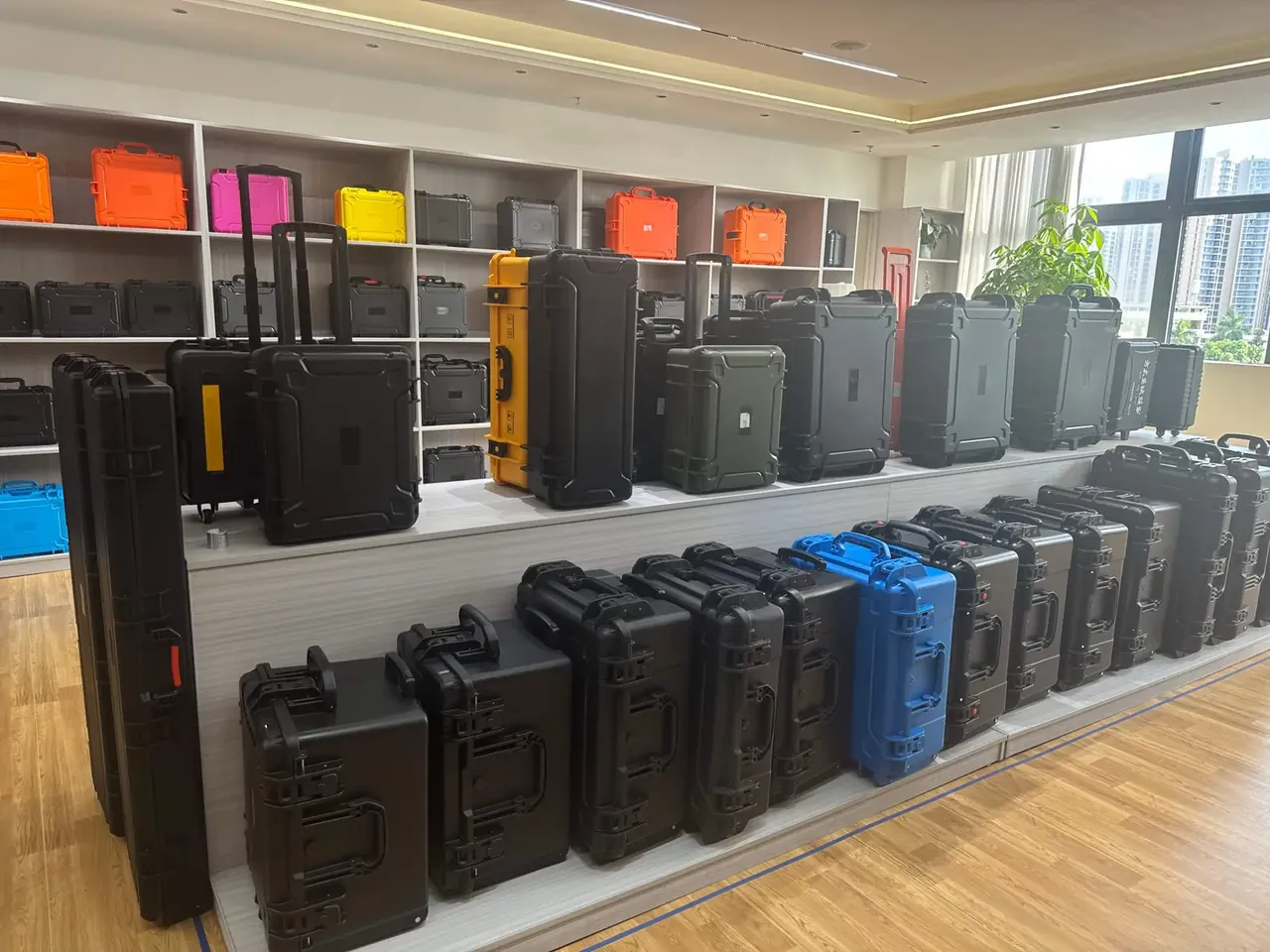
Hand Carry Hard Case: The Limits of a Short Field Trip
A Hand Carry Hard Case suits trips under 300 m, under 45 minutes door to door, 12 kg inside, one mode of transport. Break two of those four and a strap or two smaller cases serve better.
Read Article →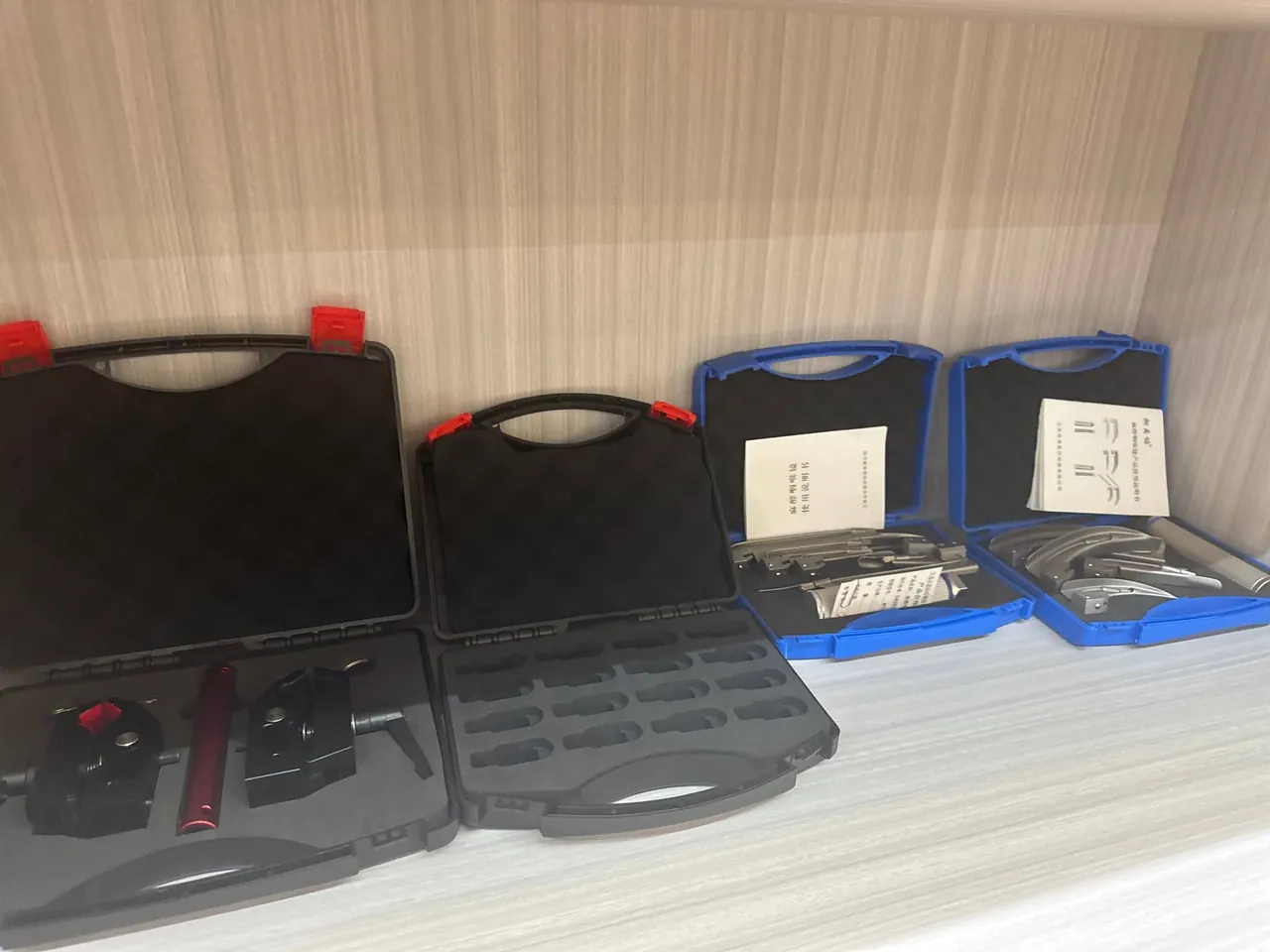
Hardware Tool Box Selection: Capacity, Compartments, Load
A hardware tool box is sized by three figures that never convert into one another: rated litres times 0.7 for usable volume, the longest tool for compartment count, and the load case for base…
Read Article →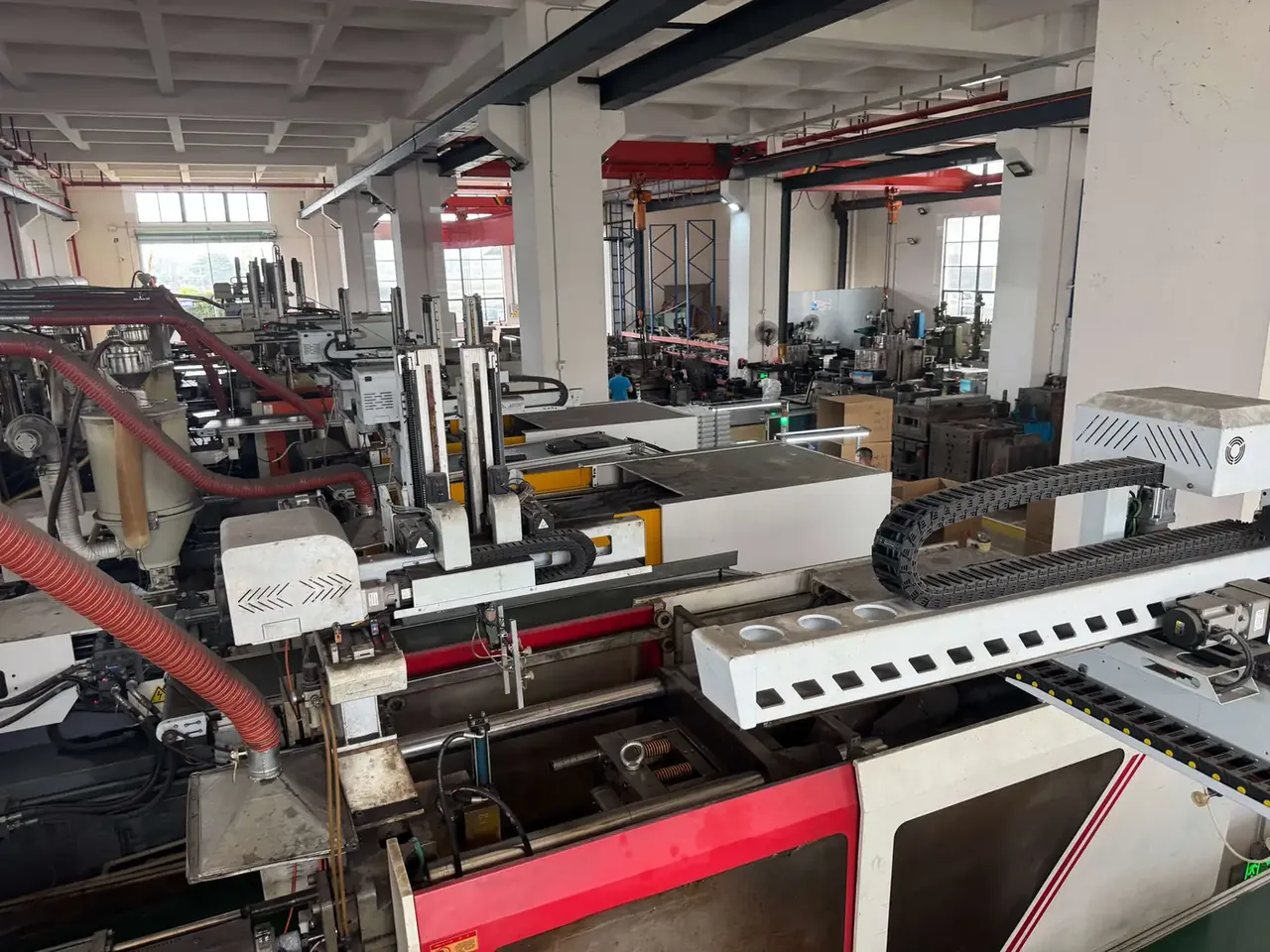
Hardware Tool Box in the Workshop: Station Kits and Handover
On a workshop floor a hardware tool box is a fixed asset tied to a station, not a box anyone grabs. Assign by machine, code every slot…
Read Article →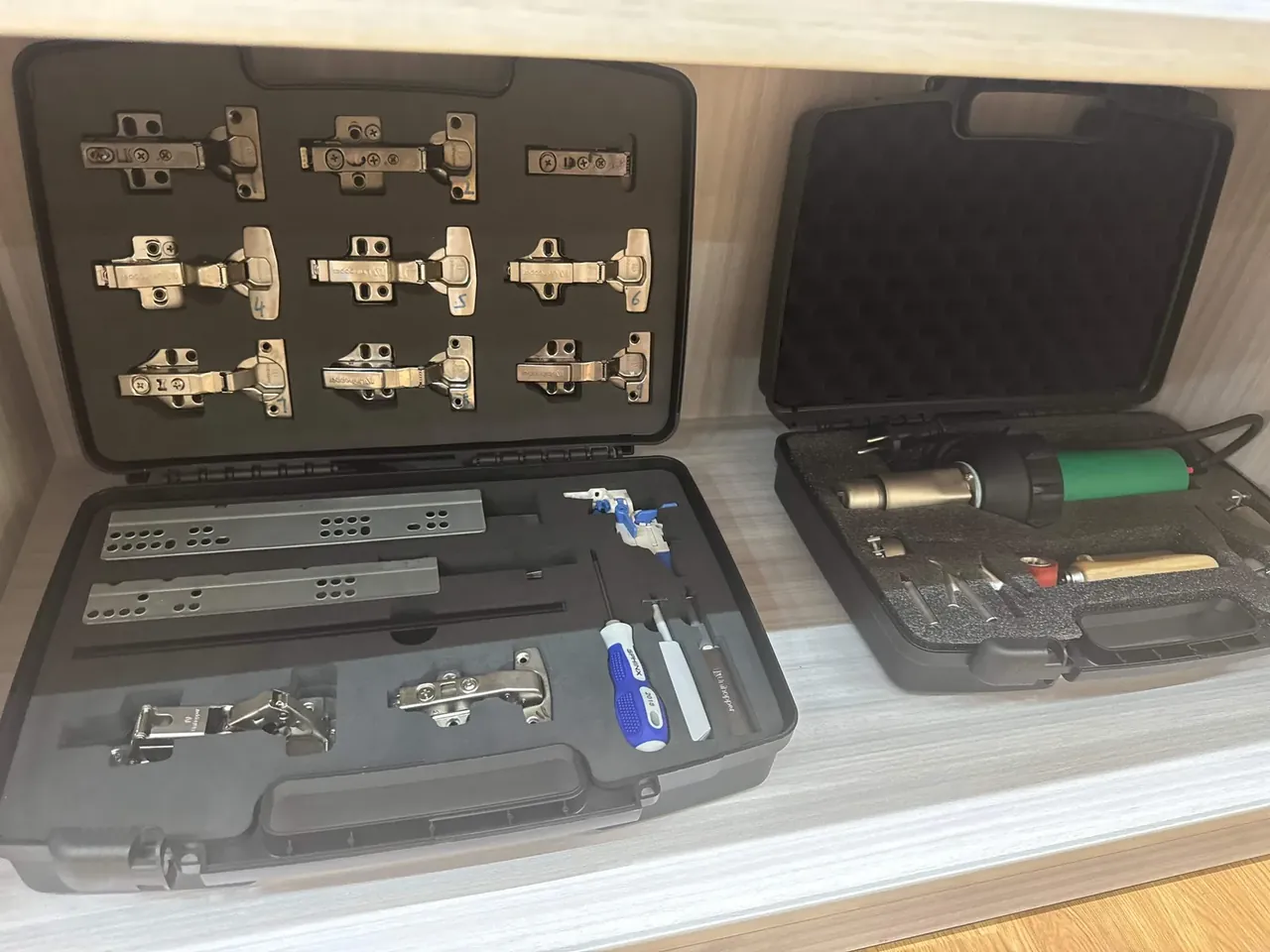
Equipment Protection Case: Impact, Dust and Moisture
An equipment protection case works on three routes rather than three materials. Impact arrives through solids and is limited by usable travel; dust arrives on air and is limited by gasket squeeze and…
Read Article →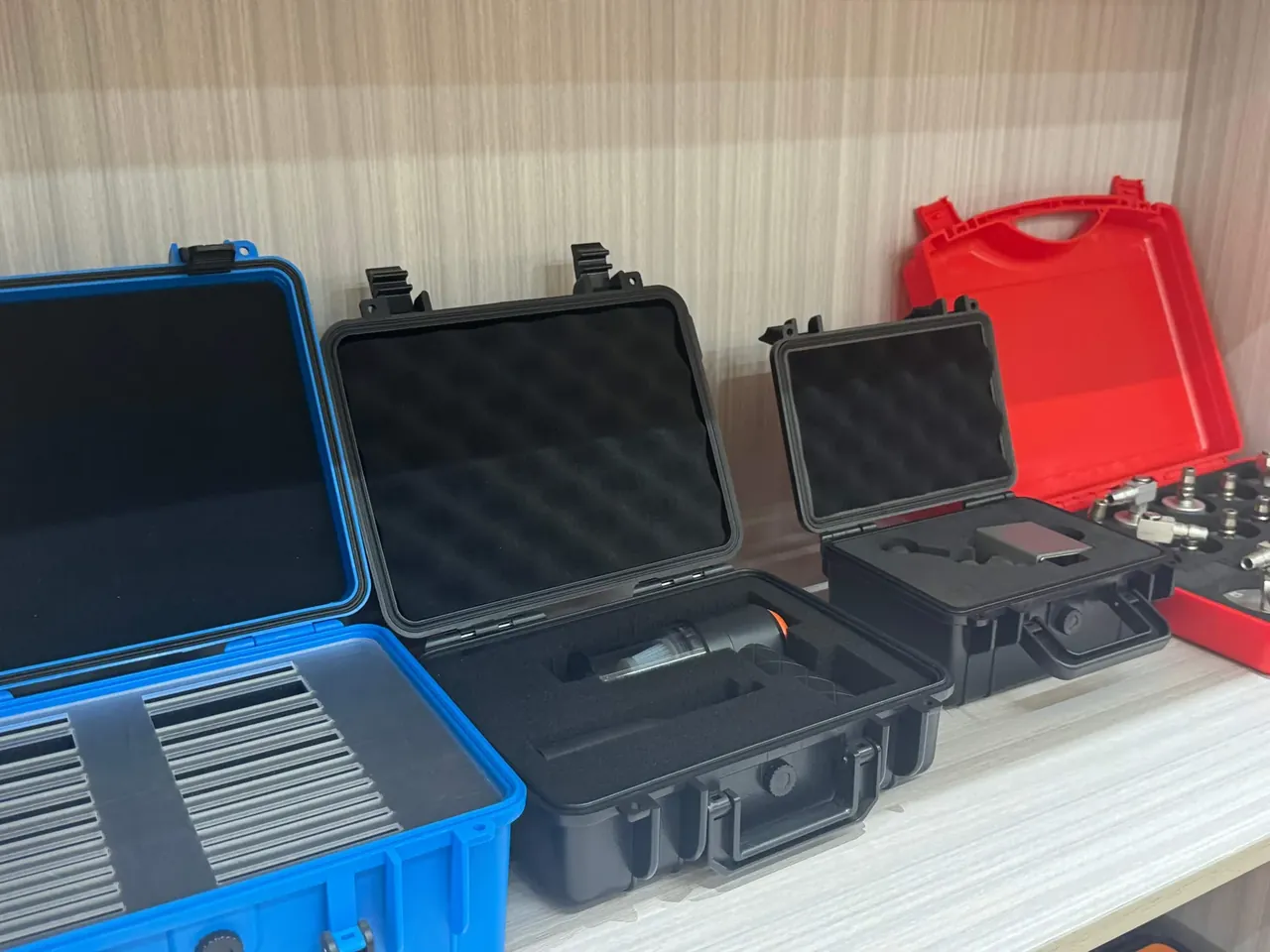
Equipment Protection Case: Sizing Cavity and Shock Margin
Choosing an equipment protection case takes two sums. Build the internal cavity from the device envelope plus foam, cabling and access allowances, then set corner and base margin from the weight.…
Read Article →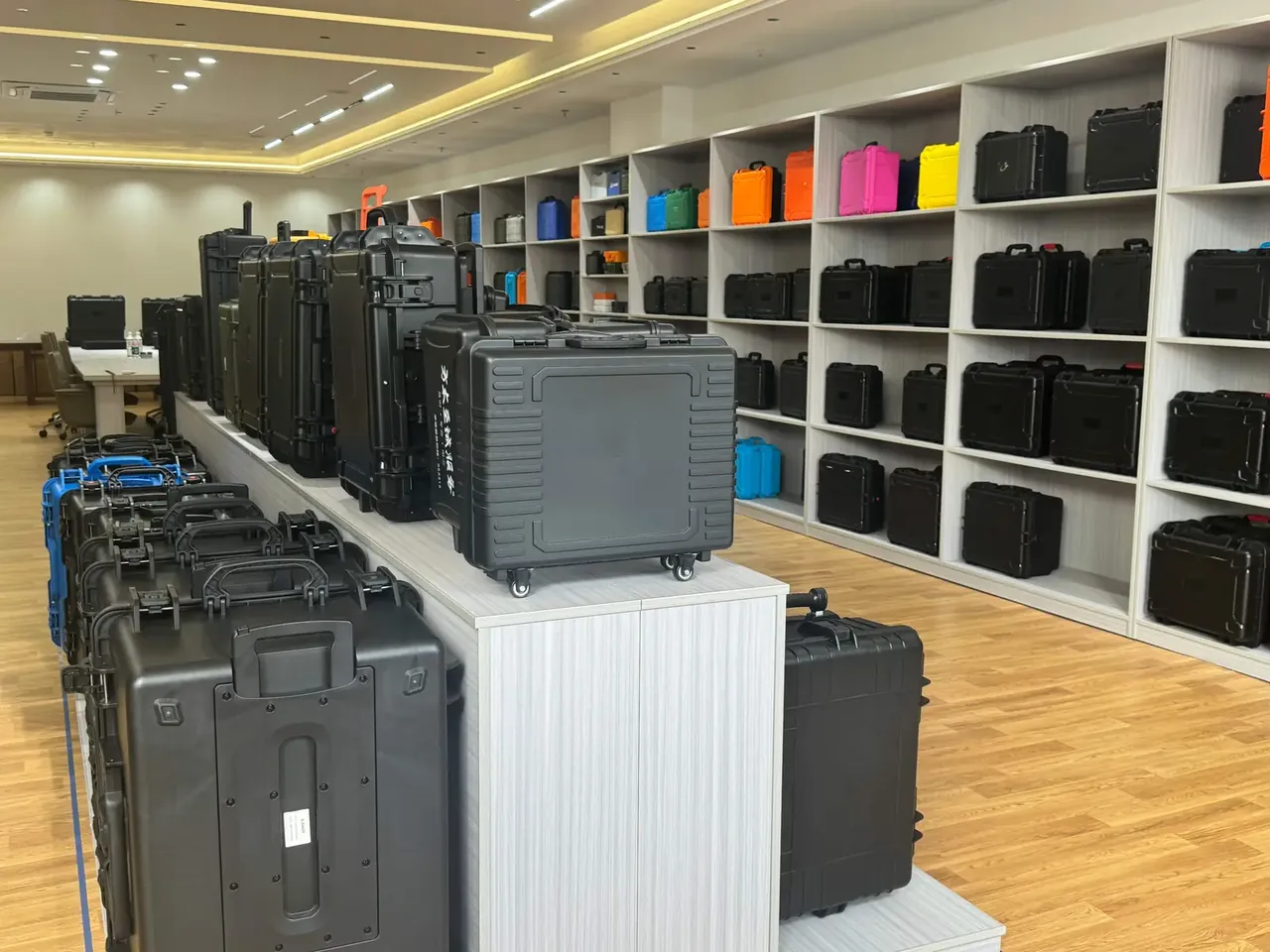
Military Supply Case: Material, Colour and Marking Layers
A Military Supply Case drawing is built from three drafting layers. Material fixes resin grade, density and nominal wall; colour fixes reference number…
Read Article →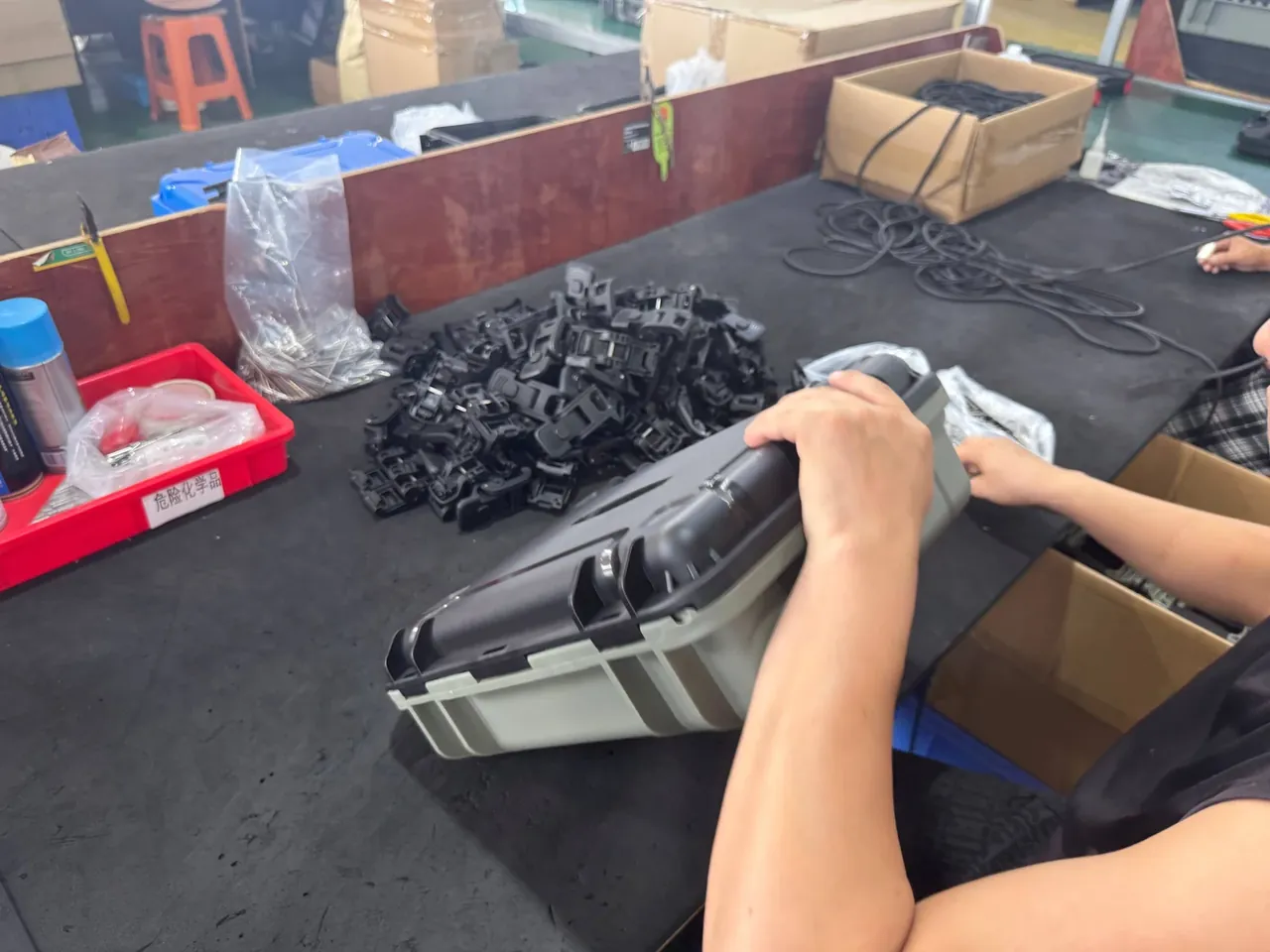
Military Supply Case Inspection: Appearance, Seal and Drop Tests
A Military Supply Case is accepted on three tests. Appearance covers sink marks, flash, colour and wall, read with a depth gauge and an ultrasonic meter.…
Read Article →