

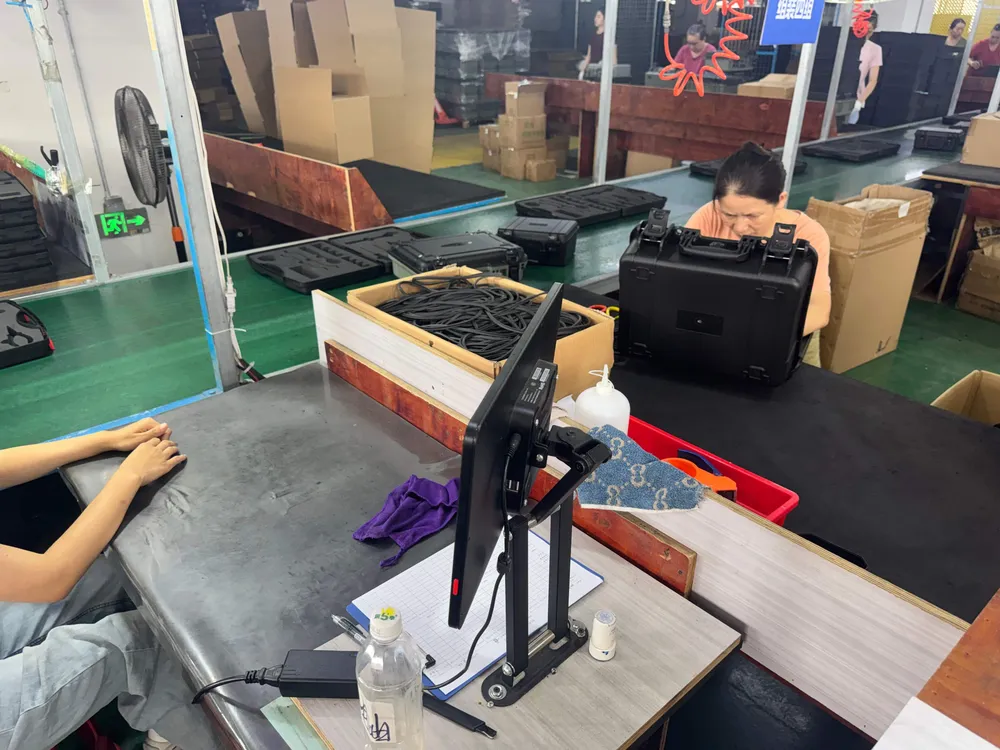
Two cases can sit side by side with a large price gap and be almost impossible to tell apart by looking. The difference shows up later, in how many trips each one survives and what it costs when one fails. Total cost of ownership is the method for making that visible before you buy.
What Belongs in the Calculation
| Cost element | Often overlooked? | Why it matters |
|---|---|---|
| Purchase price | No — always counted | The visible part, and usually not the largest |
| Freight and duty | Frequently | Weight and volume drive cost; a lighter case can win here |
| Expected service life | Frequently | A case lasting twice as long halves its annual cost |
| Replacement and repair | Often | Failed latches, seals and wheels have their own cost |
| Downtime and rework | Often | A failed case delays the job that needed the contents |
| Payload risk | Usually | Damage to the contents can dwarf the case price many times over |
| Storage and handling | Sometimes | Stackability and nesting change the space required |
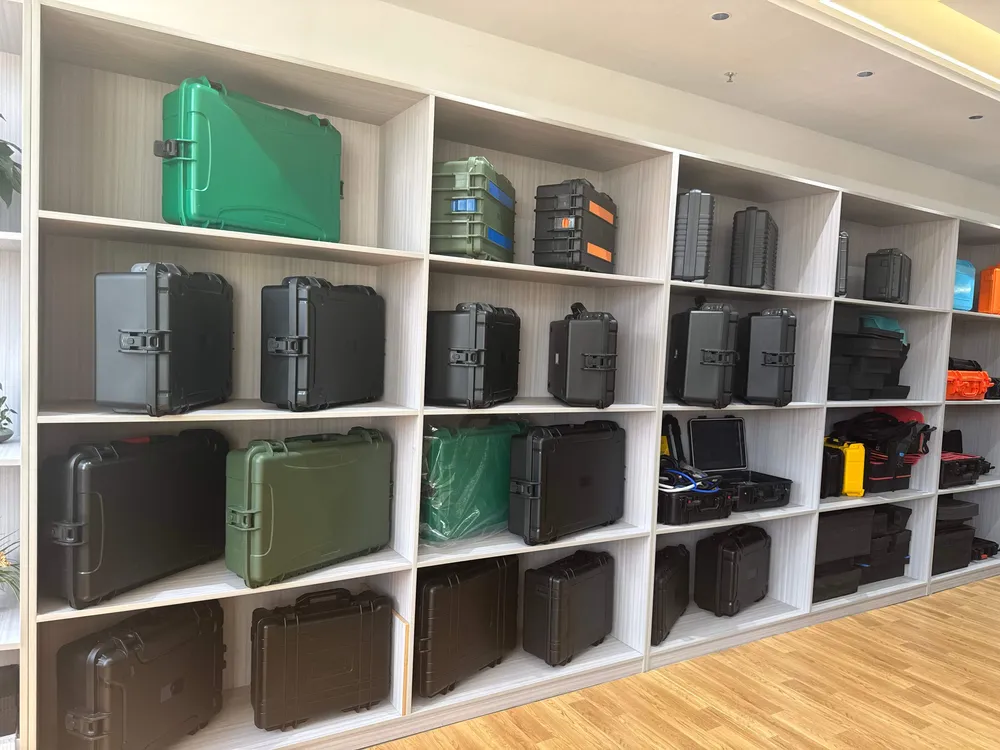
The Cost-Per-Trip Method
Reduce the comparison to one number: divide the full delivered cost by the number of trips or years the case is expected to deliver.
- Case A — lower purchase price, shorter service life, higher failure rate.
- Case B — higher purchase price, longer service life, lower failure rate.
Once freight, replacement and downtime are included, the case with the higher sticker price very often produces the lower cost per trip. This is not an argument for always buying the most expensive option — it is an argument for measuring the option you are actually choosing.
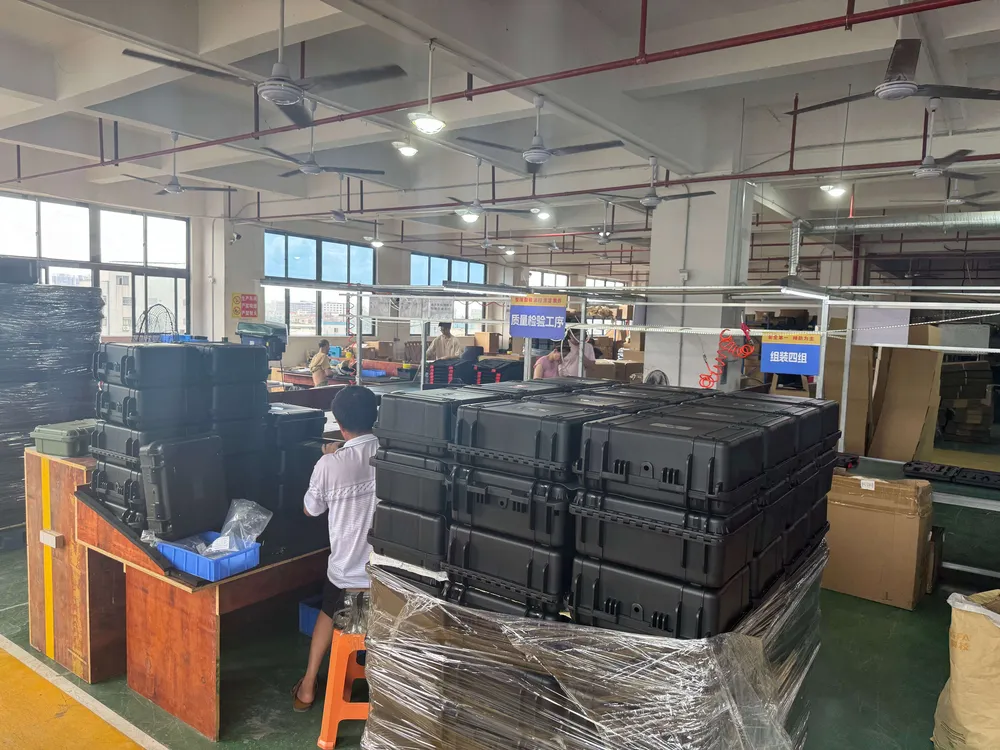
Where the Cheapest Option Really Costs More
- Payload value is high. If the contents cost a hundred times the case, the case's job is risk reduction, and its price is nearly irrelevant.
- Failure happens remotely. A case that fails on a distant site costs travel, not just a case.
- Downtime is expensive. Where a delayed job has a real cost, reliability dominates.
- The fleet is large. Small per-unit differences multiply across hundreds of cases.
Where the Cheaper Case Is Genuinely Right
Low-cost cases are entirely appropriate when contents are inexpensive and robust, when the case is used occasionally rather than daily, when failure has no operational consequence, and when the deployment is short-term. Spending on durability that will never be exercised is simply waste.
Repairability also belongs in the calculation — see our article on case repair and spare parts for what can be replaced economically.