

Application Scenarios: Where These Cases Work
The same case that survives three years in an inspection lab can be full of grit two weeks into a mine site. The case did not change. The factors around it did. Strip six industries down and only five quantities really shape the hardware: temperature, humidity, particle size, vibration level and how often the thing gets carried — plus a working rhythm, meaning how long a shift runs and how many items ride inside. Measure where you sit first; arguments about wall thickness and foam come a long way after that.
01Six Factors, Ranked Before Anything Is Bought
The six are imaging, inspection, industrial, field, medical and emergency response. Across them, temperature runs from −20℃ to 55℃, humidity 30% to 90% RH, particle size 5 μm to 200 μm, vibration 0.5 g to 3 g, handling 2 to 20 trips per shift, a single job 1 h to 8 h, and 3 to 40 items per case. These are ranges, not guarantees — within one category the two ends can differ by a factor of two.
Ranking matters because the factors talk to each other. A dusty site is usually a busy site, so the lid opens more often and intake scales with openings rather than with dust alone. A humid site tends to be thermally mild, which is kind to the gasket but invites condensation. Each category below gets one factor to fix first, with the rest sitting second and third. None of them gets a scorecard demanding everything at once.
02Imaging Fears Vibration, Inspection Fears Dust
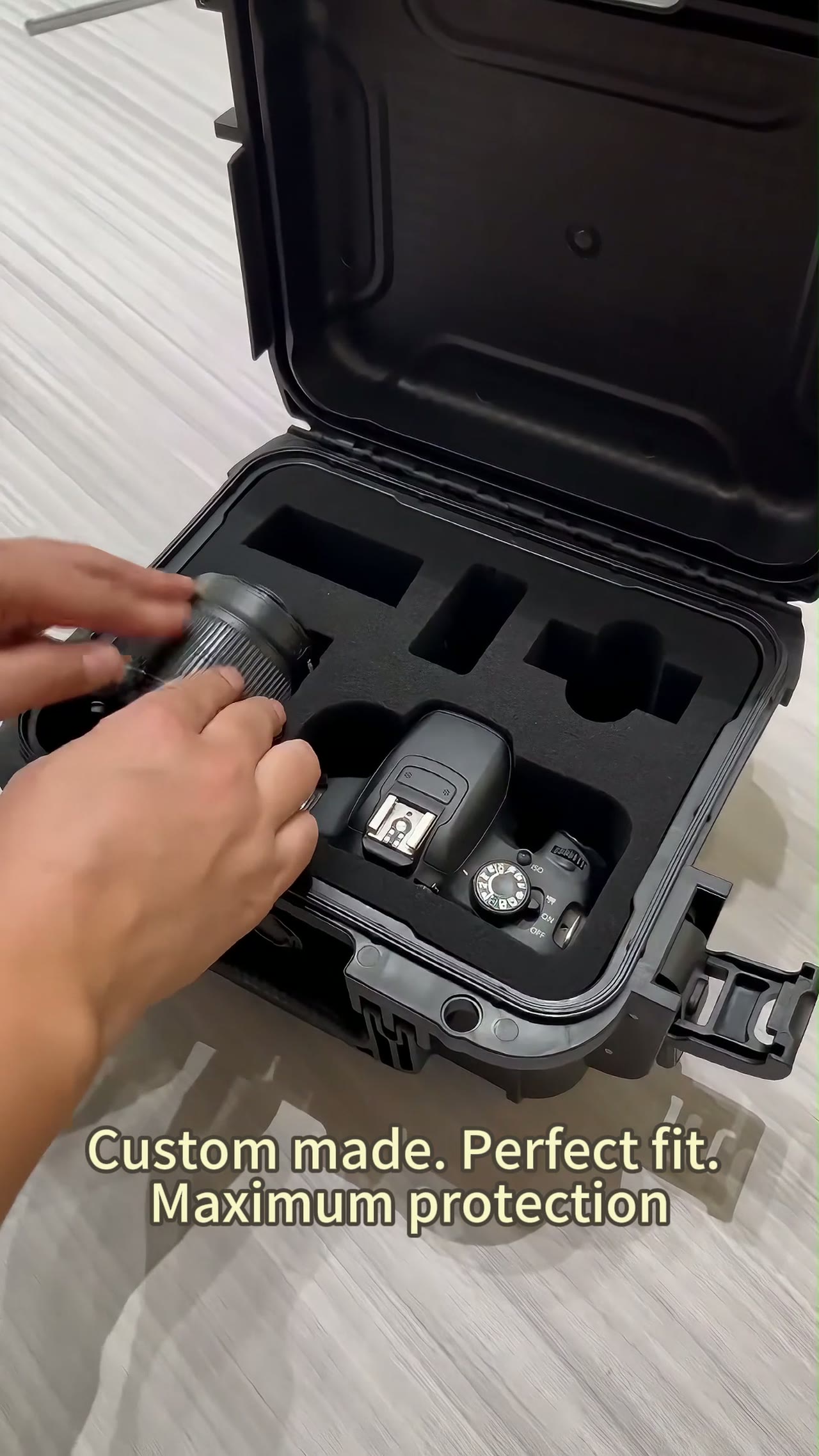
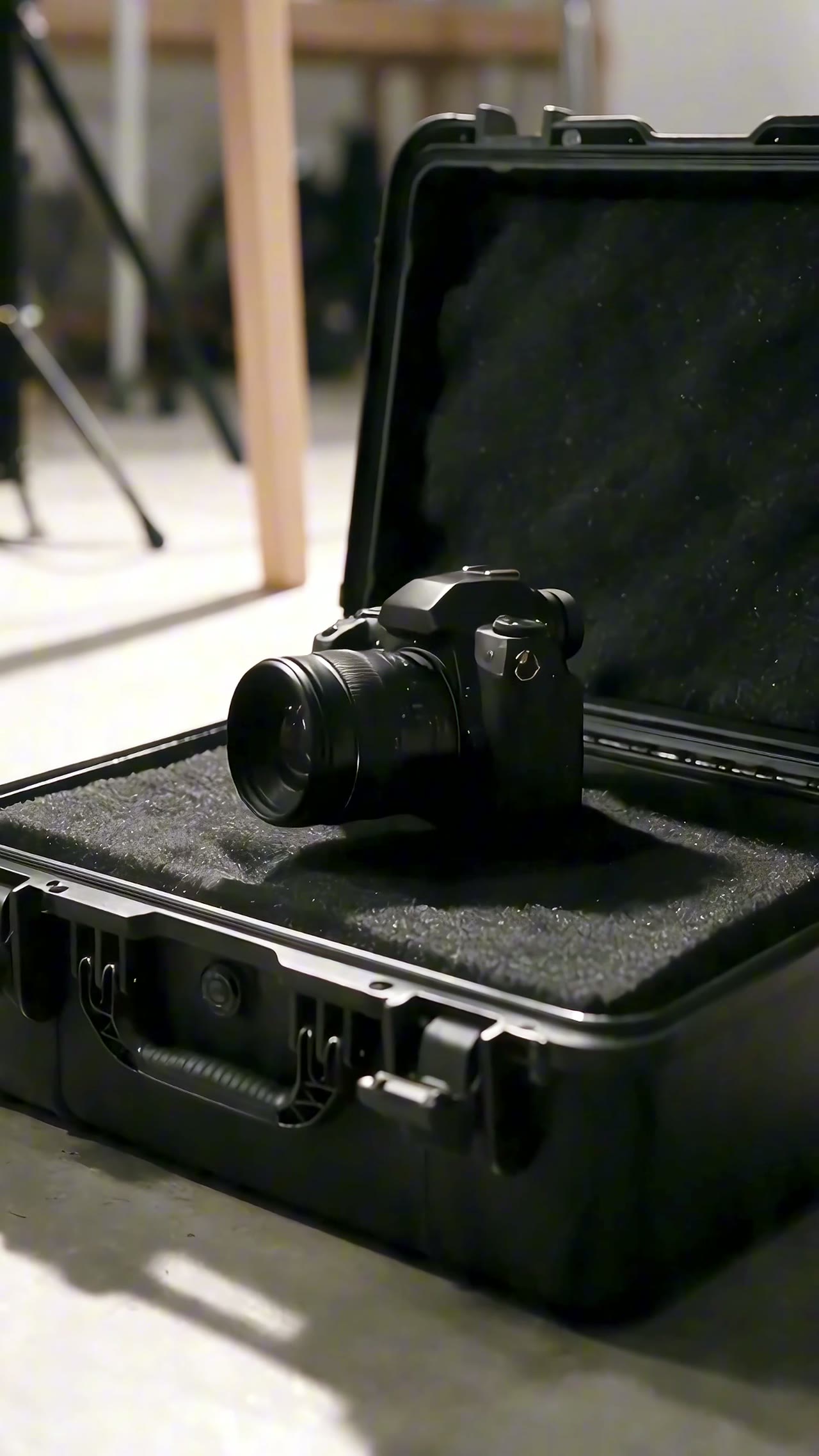
For imaging, vibration comes first. Gear rides on carts, frames and truck beds at 0.5 g to 3 g. That sounds modest, but it is constant and high frequency, and small relative movement between optics and body accumulates into calibration drift. The decisive property is not impact resistance but how tightly the foam holds the device: no free play in the pocket, no drift in the optical path.
For inspection, dust comes first. Labs see 5 μm to 20 μm, mostly sample powder; production floors go past 50 μm with metal swarf mixed in. This band is easy to overlook because it never hangs visibly in the air, yet it enters on the air exchange the moment the lid opens. The fix is procedural: wipe the lid before opening, and never blow into the case. Both categories sit at 30% to 90% RH, so humidity needs no separate treatment.
03Industrial Is Grit, Field Work Is Repetition
Industrial sites cover the widest thermal range, −20℃ to 55℃, with the coarsest dust at 50 μm to 200 μm — essentially sand settling on the gasket. What needs fixing first is the sealing face. A grain trapped between gasket and groove takes a permanent set in a single latch cycle, and that set is the channel water uses next time. Wiping the gasket before closing matters more here than any wall thickness.
Field work is decided by handling count. Two trips per shift and twenty trips per shift are a tenfold difference. At two, weight is nearly free. At twenty, weight and handle position shape daily use more than an extra wall does. Temperature and humidity are the easier half: −20℃ to 40℃ and 30% to 85% RH sit inside ordinary material limits. What wears these cases out is repeated loading and setting them down wherever there is room.
04Medical Counts Openings, Emergency Counts Margin
Medical work is shaped by the moisture that cleaning itself introduces. A job runs 1 h to 4 h and a case carries 10 to 40 items, so the lid opens often and gets wiped often. A damp cloth leaves water in the gasket groove, and a groove that stays wet ages the gasket at its root first. The habit that matters is leaving the lid open to dry rather than latching a damp case shut.
Emergency response is shaped by whether the kit still works on arrival. Jobs stretch to 6 h to 8 h, handling runs 10 to 20 trips per shift, and the item count drops to 3 to 12 because everything is bulky. The factor profile is not extreme; the margin is. There is no second trip back for a missing part. The criterion is a pre-departure inventory, not a datasheet: everything present, every latch closing.
05Six Blanks to Fill In
Translating this to your own work takes six blanks: lowest temperature, highest temperature, humidity ceiling, largest particle, trips per shift, and length of a single job. Fill them in, see which category's range you land inside, and fix that category's first factor. If three or more blanks sit outside ordinary limits, then consider a thicker shell or different foam. With one, changing the procedure is cheaper than changing the case.
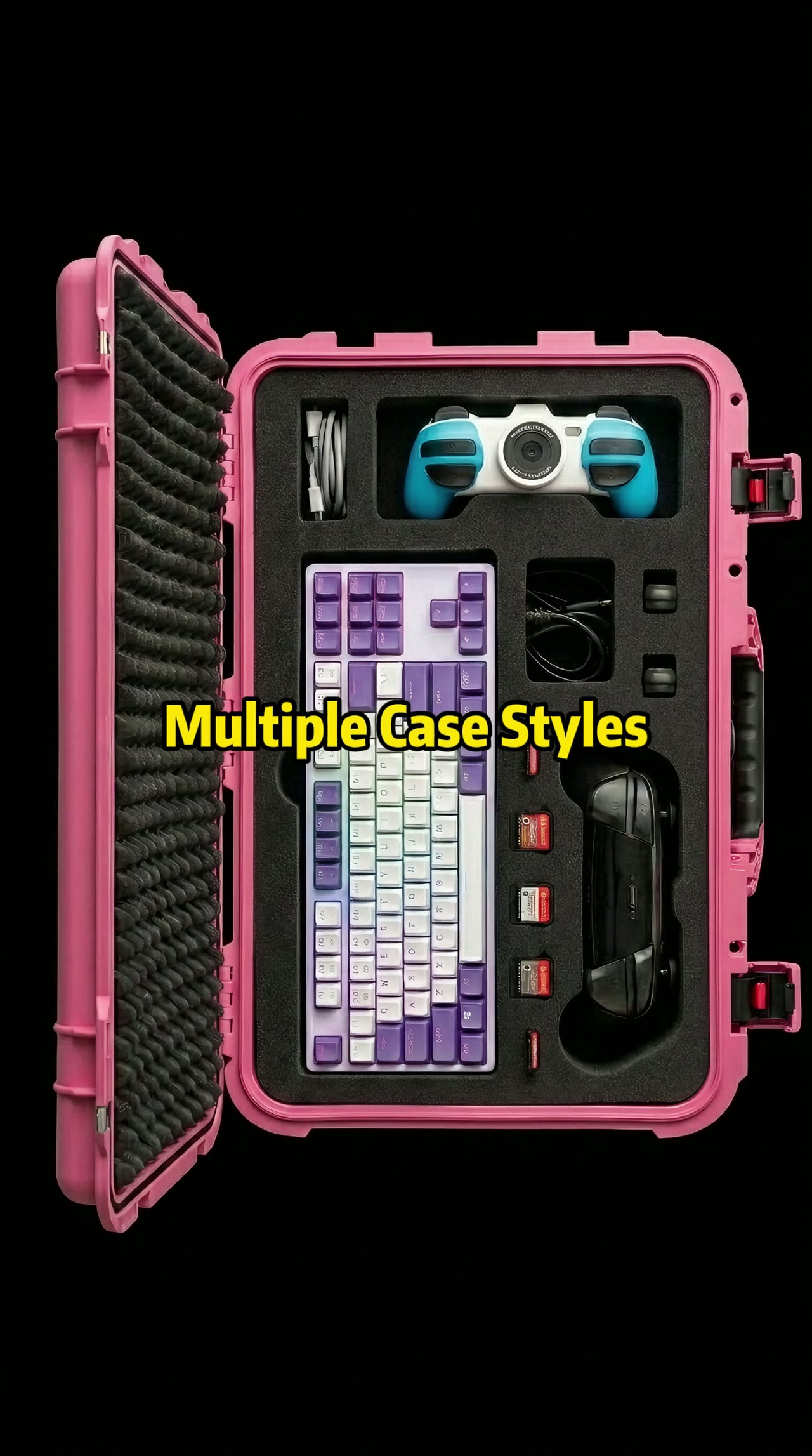
Item count comes before all of it. Three items and forty items lead to different interiors: few and large wants deep pockets, many and small wants shallow pockets and closer dividers. Settle the count before the case is ordered, not after it arrives. That single number decides whether you are buying a box or a layout, and nothing further down the specification list can rescue the wrong answer.
| Operating temperature | −20 to 55 ℃ |
|---|---|
| Humidity ceiling | 90% RH |
| Particle size band | 5–200 μm |
| Vibration level | 0.5–3 g |
| Handling per shift | 2–20 trips |
| Single job length | 1–8 h |
| Items per case | 3–40 items |
| Industry categories | 6 categories |
FAQ
Does item count really change which case I buy?
It does, and it outranks most specifications. Three bulky items want deep pockets and few dividers; forty small ones want shallow pockets and closer walls. Get the count wrong and the insert gets remade, which costs more than the case.
Is 5 μm dust really different from 200 μm?
Yes. Fine dust stays airborne and travels on airflow, so you control it by wiping the lid and opening less. Coarse grit drops fast and lodges on the gasket, so you control it by wiping the seal before every close. Same habit, different target.
Is 3 g a lot of vibration?
Ask how long it lasts. A few seconds at 3 g is survivable; 0.5 g for hours wears fasteners and calibration. Imaging gear suffers from accumulation rather than peaks, which is why how the device is held matters more than drop protection.
Should field users pick a case for temperature?
−20℃ to 40℃ sits inside ordinary material limits, so no. The real load is repeated loading and setting down. Look at handle position and total weight first, then wall thickness and latches.