

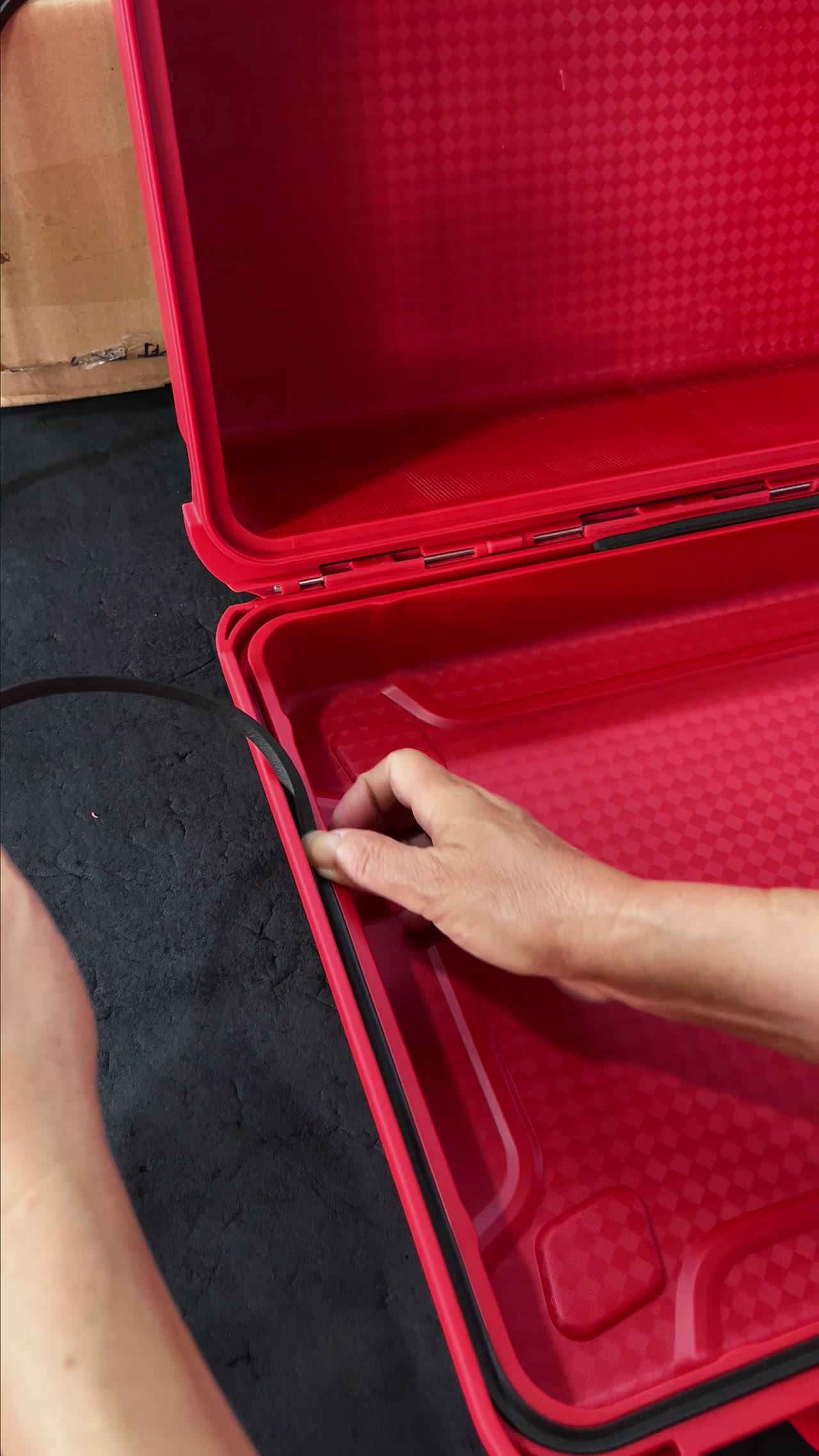
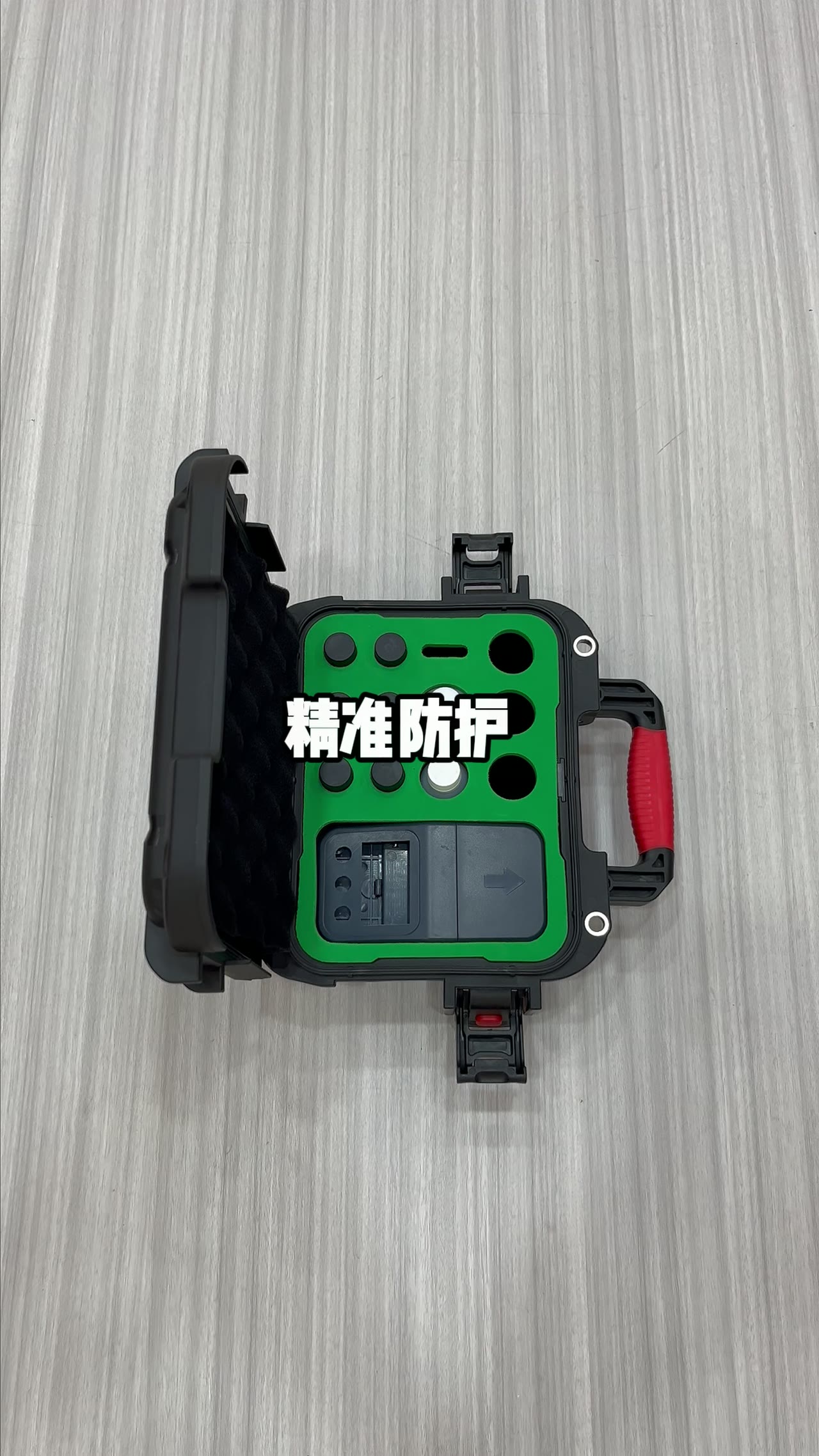
Injection Moulding Workshop: How the Shell Is Formed
A moulding shop is quieter than visitors expect: the thud of closing platens, one short hiss from the robot, then nothing at all until the next cycle comes around. Whether a press runs well has little to do with how fast it cycles. It comes down to whether clamp force holds, mould temperature drifts, and cycle time repeats. Between hopper and outgoing tray sits a 25 to 60 second window cut into four stages, each with its own pass or fail line. What follows is the ledger the operators keep, and the arithmetic behind every choice on the floor.
01Clamp force comes from projected area, not a tonnage chart
For a deep shell, clamp force is projected area on the parting line multiplied by cavity pressure. A part with 400 cm² of projected area at moderate pressure works out near 1600 kN, which is why the practical band runs 800 kN to 2500 kN and climbs with cavity count and wall thickness. The first sign of too little force is flash, starting near the gate and creeping along the parting line. Check for debris before adding tonnage.
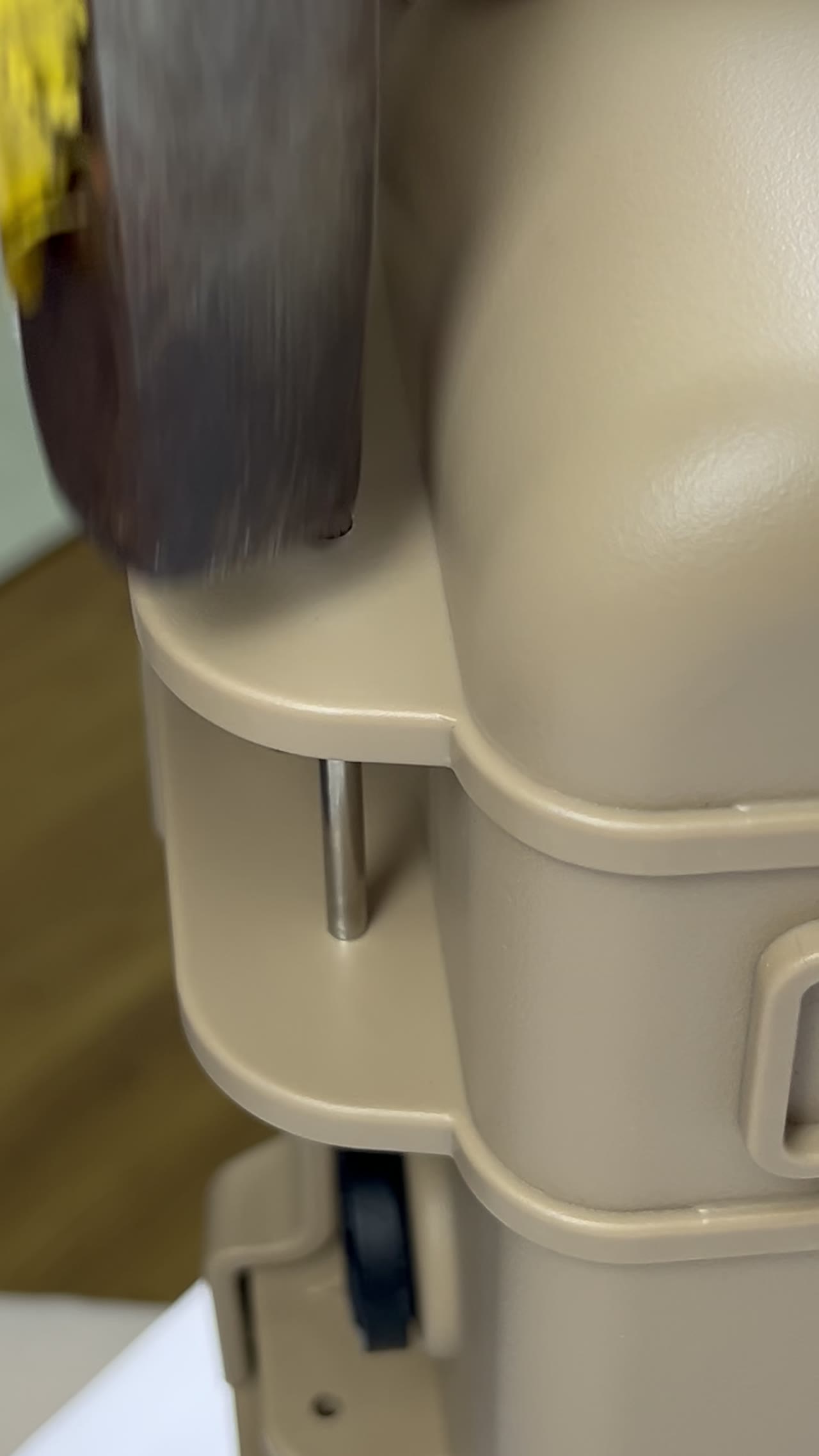
Too much force costs just as much. Push 1.5 times past what the part needs and the vents close; trapped air burns the shot or leaves it short. Platens and tie bars carry that load every cycle, guide pins wear early, and alignment error shows up months before the tool is due for service. The working point is the lowest force that leaves no flash, keeps vents breathing, and shows no scorch, plus ten percent.
02Twenty-five to sixty seconds, split four ways
Injection, packing, cooling, ejection. Injection takes 2 to 6 seconds depending on whether the wall is 1.5 mm or 3.5 mm and how long the flow path runs. Packing lasts 3 to 8 seconds, set by gate freeze: short leaves sink, long locks in stress. Cooling takes the biggest share, 50% to 65% of the cycle, or 10 to 35 seconds. Ejection and robot extraction add 3 to 6 seconds. Four stages, one window.
A faster screw is rarely the answer to a long cycle. A colder mould and better water lines are. Dropping mould temperature from 60℃ to 45℃ can trim the cooling block by roughly 20%, paid for in weld-line strength and surface gloss. Temperature must hold within ±2 ℃; a 5 ℃ drift produces a batch that is half bright, half dull, and impossible to sort afterwards. Probe three points on each half every 2 h.
03Eight cavities is not eight times the output
Cavity counts run 1 to 8, and cycle time does not shrink in step. An eight-cavity tool needs eight times the shot volume, so injection stretches by 1.5 to 2.5 times, with packing and cooling trailing behind. Runner balance takes its own cut: the far cavities short-shot first. Real output often lands at 5 to 6.5 times the single-cavity figure. On short runs, one or two cavities win on changeover alone.
At 30 g to 400 g per part, a robot beats a hand. Manual extraction costs 4 to 7 seconds and brings sweat marks and scuffs; a robot does it in 1.5 to 3 seconds. Cups or grippers follow part stiffness, and thin walls need four pick points to avoid bowing. Let the part set for 2 to 3 seconds outside the tool. Stack a shell while it is still warm and the face takes a permanent dent.
04Regrind at 15% to 30%, and no further
Runners get granulated and blended back at 15% to 30%. At 15% tensile strength drops 2% to 4%, which nobody notices. Past 40% the chains have been sheared twice, notched impact falls more than 15%, and a dropped case cracks opposite the gate. Test one batch for impact each run: below 90% of virgin, cut the ratio back to 20% and hold it there.
Cleanliness outranks ratio. A wrong grade, a coloured part, a chip of metal: each leaves black specks or a bad weld line. Shops keep regrind in labelled boxes by grade, run a magnet over it before granulating, and hold granules between 6 mm and 10 mm. Too fine bridges the feed throat, too coarse will not melt evenly. Weigh the regrind every shift; a number that does not match means mixing.
05Four defects: sink, flash, weld line, short shot
First-pass yield usually lands between 96% and 99.5%. Of the 0.5% to 4% that fails, sink marks are more than half. They sit over thick sections and rib roots, felt as a dip and seen as a shadow under raking light. Longer packing, a cooler mould, or ribs pared to 60% of wall thickness will clear them. Flash shows at the parting line and ejector pins, usually from low clamp force or a crushed edge.
Short shots get blamed on the press far too often. Venting or injection speed is the usual cause, and where the short falls tells you which: always far from the gate means pressure loss, random at the highest point means trapped air. Check all four on the first part, pull one every 30 seconds, stop after three failures in the same place. Changeover runs 0.5 h to 1.5 h.
| Clamp force band | 800–2500 kN |
|---|---|
| Melt temperature | 200–260 ℃ |
| Mould temperature control | ±2 ℃ |
| Cycle time | 25–60 s |
| Cavity count | 1–8 |
| Regrind ratio | 15–30% |
| First-pass yield | 96–99.5% |
| Changeover time | 0.5–1.5 h |
FAQ
Is more clamp force always safer?
No. Past 1.5 times what the part needs, vents close, the shot scorches or runs short, and the platens carry the excess every cycle. Take the projected-area estimate, raise it until flash just disappears, then add ten percent. The nearest tonnage on a chart usually overshoots.
Can the cycle drop below 25 seconds?
For walls under 1.5 mm with dense water lines, yes. A case shell is usually thicker, so the only lever left is a colder mould, and weld-line strength and gloss go with it. The seconds you save tend to come back at the drop test.
How do you spot too much regrind?
Look at cracking opposite the gate and at weld-line quality. Past 40%, notched impact falls more than 15% and a drop starts the crack where the material is weakest. Compare impact against virgin each batch; below 90%, cut the ratio before customers find it.
Where does a 1.5 h changeover go?
Alignment, water lines, ejector and hot-runner connections, plus warming the tool to 40℃. A 0.1 mm alignment error puts the wall off-centre, so the first part gets measured at four points. More than 0.2 mm of variation means realign, or scrap the run.