

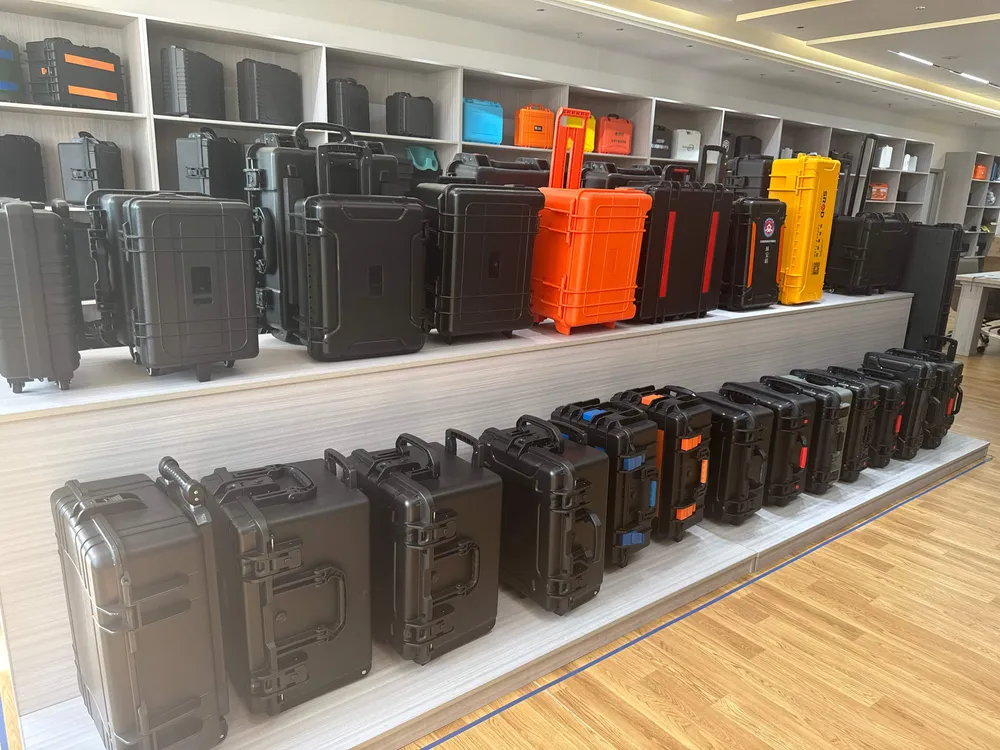
ATA 300 is the specification used across the airline industry for reusable shipping containers — the cases that carry instruments, broadcast gear, tools and sensitive equipment through repeated air freight cycles. Rather than rating a case by a single property, ATA 300 groups containers by how much service life they are designed to deliver.
What the Categories Mean
The specification defines categories based on the number of trips or years of service a container is expected to survive. In broad industry usage, the tiers run from limited-life containers through to heavy-duty cases built for the longest service: a lower category suits occasional shipping, while the higher categories are specified for equipment that flies constantly.
The important point for a buyer is not the label but the engineering behind it. A higher category generally implies thicker shell material, heavier-gauge hardware, more robust corner protection and reinforced edges, because the container is expected to absorb far more handling abuse over its life.
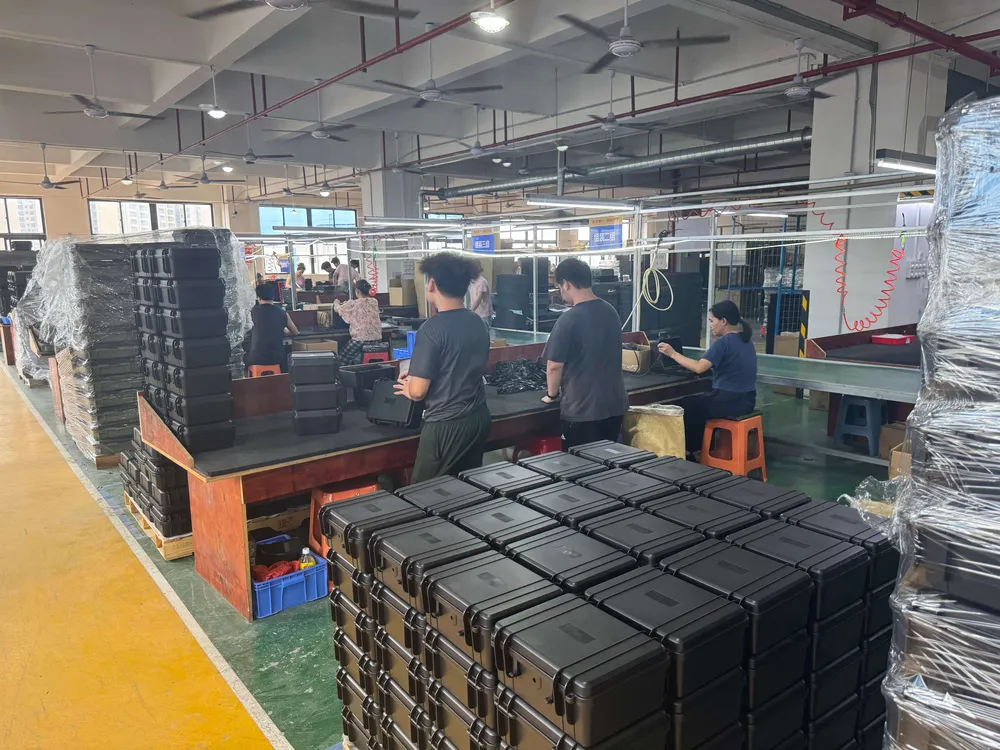
The Test Programme Behind the Claim
A container is not ATA 300 compliant because it looks sturdy. Compliance is demonstrated through a test programme that reproduces what air freight does to a case. Typical elements include:
- Drop testing — the loaded container is dropped onto its corners, edges and faces to prove the shell and hardware survive mishandling.
- Stacking / compression — loaded cases are stacked to simulate warehouse and hold storage.
- Vibration — the container is shaken to reproduce vehicle and aircraft vibration, which is where loose contents and fatigue failures show up.
- Water spray — exposure to rain and wet conditions on the apron.
- Penetration resistance — resistance to a concentrated impact or puncture.
Each test is performed on the loaded container, because an empty case behaves very differently from one carrying its intended payload.

Matching the Category to Your Trip Count
| Usage profile | Risk if under-specified | Risk if over-specified |
|---|---|---|
| Occasional shipping, a few trips a year | Low — a light container is usually adequate | Excess weight, higher freight cost |
| Regular touring or field service | Latches and corners wear out early | Moderate — usually an acceptable trade-off |
| Constant air freight, high-value payload | Catastrophic — a single failure can exceed the case cost many times over | Minimal — durability is cheap relative to the payload |
The asymmetry matters. For expensive or mission-critical contents, over-specifying is almost always the cheaper mistake, because the cost of one failed container is the cost of the equipment inside plus the missed engagement.
What to Verify Before You Buy
- Ask which category the case is designed to meet, and how many trips that corresponds to.
- Ask for the test report, not a marketing claim — and confirm it covers the size you are buying.
- Check the hardware: latches, hinges, corners and wheels are what fail first, not the shell.
- Confirm the payload rating — a case tested empty tells you very little.
- Check airline practicalities: overall dimensions, weight, handle position and whether the case can be checked or must travel as cargo.
Where ATA 300 Stops
ATA 300 addresses the container as a shipping vessel. It does not certify the interior protection. A compliant case with badly cut foam will still destroy its contents, so the internal cushioning has to be specified separately against the actual fragility and weight of the payload.