

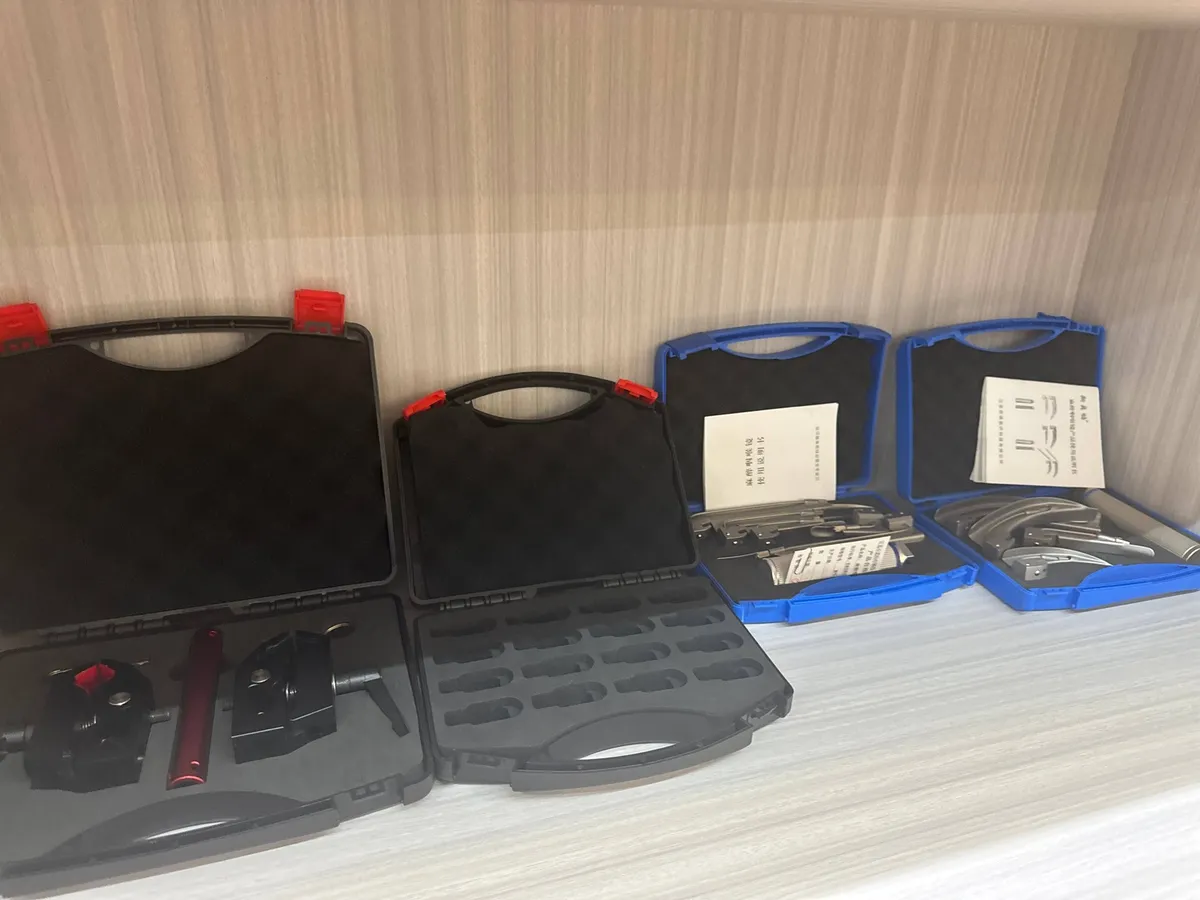
A case gasket is a spring that also happens to be a barrier. It has to be soft enough to fill the mating surface under the available latch force, and resilient enough to keep pushing back for years. Every seal material is a compromise between those two requirements plus what the environment will throw at it.
The three materials that cover most cases
| Property | EPDM | Silicone | Closed-cell foam |
|---|---|---|---|
| Closing force required | Moderate | Low to moderate | Low |
| Compression set resistance | Good | Very good | Moderate - takes set over time |
| Service temperature range | Wide | Widest | Moderate |
| Ozone and UV resistance | Very good | Very good | Good if protected |
| Hydrocarbon / oil resistance | Poor | Poor to moderate | Poor |
| Tear and abrasion resistance | Good | Moderate | Moderate |
| Typical reason to specify it | General outdoor and industrial default | Extreme temperature, sterilisation | Large lids, low latch effort, frequent opening |
Read the table as a decision filter, not a ranking. There is no best material - there is only the material whose weaknesses do not intersect with your environment. A gasket that fails against diesel in a case that never meets diesel is not a failure of specification.
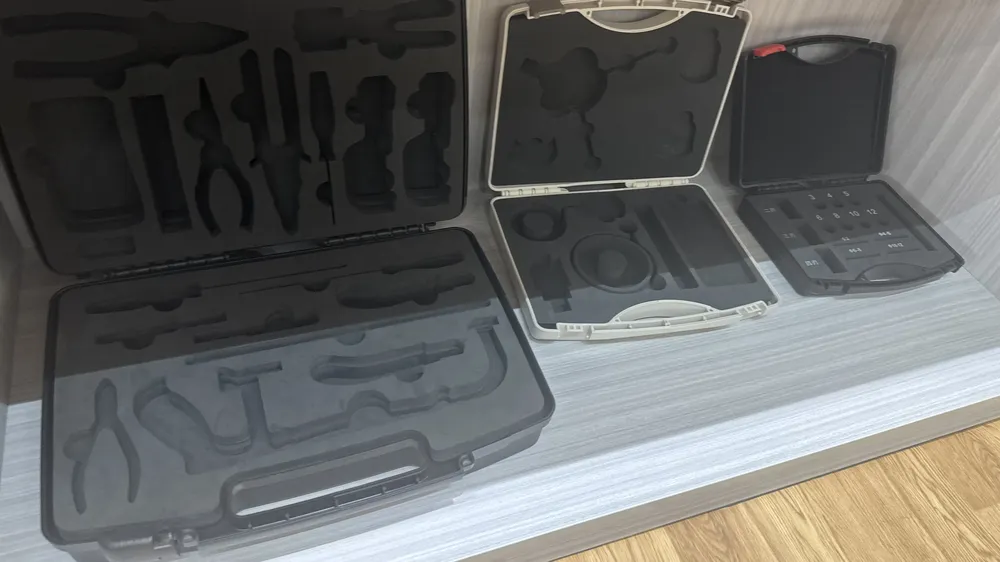
How a lid seal actually works
The seal is engineered around a designed amount of squeeze. When the latches close, the gasket is compressed by a set proportion of its section height - enough to flow into the microscopic roughness of the mating face, not so much that the material is overstressed or the lid is held off the shell.
- Groove fill. The gasket occupies a groove that controls how far it can move sideways. Too much fill and the seal extrudes; too little and it can roll or fall out.
- Squeeze. The compression applied at closure. Too little and surface roughness bridges the gap; too much accelerates compression set and makes the latches hard to close.
- Corner treatment. Corners are where seals fail first, because a straight extrusion has to be joined or moulded to turn a corner. Moulded corners outperform mitred-and-glued joints.
- Mating face condition. The opposing surface must be clean and undamaged. A gasket cannot seal against a chipped or deeply scratched face.
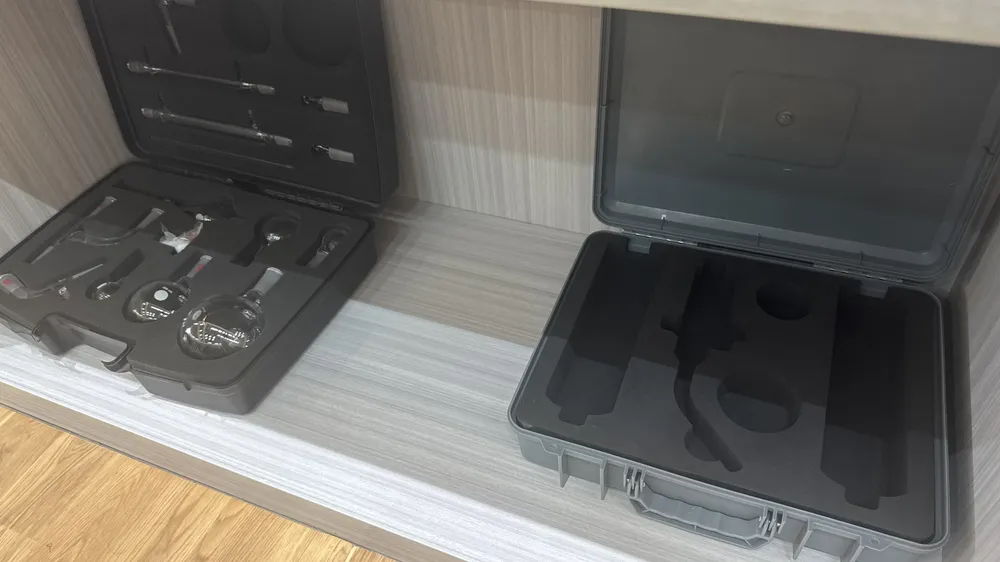
The most common field cause of a leaking case is not a failed gasket - it is grit on the sealing face. Cleaning the mating surface and the gasket with a damp cloth closes more leak complaints than replacement does.
Matching material to environment
- General outdoor and industrial. EPDM. UV, ozone, rain and thermal cycling are exactly what it is good at, and it is economical to replace.
- Marine and salt spray. EPDM, with fresh-water rinsing after exposure. Salt crystals left on the sealing face abrade the gasket every time the lid closes.
- Cold chain and frozen transport. Silicone, specified for the low-temperature end where other rubbers stiffen and stop following the mating face.
- High heat processes or sterilisation. Silicone, for the high-temperature end, with the caveat that steam and chemicals must be checked against the specific compound.
- Frequent opening with large lids. Closed-cell foam, to keep latch effort low - accepting that the seal is a scheduled consumable.
- Fuels, oils and solvents. Neither EPDM nor standard silicone. This is a nitrile or fluorocarbon conversation, and it should be raised with the supplier explicitly rather than assumed.
Maintenance that actually extends seal life
- Wipe the gasket and the mating face with a damp cloth before closing - grit is the dominant failure cause.
- Rinse with fresh water after salt or chemical exposure, and dry before storage.
- Store closed cases with the latches secured but not under extreme compression for long idle periods; if a case will sit for months, store it lid-up with the latches open so the gasket relaxes.
- Inspect the gasket for cuts, flat spots and extrusion at each service interval, and replace it as a set rather than patching one section.
- Keep a spare gasket for any case that is in daily service - replacement is the cheapest way to restore the rating.
Material selection and maintenance determine whether the rating on the datasheet is true in year five as well as in week one. For a JUNZHIJIA case the gasket material supplied is matched to the series and its intended service; where your application involves fuels, solvents, sustained extreme temperatures or sterilisation, specify the exposure at enquiry stage so the seal compound can be selected against it rather than assumed.
Related Products
- 8 Series — Gun Cases; Military Equipment Cases; Camera Equipment Cases; Drone Cases; Watch Cases; Knife Cases; First Aid Cases; Electronics Equipment Cases
- WL8-2812 PP Gun Case — model WL8-2812
- All protective cases and toolboxes: 7 series, 158 models