

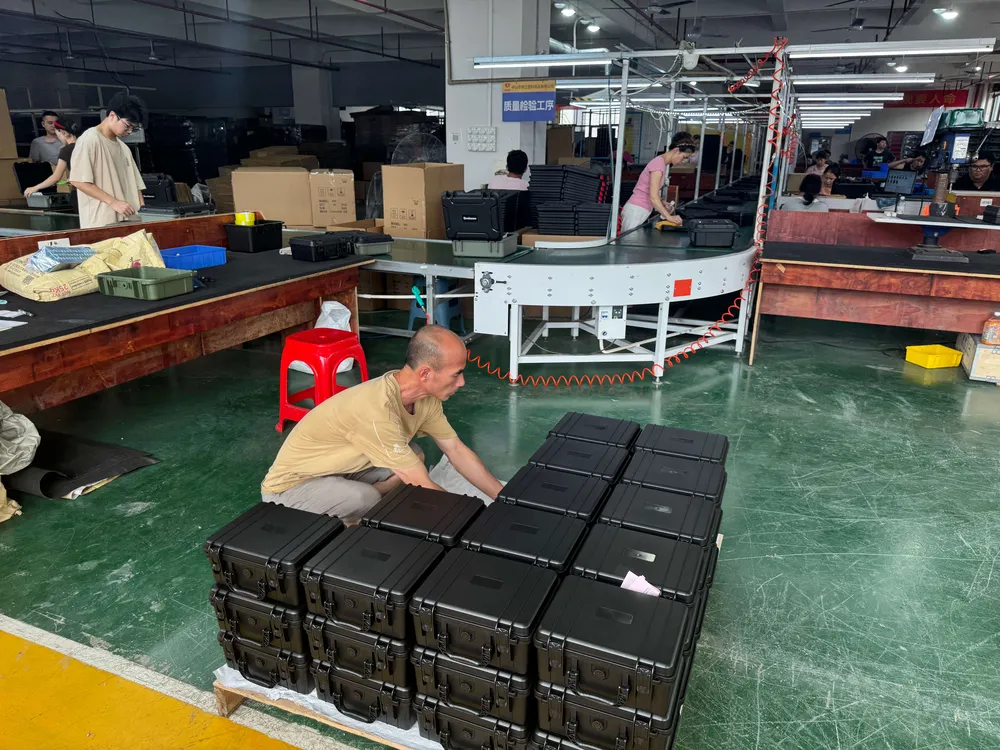
Protective cases for rescue work are not specified the same way as shipping cases. A shipping case is judged on what survives a journey; a rescue case is judged on what a responder can do with it in the first thirty seconds, wearing gloves, in smoke or darkness, with the vehicle running.
Design for the First Thirty Seconds
| Priority | What it means in practice |
|---|---|
| One-handed opening | Latches operable with a gloved hand while the other hand is occupied |
| Positive identification | Colour, labelling and retroreflective marking readable at a glance |
| Predictable layout | Fixed locations for every item, so repacking in the dark stays correct |
| Carrying comfort | Handles and balance suited to the actual carry distance |
| Environmental sealing | Dust and water excluded without fighting the latch |
Note the tension in the last row. A very tight seal demands more latch force, which slows opening. Rescue equipment resolves this by accepting a practical sealing level and prioritising access, then protecting sensitive items inside the case as well.
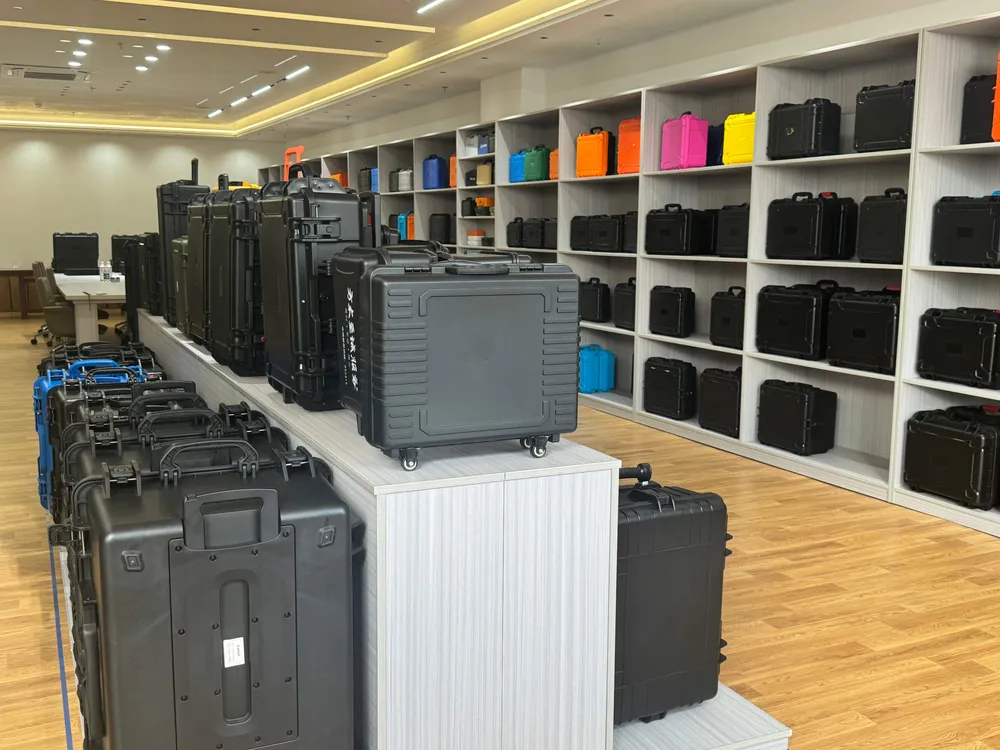
Layout Is a System, Not a Foam Order
The interior should be designed around the sequence of use, not around what fits. Items needed first go where the hand falls first; heavy items sit low and close to the handle to keep the case balanced; and every item has one defined location so a missing tool is obvious before the vehicle moves.
- Shadow boards and contrasting liners make a missing item visible instantly.
- Colour-coded cavities group equipment by function.
- Fixed retention keeps items from migrating during vehicle movement.
- Spare capacity allows for equipment changes without a new interior.
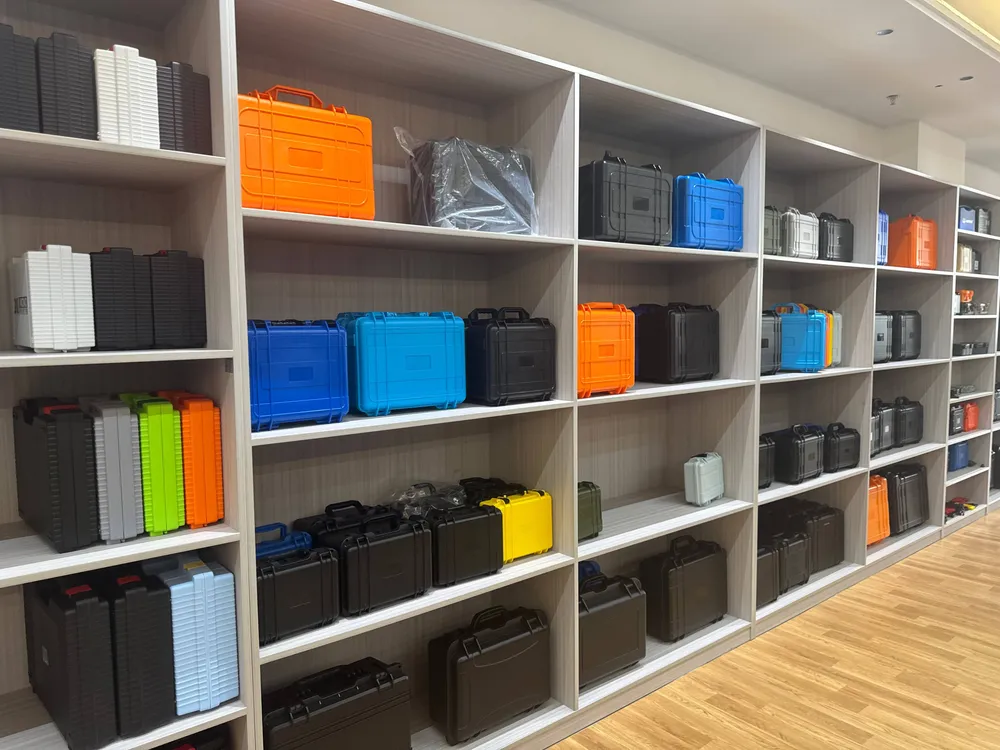
Visibility and Marking
High-visibility shells and retroreflective marking are not decoration: at a roadside incident or in smoke, a case that cannot be found is a case that is not used. Marking should carry the contents and the owning team, and should survive abrasion, fuel and cleaning.
For teams operating alongside military or tactical units, the requirements overlap with the load-out logic described in our article on tactical equipment cases.
Weight and Carriage
Rescue equipment is heavy, and the case adds to it. Specify the packed weight as a design constraint, not an afterthought: check the handle design against the real loaded mass, consider whether the case will be carried one-handed or two, and verify that loaded cases can be lifted from vehicle storage at a comfortable height.