

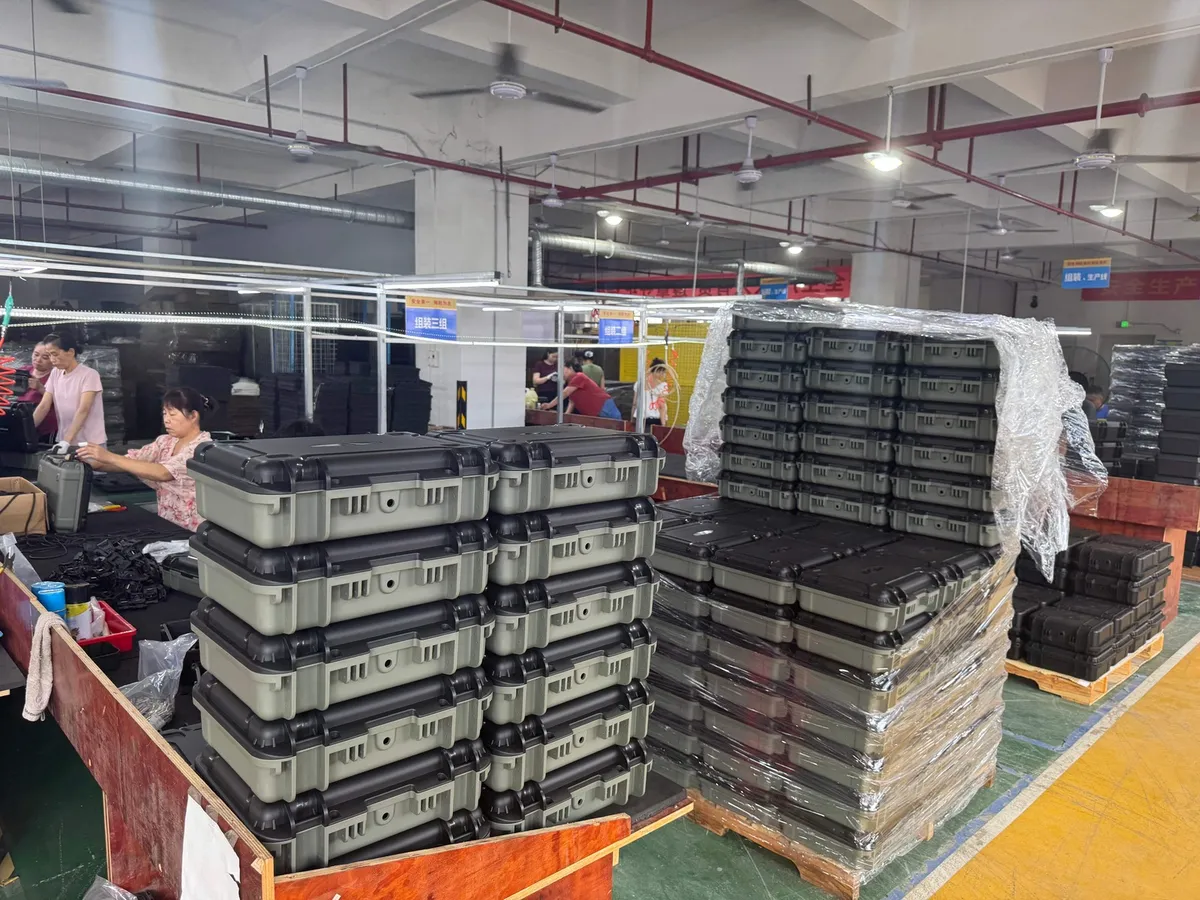
Choosing a gun case comes down to four decisions: a rigid hard-sided shell, a foam interior fitted to your firearm, reliable locks on every hasp, and the right interior dimensions. If the case will ever fly, add a fifth: it must satisfy the airline and, in the United States, TSA firearm transport rules, which require a locked hard-sided container in checked baggage.
Start With the Shell: Hard-Sided and Sealed
Soft cases are fine for short car trips to the range, but they cannot resist crushing, and most airlines and jurisdictions expect a hard container for transport. Injection-molded PP shells offer the best balance of impact strength, weight, and moisture resistance; look for a continuous gasket seal (IP67 is the practical benchmark), sturdy hinges, and metal-reinforced padlock hasps.
Get the Size Right
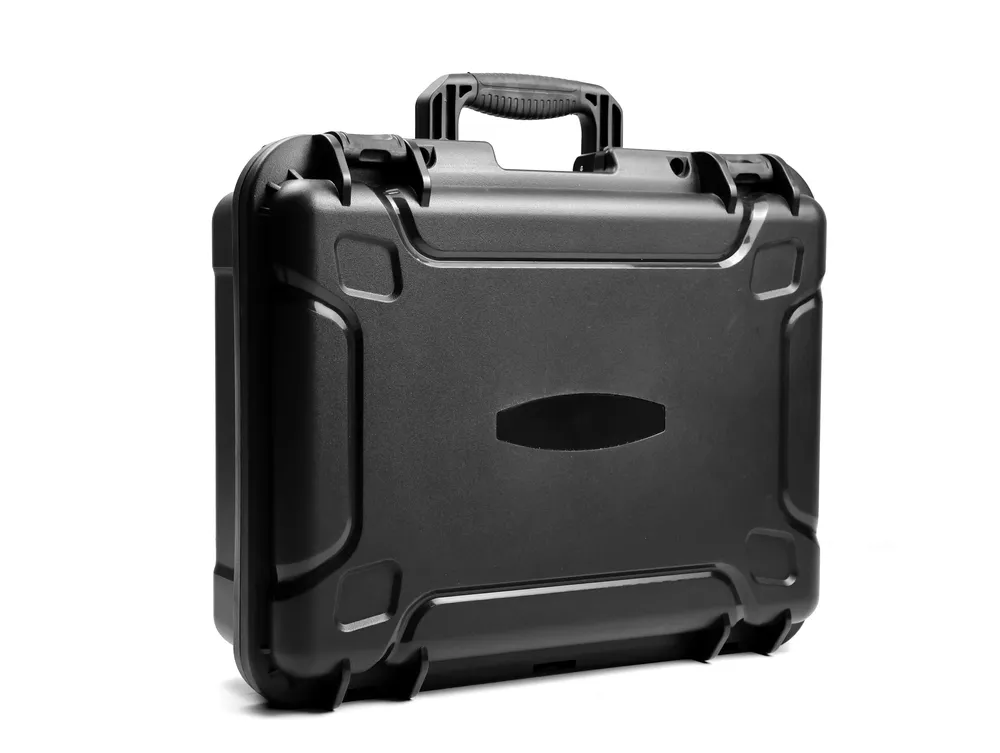
Measure the firearm fully assembled — optics, muzzle devices, and extended magazines included — then add clearance for foam. A case that is too tight transfers shock to the firearm; one that is too loose lets it move.
| Firearm type | What to measure | Minimum extra interior clearance |
|---|---|---|
| Pistol / revolver | Overall length and height with sights | ≈5 cm (2 in) in length and height |
| Sporting rifle | Overall length with scope mounted | 5–8 cm (2–3 in) beyond overall length |
| AR-pattern / tactical | Length with stock collapsed plus magazine and optic height | 5–8 cm length; check depth over optic |
| Shotgun | Barrel plus receiver length if takedown, full length if not | 5–8 cm length |
Foam: Fit Is Protection
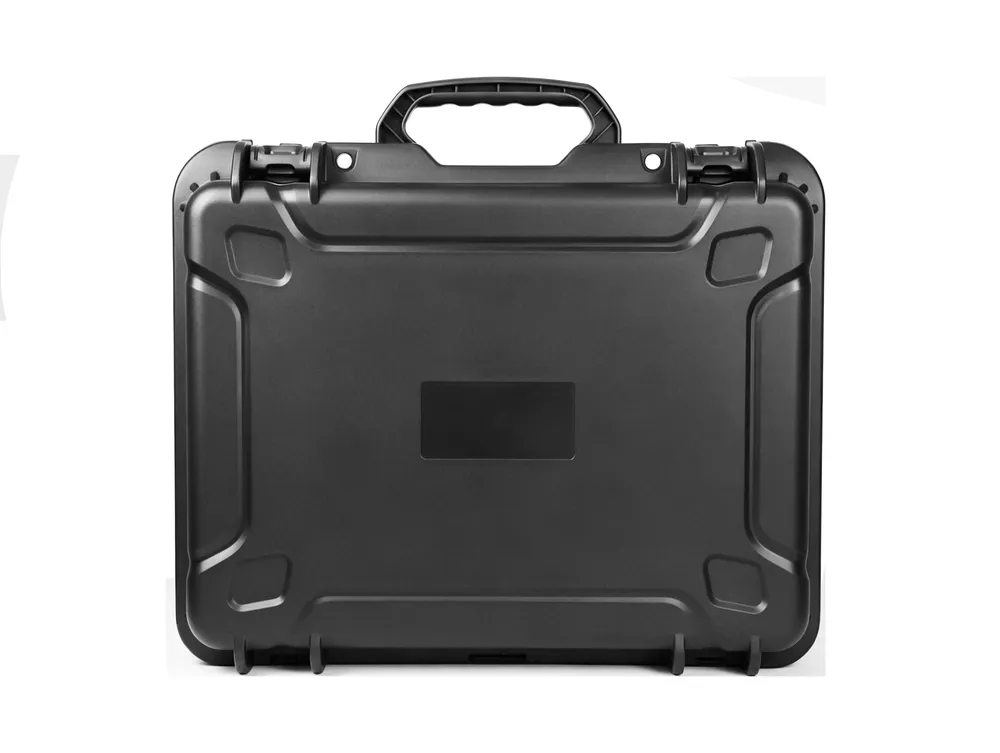
The foam, not the shell, is what holds the firearm still. Pick-and-pluck foam works for common shapes; layered polyethylene or CNC-cut EVA gives a cleaner, longer-lasting fit for optics-heavy setups. Keep at least two fingers of foam between the firearm and the case wall, and use convoluted (egg-crate) foam in the lid to press everything gently into place.
Flying With a Firearm: The TSA Basics
- Declare the firearm at the airline check-in counter — never at the security checkpoint
- The firearm must be unloaded
- It must be in a locked hard-sided container, inside checked baggage only
- Only the passenger keeps the key or combination; TSA inspects in your presence if needed
- Ammunition goes in packaging designed for ammunition and may share the locked case if the airline allows
- Airlines and foreign countries add their own rules — verify before every trip
These points summarize the TSA publication Transporting Firearms and Ammunition; the full text on tsa.gov is the authoritative source and should be checked before travel, together with your airline's policy and the laws at your destination.
A Practical Checklist Before You Buy
- Confirm interior dimensions against your longest configured firearm
- Check for a gasket seal and an IP67 test claim with a report
- Count padlock hasps — two or more, metal-reinforced
- Decide on foam: pick-and-pluck for flexibility, custom-cut for permanence
- For travel, confirm wheels and a retractable handle on rifle-length cases
- Keep keys and combinations with you, never inside the case
JUNZHIJIA molds PP gun cases in rifle and pistol sizes — see the 8 Series gun and equipment cases and the WL8-4113 PP gun case, or ask us about custom foam for your exact setup.
Related Products
- 8 Series — Gun Cases; Military Equipment Cases; Camera Equipment Cases; Drone Cases; Watch Cases; Knife Cases; First Aid Cases; Electronics Equipment Cases
- WL8-2812 PP Gun Case — model WL8-2812
- All protective cases and toolboxes: 7 series, 158 models