

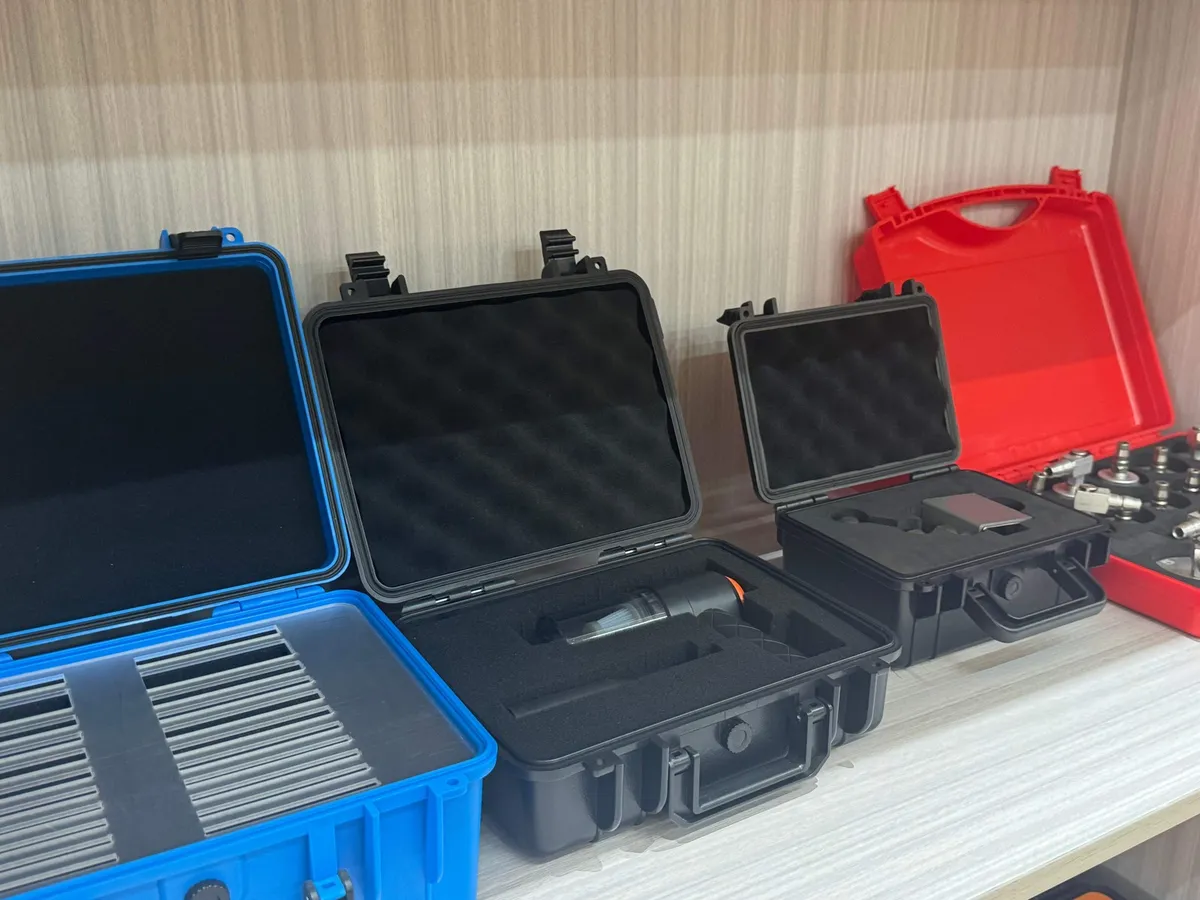
Selecting a case for a precision instrument is a five-step decision: interior size matched to the instrument, foam that eliminates all movement, a gasketed IP67 seal, hardware that survives daily abuse, and a pressure equalization valve if the case will ever fly. The goal is not just to prevent breakage — it is to protect calibration.
The Real Enemy Is Calibration Drift
Laboratory and field instruments are built to tight tolerances. A single impact can shift an optical mount or a sensor carrier by a fraction of a millimeter — nothing breaks, nothing rattles, but readings drift. Repeated small shocks accumulate the same way. That is why the interior of the case, not the shell, does most of the protective work: a fitted interior eliminates movement entirely, while layered foam absorbs what the shell lets through.
Step 1–2: Size and Foam
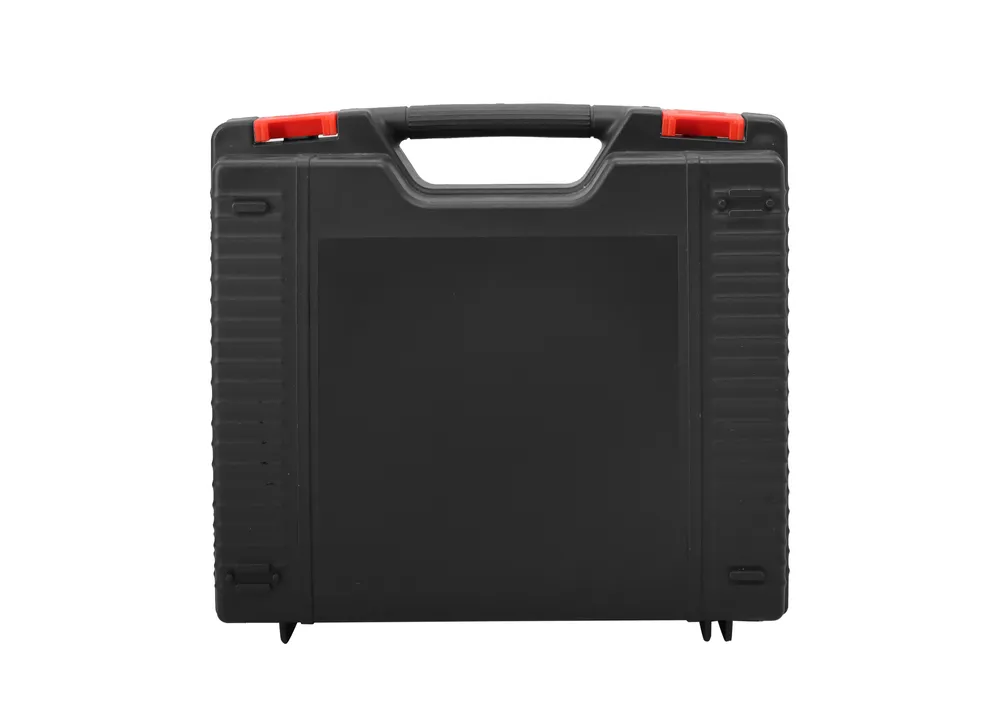
Measure the instrument fully dressed — connectors, bumpers, displays, attached probes — and size the interior so 2–5 cm of foam surrounds it on every side. Then choose the foam strategy:
| Instrument profile | Recommended interior | Why |
|---|---|---|
| Heavy, rugged body (power analyzers) | Layered foam: dense base + soft top | Big shocks absorbed at the base, vibration filtered up top |
| Optical / calibrated surfaces | Custom-cut EVA cavity, full-contact cradle | Zero movement, no pressure on lenses or displays |
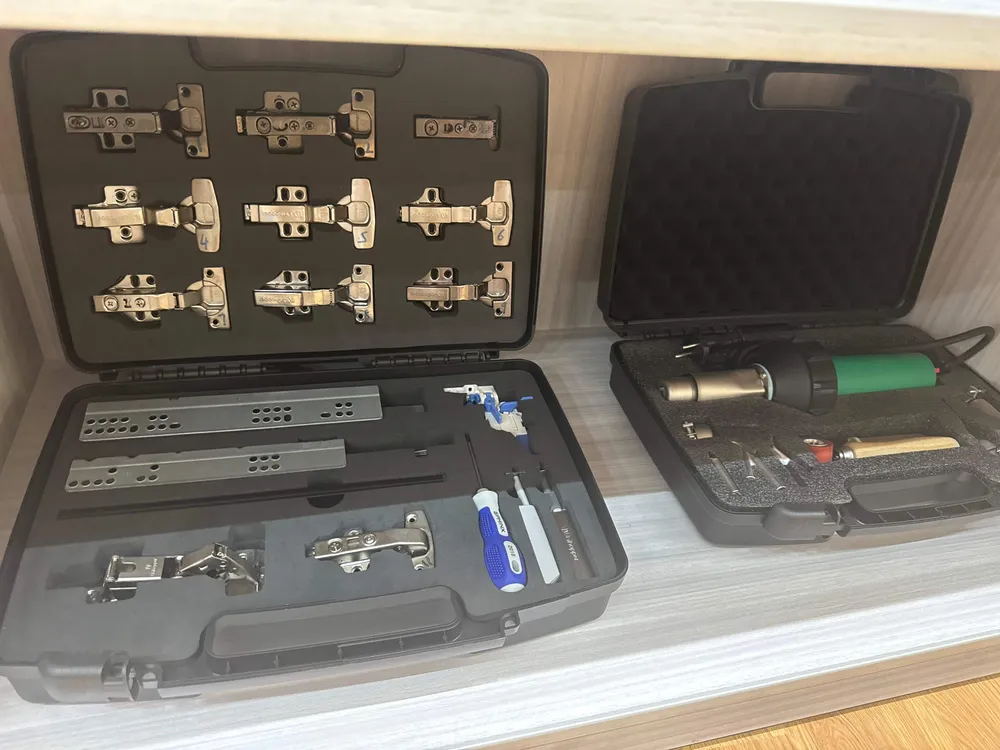
| Kit with probes and cables | Main cavity + organized accessory pockets | Accessories cannot strike the instrument |
| Frequently changing loads | Pick-and-pluck with disciplined layout | Flexibility without tooling cost |
Step 3–5: Seal, Hardware, Valve
- Seal: a continuous gasket tested to IP67 keeps dust and rain off connectors and vents
- Latches: over-center latches that stay shut under impact; metal reinforcement on larger cases
- Hinges: full-length or double hinges — the lid is a structural member, not a flap
- Valve: an automatic pressure equalization valve for any case that flies or crosses mountains
- Handles: a handle you can grip with gloves, rated above the loaded weight
Five Mistakes That Ruin Good Instruments
- Shopping by exterior dimensions and discovering the interior is 5 cm too small
- Forgetting depth with the probe or battery attached
- Choosing the cheapest case for the most expensive instrument
- Skipping the gasket because the instrument is only for indoor labs — until it is not
- One giant shared case for many instruments: maximum movement, maximum risk
A Word on Lifecycle Cost
The case is cheap insurance: when a multimeter, analyzer, or optical device costs many times the price of its case, the case pays for itself the first time it absorbs a drop. Buyers increasingly treat the case as part of the instrument itself — instrument makers ship in fitted cases for exactly this reason, and OEMs brand them as part of the product experience.
JUNZHIJIA builds PP precision-instrument cases from compact meter sizes upward — browse the 1 Series instrument cases, see a fitted example like the WL1-2614, or send us your instrument dimensions for a matched recommendation.
Related Products
- 9 Series — Precision Instrument Cases; Hardware Tool Cases; Medical Equipment Cases
- WL9-2811 PP Precision Instrument Case — model WL9-2811
- All protective cases and toolboxes: 7 series, 158 models