

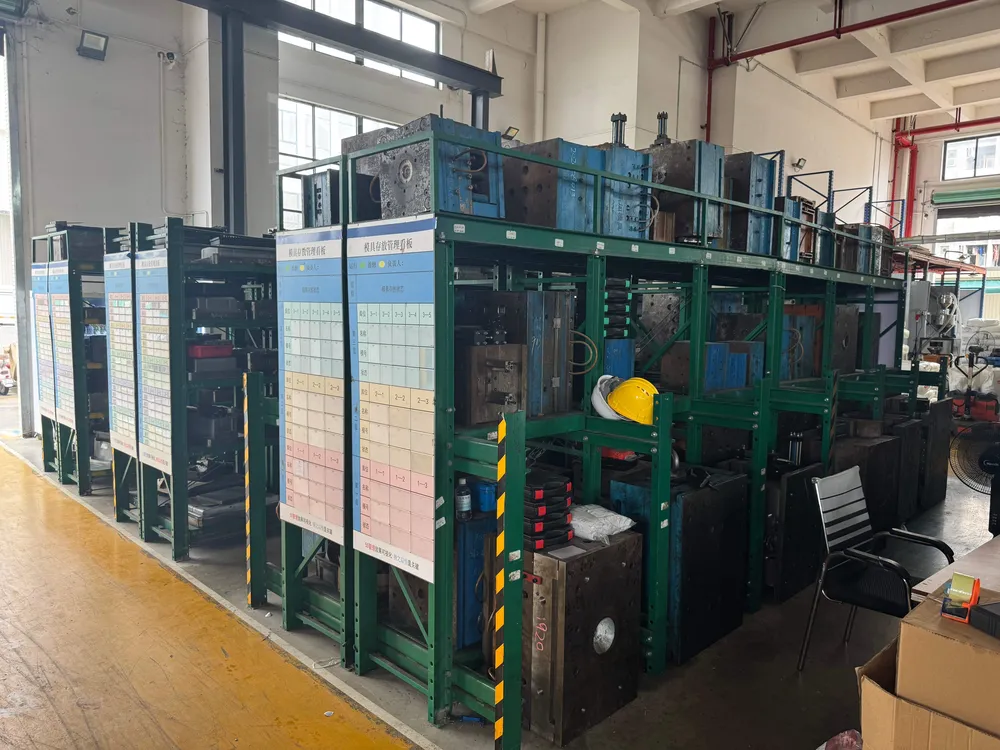
In a custom case project, the mould is the asset that outlives the first order. Whoever controls it controls your ability to reorder, to change supplier, and to stop a competitor using your geometry. These are commercial terms, and they belong in writing before tooling begins.
The Common Ownership Models
| Model | How it works | What it means for the buyer |
|---|---|---|
| Buyer-funded, buyer-owned | You pay tooling cost; the mould is yours | Full control and transferable, but higher upfront cost |
| Supplier-funded, supplier-owned | Supplier invests; you pay only unit price | Low upfront cost, but limited control and no automatic transfer right |
| Shared or amortised | Cost recovered across production, ownership transfers at an agreed point | Balanced, but the trigger condition must be defined precisely |
Each model is legitimate. The mistake is not choosing one but leaving it unstated, so that both parties later assume different things.
The Four Terms to Settle
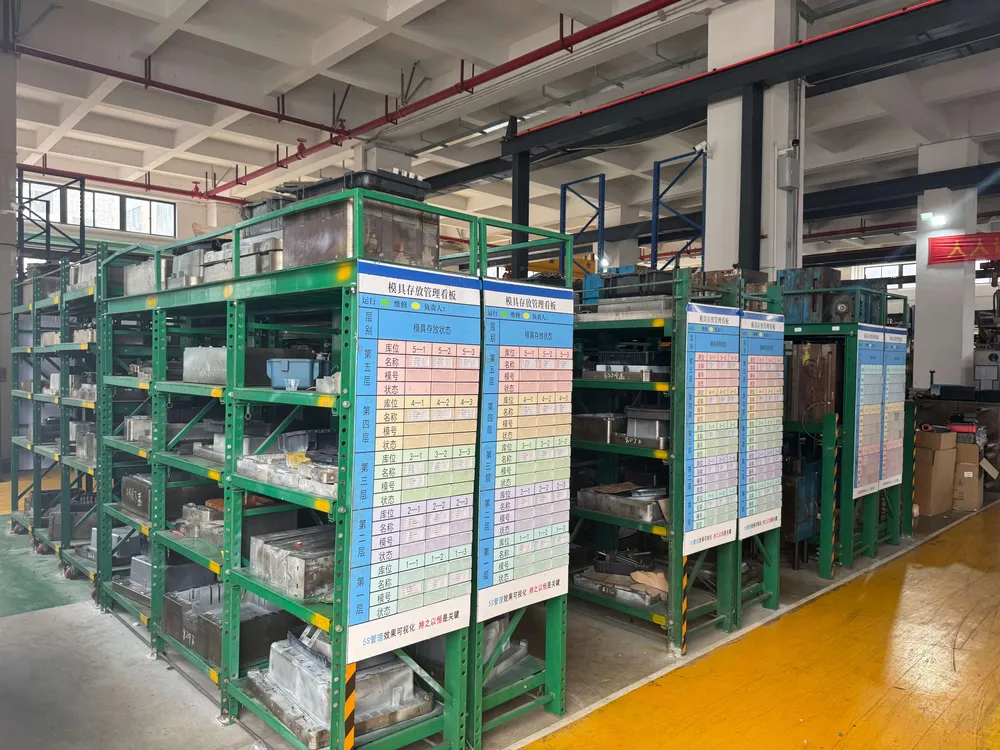
- Ownership. Who owns the tool, and from when. State it explicitly rather than relying on who paid.
- Exclusivity. Whether the mould may be used to produce for anyone else. Without an exclusivity clause, your custom geometry can appear in a competitor's catalogue.
- Transfer rights. Whether you may move the tool to another moulder, and on what notice and terms.
- Custody and maintenance. Where the tool is kept, who maintains it, and what happens after a period of inactivity.
Intellectual Property Beyond the Tool
Tooling ownership is separate from design rights. A distinctive case shape, surface pattern or ornamental feature may be protectable as a registered design in the markets where you sell; a name or logo is protected as a trade mark. Registration is territorial, so protection has to be secured in each relevant market.
Practical steps: register before disclosure where possible, use confidentiality terms before sharing drawings, and keep dated records of your own design development. Note that this is general information rather than legal advice — for a specific project, have the terms reviewed by a qualified professional in the relevant jurisdiction.
Why This Belongs Before Tooling Starts
Once steel is cut, leverage changes. Negotiating ownership after the investment is made is a different conversation from agreeing it beforehand, and the cost of an unclear clause is usually discovered at exactly the wrong moment — when you want to move production or when a similar product appears elsewhere.
For the cost side of the decision, see when a new mould actually pays off.