

Protect the Product, Lift the Brand
Most teams keep two costs in separate places: the carton invoice, and the credits issued for goods that arrived cracked. Merge them onto one page and the question stops being philosophical. It becomes arithmetic — how many points of packaging spend buy back how many points of damage. What follows is that worksheet, from the figures that go in to the unboxing sequence and the three lines worth printing on a purchase order. None of it needs a redesign; most of the movement comes from four decisions taken before the first sample is cut.
01Plotting damage against spend
Put packaging cost as a share of goods value on the horizontal axis; most programmes sit between 1.5% and 4.5%. Transit damage goes on the vertical, commonly 0.8% to 3%. Where the two curves meet is not an optimum. It is the point where additional spending stops buying much: lifting outlay from 1.5% to 3% usually cuts breakage sharply, while pushing on toward 4.5% flattens into noise.
Breakage is never just the product. Add return freight, the labour of working a complaint, and the packaging consumed by one reshipment. Those four together tend to run 3 to 8 times the price of a single carton, which is why a half-point drop in damage pays for more packaging than instinct allows. If losses cluster on one lane, rebuild that insert rather than thickening every box.
02A 1.2 m drop across six faces sets the insert
The reference is 1.2 m onto concrete, once per face, plus edges and corners. That models a carton slipping from waist height, not the worst a sorting hub can deliver. Pass or fail is not about dents. It is about recovery: load the same spot 3 to 5 times, release, and the foam should climb back to 90% of original thickness inside ten seconds.
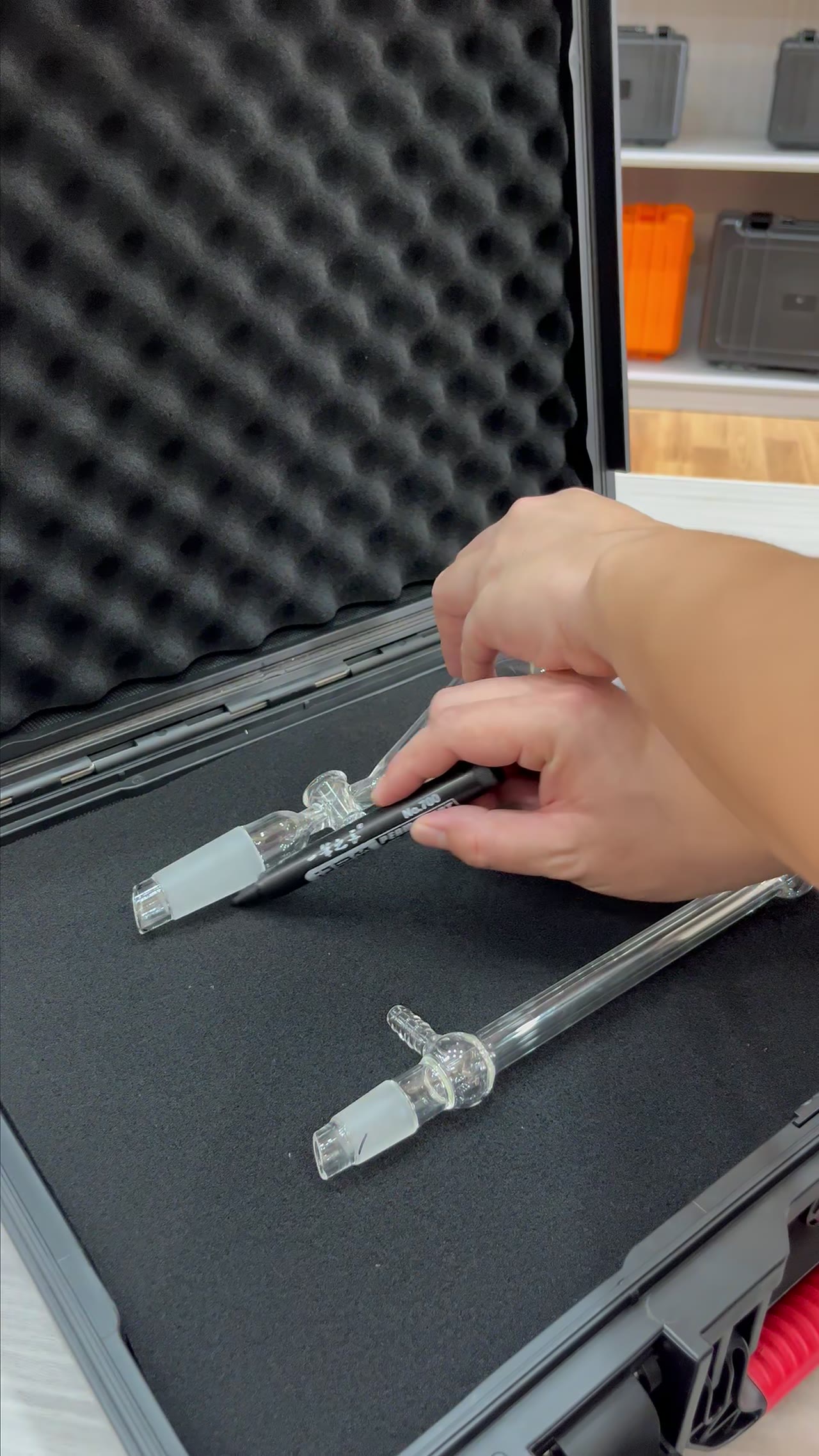
Thicker foam is not automatically safer. It spreads impact over a wider area, but it also eats internal volume and makes extraction tight. Judge with residual compression after the drop. Past 15% of original thickness, the grade is thin; below 5% while the item already needs force to pull free, step down a grade. Read both, or the cost lands somewhere you did not intend.
03Counting the unboxing sequence
From the moment a carton is received to the moment the product is in hand, hold it to 4 to 6 steps and 20 to 40 seconds. The count is literal: cut tape, open the outer, slide out the inner box, lift the lid insert, take the pouch, lift the product. Anything beyond six is usually removable — a sleeve, an extra wrap, a sticker that must be peeled before anything else can move.
The path should run one direction only. Every opening motion faces the same way, the product slides out along a straight line, nothing gets flipped halfway. Leave at least 8 mm between the blade path and anything fragile. Tape should never sit directly over the product or over the load-bearing edge of an insert. Each extra 10 seconds comes back later as a review about difficult opening.
04A second trip hinges on the latch
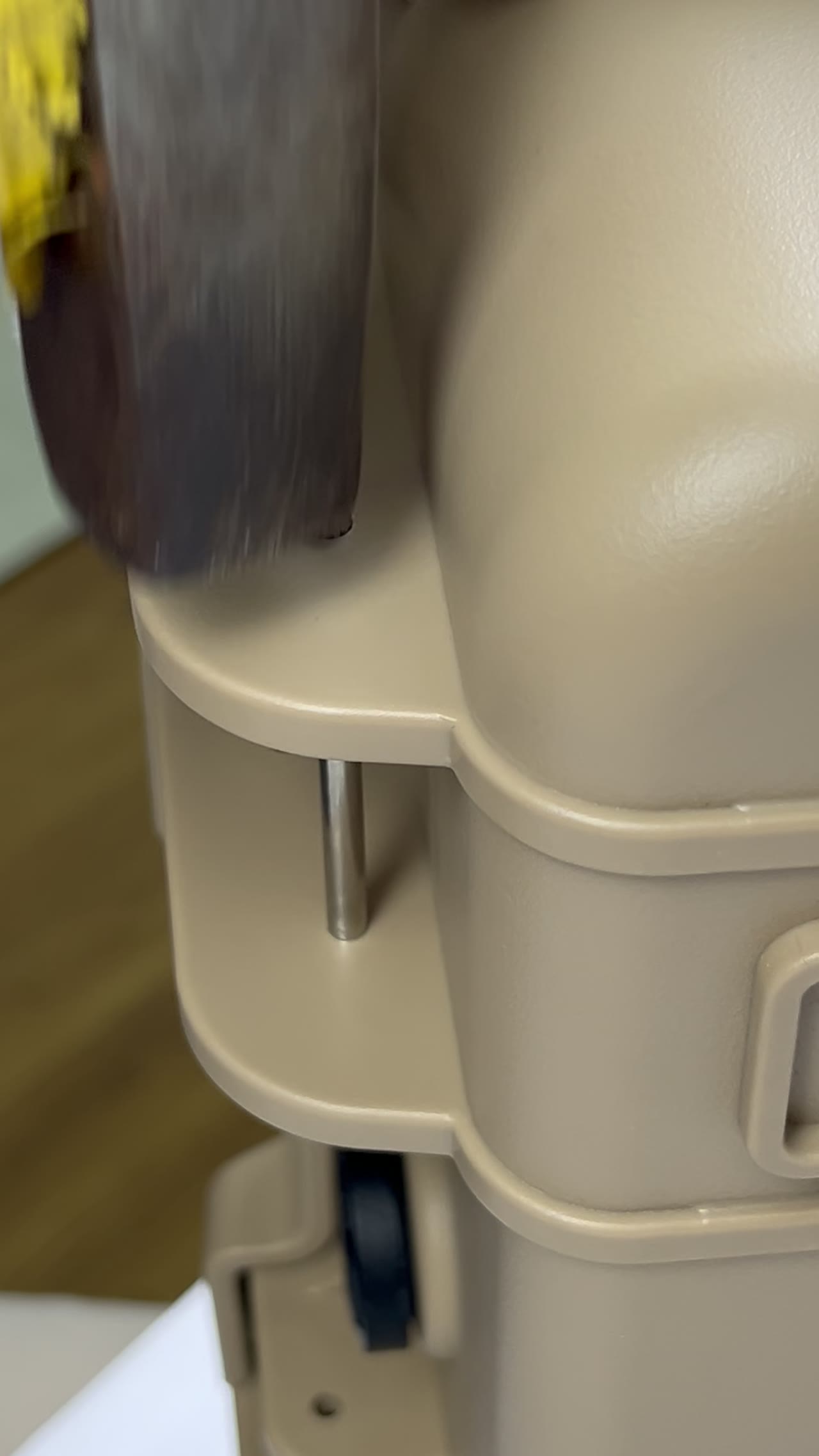
Reuse rate is the share of buyers who keep the case after unpacking; it typically runs 60% to 85%. What separates the top of that range from the bottom is hardware, not print. A latch should survive more than 200 open-close cycles without going slack, and a hinge should not crack between −10 ℃ and 45 ℃. Fail either and the case is scrap the moment it opens.
Shipping weight per unit usually falls between 0.4 kg and 1.2 kg. Paper and foam dominate the figure, but the small hardware decides service life. Raising reuse is less about removing material than reinforcing two points: a latch that moves from single to double, a hinge that gains ribs. Under 0.1 kg of added mass can double cycle life, and every 10 points of reuse is one batch of new cases not shipped.
05Three criteria for the purchase order
Write three lines, all measurable. After a 1.2 m six-face drop, foam returns to at least 90% of thickness over 3 consecutive cycles. Unboxing stays at 6 steps or fewer and 40 seconds or under, timed five times by someone who has never handled the product, median recorded. Latches show no play and no rattle after 200 cycles. Then add the ceiling: packaging at 4.5% of goods value or less.
Hit all four and packaging does two jobs at once — damage under 1%, opening under 40 seconds, a case the buyer keeps. Miss one and fix that one alone. Changing several at the same time destroys the baseline, and without a baseline nobody can say which change actually paid for itself. Fix the order first, then the price, then compare.
| Transit damage rate | 0.8–3% |
|---|---|
| Packaging cost / goods value | 1.5–4.5% |
| Unboxing steps | 4–6 steps |
| Carton to product in hand | 20–40 s |
| Drop reference | 1.2 m, six faces |
| Insert recovery cycles | 3–5 cycles |
| Reuse rate after unpacking | 60–85% |
| Packaging weight per unit | 0.4–1.2 kg |
FAQ
How much packaging spend is enough?
Judge the margin, not the total. Going from 1.5% to 3% of goods value usually moves damage a lot; pressure toward 4.5% mostly flattens the curve. Price the whole damage bill, including goods, return freight, complaint labour and one reshipment of packaging, and the budget becomes obvious.
Why use a 1.2 m drop rather than something higher?
That height matches a carton slipping from waist level, which is the drop most orders actually see. Going higher pushes the insert into overdesign: less internal room, tighter extraction, more mass. Extreme sorting conditions are handled by outer board strength and stacking pattern, not by endless foam.
What counts as an unboxing step?
One motion is one step: cut the tape, open the outer, slide out the inner box, lift the lid insert, take the pouch, lift the product. Anything past six means hunting for a removable layer. Time from first touch to the product clear of the insert, measured five times by a first-time user.
How is reuse rate actually measured?
Sample buyers 30 days after delivery and ask one question: is the case still around? Keeping it counts once. Sample per batch, since under 100 responses is a trend rather than a number. When reuse is low, check latch cycles and hinge behaviour in the cold first, print last; the reverse order wastes the fix.