

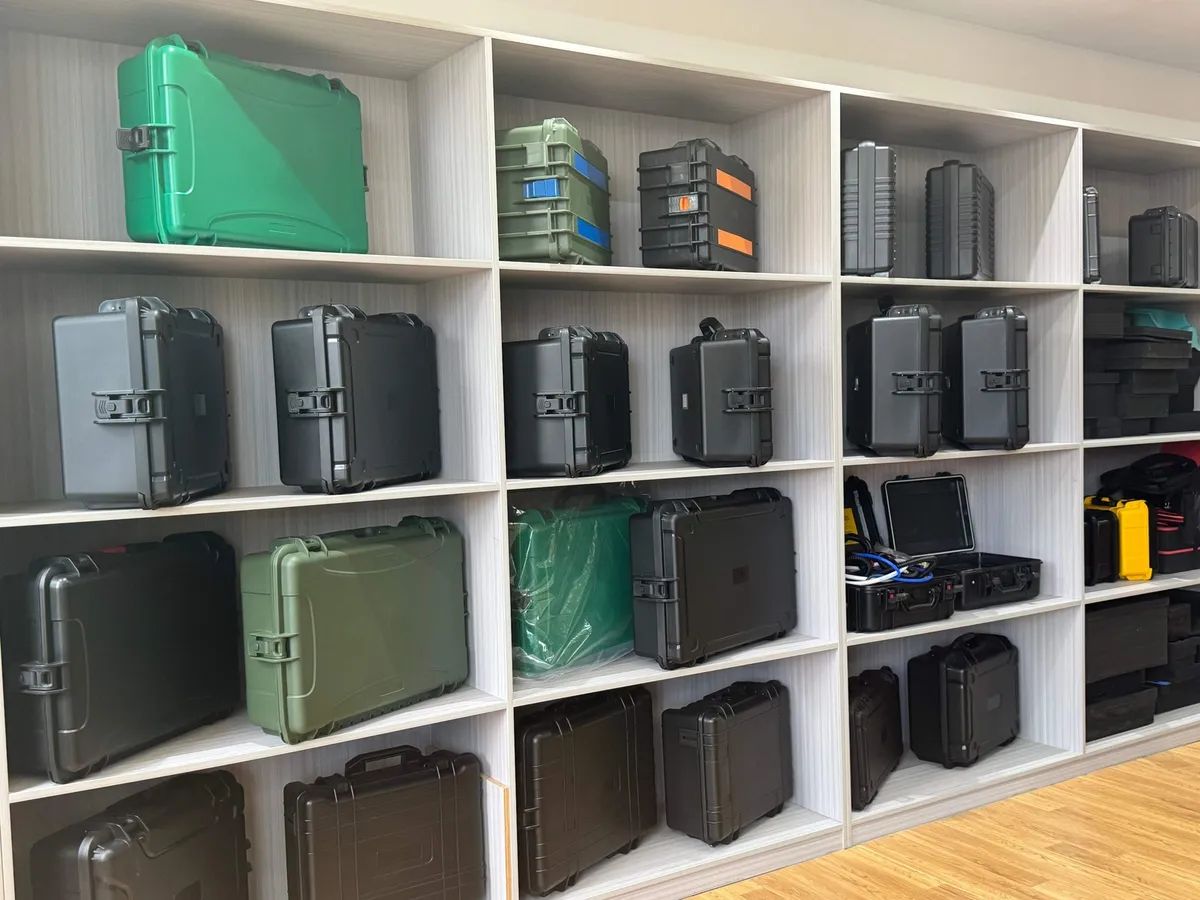
One case is a container. Twenty cases are an asset pool, and an asset pool without identification becomes a cost: things go missing, ownership is unclear, maintenance is reactive, and nobody knows what is where. The good news is that a usable identification system is not complicated - it just has to be designed before the cases are marked, not after.
Three layers of identification
Most systems fail because they only do the first layer.
- External identity. A code on the case that answers which case is this.
- Internal identity. Cavity labels and a contents card that answer what belongs in here and what is missing.
- Data identity. A register that answers where it is, who owns it, and when it was last checked.
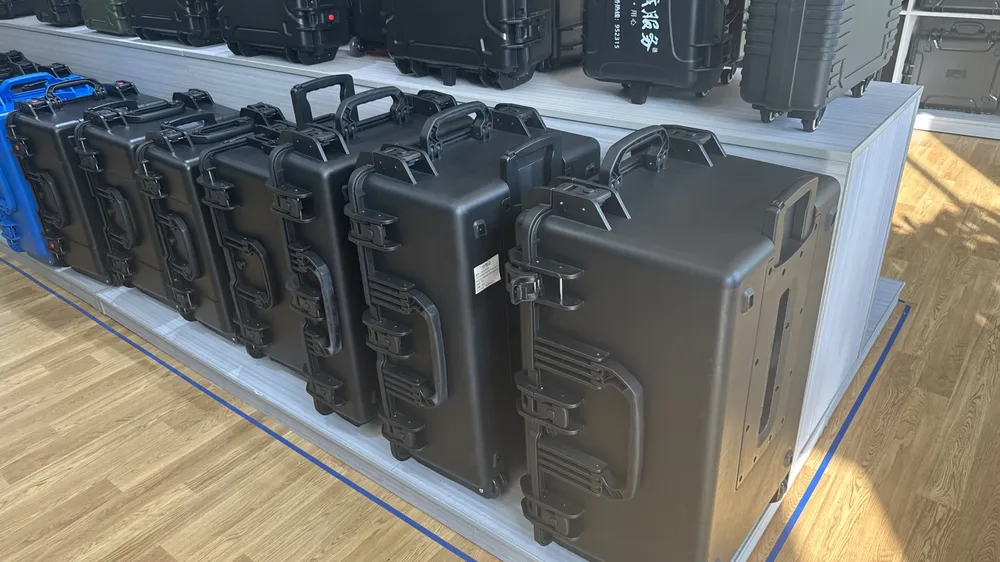
The three layers only pay off together. A code with no register is decoration, and a register with no durable code drifts out of sync the first time a label comes off.
Coding rules that survive
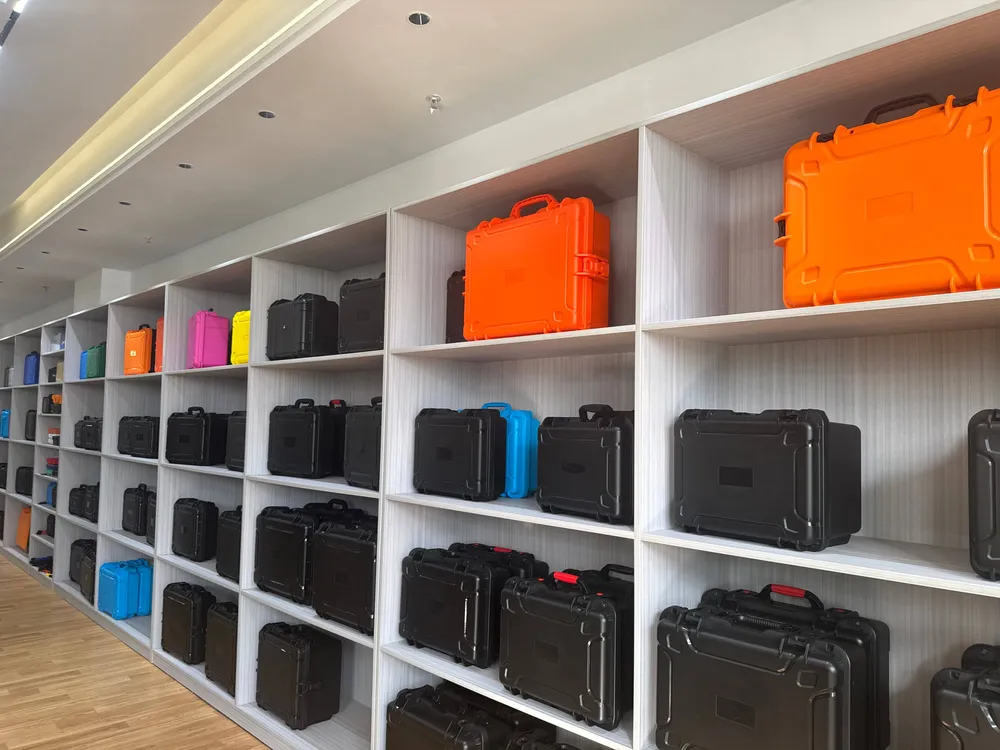
A code should be short enough to read aloud over a radio and structured enough to be sorted. A practical pattern combines a location or crew, a category, and a sequence number - for example a crew prefix, a two-digit type, and a three-digit serial.
| Rule | Why | What goes wrong if ignored |
|---|---|---|
| Put the primary code on the body | Lids get separated and swapped | The code identifies the wrong case |
| Make it readable when stacked | Audits happen in stacks, not on a bench | Every audit means unstacking everything |
| Keep it short and speakable | Teams call codes out loud | Long codes get abbreviated and drift |
| Separate identity from content | Contents change over a case's life | Recoding breaks the repair history |
| Never reuse a retired code | History attaches to the code | Maintenance records end up on the wrong asset |
Choosing the marking method
There is no best method, only a method matched to the duty cycle. The deciding questions are how long the fleet will serve, whether cases get washed or dragged, and whether the code needs to change.
| Method | Durability | Changeability | Best for |
|---|---|---|---|
| Pressure-sensitive label | Lowest - edges lift, prints fade | Easiest - print and apply | Short projects, one-off shipments, temporary numbering |
| Screen printing | High - ink bonded to the surface | Fixed - needs a new screen | Permanent fleet codes and logos on a stable design |
| Thermal transfer onto a durable film | Medium to high - depends on the film | Easy to print variable data | Serialised codes where each case differs |
| Laser marking | High - marks the material itself | Fixed - cannot be undone | Harsh duty cycles, washing, abrasion |
| Engraved or etched plate | Highest - mechanical, replaceable | Replaceable plate | Harsh environments where the code must survive the case |
| Moulded-in or insert identification | Permanent | Fixed at tooling stage | Very large runs with a stable identity scheme |
Printing a brand logo and printing an asset code are different jobs. Logo work is about appearance and placement; asset marking is about surviving the duty cycle and being readable in a stack. They can use different methods on the same case, and often should.
QR, barcode or RFID
| Carrier | Reading | Infrastructure | Best for |
|---|---|---|---|
| QR code | Line of sight, any phone | None beyond a phone | Most fleets; links a code to a register record |
| Linear barcode | Line of sight, needs a scanner | Scanner required | Existing warehouse systems already built around barcodes |
| RFID | No line of sight, batch reading | Reader plus tags, plus care around metal and liquid | Large fleets audited frequently where speed pays for the setup |
Start with the cheapest carrier that your audit frequency justifies. Most teams over-build here: a QR code that a phone can read, backed by a register, solves the actual problem for a fraction of the cost.
Make absence visible
The highest-value part of internal labelling is not naming things. It is making it obvious at a glance when something is missing.
- One cavity per item, so an empty cavity is itself the signal.
- Outline or shadow marking of the item in or around its cavity.
- A contents card inside the lid, fixed so it cannot fall into the contents.
- Cavity labels for consumables, where an item looks similar to its neighbour.
Tamper evidence
Where a case carries calibrated, sealed or high-value contents, a numbered tamper seal or a one-use tie gives you something a latch cannot: evidence that the case was opened. It turns a dispute about whether something was touched into a checkable fact, and it costs almost nothing.
Linking identity to maintenance
The same code that identifies the case should be the key for its service history. When a latch is replaced, a gasket renewed, or foam re-cut, record it against that code. Over a few years this turns into the data that tells you which models cost you the most to keep in service - which is exactly what you want to know at the next purchase.
Implementation sequence
- Decide the coding scheme, and write it down before anything is marked.
- Choose the marking method against the real duty cycle, and test one case first.
- Mark the body, and repeat on the lid only as a convenience.
- Build the register with one row per case: code, contents, owner, location, last audit, next action.
- Add internal cavity identification and a fixed contents card.
- Run one full audit, fix what the audit exposed, then set a cycle you will keep.
- Record every repair and spare part against the case code from that point on.
The best system is the one that still gets maintained after six months. Prefer a simple scheme executed consistently over a sophisticated one that nobody updates.
Related Products
- 9 Series — Precision Instrument Cases; Hardware Tool Cases; Medical Equipment Cases
- WL9-2811 PP Precision Instrument Case — model WL9-2811
- All protective cases and toolboxes: 7 series, 158 models