

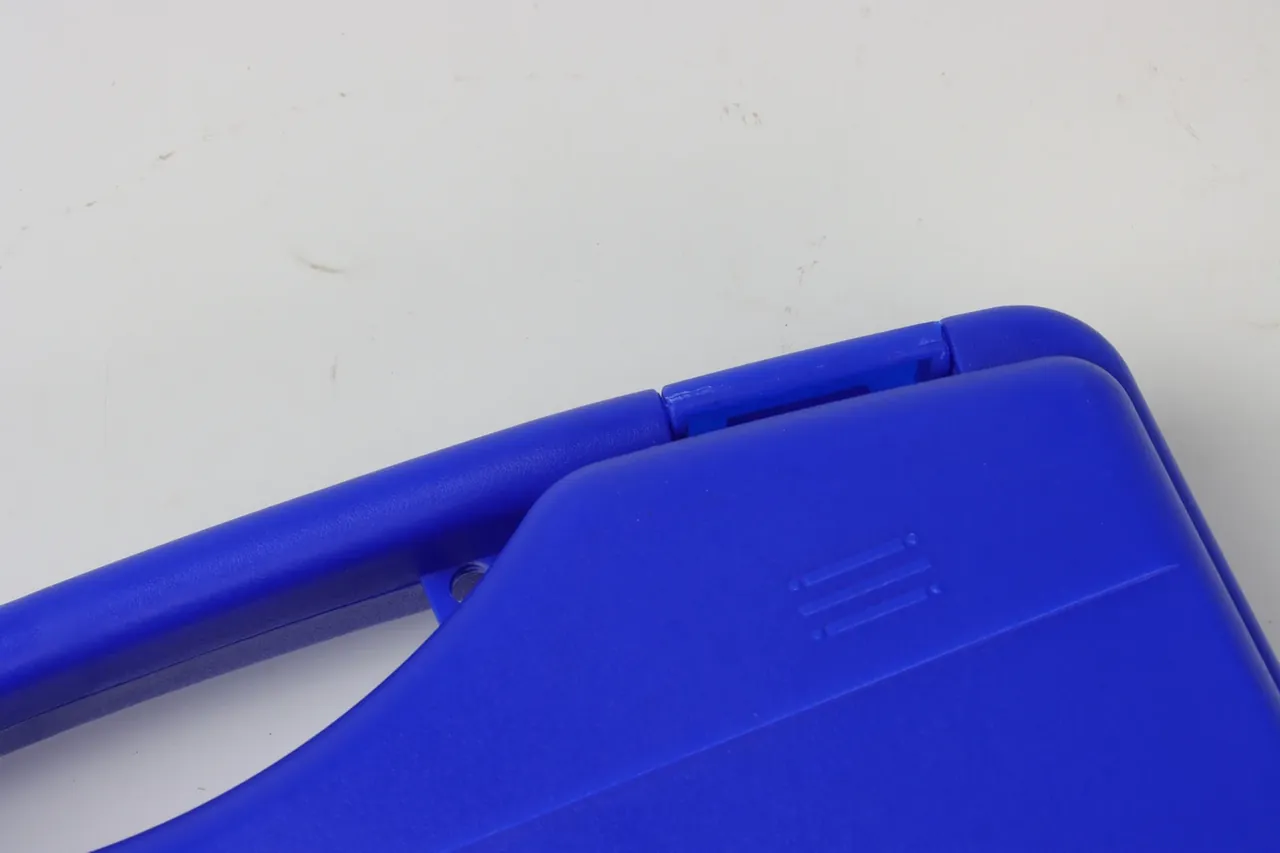
Quick answer: Warranty Terms differ less in years than in what they list: 24 months covers shell and latches, while 60 months adds gaskets, three replacements and return freight.
Table of contents
- Where the Two Papers Differ
- Four Covered Parts and Their Service Life
- The Four Exclusions
- Who Decides, Who Pays Freight
- Cost per Year and Three Sentences
- FAQ
1. Where the Two Papers Differ
Two quotes sit on the desk: one says 24 months, the other 60, a gap of USD 6.5 per case, about 12 percent. Split the columns and the difference is not the years but the thickness of the parts list.
The 24-month text runs to four lines: shell replaced if it cracks or deforms, latch when it stops engaging, gasket a wear part with 6 months, wheels against a seized bearing only. The 60-month text rewrites all four and turns one replacement into three.
Why promise 48 months on the same 4 mm wall? Because the longer paper writes down conditions: indoor storage, no detergent below pH 3, one airtightness re-test a year.
| Part | 24 months | 60 months | Value |
|---|---|---|---|
| Shell | Crack or deformation | Adds hinge wear | 0.8 mm |
| Latch | Stops engaging | Force decay covered | 180 N |
| Gasket | 6 months, no debond | 3 swaps in 48 months | 0.3 bar drop |
| Wheels | Seized bearing | Tread wear by value | 2 mm |
Judgement values say more than the calendar: 0.8 mm hinge wear, 180 N latch force, a 0.3 bar drop over 60 seconds, 2 mm tread.
2. Four Covered Parts and Their Service Life
Convert everything to duty cycles and the papers separate. A 25 kg case going out 3 times a week with 4 openings each reaches 3,120 openings in 5 years, against a hinge rated 12,000 cycles.
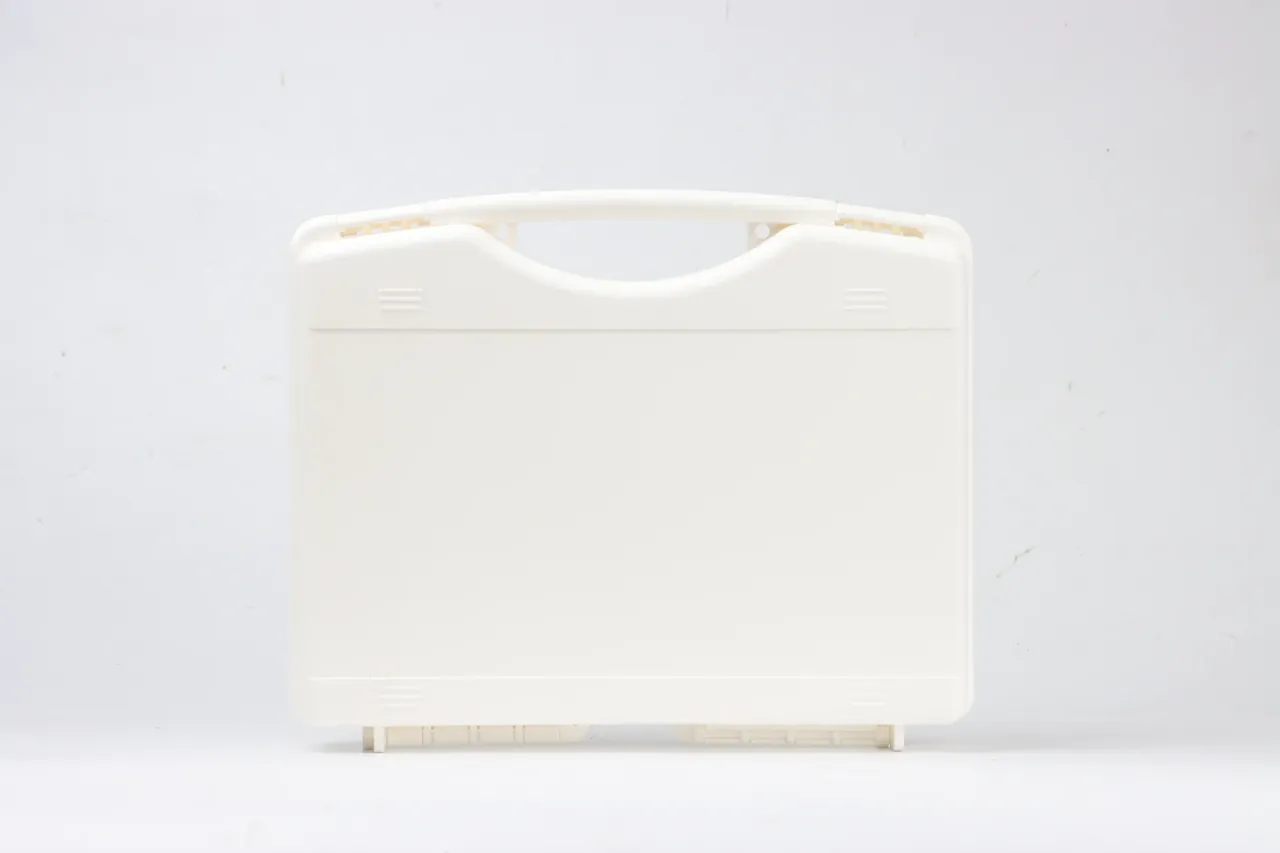
The shell is not the frequent failure in either paper; the latch and gasket are. A latch rated 8,000 cycles at 300 N loses about 15 percent of its force by 3,120 cycles, and roughly 6 percent sit under 180 N at year five.
The gasket is plainer: compression set hits 30 percent at 24 months, and the sealing drop climbs from 0.02 bar to 0.07 bar.
At USD 2.5 a strip and 2 strips in 5 years, USD 5 buys back a 0.05 bar difference, while one water ingress repair runs to USD 36. Wheels cross their limit near 30 months, so the longer paper covers them by wear value, not by date.
3. The Four Exclusions
| Event | Trigger | 24 months | 60 months | Evidence |
|---|---|---|---|---|
| Overload | 1.5 times the rating | Excluded | Excluded | Dated weigh ticket |
| Chemical attack | Detergent below pH 3 or above 11 | Excluded | Excluded | Retained wipe cloth |
| UV ageing | 2,000 hours outdoors | Excluded | Waived for 24 months | Irradiation log |
| Modification | 4 or more holes, third-party latch | Excluded | Excluded | Strip-down photos |
Overload is measured against a 25 kg rating; 38 kg on the scale is 1.5 times, so a cracked shell is not paid. Chemical attack is read from detergent pH, and anything below 3 or above 11 falls outside cover. UV ageing counts accumulated hours, with 2,000 outdoors as the line; the long paper waives that exclusion for 24 months, then credits a replacement at 50 percent. Modification means 4 or more holes, a third-party latch or added metal corners, and any one ends cover for the whole case.
Burden of proof is the clause nobody reads: buyer-first means the customer pays for a test, supplier-first means a refusal within 7 working days.
4. Who Decides, Who Pays Freight
Whoever holds the judgement decides where a dispute goes. Supplier laboratory only: 5 working days, and the buyer has almost no route to appeal. Third-party laboratory: USD 170 and 10 working days. One report from each side, worse report wins: the cycle stretches to 20 working days.
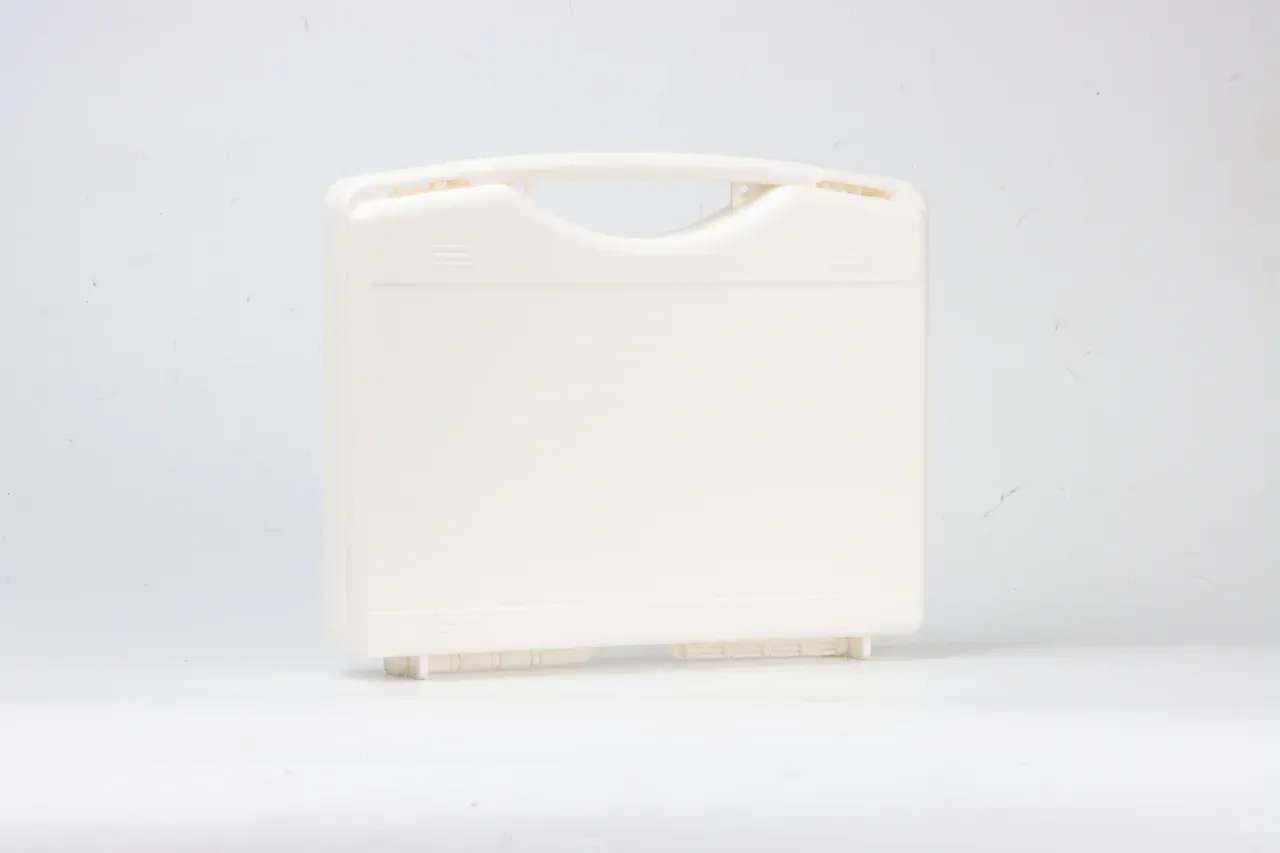
Freight is the second hidden cost. A 24-month paper leaves the outbound leg with the buyer, USD 18 each way on a 25 kg case. The 60-month paper takes both legs at USD 36, against an unboxing video and photos of the fault.
Six failures in a batch of 40 cases means USD 216 in carriage, close to four new cases.
5. Cost per Year and Three Sentences
At USD 55 with 24 months, the gasket is covered for 6 months only, so 5 years of self-paid parts comes to about USD 14. At USD 61.5 with 60 months, the same 5 years comes to about USD 2.6.
| Option | Case price | Parts, 5 years | 5-year total | Per year |
|---|---|---|---|---|
| 24 months | USD 55 | USD 14 | USD 69 | USD 13.8 |
| 60 months | USD 61.5 | USD 2.6 | USD 64.1 | USD 12.8 |
The short paper totals USD 69 over five years, the long one USD 64.1; the USD 4.9 gap over 3,120 openings is 0.16 of a cent per close.
Three sentences belong in the contract. The first fixes the start date at arrival signature, not shipment, since 45 days at sea would otherwise be donated. The second chooses repair or replace: a first failure may be repaired within 15 working days, a second failure of the same part is replaced within 5. The third sets response: acknowledgement within 48 hours, written determination within 7 working days, or the claim is paid by default.
Conclusion
The distance between two years and five is four lines of parts, four exclusions and one freight bill. Four checks decide it: values in the parts list, a gasket at 6 or 48 months, judgement and carriage, and a start date with repair and response rules. Meet all four and the years mean something; without them, 60 months is 36 extra months on paper.
Related Reading
- Six concession points in warranty negotiation
- Payment terms and credit lines for case orders
- AQL sampling for custom case acceptance
- Incoming inspection for full batches
Related Products
- 8 Series — Gun Cases; Military Equipment Cases; Camera Equipment Cases; Drone Cases; Watch Cases; Knife Cases; First Aid Cases; Electronics Equipment Cases
- WL8-2812 PP Gun Case — model WL8-2812
- All protective cases and toolboxes: 7 series, 158 models