

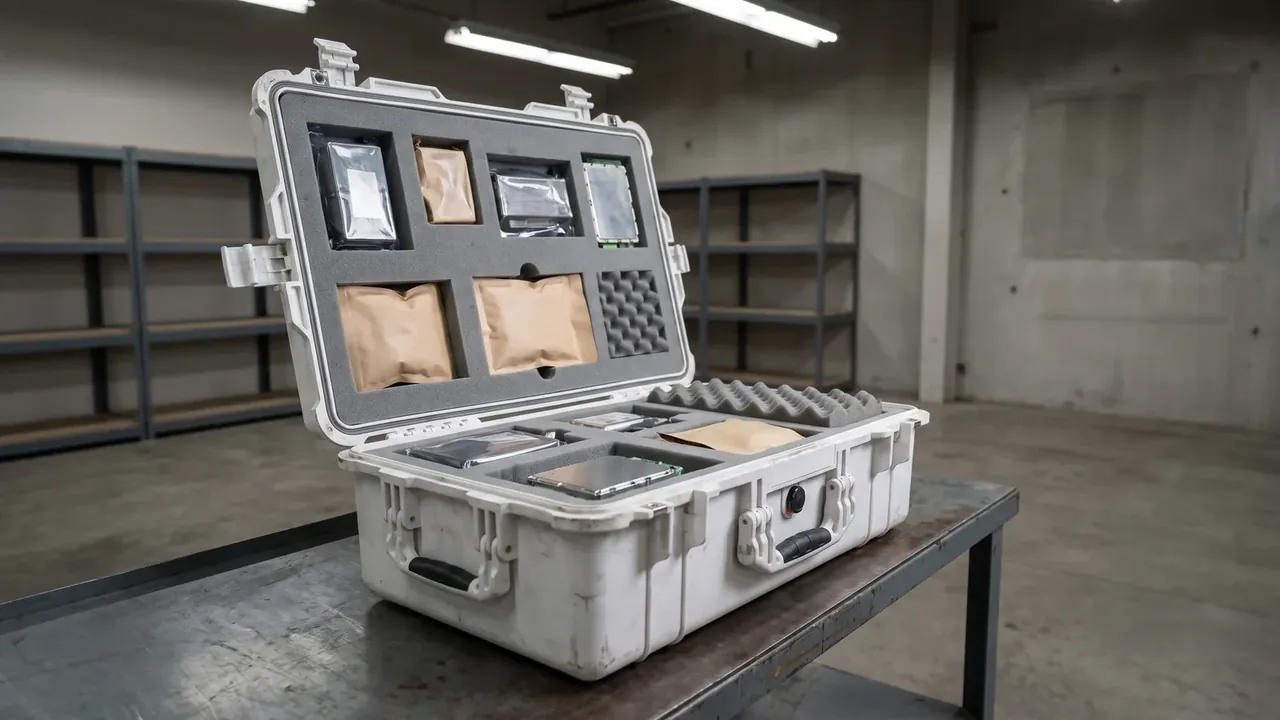
Quick answer: A Custom Protective Case Manufacturer should price tooling and piece cost on separate lines. A 42 000 aluminium mould spreads to 210 per case at 200 units and 84 at 500, new-tool MOQ is 200, and three trial shots plus a 12-point first article must clear first.
Table of contents
- What the Quote Contains
- Tooling Ownership, Tooling Cost and Custom MOQ
- Trial Shots and the 12-Point First Article
- Change Orders: Unit Price and Cycle
- From Sample to Mass Production
- FAQ
1. What the Quote Contains
Ask a Custom Protective Case Manufacturer for six lines: moulding, tooling amortisation, foam, hardware, trials and overhead. Merged into one figure, the tooling hides in the piece price.
Moulding runs on pellets and machine hours: a 620×480×360 mm body weighs 4.6 kg, so pellets at 11.2 reach 51.5, and a 1 250-tonne press at 110 seconds and 380 per hour adds 11.6, near 90 with labour.
| Cost block | 200 units | 500 units |
|---|---|---|
| Moulding | 90 | 84 |
| Tooling amortisation | 210 | 84 |
| Foam, EVA 45 kg/m³ | 76 | 63 |
| Hardware, inserts | 38 | 34 |
| Trials, first article | 26 | 11 |
| Overhead, 12 percent | 53 | 33 |
At 200 units the total is 493, at 500 it is 309; 126 of the gap is tooling.
2. Tooling Ownership, Tooling Cost and Custom MOQ
Whoever pays for the tool owns it. Buyers pay in full and hold title, the mould staying on site but barred from other orders; a shared deal splits both. A blank ownership field is the thing to reject.
Aluminium at 42 000 holds 30 000 shots, or 1.4 per case; steel at 118 000 holds 200 000 at 0.59. Below 3 000 units a year a Custom Protective Case Manufacturer should stay with aluminium, since the 76 000 premium needs 130 000 units.
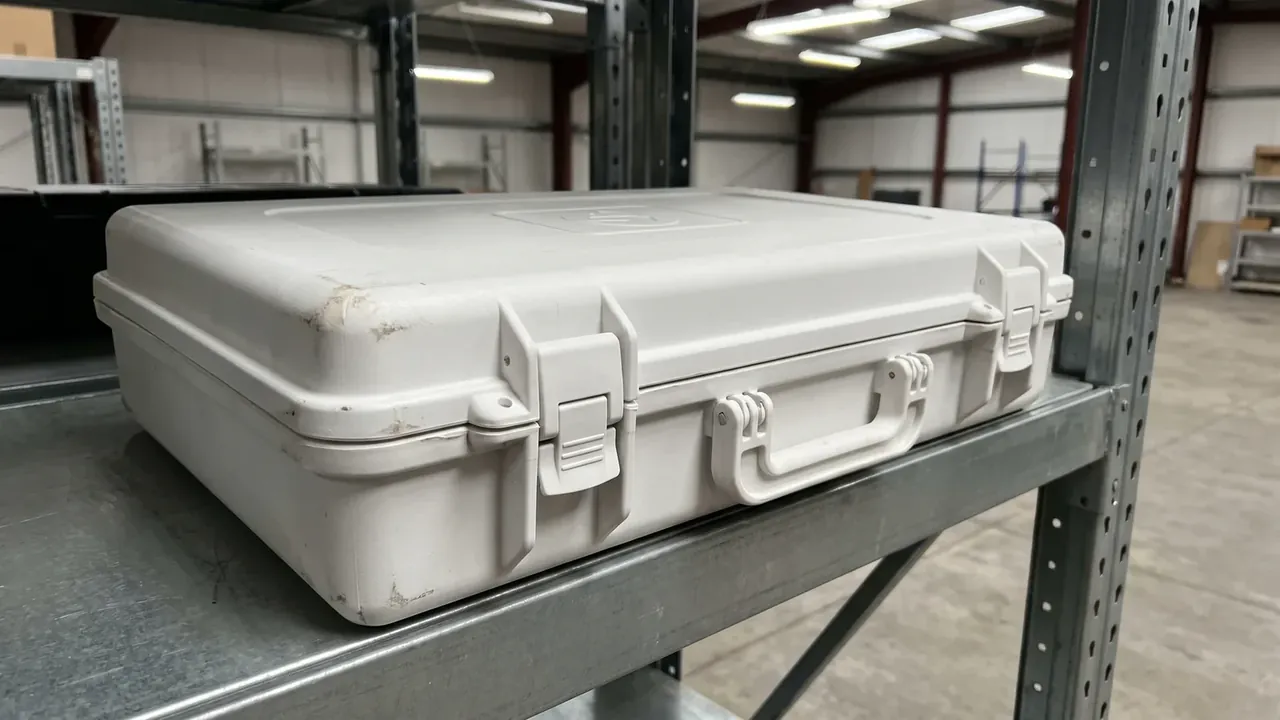
Custom MOQ splits three ways: new tooling from 200, because trials cost 32 000; a colour change on an existing mould from 100, with 40 minutes of purging; printing alone from 300, since a two-colour screen costs 600 at any volume.
3. Trial Shots and the 12-Point First Article
Trial shots test the mould, not the look: shot one reads fill and warpage, shot two dimensional drift, shot three batch stability, two to four days apart. Trials past the third cost 1 800, so fix the allowance.
The Custom Protective Case Manufacturer should fix the first article at 12 checkpoints, eight measured in-house.
| Checkpoint | Limit | Method |
|---|---|---|
| Cavity length, width | ±0.8 mm | CMM |
| Cavity depth | ±0.5 mm | Depth gauge |
| Wall thickness | 2.8 to 3.2 mm | Ultrasonic, 9 points |
| Latch closing force | 60 to 90 N | Force gauge |
| Seal retention | 30 kPa, 60 s | Leak bench |
| Insert pull-out | 1 200 N | Tensile |
Closing force is a window: under 60 N a latch pops open in transit, over 90 N a Custom Protective Case Manufacturer cannot press it with a glove on.
4. Change Orders: Unit Price and Cycle
Changes are priced by location, not by the set: a cable port is minor at 1 200 and three days, a slider is medium at 4 800 and five, a cavity resize is major at 16 000 and nine. Past the third change the bill passes 40 percent of a new mould.
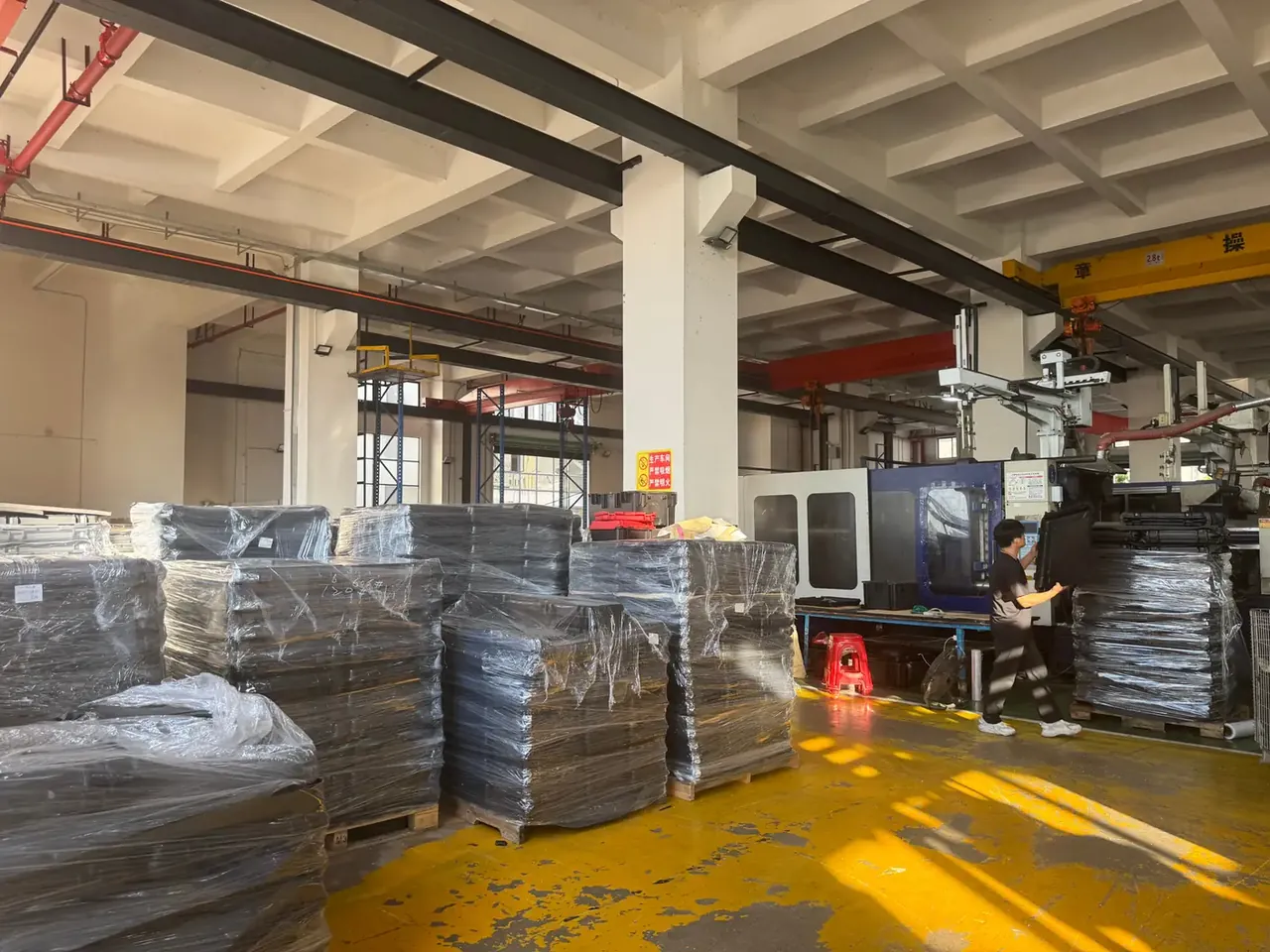
A Custom Protective Case Manufacturer gives two free trial rounds and bills the first production change. A major change returns to the 22-day tooling stage, and rush work at 2 600 per press day doubles it.
5. From Sample to Mass Production
Six nodes carry a programme, each with a date.
| Node | Days | Deliverable |
|---|---|---|
| Drawing sign-off | 3 | 2D drawing |
| Prototype | 8 | One CNC shell |
| Tooling | 22 | Aluminium mould |
| Trial shots | 6 | FAI report |
| Pilot run | 9 | 200 units |
| Mass production | 12 | 500 units |
The chain is 60 days. Four options carry preconditions: a cavity moving over 60 mm needs a new tool; dark colours show flow lines at a 3.0 mm wall, so 0.2 mm is added; printing clears ribs at a 0.6 mm line; foam is cut 0.5 mm under the measured cavity, holding firm at 45 kg/m³.
Conclusion
Custom procurement turns on separating one-time spend, verification and release pace. Tooling spread by volume, a 12-point first article, changes priced by location and nodes signed off against deliverables make quotes comparable. A Custom Protective Case Manufacturer willing to sign those four clauses is worth a second year of volume.
This article discusses only the container (case body) side of specifications and design intent, and does not cover any handling, loading or use of the contents.
Related Reading
- Drawings and samples to settle before tooling
- What trial moulding data to record
- How first article approval runs
- Pricing logic for small custom batches
Related Products
- 8 Series — Gun Cases; Military Equipment Cases; Camera Equipment Cases; Drone Cases; Watch Cases; Knife Cases; First Aid Cases; Electronics Equipment Cases
- WL8-2812 PP Gun Case — model WL8-2812
- All protective cases and toolboxes: 7 series, 158 models