

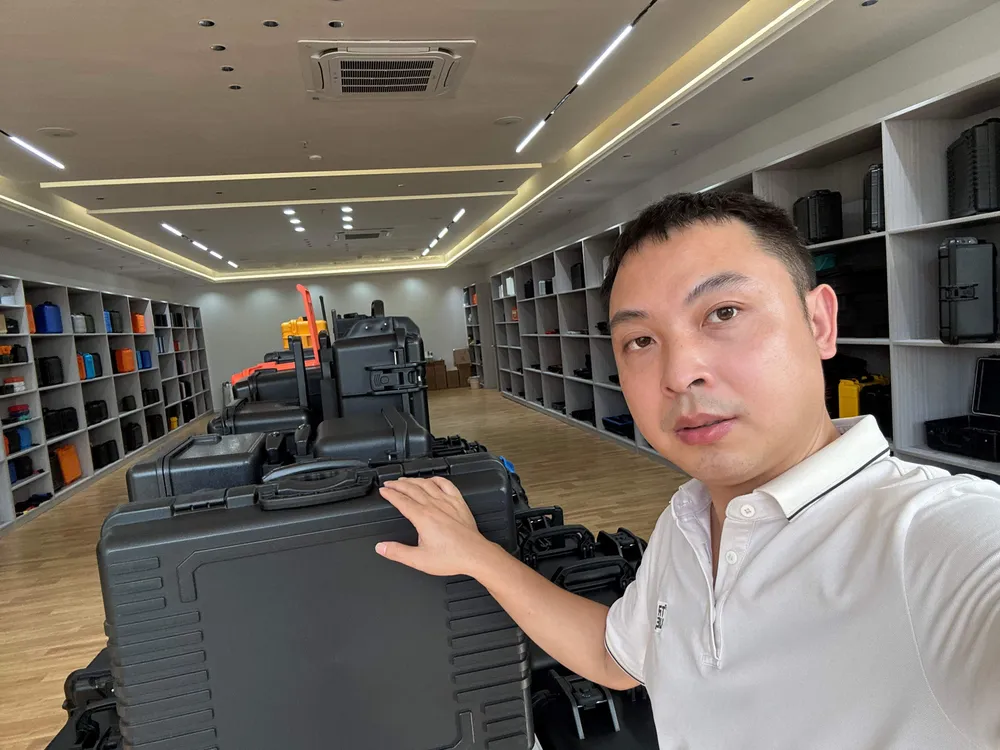
Ask what actually sends a case out of service and the answer is rarely a broken shell. It is a latch that will not stay closed, a hinge that has worn sloppy, or a fastener that has worked loose and been lost. Hardware is the wear item in a protective case, and it deserves the same design attention as the moulding.
Hinge Types
| Type | Characteristics | Consideration |
|---|---|---|
| Metal pin hinge | Strong, serviceable, long wearing | Adds parts and cost; pin retention matters |
| Moulded integral hinge | Few parts, no corrosion, low cost | Fatigue life depends on design and material |
| Removable hinge | Lid can be detached completely | Convenient access, but introduces a failure and loss point |
Hinge design is partly about the axis: if the lid and shell do not share a clean rotation axis, the hinge fights itself on every opening and wears prematurely.
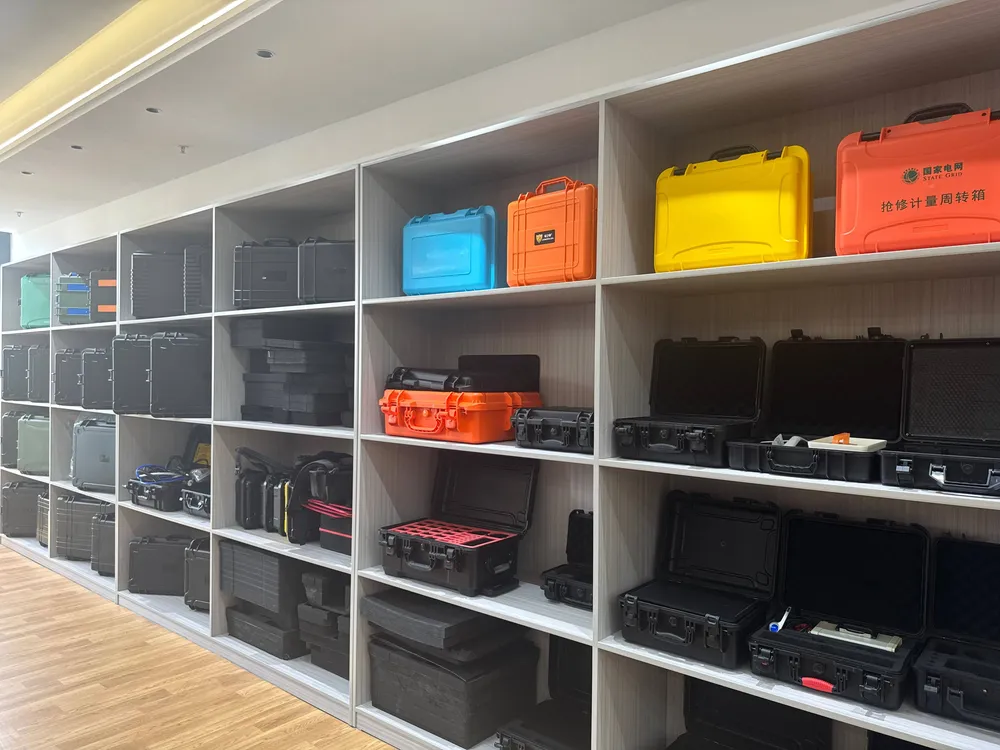
Latch Types and What They Give You
- Over-centre cam latches — pull the lid down as they close, which actively compresses the gasket. Good where sealing matters.
- Simple snap or clip latches — fast and cheap, but they hold rather than clamp; sealing depends more on the gasket's own compression.
- Compression or draw latches — adjustable clamping force, used where a seal must be maintained over a long line.
- Recessed or protected latches — sit flush to avoid being knocked open during handling.
The Three Failure Modes
- Fatigue. Repeated opening cycles crack latches and hinges at stress concentrators. A latch opened ten times a day accumulates thousands of cycles a year.
- Wear. Pivots, cams and sliding surfaces lose material, and the action degrades — often gradually enough that users compensate without noticing until clamping force is gone.
- Unintended opening. A latch that can be knocked open in transit defeats every other aspect of the design. Recessed geometry and positive latching matter here.
Designing for Service, Not Just for Strength
The most durable case is one whose hardware can be replaced. Specify latches and hinges as replaceable parts with available spares, check that they can be changed with common tools, and confirm spare availability before committing to a fleet. A case retired because a five-dollar latch is unavailable is a specification failure, not a product failure.
When specifying materials for these parts, the trade-offs are covered in our guide to latch and hardware materials, and what to hold in stock is set out in case repair and spare parts.