

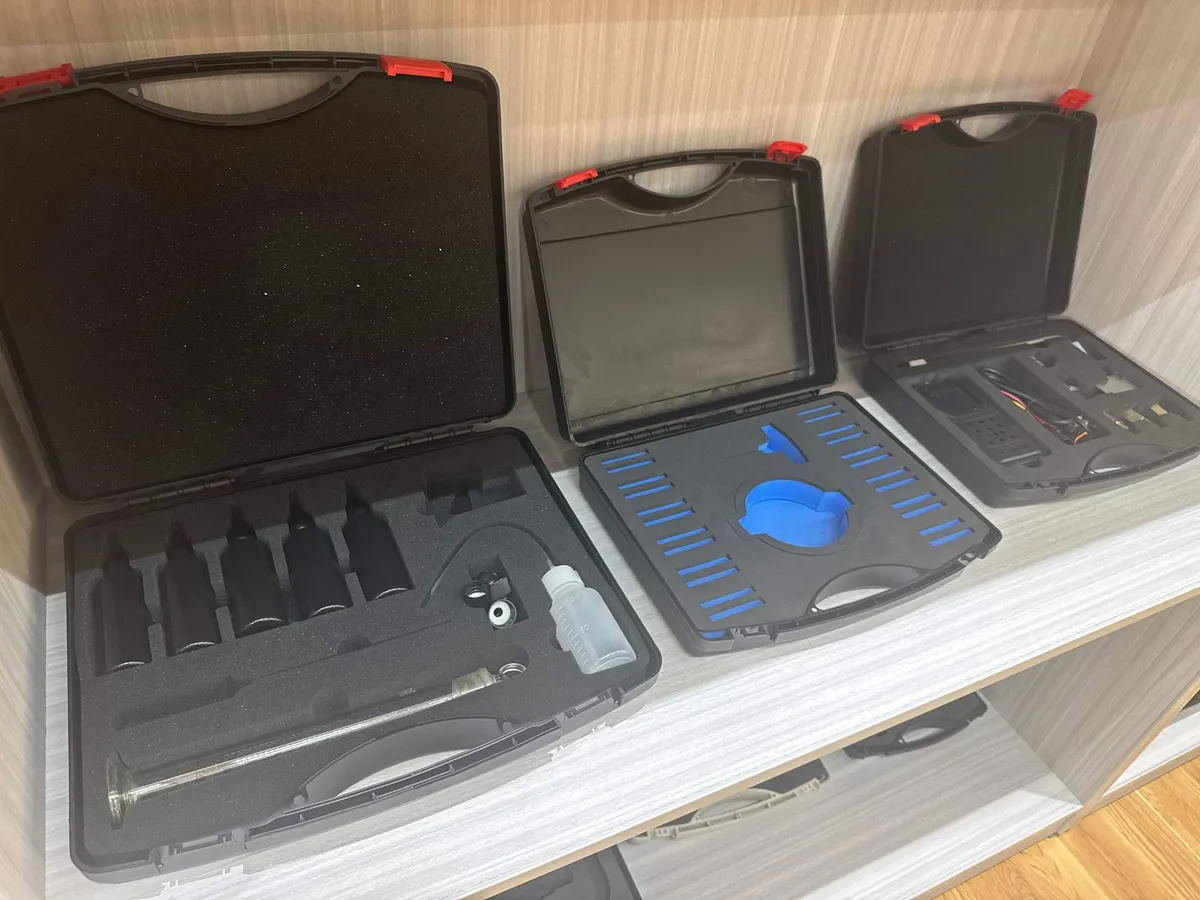
For knife storage, the foam matters as much as the shell. Closed-cell cross-linked polyethylene (XLPE) neither absorbs moisture nor oils, so it will not promote oxidation; cheap open-cell foam holds humidity against the blade and degrades over time. Add real humidity control, keep blades clean and dry, and keep them out of leather sheaths for anything longer than a short trip.
Choosing the Right Foam
Foam is the interface between a blade and the case, and it is where most storage mistakes happen. Density, cell structure and how it was cut all matter.
| Foam type | Cell structure | Suitability for knife storage |
|---|---|---|
| Cross-linked polyethylene (XLPE) | Closed cell | Best choice: does not absorb moisture or oils, chemically stable, holds a precise cut |
| EVA / EPE | Closed cell (varies) | Good for transport and general cushioning; verify grade before multi-month contact |
| Open-cell polyurethane | Open cell | Avoid for long-term contact: holds humidity, breaks down, can leave residue |
| Pick-and-pluck cubes | Usually open or semi-open | Fine for short-term transport; less ideal for long-term storage |
Humidity: The Actual Enemy
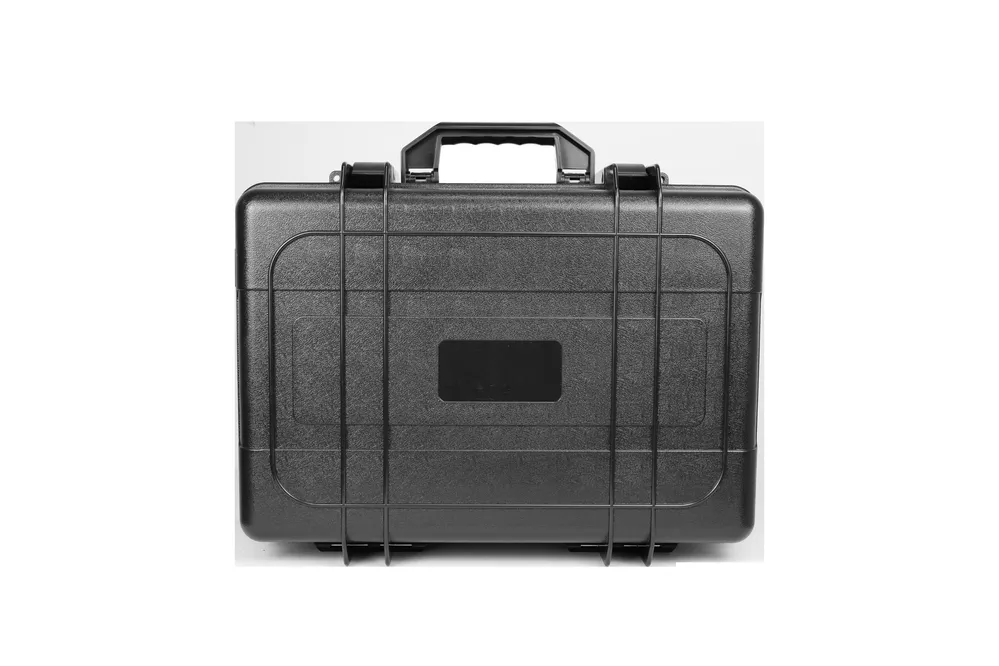
Stainless steel is not rust-proof; given moisture and oxygen, blades of any steel will corrode, and carbon steel and Damascus are the most sensitive. Two tools do the work inside a case: silica gel packets, which lower humidity, and volatile corrosion inhibitors (VCI), which release a vapour that reaches crevices a desiccant cannot. Desiccants saturate, so schedule replacement or recharging instead of leaving one packet in forever.
Sheaths, Wraps and Contact Materials
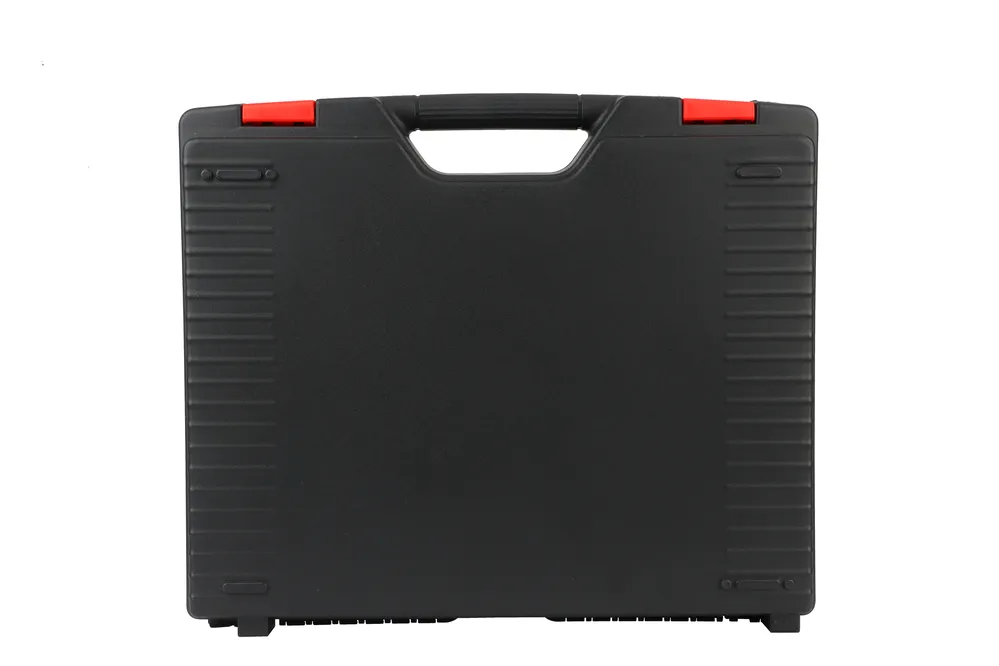
- Leather sheaths: fine for carrying, poor for storage — they absorb moisture and transfer tanning residues, dyes and salts
- Synthetic sheaths: not automatically safe — they trap condensation and can rub high-finish blades
- Newspaper and acidic paper: avoid — inks and acids can transfer to steel and fittings
- Acid-free tissue, clean cotton flannel or microfibre: the safe wrapping options
- Unknown plastics, rubber bands, PVC sleeves and adhesive tape: avoid direct long-term contact
Wax, Oil and Handling
For collector blades, microcrystalline wax is usually the cleaner long-term barrier: it protects steel, brass and nickel silver without running into handle materials or gumming mechanisms. Excess oil migrates, attracts dust, stains linings and can soften adhesives. Clean and dry the knife before it goes away, and handle it with nitrile or clean cotton gloves, because fingerprints leave salts and skin oils that become corrosion spots on polished, carbon steel and Damascus surfaces.
Setting Up a Knife Case
- Clean and fully dry every knife, including pivots and the ricasso
- Apply a thin protective film appropriate to the steel — wax for collectors, light oil for working carbon steel
- Choose closed-cell XLPE foam cut so each blade sits in its own cavity without touching a neighbour
- Add silica gel or a VCI emitter sized to the internal volume
- Store in a stable, cool, dry place, and inspect on a schedule rather than closing the lid and forgetting it
Setting up a collection case? Size a shell from the JUNZHIJIA product lineup, then read the custom foam insert guide for material and cutting options. If the case will travel, check the seal rating on the certificates page.
Related Products
- 7 Series — Hardware Tool Cases; Precision Instrument Cases
- WL7-2708 Hardware Tool Case — model WL7-2708
- All protective cases and toolboxes: 7 series, 158 models