

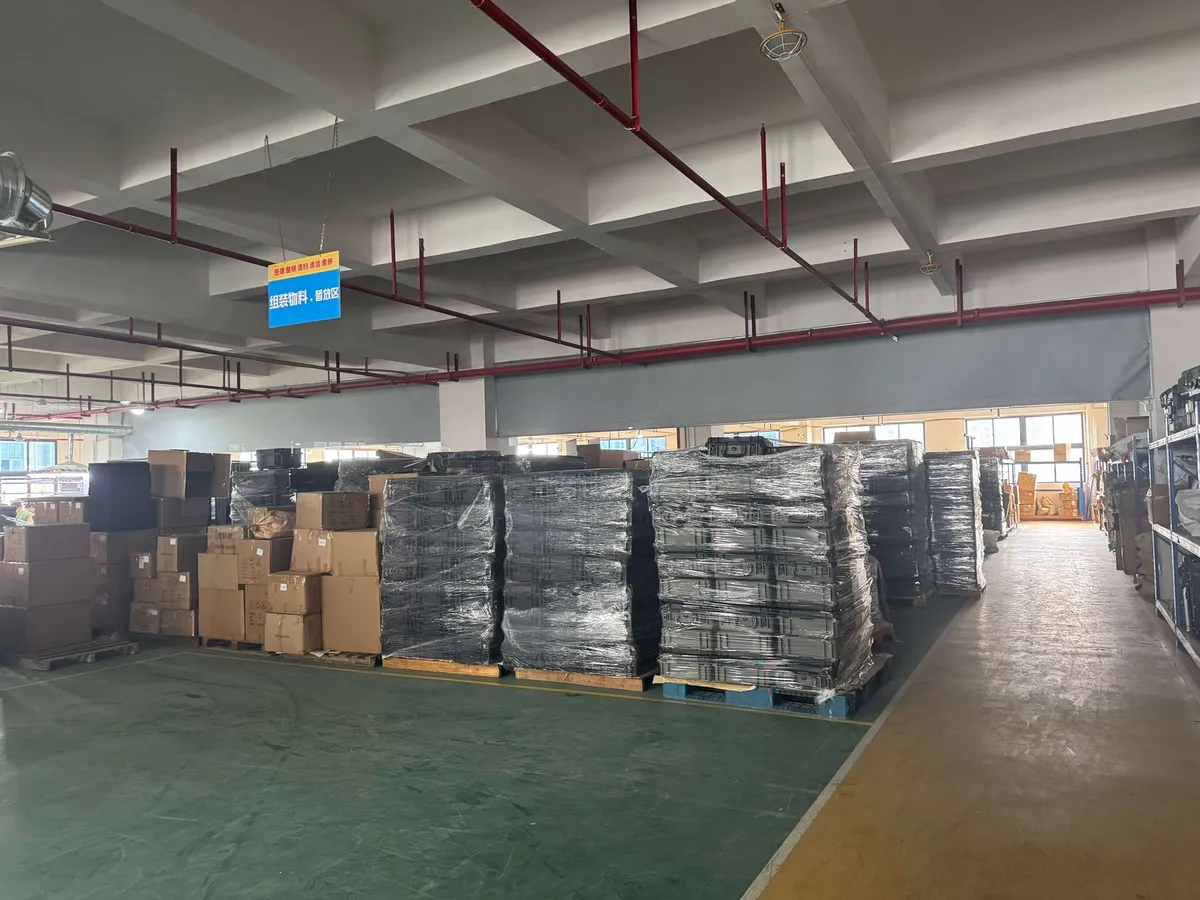
Returnable transport packaging should be judged on cost per trip, not purchase price. Divide the purchase price by the number of trips you actually get: a 15 USD wood pallet lasting 20 trips works out to 0.75 USD per trip, while a 75 USD plastic pallet lasting 1,000 trips works out to 0.075 USD. The arithmetic only holds if the containers come back, which is why nesting design and tracking decide whether a closed loop pays.
The Only Metric That Matters
| Metric | Why it matters | Worked example |
|---|---|---|
| Purchase price | Easy to see, easy to optimise for the wrong outcome | 15 USD wood pallet vs 75 USD plastic pallet |
| Number of trips | The denominator that turns CAPEX into a running cost | 20 trips vs 1,000 trips typical lifespans |
| Cost per trip | The number to compare across materials | 0.75 USD vs 0.075 USD per trip |
| Loss rate | A 5 percent annual loss compounds fast across a large fleet | Track from day one, not after the first audit |
Stack, Nest, or Both
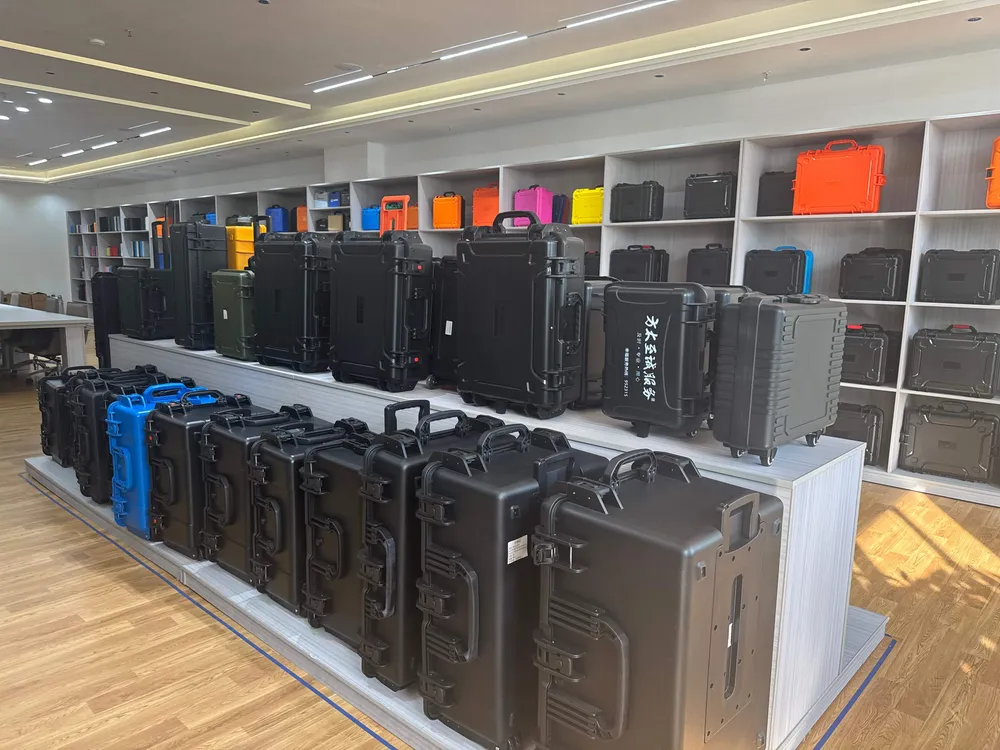
Container geometry drives two different costs. Stackability determines how densely you can store and ship loaded containers. Nestability determines how much space empty containers consume on the return leg, which is often the hidden cost that kills a returnable programme.
- Stackable: loaded containers sit securely on each other, maximising cube utilisation in storage and transit
- Nestable: empty containers tuck inside each other, commonly by rotating 180°, cutting empty-return volume substantially — reported savings run up to around half for nestable pallets and higher for stack-and-nest crates
- Stack and nest: one design doing both, the usual choice for e-commerce, retail replenishment and automotive loops
- Collapsible or foldable: side walls fold inward so many empties fit in one truck, best for long return routes
Tracking Is Not Optional
A closed loop only works if assets come back. RFID tags and QR codes make a fleet visible, and published results from real-time location tracking include a 70 percent reduction in returnable container loss and a 30 percent improvement in return-cycle time. Standardised dimensions matter just as much for automation: uniform footprints move predictably through conveyors, sorters, AS/RS and forklift handling, and give barcode and RFID scanning a consistent target.
Where Programmes Fail
- Underestimating reverse logistics — transport, labour and storage for empties must be modelled honestly
- Using purchase price instead of cost per trip when building the business case
- Choosing the wrong design, such as a lightweight export container in a heavy racking application
- Forgetting integration costs with racks, conveyors, forklifts and washing stations
- Ignoring loss and shrinkage until the annual audit reveals the fleet is smaller than expected
What to Standardise Before You Buy
- A footprint that matches your pallet, rack and conveyor dimensions, and repeats across sizes
- A load rating matched to the heaviest real product, not the average
- A labelling or RFID location that survives washing and handling
- A cleaning method compatible with the material and the product it carried
- A repair and retirement rule, so damaged units leave the fleet instead of failing mid-loop
Building a closed loop? Start from the JUNZHIJIA case range to standardise footprints, review production and assembly capability for volume supply, and read export packaging compliance if any leg of the loop crosses a border.
Related Products
- 8 Series — Gun Cases; Military Equipment Cases; Camera Equipment Cases; Drone Cases; Watch Cases; Knife Cases; First Aid Cases; Electronics Equipment Cases
- WL8-2812 PP Gun Case — model WL8-2812
- All protective cases and toolboxes: 7 series, 158 models