

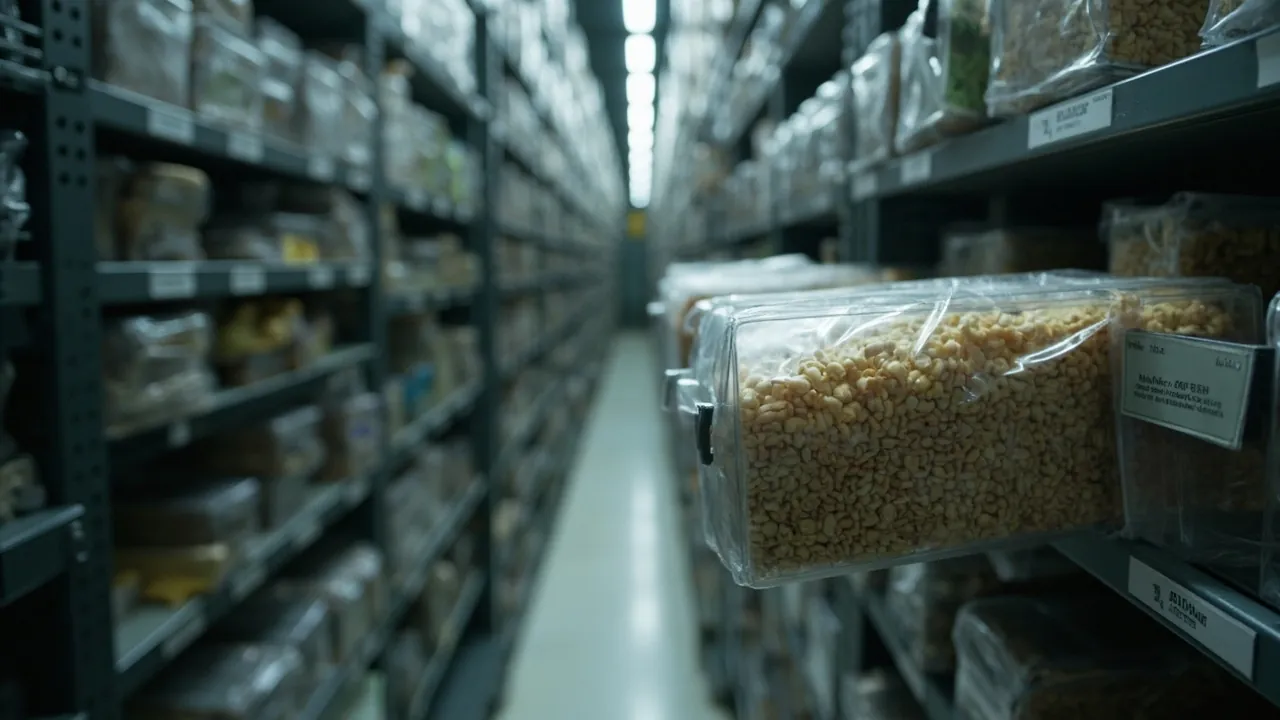
The value of germplasm lies in long-term viability, which depends on stable, controllable storage conditions. This article covers seed germplasm cases, seed bank cases, germplasm storage cases, low-temperature seed cases and gene bank transport cases, starting from the four requirements of low temperature, dryness, darkness and contamination control and extending through low-temperature options, sealing, packing liners, compliant transport and procurement.
Table of Contents
- What Seed Germplasm and Seed Bank Cases Are
- Core Requirements: Low Temperature, Dryness, Darkness and Contamination Control
- Low-Temperature Options: Freezer, Liquid Nitrogen, Dry Ice and Passive Hold
- Sealing and Moisture Protection
- Liner and Packing: Cryovials, Seed Bags and Ampoule Slots
- Material and Structure Selection
- Rating and Thermal Performance
- Temperature Monitoring and Cold-Chain Records
- Transport Compliance: Biological Samples and Quarantine
- Typical Application Scenarios
- Shock and Transit Standards
- Procurement and Volume Customization
- Use, Maintenance and Rotation
- Common Misconceptions and Buying Advice
- Frequently Asked Questions (FAQ)
What Seed Germplasm and Seed Bank Cases Are
Seed germplasm and seed bank cases are dedicated containers that keep seeds, seedlings, pollen and other germplasm materials viable and free of mixing or contamination during low-temperature storage and transfer. The essence of germplasm conservation is keeping material alive, and a single temperature excursion, damp spell or cross-contamination can rob years of collected material of its germination. The opening conclusion is that the value of a germplasm case is not capacity but its ability to stay stable under low temperature, dryness and darkness while making every withdrawal and return traceable. For seed banks, breeding units and agricultural research institutes, a proper germplasm case is basic equipment for genetic resource security.
Logistics and storage fit directly affect efficiency. seed germplasm cases should suit common pallets, shelving and container dimensions to avoid wasted space, stack stably against toppling, and be easy to handle by forklift or hand. For multi-site transfers, a single case type and numbering lets spares and liners interchange and cuts management complexity. Bringing logistics limits into selection early avoids re-tooling the case later.
Labelling and identification underpin management efficiency. Give seed germplasm cases a unique ID and list, with labels, codes or color coding for stocktaking, retrieval and accountability. Label material should resist weather and moisture so it does not fall off, and mark positions should be uniform for fast recognition. For multi-lot, multi-site management, common labeling rules cut misplacement and loss and feed a digital ledger.
Inventory and turnover reflect management quality. Too little stock risks shortage while too much ties up cash and space, so set safety stock against usage frequency and replenishment lead time. Stock wear parts for seed germplasm cases in proportion and configure main structures to project demand. Regular counts and turnover analysis reveal idle and lost units and inform the next purchase.
Core Requirements: Low Temperature, Dryness, Darkness and Contamination Control
Germplasm storage imposes four core requirements on a case. The first is low temperature, since most seeds metabolize more slowly when cold or ultra-cold. The second is dryness, as high moisture causes mould and freeze damage. The third is darkness, because light accelerates deterioration. The fourth is contamination control, since different lots and species must not mix. A low-temperature seed case should cover all four rather than only providing cooling. Treating temperature, humidity, light and sealing as parallel metrics prevents a single failure from ruining an entire batch.
Risk management needs clear responsibility. Identify the main risks in transit, storage and use, and define who bears them, how they are recorded and how they are handled. For high-value or irreplaceable contents, insure and keep imaging and handover records. Records for seed germplasm cases such as intake, inspection, sealing and handover should stay synchronized with the contents so anomalies can be traced fast, reducing disputes and loss.
Cleaning and disinfection follow the scenario. General settings use water and mild detergent, while clean or medical-related settings need compatible disinfectants and no residue. Liners for seed germplasm cases should be removable, quick-drying and odor-free. Choose agents carefully to avoid corroding gaskets or reacting with liner material. Writing cleaning steps and cycles into the procedure extends life and preserves protection.
A digital ledger moves management from experience to data. Open a file for each seed germplasm cases recording ID, configuration, usage, repair and calibration and support scan-to-view. The data can reveal failure patterns, optimise configuration and forecast replacement cycles. For multi-site, multi-lot operations a common ledger cuts misplacement and duplicate buying and eases audit. See also IP67.
Low-Temperature Options: Freezer, Liquid Nitrogen, Dry Ice and Passive Hold
Low-temperature options follow storage duration and temperature targets. Short-term storage can use a mechanical freezer with sealed containers; medium-term can use dry ice or coolant plates with passive insulation; long-term relies on liquid-nitrogen tanks or ultra-low freezers. A gene bank transport case must hold the target range and resist impact during transfer, with a logger inside where needed. The key is keeping temperature in range through the whole journey, not just at the start. Liquid-nitrogen transport must also meet dangerous-goods and carrier rules with ventilation and frostbite precautions.
Training and operating rules determine whether equipment delivers its design value. On arrival, brief staff on load limits, correct opening and latch use, sealing-face cleaning and daily checks so misuse does not cause early failure. For seed germplasm case, seed bank case, germplasm storage case, low-temperature seed case, gene bank transport case, post the operating rule at the station or site and tie it to boards and checklists so new members ramp up quickly and shifts stay consistent.
Spares and repair strategy should be planned early. Gaskets, latches, hinges and liners are common wear parts, so set replacement cycles by usage and stock a share of them. If the main structure of seed germplasm cases can be repaired and its parts replaced, long-term cost falls noticeably. For critical equipment, agree a spare supply period and response time, and keep assembly drawings for local handling.
Turnaround and reuse decide long-term cost. If a high-value seed germplasm cases is used one way only, the amortised cost stays high; build a pooling pool, give every case a unique ID and track where it goes so the outlay is spread over many trips. Inspect and clean each unit on return and retire damaged ones promptly. Folding turnover into performance review encourages disciplined use and timely recovery and cuts loss and damage from casual storage.
Sealing and Moisture Protection
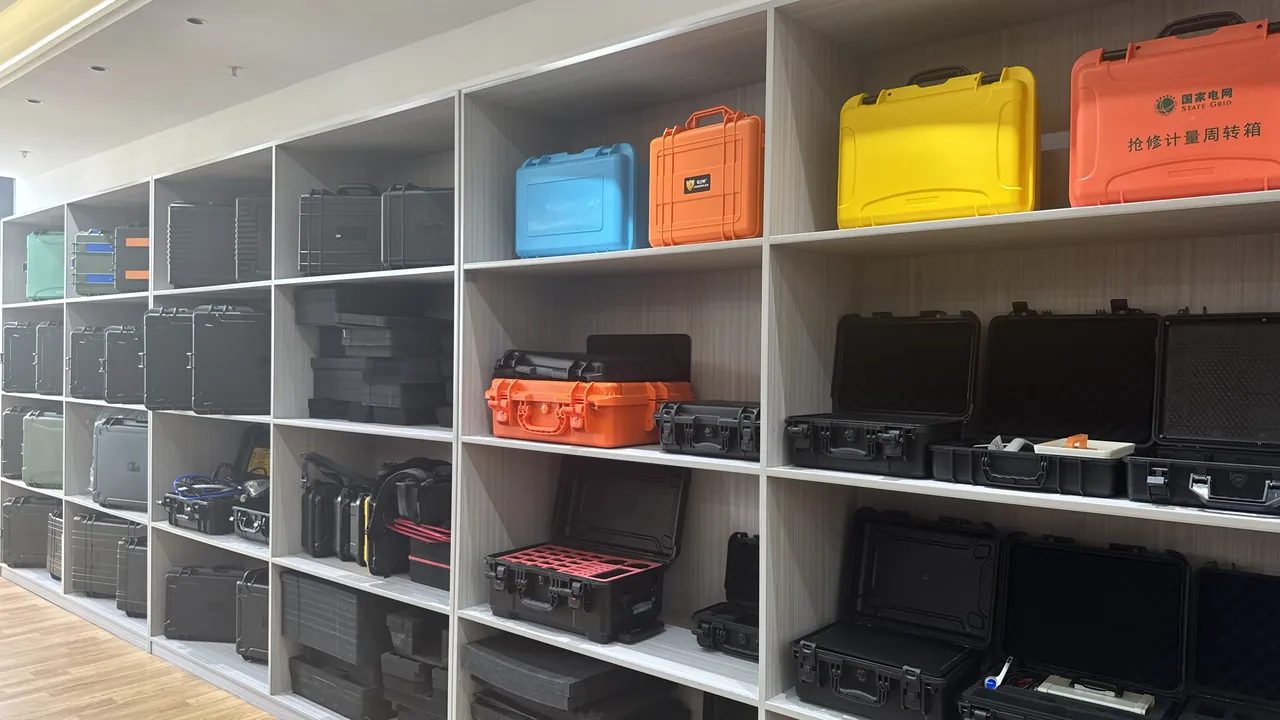
Sealing and moisture protection are the hidden defence of germplasm storage. The case should reach a high sealing grade with a continuous gasket to block water vapour, and desiccants and humidity indicator cards can be placed inside, with nitrogen purging or vacuum where required. In humid regions a failed seal is often more insidious and more lethal than a temperature swing for a seed bank case kept long-term. Fold gaskets into a replacement plan and keep humidity records so damp problems surface early. Seal-material principles are covered in the case seal-material guide.
Digital asset ledgers shift management from reactive to proactive. Give seed germplasm cases a unique ID and record location, owner and maintenance history, made visible with labels or codes for stocktaking. Accumulated data reveals failure patterns that inform selection, spares and replacement cycles. For multi-site organizations a common ledger also enables cross-region transfer and sharing, raising overall utilization.
Supplier assessment should rest on evidence rather than marketing. Check for citable test reports, liner tooling and whole-case configuration capability, and batch records plus spare supply for seed germplasm cases. Procure by sample verification against dimensions, sealing, load and appearance. Writing key metrics and acceptance into the contract effectively reduces lot variance and later disputes.
Interior location and zero-clearance retention are the first line of defence. The liner and the item should not shift relative to each other, with extra cushioning at corners and protrusions and cells sized to the largest outline with assembly tolerance allowed. Where seed germplasm cases carries irregular or fragile items, do a trial fit first to confirm load points and ease of access. Loose filler alone still shifts and collides under sustained vibration. See also [](/news/plastic-protective-box/).
Liner and Packing: Cryovials, Seed Bags and Ampoule Slots
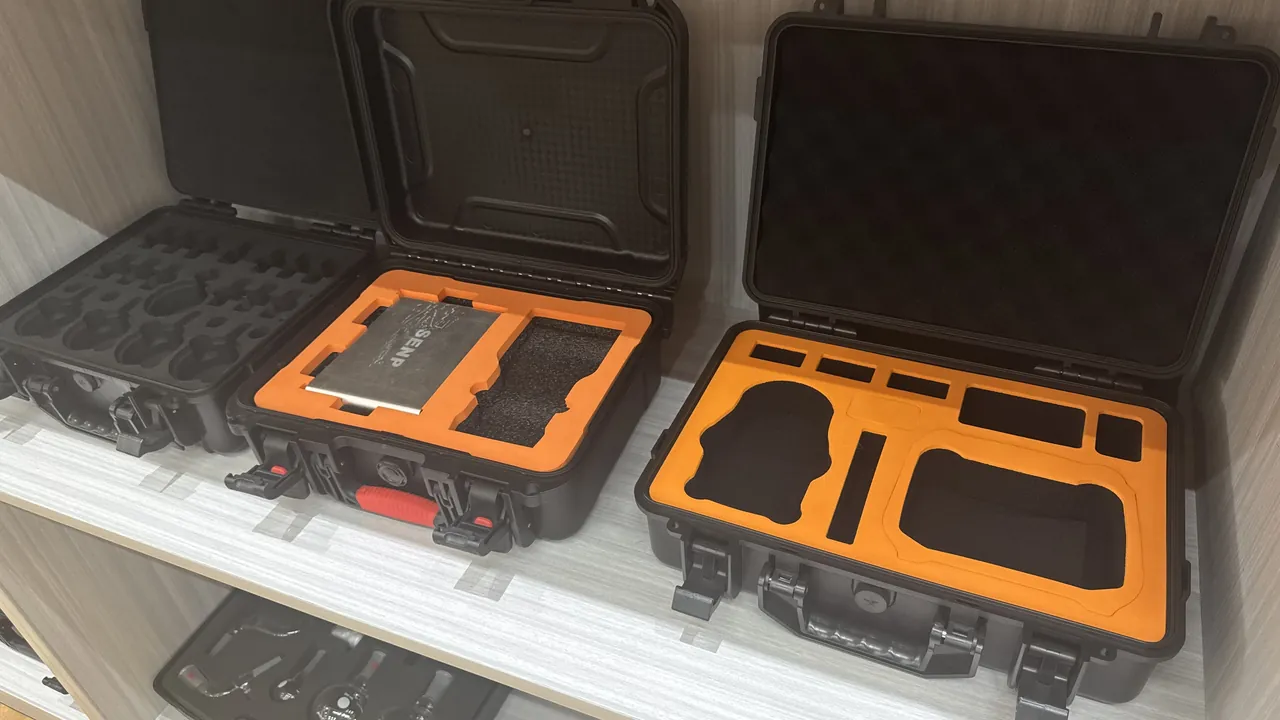
The liner and packing decide access efficiency and resistance to mixing. Common solutions use cryovial racks, compartment trays or grid boxes to zone germplasm by lot and species on a one-item-one-place basis; ampoules get dedicated wells to stop them tipping, and seed bags sit in divided trays for easy counting. The point of packing is physical isolation, which prevents cross-contamination during sampling and eases stocktaking and rotation. Liners should tolerate low temperature, be cleanable, and not crack or shed after repeated freeze-thaw.
Sustainability and recyclability are long-term trends. Prefer recyclable materials, replaceable parts and standardized structures to reduce whole-case scrapping. seed germplasm cases should be easy to disassemble and service, with gaskets and liners supplied separately as wear parts to extend the main body life. For export projects, also watch restricted substances and packaging recycling rules, bringing environmental compliance into selection.
Common procurement traps include judging only on unit price, ignoring mould ownership, omitting acceptance criteria, spare shortages and vague lead times. For a long project, lock process and material and agree annual supply for seed germplasm cases; for custom work, define drawing approval and change control. Putting risk clauses up front costs far less than fixing things later, and volume projects also need sampling ratios and non-conformance handling in writing.
The transport mode changes what matters. Road traffic brings road vibration and frequent handling, sea freight brings salt fog, humidity and long stacking, and air freight brings pressure change and tighter weight limits. Select seed germplasm cases for the actual mode mix and tighten for the harshest leg where needed. Writing the mode and route into the requirement beats copying a generic specification.
Material and Structure Selection
Case material sets both the protection ceiling and the whole-life cost. Engineering plastics such as PP, ABS and PC are light, corrosion-resistant and easy to inject or blow mould, suiting volume and portability; rotomoulded PE is thick-walled and impact-resistant and can be made large; aluminium cases are rigid, can provide EMI shielding and suit precision or heavy loads; wood or composite board still offers cost advantages in certain industries. Choose for seed germplasm cases by weight, load, temperature range and shielding need rather than by the most expensive option.
Standards and compliance are the basis for acceptance. Beyond general protection standards, watch sector-specific rules and transport regulations. Write the applicable standard numbers, test methods and pass criteria into the technical agreement and check them item by item at acceptance rather than substituting experience for evidence. Where seed germplasm cases is used in a regulated field, complete compliance documents often matter more than the parameters themselves.
Technology moves toward lighter, smarter and more circular products. Structure seeks more stiffness with less material, function adds temperature, humidity and location logging, electronic labels and condition monitoring, and material emphasises recyclability and replaceable parts. seed germplasm cases selection can reserve upgrade interfaces while meeting current needs, avoiding early obsolescence and easing later digital management.
Air freight and pressure change need dedicated thought. Falling pressure at altitude creates a differential inside a sealed case, making it hard to open or loading the seal; a pressure-equalisation valve or breathing feature eases this while keeping water out. Batteries, liquids or biological samples also bring dangerous-goods rules. Before export, confirm carrier terms and packaging rules for seed germplasm cases rather than being refused at dispatch. See also [](/news/case-seal-materials/).
| Storage mode | Temperature band | Typical duration | Case requirement | Recording |
|---|---|---|---|---|
| --- | --- | --- | --- | --- |
| Chilled storage | 2-8 C | short term | sealed + desiccant | temperature logger |
| Dry-ice storage | below -70 C | medium term | high insulation + venting | probe logging |
| Liquid nitrogen | below -150 C | long term | dedicated vessel + compliant pack | continuous monitoring |
| Passive hold transit | target band | hours to days | coolant plates + insulation | full-journey record |
| Ambient dry storage | ambient | some species | sealed moisture barrier | humidity indicator |
Rating and Thermal Performance
Sealing performance is expressed by the IP code under IEC 60529 and GB/T 4208: the first digit covers solids and the second covers liquids. Reaching IP65 or IP67 requires a continuous closed-loop gasket, a flat sealing face and evenly compressed latches, with separate treatment for cable ports and breather valves. Where the case is exposed to rain or washdown for long periods, define the target grade and write the test method into the technical agreement so a verbal promise is not accepted without a report.
Customization and modularity must be balanced. Fully non-standard raises cost and spare difficulty, while fully standard may not fit the process. Use a standard case platform with adjustable liners and modular parts to gain both fit and commonality. Customization of seed germplasm cases should define drawing approval, first-article acceptance and change control so verbal changes do not create inconsistent lots and unclear responsibility.
Structural strength should balance light weight and stiffness. seed germplasm cases gains rigidity from wall thickness, ribs and corner radii, with local ribs at load points beating a heavier wall overall, and the parting line should avoid sealing and visible faces. Review whether ribs show stress whitening, whether the sealing face is flat and whether latch load is even. Verifying structure before tooling avoids major mould changes after production and is key to cost and lead time.
Cold-chain handover is the critical break for temperature-sensitive contents. Loading, transfer, temporary storage and opening each risk a temperature rise, so define handover windows, pre-cooling and short-term insulation. Export the logger data inside seed germplasm cases at every handover and check it, tracing any excursion to the exact step. Assigning temperature responsibility step by step beats watching a single stage.
Temperature Monitoring and Cold-Chain Records
Temperature and humidity are hidden risks for many high-value items. Passive protection can rely on sealed moisture barriers, desiccants and insulation, while active control needs phase-change materials, coolant plates or heater pads. Where contents are temperature-sensitive, define the allowable range, hold time and verification method, and place a temperature logger inside so the whole journey is traceable. The thermal plan for seed germplasm cases should match transit duration and ambient swing rather than simply adding thicker insulation.
Gaskets and wear parts decide long-term reliability. Gaskets age with ozone, UV and abrasion, while latches and hinges loosen from fatigue. Set replacement cycles by usage frequency and stock spares at a share of case count. The maintenance plan for seed germplasm cases should include sealing-face cleaning, gasket spring checks and hardware tightening, holding sudden failures within an acceptable range.
Liner material follows the object. EVA cuts precisely with clear tooling, EPP recovers well against repeated impact, PU is soft with strong cushioning, and vacuum-formed trays suit fixed volumes. Where seed germplasm cases carries precision or fragile items, prioritise zero-clearance retention and washability so it does not crumble or sag over time. Material must also be chemically compatible so long contact does not corrode or leave residue.
Handling discipline directly drives breakage rates. Match handles, castors or lifting equipment to the weight instead of manual lifting, spread the load when hoisting and never lift from a single point. The base of seed germplasm cases should be flat and wear-resistant for forklift or pallet work. Marking prohibited actions on the case itself reduces internal damage from rough handling. See also [](/news/field-research-sampling-case/).
Transport Compliance: Biological Samples and Quarantine
Transport compliance is a part of germplasm transfer that cannot be ignored. Countries and regions impose quarantine and declaration requirements on seeds, seedlings and biological samples, so confirm permits and documents before crossing borders and use conforming packaging and labels. A gene bank transport case should prevent leakage and spillage and must not contaminate the environment if something goes wrong. Compliance is not optional, since missing documents can lead to a whole consignment being held or destroyed. For dry-ice or liquid-nitrogen shipments, follow carrier rules for the cooling medium as well.
Environmental adaptability must be verified against real conditions. Where temperature swings are large, confirm brittle and softening points; in damp or salt-spray settings, watch hardware corrosion and gasket ageing; in dusty settings, keep grit out of sealing faces. If seed germplasm cases is used in extreme environments, test for them rather than reusing conclusions from ordinary conditions. Put the environment into the selection list to avoid rework.
Sealing-face and latch fit decide the real rating. The gasket should be a continuous loop compressed evenly, the sealing face flat without a parting step, and latches positioned and sized to spread pressure and avoid local under-compression that leaks. seed germplasm cases maintenance should clean the sealing face, check gasket spring and verify latch torque. Judging by gasket material alone while ignoring compression structure is a common cause of sealing failure.
Front-line training often matters more than the equipment. Even a good seed germplasm cases loses protection if staff do not understand cell purpose, latch sequence and stacking limits. Turn the procedure, checklist and common mistakes into simple graphics and retrain regularly. Recording training and assessment makes it far more likely that equipment is used as designed.
| Aspect | Engineering plastic | Aluminium | Rotomoulded |
|---|---|---|---|
| --- | --- | --- | --- |
| Weight | light | medium | heavier |
| Impact | good | medium | excellent |
| Sealing | IP65-IP67 | IP67 | IP67 |
| EMI shielding | none | excellent | none |
| Unit cost at volume | low | medium-high | medium |
| Best for | volume & portable | precision & shielding | heavy & outdoor |
Typical Application Scenarios
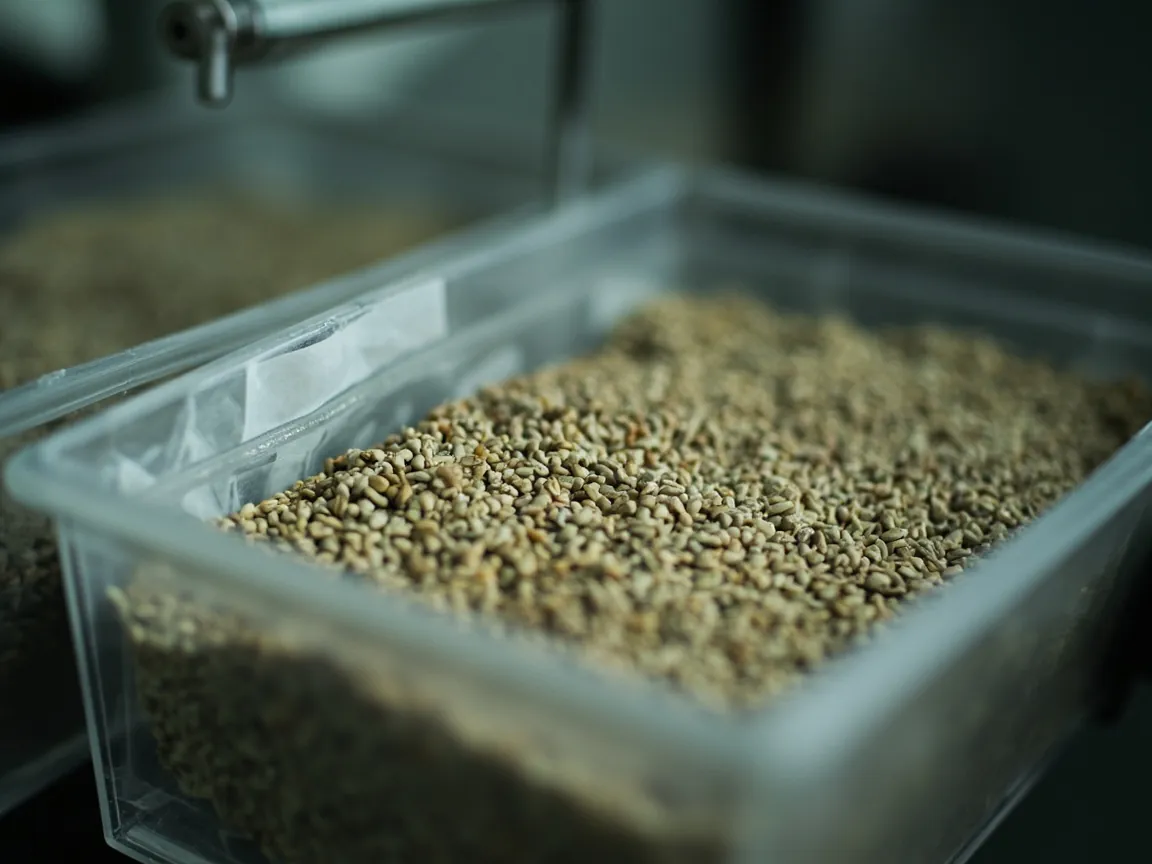
Typical scenarios include national and regional seed banks, agricultural and forestry breeding units, universities and research institutes, seed company warehouses, and field collection and transfer of germplasm. They share precious, non-renewable samples that are sensitive to temperature, humidity and contamination. In these settings the germplasm case is both a storage vessel and a vehicle for research traceability. Field collection can connect to the thinking of a field research sampling case to link collection, temporary storage and transfer.
Safety and ergonomics affect daily use. Carrying weight, handle position, pushing posture and opening height should follow ergonomics to reduce strain and drop risk. For heavy seed germplasm cases, provide mechanical handling or castors rather than relying on manual lifting. Round handle and latch edges to prevent cuts; these details directly shape operators acceptance and disciplined use.
Drop and vibration tests should match real transport. Drop uses corners, edges and faces, increasing height while watching deformation and contents; vibration and stacking simulate long haul and storage. Acceptance of seed germplasm cases should combine simulated transit testing to confirm contents survive rather than testing an empty case. Write test conditions into the agreement instead of letting a one-off result cover every scenario, tightening for the worst case where needed.
Insurance and claims rest on complete evidence. Handover notes, image records, seal numbers and temperature and humidity data together form the chain of responsibility, and a missing link weakens a damage claim. Keep a full trail for high-value lots and secure evidence the moment an incident occurs. The more complete the usage record for seed germplasm cases, the smoother the claim and the better the feedback into packaging design. See also [](/news/case-foam-material-comparison/).
Shock and Transit Standards
Shock and transit reliability can reference MIL-STD-810H drop and vibration methods, the ISTA transit packaging series and GB/T 4857. Drop tests use corners, edges and faces and check both the case and its contents; vibration and stacking simulate real transport and storage. Acceptance of seed germplasm cases should judge case deformation and contents integrity together rather than only whether the shell cracked.
After-sales and spares are often neglected in selection. Confirm the supplier can supply liners, gaskets and hardware long-term and can support repair and refurbishment. For critical equipment, agree a spare supply period and response time. If seed germplasm cases can be serviced locally, downtime falls sharply, which is worth more than a one-off low price.
Temperature and humidity control with recording is essential for sensitive contents. Passive designs rely on sealing, desiccant and insulation, active designs on phase-change material, coolant plates or electric control. seed germplasm cases should define allowable range, hold time and verification method, with a logger inside for traceability. A case only buffers; long storage still needs a stable store, so the two should connect rather than replace each other.
Environmental and compliance demands keep tightening. Materials should be recyclable and easy to disassemble, avoiding mixed-material designs that are hard to recycle, and exports to the EU must watch RoHS and REACH limits on hazardous substances. For a long supply programme, confirm material declarations and a recycling plan for seed germplasm cases early so rule changes do not cause shortages or returns.
Procurement and Volume Customization
OEM/ODM and volume customization greatly improve consistency. JUNZHJIA can customize color, silkscreen and liners to brand standards and configure whole cases to a list, cutting on-site assembly. Agree minimum order, lead time, spare ratio and gasket supply cycle, treat sample-case acceptance as a contract milestone, and inspect volume lots to the same standard. Buy seed germplasm cases on whole-life cost rather than unit price alone.
Acceptance and sampling methods should be agreed in advance. Inspect the first article fully for dimensions, sealing, load and appearance, then sample volume lots proportionally with records kept. Sampling should cover the metrics most likely to drift, such as fit dimensions and sealing. Acceptance of seed germplasm cases should also include simulated transit or drop testing to confirm contents survive real conditions rather than testing an empty case.
Tamper evidence matters just as much in the transfer chain. For high-value items, use one-time seals, serial numbers or electronic labels so that opening leaves a trace and responsibility can be traced. The closure of seed germplasm cases should work with the seal so the case cannot be opened without damage; at handover, match seal numbers against the manifest with two-person confirmation. For samples or artefacts kept long term, log environmental data inside the case to build a full evidence chain. Writing seal and numbering rules into the procedure sharply cuts substitution, mis-issue and loss, and eases later tracing and accountability.
The custom workflow decides whether a project lands on time. It usually runs from requirement confirmation, concept design, liner sampling and case validation to volume production and delivery acceptance, each step with clear inputs, outputs and sign-off. For non-standard sizes or dedicated liners in seed germplasm cases, build a functional sample before tooling. Writing the sign-off flow into the contract reduces rework and disputes.
Use, Maintenance and Rotation
Use and rotation management directly affect germplasm life. Keep a ledger of intake date, lot, moisture content and viability, test germination on a schedule and rotate and refresh; clean and disinfect cases periodically, replace gaskets on a cycle, and reserve spare capacity for emergency transfer. Folding germplasm cases into institutional asset management with unique IDs and location records prevents information loss when staff change or facilities move. For cryogenic storage, also prepare a power-failure contingency to reduce the risk of sudden loss.
Common failure modes should be prevented early. Sealing failure usually comes from gasket ageing or foreign matter on the sealing face; structural failure from overload or over-stacking; hardware failure from fatigue or corrosion. The maintenance and use rules for seed germplasm cases should set checks against these modes to catch problems early. For high-frequency use, shorten the inspection cycle and record each anomaly and its resolution.
Stacking and transit restraint affect safety and efficiency. The case top should have anti-slip ribs or locating bosses and latches must not pop open under stacked load; transit should calculate gross weight against container limits and secure with straps. If seed germplasm cases is stacked in layers, confirm lower boxes do not deform under long load. Writing stack height and restraint into the procedure sharply cuts toppling and impact risk.
Tooling and drawing approval is the risk peak in custom work. Freeze key dimensions, material and appearance before tooling and state mould ownership and who owns later changes. Drawing changes for seed germplasm cases should follow a written process so verbal edits do not create inconsistent lots. Clear acceptance criteria and mould ownership are among the most effective controls in custom procurement.
Common Misconceptions and Buying Advice
There are four common misconceptions: focusing on temperature while ignoring humidity and sealing, which causes mould; mixing lots so sampling cross-contaminates; using a plain foam box instead of a dedicated low-temperature case, so the range cannot be guaranteed; and recording intake without periodic viability tests, discovering dead material only when it is needed. The fix is to write temperature, humidity, sealing and zoning into the procedure and set up periodic testing and rotation. For germplasm cases and low-temperature seed cases, long-term reliability matters more than one-off purchase price.
Evaluate seed germplasm cases on whole-life cost rather than unit price. Unit price is only part of it, while maintenance, spares, downtime and replacement often cost more. Repairable designs with replaceable parts and shared standard components cost less over time. For seed germplasm case, seed bank case, germplasm storage case, low-temperature seed case, gene bank transport case, putting spare availability and maintenance convenience into the tender is usually more economical than pressing the price, especially in continuous or non-stop operations where one failure can cost far more than the equipment.
Opening convenience and ergonomics decide front-line acceptance. Handle position, opening angle and latch effort should suit operating habits and reduce bending and strain. Where seed germplasm cases is heavy, provide castors or mechanical handling. Round handle and latch edges to prevent cuts. These details look minor but directly affect whether equipment is used as intended and how efficient daily work is.
Delivery rhythm should match the use plan. Beyond unit price, confirm minimum order quantity, production lead time, shipping mode and arrival lots, so a single large arrival does not overload storage and split arrivals do not disrupt work. Where seed germplasm cases faces a seasonal peak, schedule production early and agree an expedite mechanism. Writing milestones and liability into the agreement sharply cuts supply risk.
Frequently Asked Questions (FAQ)
Question: How is a germplasm case different from an ordinary cooler? Answer: The goal differs. An ordinary cooler aims at short-term cooling and portability, while a germplasm case must simultaneously satisfy low temperature, dryness, darkness, contamination control and traceability, and must suit long-term storage and controlled access. It usually has a higher sealing grade, purpose-made packing liners and a logger position, and accounts for freeze-thaw effects on liners and gaskets. For a seed bank, one temperature or humidity excursion can ruin years of material, so an ordinary cooler is not a substitute. Judge by storage duration, target range and sample value.
Question: How low should seed storage temperature be? Answer: It depends on species and goal. Short and medium-term storage often uses cool or refrigerated conditions, while long-term storage typically uses ultra-low temperature or liquid nitrogen to slow metabolism and deterioration. Species differ in cold tolerance, and ultra-low temperature can cause freeze damage when moisture is too high, so cold must be paired with drying. Define species, target years and allowable moisture first, then choose a temperature plan and verify with a logger. Do not apply a single temperature, and do not go ultra-cold without moisture control.
Question: How long can a low-temperature seed case hold temperature? Answer: Passive hold depends on insulation thermal resistance, coolant mass, ambient difference and opening frequency. With dry ice or coolant plates and thicker insulation it can hold the target band for hours to a day or two; longer needs active control or a shorter transfer chain. The decisive metric is the time the temperature stays in range, not the starting temperature. State ambient conditions, allowable range and required duration in procurement, require a thermal calculation and test, and place a logger inside so the whole journey is checkable.
Question: What compliance does a gene bank transport case need? Answer: Typically quarantine and declaration, leak-proof packaging, clear labels and documents, and carrier rules for the cooling medium. Cross-border shipments of seeds and biological samples often need import permits and phytosanitary certificates, and packaging must prevent spillage and tolerate vibration and temperature swing. Dry ice or liquid nitrogen adds dangerous-goods requirements. Confirm the list with the carrier and destination authority before shipping to avoid holds. Rules vary by country and sample type, so follow the latest regulations.
Question: Cryovial racks or compartment trays for the liner? Answer: It depends on sample form and access pattern. Cryovials suit small volume, high-density storage with many samples, and dedicated racks allow fast location and batch retrieval; seed bags or larger samples suit compartment trays for counting and anti-mixing. The two can be combined, zoning with trays and subdividing with racks. Either way, ensure physical isolation, tipping resistance, low-temperature tolerance and cleanability, so nothing cracks or sheds after repeated freeze-thaw. For long-term material, liner material must also not release substances that affect viability.
Question: How should temperature be monitored and recorded? Answer: Place an independent temperature logger inside the case, set the interval by transit duration and sensitivity, record the full curve, and check it at handover. For long-term facilities, use multi-point monitoring with out-of-range alarms. Records are quality evidence and the basis for tracing anomalies and assigning responsibility. In procurement, ask for loggers with export and calibration certificates, and write the recording cycle and out-of-range handling into the procedure. Where transfer involves several handovers, keep the record unbroken.
Question: Can a germplasm case prevent cross-contamination? Answer: It can sharply reduce risk through physical isolation, but correct use matters. Case sealing blocks external contamination and divided liners keep lots and species apart; open one zone at a time rather than repeatedly. For high-value or quarantine-sensitive material, add an inner box or sealed bag as a second barrier. Note that contamination control depends not only on the case but on disciplined operation and cleaning. Standardizing open, sample and return steps is what lets zoning and sealing actually work.
Question: How are customization and volume supply arranged? Answer: Define sample form, storage temperature and packing method first, then fix case size and liner. A standard case with a custom liner gives a friendlier minimum order and lead time; a new case mould or special insulation extends the cycle. The contract should cover gasket and liner supply cycles, spare ratio and acceptance criteria, with sample-case verification as a milestone. JUNZHJIA can tool liners and configure whole cases to a sample list, but final acceptance still rests on sample approval and lot inspection.
Question: Can a germplasm case be used for cross-border transport? Answer: Yes, provided quarantine and carrier requirements are met. Cross-border seeds and biological samples usually need import permits, phytosanitary certificates and compliant packaging, and some species face specific rules. Packaging should prevent leakage and withstand vibration and temperature swing, with the required labels and documents. Dry ice or liquid nitrogen adds dangerous-goods rules. Confirm the list with the carrier and destination authority before shipping and allow time for approvals. Missing compliance can lead to a held or destroyed consignment, so put it into the transport plan early rather than at dispatch.
Conclusion and Related Reading
For Seed & Germplasm Storage Cases, the key is to move use scenario and risk metrics forward into design and to land them through sample-case acceptance and lot inspection. JUNZHJIA can provide material, sealing, liner and whole-case customization to requirement, but final acceptance rests on physical verification.
Related Reading
- [](/news/field-research-sampling-case/)
- [](/news/case-foam-material-comparison/)
- [](/news/art-collectible-transport-case/)