

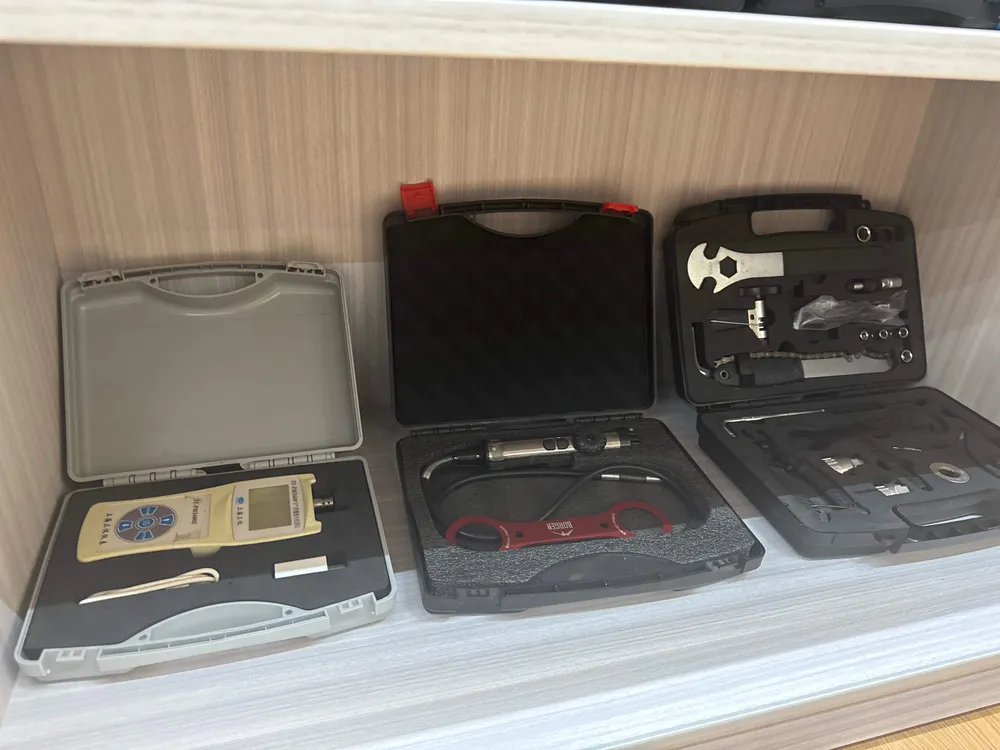
Survey equipment combines three awkward traits: it is precision-calibrated, it is optically and electronically sensitive, and it has to travel to sites that are dusty, wet and far from a workshop. The case is what stands between a productive day and a return trip with unusable data.
Protecting Calibration
The failure that costs the most is not a cracked housing. It is an instrument that still switches on but has drifted, producing measurements that look plausible and are wrong. That risk is managed in three places:
- Interior support — instruments rest on their structural body or designated mounting points, never on the optics, displays or control panel.
- Restraint — the instrument must not move within its cavity during vehicle transport.
- Shock isolation — the liner absorbs repeated small impacts, not just one big drop.
Managing Long and Awkward Loads
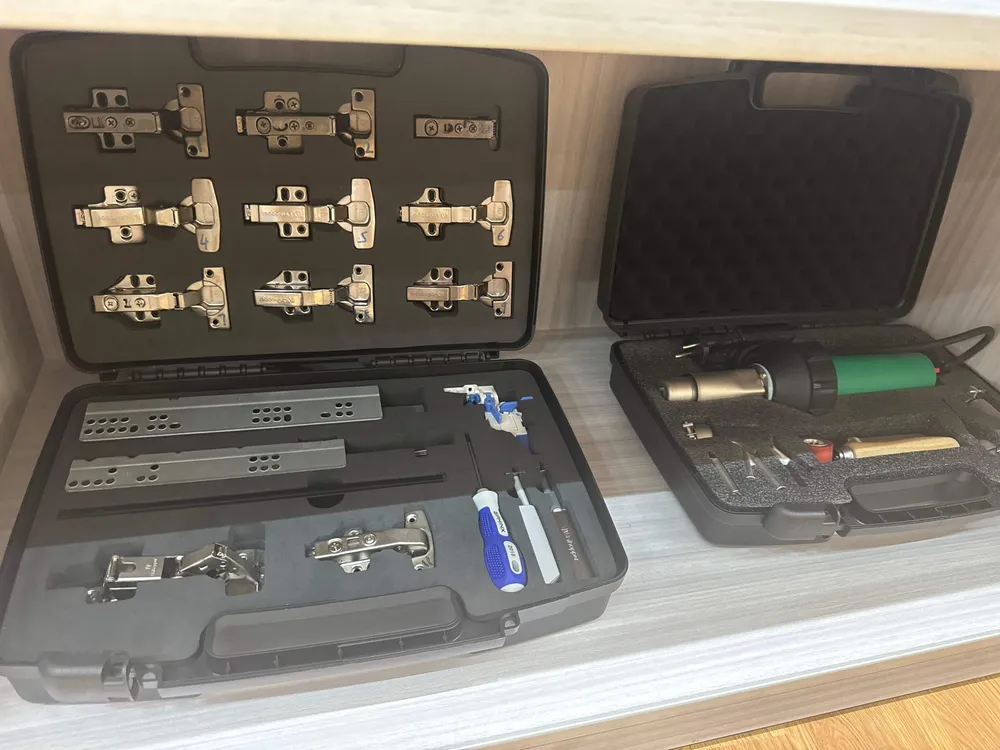
Tripods, staffs, poles and masts do not fit standard cavities. They need length, dedicated restraint, and separation from delicate instruments so that metal cannot scuff optics or strike a display.
| Item | Requirement |
|---|---|
| Tripod | Length, secure restraint, protection for feet and clamps |
| GNSS / RTK rover and base | Support at the body, clearance for antennas and connectors |
| Total station | Rigid support, no load on the telescope or handles |
| Data collectors and tablets | Screen protection, separate from heavy metal items |
| Batteries and cables | Terminal protection, restrained compartments |
Moisture: The Slow Damage
Condensation is the enemy of optics. Moving a cold case into warm humid air — or leaving a wet case closed overnight — puts moisture exactly where it causes fungal growth on lens coatings and corrosion on contacts.
- Dry the equipment before packing, and do not seal wet gear into a case.
- Use desiccant and renew or regenerate it on a schedule.
- Let cold cases acclimatise before opening them in humid conditions.
- Store cases open in a dry room between jobs rather than sealed shut.
Site Practice
Handle instruments by their designated grips, not by the telescope or antenna. Keep the case closed and out of direct sun when not in use — heat affects both electronics and the mechanical stability of the setup. And after any significant knock, drop or immersion, verify calibration before the data is used.
The general method for sizing and specifying interiors for this class of equipment is set out in our precision instrument case selection guide.