

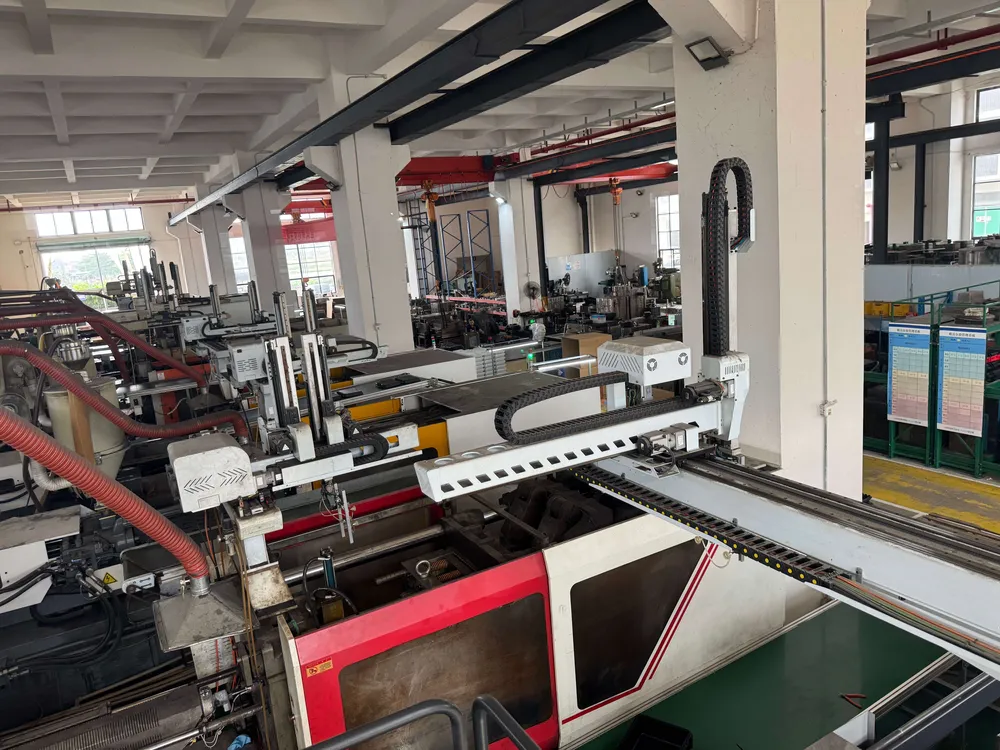
Recycled content is often discussed as a single switch: either a case is made from virgin resin or it is not. In practice a moulded case is an assembly, and the sensible question is which components can carry recycled content without putting performance at risk.
What Actually Changes
| Aspect | Virgin resin | Recycled content |
|---|---|---|
| Mechanical consistency | Tight, predictable batch to batch | Wider variation; each melt history differs |
| Impact performance | Meets the resin datasheet | Can be reduced, and varies with source stream |
| Colour | Stable and repeatable | Harder to match; darker shades mask variation |
| Contamination risk | Very low | Depends entirely on collection and reprocessing controls |
| Certification support | Full traceability | May not support regulated or listed applications |
| Cost and footprint | Higher | Lower unit cost and lower material footprint |
The underlying mechanism is simple: every melt and service cycle shortens polymer chains and adds thermal history. Post-consumer material also arrives with unknown additives and possible foreign polymers, which is why the quality of the reprocessing matters more than the percentage claimed.
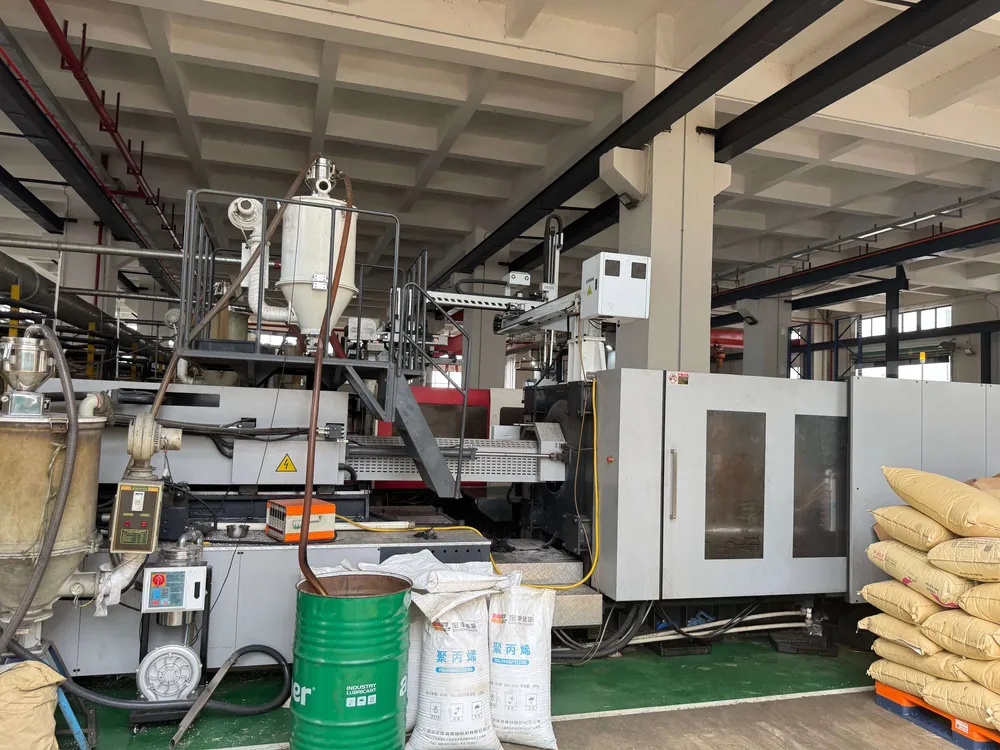
Where Recycled Content Is Reasonable
- Non-structural parts — internal dividers, trays, organisational accessories.
- Interior components — where impact and sealing demands are lower than the outer shell.
- Dark colourways — pigment covers batch-to-batch shade variation more effectively.
- Applications without regulated listings — where a material certification does not have to trace back to a virgin grade.
Where It Should Be Avoided
- Structural shell and corners — the parts that must absorb a drop predictably.
- Latch and hinge components — small parts where a weak batch becomes a field failure.
- Sealing surfaces — dimensional and surface consistency directly affect the seal.
- Regulated deployments — flame-retardant, food-contact or electrical listings generally require traceable material.
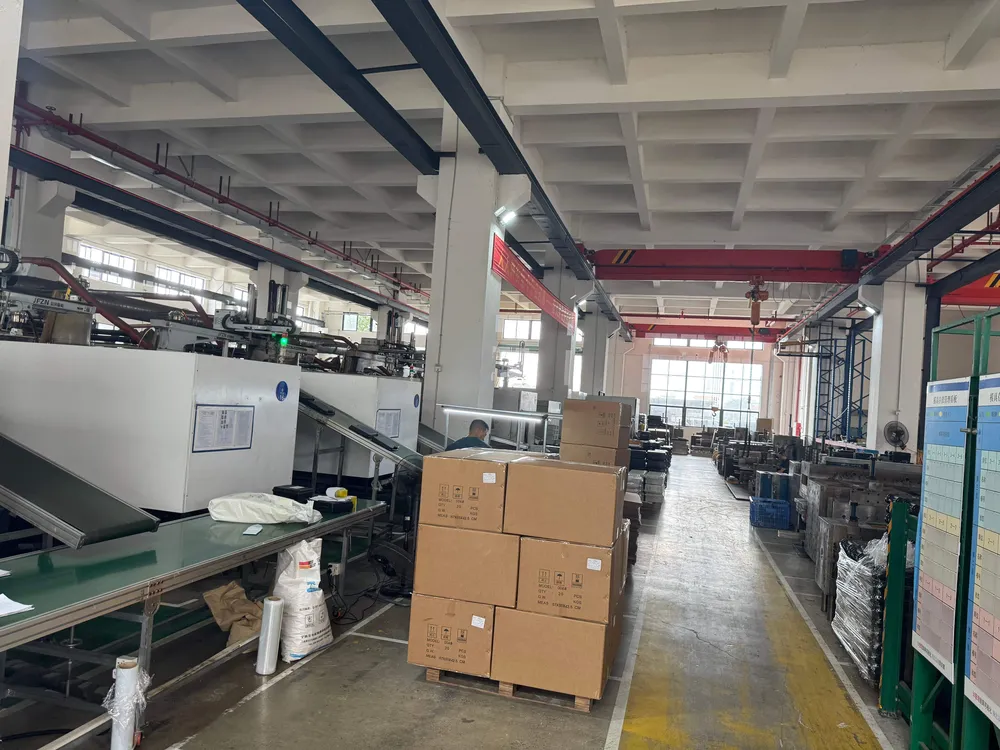
The Controls That Make It Predictable
Recycled content is not inherently inferior; uncontrolled recycled content is. If a supplier proposes it, the questions are about process:
- Is the input stream post-industrial (cleaner and more consistent) or post-consumer (more variable)?
- Is there incoming melt-flow and impact testing per batch?
- Is the material filtered and reprocessed in-house, or bought on price from unknown sources?
- Can they show production parts, not just pellets, that passed the same drop and seal tests?
How to Write the Requirement
Do not simply write "recycled" or "virgin". Write the performance requirement — impact retention, colour tolerance, sealing performance — and state where recycled content is permitted. That way the supplier can propose recycled content where it is safe, and cannot quietly substitute it where it is not.