

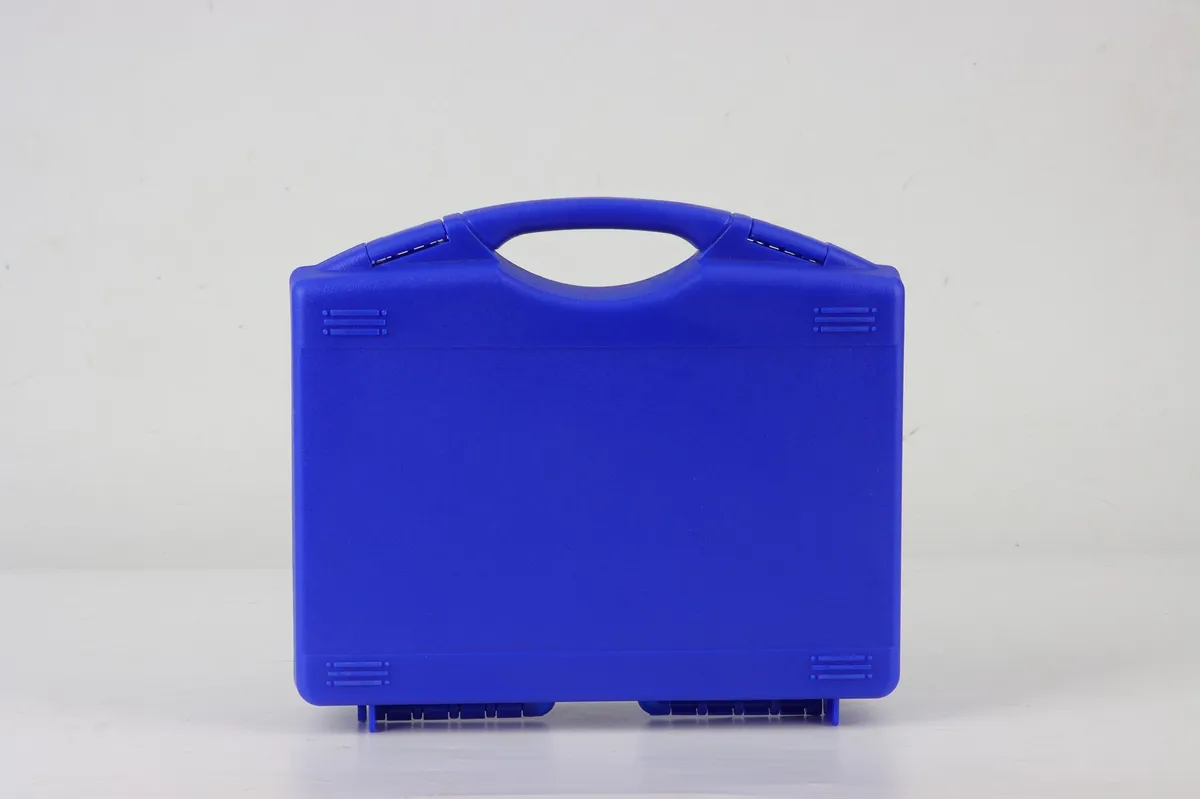
Watch storage is a humidity, light and geometry problem, not an impact problem. A case that survives being dropped but holds a damp, sunlit, overcrowded interior is protecting the wrong thing.
The four mechanisms, and what addresses each
| Mechanism | What it does to the watch | What in the case addresses it |
|---|---|---|
| Humidity cycling | Condensation inside the crystal, long-term corrosion, gasket ageing | A sealed shell with a gasket, plus rechargeable indicating desiccant |
| Ultraviolet light | Faded dials, hands and straps; degraded luminous material | An opaque shell, and storage away from direct sun |
| Magnetisation | Movement runs fast until demagnetised | Distance from sources - no practical shielding in a plastic case |
| Strap and bracelet deformation | Permanent set in leather; pressure points from clasps | Correctly sized pillows, one slot per watch, no contact between watches |
Humidity: controlling the swing, not the number
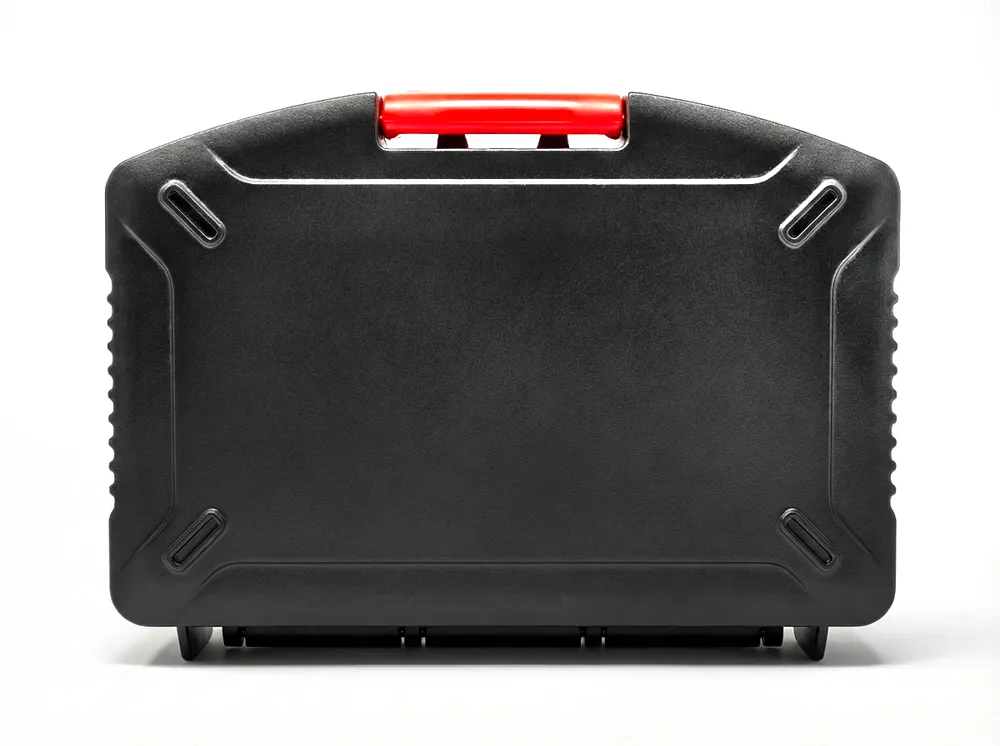
What damages a watch is rarely a single humid day. It is the repeated passage between damp and dry, which drives condensation and then dries it, over and over. A sealed case with a functioning gasket does most of the work simply by slowing that exchange down; the desiccant handles what gets in.
- Use a rechargeable indicating desiccant so you can see when it is spent rather than replacing on a schedule you will forget.
- Do not seal a damp watch into a case - dry the case, the bracelet and the crystal first, or you are sealing the moisture in with the watch.
- Recharge or replace the desiccant on a schedule tied to how often the case is opened, not to the calendar.
- If the case has a humidity indicator, read it at the same point in your routine so the reading means something.
A sealed case with a spent desiccant is worse than a ventilated one, because it holds whatever moisture got in. If you are not going to maintain the desiccant, do not seal the case.

Layout: what the interior must get right
- One watch per slot. Contact between watches is the leading cause of avoidable cosmetic damage, and it happens in storage far more often than in wear.
- Clearance at the crown. Measure your largest case diameter including the crown, and confirm the slot allows it without the watch sitting proud of the pillow.
- Pillow firmness and size. Firm enough to hold without stretching the strap; sized so the clasp closes without force. A strap forced around an oversized pillow is under constant tension.
- Lining material. A soft, non-abrasive, low-lint lining. Avoid anything with a loose weave that can catch on a bracelet link or a spring bar.
- Lid clearance. Check that tall watches - particularly those with domed crystals or stacked complications - clear the lid when it closes. Pressure through the crystal is the failure you cannot see from outside.
Travel versus home storage
The two use cases pull the design in different directions, and a case that serves both well is rarer than the marketing suggests.
- Home storage. Prioritises stable humidity, UV blocking and display. Weight is not a constraint, so a sealed hard shell with a gasket is straightforwardly better.
- Travel. Prioritises impact and crush resistance, compact volume and a shell that protects in a bag. Humidity control matters less over days than over years, and the pillow must hold the watch firmly enough that it cannot move in transit.
- The compromise. If you need one case for both, buy for travel first - a hard sealed shell with good pillows performs acceptably at home, whereas a display box does not survive being checked in.
A short routine that prevents most problems
- Wipe the case and bracelet dry before storing, especially after wear in rain or after swimming.
- Keep the case out of direct sunlight and away from speakers, magnetic clasps and motorised equipment.
- Check the desiccant indicator monthly, and recharge it the moment it changes.
- Open the case periodically in dry weather to air it, rather than leaving it sealed for months unexamined.
- Store watches you are not wearing with the crown in its normal position, and check that gaskets are serviced on the schedule the watchmaker recommends.
None of this requires an expensive case. It requires a sealed shell, the right pillows, a maintained desiccant and enough slots that the watches never touch - all of which are easier to get right at the point of purchase than to fix afterwards. JUNZHIJIA watch cases are built on the sealed hard-shell principle with configurable foam and cushion interiors; if your collection includes oversized case diameters, tall crystals or bracelets that need specific support, give those dimensions at enquiry so the interior is cut to them.
Related Products
- 6 Series — Cigar Humidors; Precision Instrument Cases; Knife Cases
- WL6-2109 ABS Cigar Humidor — model WL6-2109
- All protective cases and toolboxes: 7 series, 158 models