

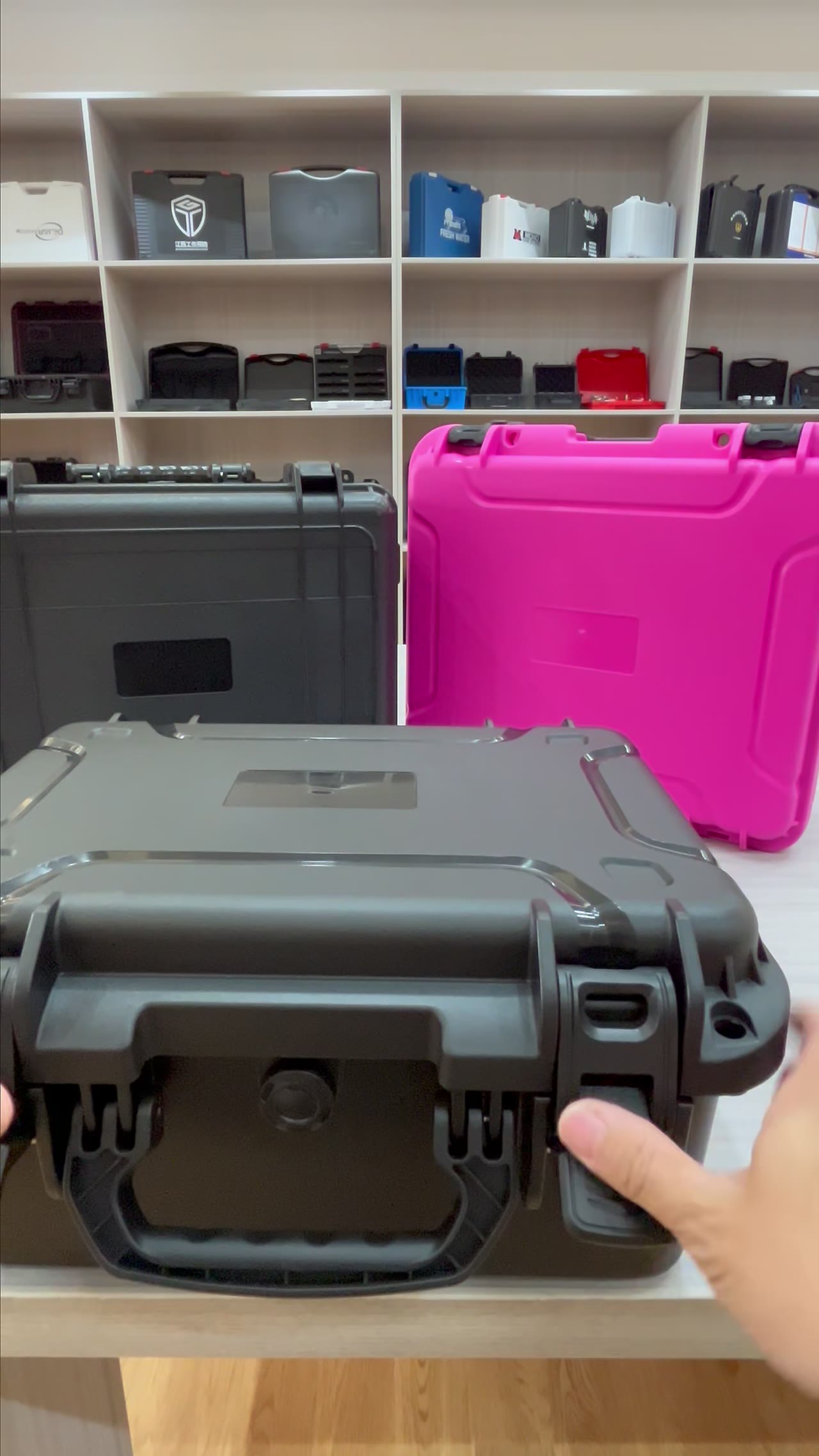
A Few Cases Worth Looking At
Most case searches begin on the outside, with a tape measure and a weight. The inside is what actually decides whether your gear fits, and working outward from the cavity turns the whole choice into subtraction. Once the outer-to-inner volume ratio is known, every point above 1.0 has an explanation: wall, radii, ribs, hardware seats. Three variables then move the answer at any given size tier, and none of them is lid depth, latch type or handle style. Get those right first and the shortlist usually collapses to two candidates.
01Size The Cavity First; The Envelope Is An Output
The cavity is usable clearance, not a nominal figure. Radii, ribs and hinge bosses each take a bite out of all three axes, so a cavity marked 400 mm is generous if a 390 mm object drops in. Step one is to box your gear at its largest outline, add liner thickness on every face, and treat the result as the number you cannot give up.
Only then does the envelope mean anything. The same cavity built with 3 mm walls instead of 5 mm saves 4 mm per side, a dozen millimetres across three axes before radii are counted. Shopping by envelope first usually lands you one tier too large, half empty and heavier every time you lift it. That surplus gets paid for on every trip, not just at checkout.
02A 1.4–1.7 Ratio Shows Where The Volume Budget Went
Divide envelope volume by cavity volume and read the result as a spending report. Near 1.4, material is used tightly: thin walls, few ribs, small radii. Near 1.7, either the structure carries real margin or the cavity is being eaten by radii and reinforcement. Neither number is good on its own. The question is whether the spending matches what you carry.
Comparing across tiers is more useful than judging one. Below about 8 L the ratio runs high, because wall thickness cannot scale down and hardware takes a larger share. If the 8–25 L and 25–60 L groups land close together, the difference is usually cavity shape rather than structure. A sudden jump means ribs are chopping the interior into pieces.
03Variable One: Radii And Ribs Take Usable Space
Take one cavity and change the corner radius from 10 mm to 25 mm. The volume lost at four corners is modest, but the largest square object that still fits shrinks by more than ten millimetres. Ribs bite harder: a 2 mm rib standing 8 mm tall around one wall removes that entire face for lining, and the insert has to route around it with clearance at each corner.
Test it with a cardboard box built to the cavity size. Where it jams first tells you what you are fighting. Corners first means radii; mid-wall first means a bulging rib; a lid that will not close is the only case that points at depth. Settle this before discussing inserts, and the sequence stays right. A ten-millimetre error here costs more than moving up a tier.
04Variable Two: Liner Thickness Is A Second Deduction
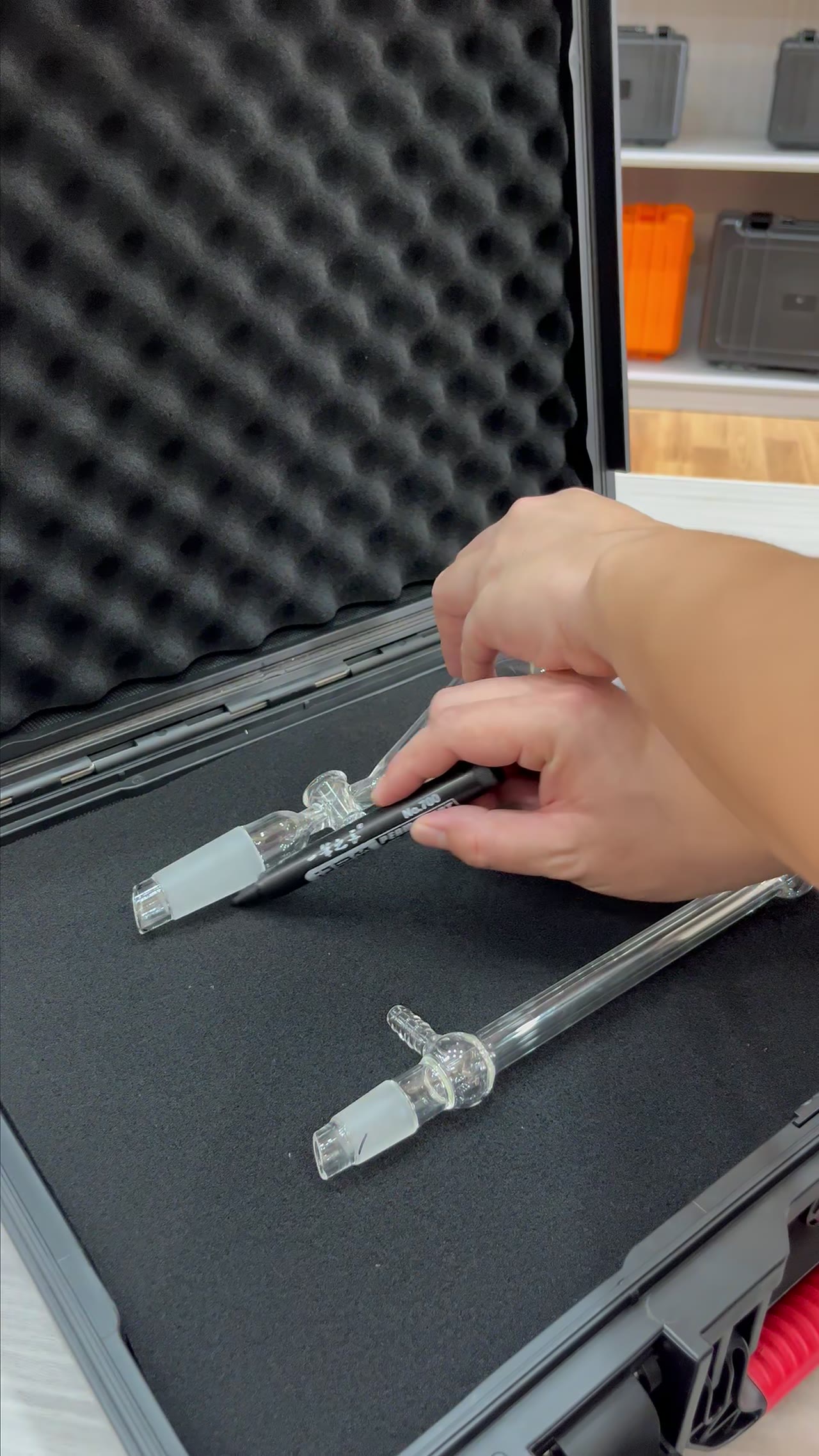
A measured cavity does not guarantee a fit. Wall-hugging foam takes 15–25 mm per face, counted twice on each axis, so a 400×300×150 mm interior lands near 350×250×100 mm of real space. Full-wrap inserts add a flange at the opening and another 5–8 mm. Write liner thickness into the cavity requirement instead of solving it after delivery. The subtraction happens twice, and skipping the second pass is the usual mistake.
Inserts split into two schools. Thin wall-hugging foam suits regular shapes; thick molded foam suits objects with bosses and curves. The first saves volume, the second saves assembly time. Swapping inserts in one case can move usable clearance by 30–50 mm, more than changing tiers, which is why the insert deserves its own row in the comparison. Cheap foam is not a saving, it is a second measurement.
05Variable Three: How It Travels Decides Whether It Leaves The House
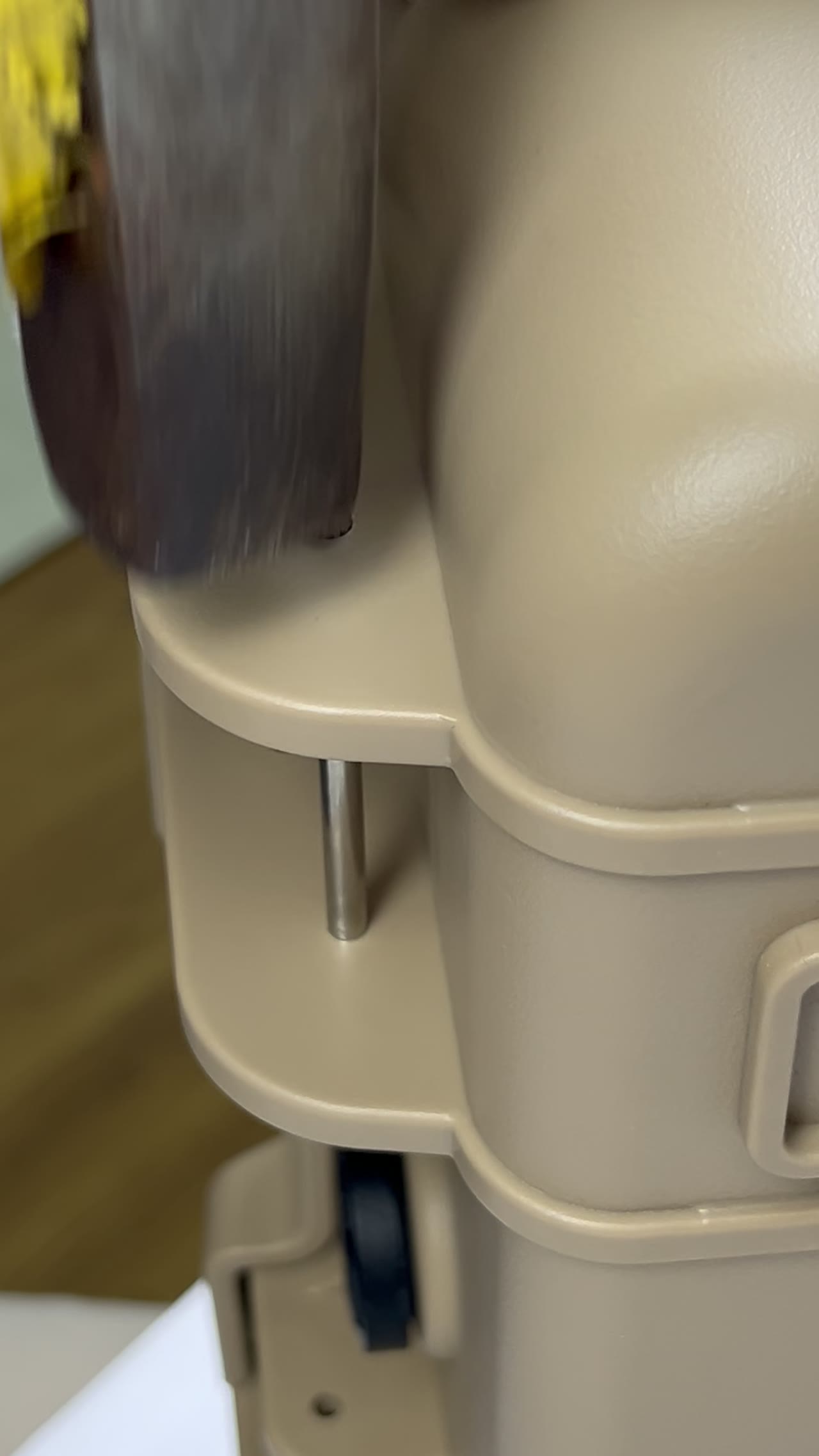
Between 1.5 and 6.5 kg empty, mass is rarely the issue; handling is. Wheels of 50–75 mm decide whether a 15–25 mm doorstep or a paving gap stops you. A two-stage handle versus a fixed grab handle decides how much your wrist pays on a long drag. Stacking two or three units decides whether it can sit at the bottom of a trunk.
These three track size loosely rather than exactly. Wheels on a small tier usually cost more than they return, since the wheel housing eats a corner of the cavity. A large case without wheels gets used half as often. Ask how many times a year the case actually leaves the building before paying for wheels with interior volume.
| Cavity tiers | under 8 L / 8–25 L / 25–60 L |
|---|---|
| Envelope-to-cavity volume ratio | 1.4–1.7 |
| Wall thickness | 3–5 mm |
| Empty weight | 1.5–6.5 kg |
| Liner per face | 15–25 mm |
| Wheel diameter | 50–75 mm |
| Obstacle clearance | 15–25 mm |
| Stacking | 2–3 units high |
FAQ
Why do two cases with the same cavity differ so much outside?
Wall thickness, corner radii, rib height and hardware seats all sit outside the cavity. Going from 3 mm to 5 mm walls adds 4 mm per side, and larger radii push the corner envelope further out. The extra volume is structural, not interior.
Are the three tiers hard boundaries?
They are labels for grouping, not gates. Both the 8 L and 25 L lines have a grey zone, and one case can fall into two tiers depending on how accessories are counted. Measure the cavity on three axes and use tiers only to narrow the shortlist.
Must the liner always be 15 mm or more?
Regular rigid objects can go thinner, but below 15 mm support breaks down at radii and bosses and the object still shifts. Anything with a screen or a lens is better at 20–25 mm, where limiting travel matters more than saving space.
Which variable comes first at a fixed tier?
Insert, then handling, then radii. The insert sets usable clearance and is the hard constraint. Handling decides whether interior volume should be traded for wheels. Radii and ribs affect how easily the thing assembles, so they can wait for the prototype stage.