

Every Device Has Its Place
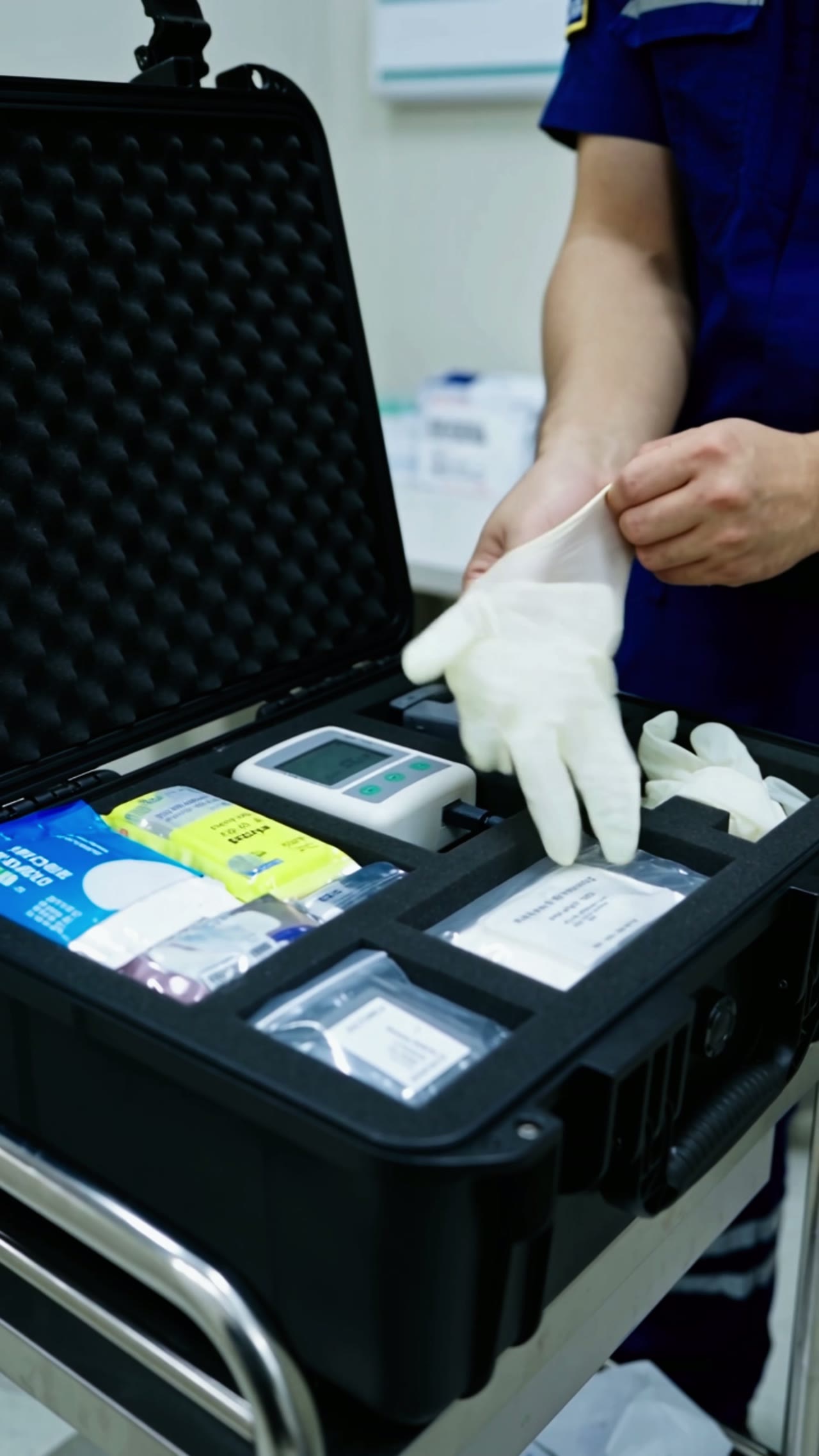
A case holding a dozen devices rarely fails at the hinge. It fails the moment somebody asks where the second battery went. Three habits cover that: a two-part slot code, an inventory card inside the lid, and a packing order set by weight rather than by how neatly things fit. With them in place, a missing item surfaces in ten seconds and a full count closes well inside four minutes. What follows covers the code, the three columns on the card, how deep a pocket should be, and the words two people use when the case changes hands.
01Two Segments Are Enough for a Slot Code
One letter for the zone, two digits for the order: A-03. Zones follow device type; order follows how often an item leaves the case, not how large it is. Longer codes — zone, shelf, layer, sequence — survive the training session but not the third week, when a new hire is still guessing which side zone C sits on. One label for the code and one for the card is plenty; beyond that the lid reads like a notice board.
Each slot belongs to exactly one item. A camera and its spare battery may share a zone, never a number; share it and the card stays complete while the battery is gone. Give consumables a number block of their own, starting past ten. Batteries, cards and cables leave the case most often and take up the least room, so they are exactly the things that need a fixed address before the case degrades into a bag of loose parts.
02The Inventory Card Lives Inside the Lid
Three columns, nothing else: slot, item, quantity. Model numbers and purchase dates belong in the asset system; on the card they only steal type size. Mount it high on the inside of the lid so it meets the eye the moment the case opens. A card on the outer wall looks tidy but gets blocked by a forearm during packing and forces a bend to read. Keep the type at 4 mm or larger so a gloved hand can still follow the line.
Ten seconds is the target for spotting a gap — roughly the time to lift the lid, sweep once and stop on the empty pocket. When it takes longer, the cause is usually type that is too small, or a vacant pocket that looks identical to a full one. A pale base label under every slot settles the second problem: an empty slot reads as a white patch, which beats counting down the list.
03Pack by Weight First, Reach Second
Two rules set the order: heavy items land first, frequently used items sit near the opening. They conflict, and weight wins. An off-centre load costs you in the first three steps of a lift; an awkward reach costs a few seconds each time. A full pack runs 180 to 480 seconds. Finish well under three minutes and something was probably shoved in rather than seated properly.
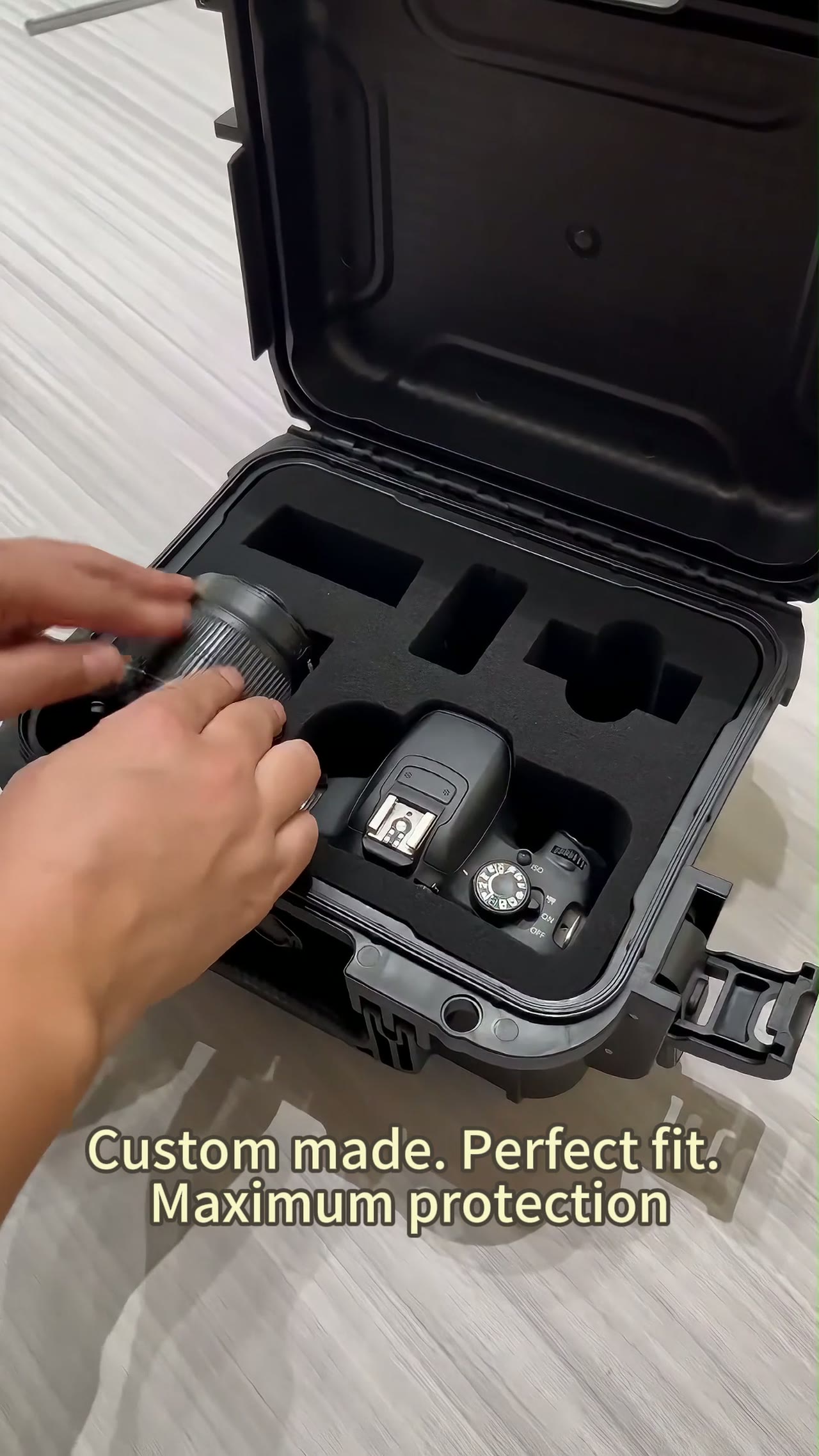
Side clearance sits between 1 mm and 3 mm. Tighter than 1 mm and the device must be forced in, with no purchase for the fingers to pull it back out. Looser than 3 mm and the item walks in transit, so by evening the slot number no longer matches what is inside. The gap exists for the hand, not for the device: the device should be held and the hand should still fit, and those two demands leave only a narrow band.
04A Pocket Reaches 60 to 85 Percent of the Device
Depth runs 0.6 to 0.85 times the height of the device. Under 0.6, a bump lifts the item clear of its pocket and the lid closes on it crooked. Over 0.85, fingers cannot reach the sides and must pinch the top, which fails on anything heavy. Tall narrow items take the low end, flat items the high end.
Finger clearance measures 25 mm to 40 mm, cut on two sides or one corner rather than across the top. Twenty-five millimetres is two adult fingers side by side; forty is the same with a thin glove on. Opening all four corners is the usual mistake: the walls thin out, grip drops, and the device shifts more in transit than it would have with two openings.
05Handover Is Spoken, Not Signed
The person giving up the case says slot and count — A-03, two units — and the receiver repeats it before either hand lets go. Three words per item. This is not courtesy; it aligns two memories at the same instant, which matters at a tailgate in bad light with both hands full. The signature goes after the call, never before, or it becomes a formality nobody reads.
A single-case count runs 90 to 240 seconds. Past 240, the card and the contents have already drifted apart and the fix is to re-map the slots, not to keep counting. Log only three exceptions: missing, misplaced, damaged. Normal items stay off the sheet, because a page full of ticks stops being read. Ninety seconds at pack-out is cheaper than an hour hunting one part the next morning.
| Slot code segments | 2 segments |
|---|---|
| Side clearance | 1–3 mm |
| Finger clearance width | 25–40 mm |
| Pocket depth to device height | 0.6–0.85× |
| Inventory count time | 90–240 s |
| Full pack time | 180–480 s |
| Missing-item detection | ≤10 s |
| Label positions | 1–2 per case |
FAQ
Does a more detailed code reduce mistakes?
Past two segments it works against you. A four-part code survives the training day but not the third week, and misplacement goes up. Two segments plus a card inside the lid gives the eye somewhere to land, which beats two extra levels of numbering.
Should the card list model numbers and serials?
No. Keep slot, item and quantity, and look up models in the asset system. A crowded card forces the type below 4 mm, which a gloved hand cannot read, and the ten-second check stops working.
Is there a normal packing time?
A full pack lands between 180 and 480 seconds. Much faster usually means something was pushed in rather than seated; much slower usually means the slot order no longer matches how often things are used.
Do two people really need to call out every item?
Yes when hands are full and the light is poor. Three words per item: one person calls, the other repeats, and only then does the hand let go. Skip it and a missing part turns up at the site, tens of kilometres from the vehicle.