01Line Capability Is Changeover Time, Not Daily Output
The real capability of a case line is not how many units it ships a day but how fast it changes a mould. Running one model in long stretches makes the takt time look good, while a colour change or a structural tweak costs hours of downtime. A line doing small batches across many models looks slower per unit, yet its changeover time is the actual competitive asset. The first suits stock programmes, the second suits custom orders.
Ask two questions: how many changeovers last week and how long each took, then compare with the number of models shipped that week. A line reporting five or six models but eight-hour changeovers is delivering from inventory, and its real response is slower than it appears.
02Injection and Rotational Moulding Are Different Plants
Injection forces melt into a steel tool on a cycle measured in seconds, often several parts per shot, which suits small and medium shells and tight consistency. Rotational moulding tumbles powder inside a heated tool on a cycle measured in tens of minutes, which suits large hollow parts and thick walls. Layout, energy demand and tooling cost are not comparable between the two.
For a buyer: injection holds dimensions and surface finish better, but tooling is expensive and a structural change means a tool change. Rotational tooling is cheaper and handles large parts, but wall uniformity depends on process skill, and colour and weight drift more between batches. The choice follows volume, size and appearance requirements, not which process is newer.
03Consistency Lives at the Assembly Station
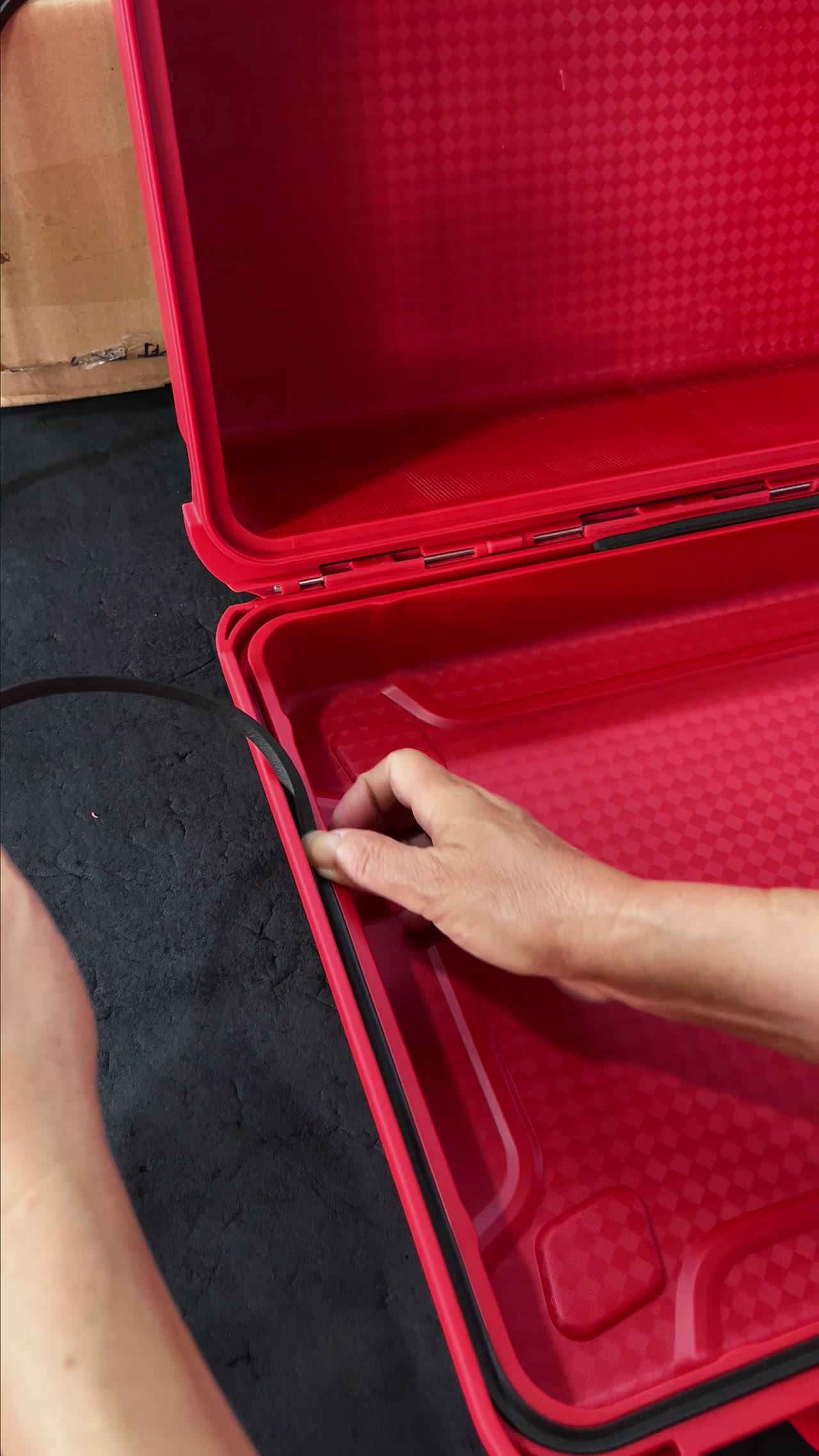
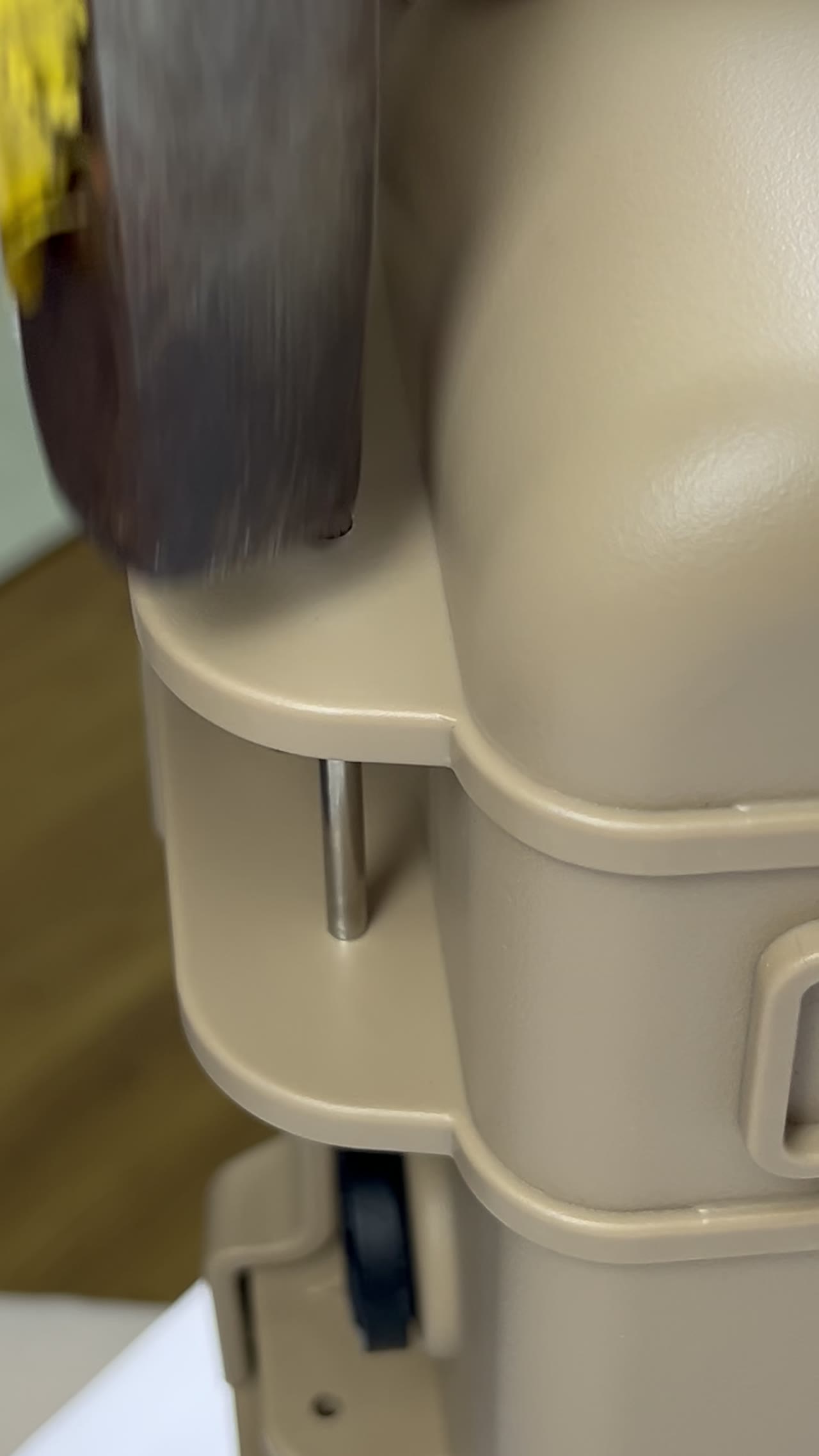
A moulded shell is a半 finished part. Latches, hinges, gasket, insert and badge all go on at assembly. From the same moulding batch, assembly method alone can shift the feel by two grades: latch effort, seam closure and gasket compression all depend on the fixtures and work instructions at the station.
Judge assembly by three things: whether fixtures locate the part instead of relying on feel, whether latches are set with a torque-controlled tool, and whether the gasket has a seating mark. With all three, batch consistency is largely controllable. With eye and hand alone, the first hundred units and the last hundred will not match.
04Custom Capability Sits in Tooling and Secondary Operations
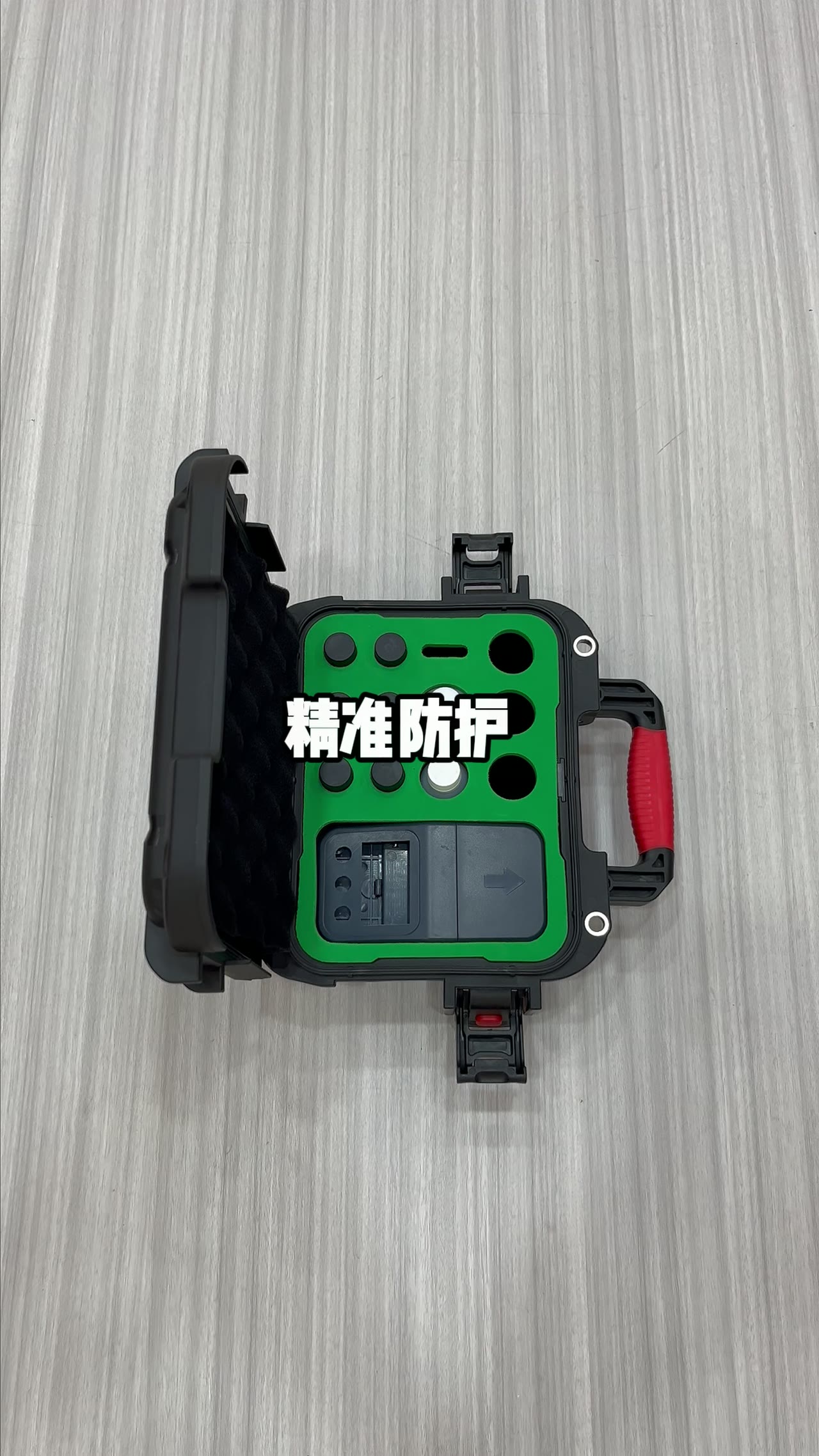
Customisation has three depths. Branding and colour are the shallow layer and touch appearance only. Cut-outs, added dividers and insert changes are the middle layer and touch tooling and secondary operations. Structural or functional changes are the deepest layer and need new or modified tooling. MOQ, lead time and cost differ sharply across the three, so name the layer before asking whether customisation is possible.
The middle layer is the most underestimated. Cutting a port looks simple, but its position crosses the sealing path, and without local reinforcement water enters at the edge first. Ask for a sealing test after the cut, not just dimensional accuracy of the opening.
05Four Places to Look in Half a Day
First, the raw material area: are bags segregated, kept dry, and is regrind ratio labelled. Second, the moulding floor: tooling stored properly, machine check sheets in date. Third, the assembly line: fixtures and written work instructions. Fourth, finished goods: how it is stacked, and whether inspected and pending stock are separated.
The regrind label is the one that exposes most. A high regrind share makes shells brittle in ways appearance cannot show, surfacing only in cold impact or long service. If a supplier cannot state the ratio, quality clauses become very hard to negotiate later.
| Changeover time | key response indicator |
|---|---|
| Injection cycle scale | seconds |
| Rotational cycle scale | tens of minutes |
| Customisation depth | 3 layers (cosmetic / secondary / structural) |
| Assembly consistency | fixtures + torque control |
| After any cut-out | sealing verification |
| Audit focus areas | 4 |
| Most overlooked | regrind ratio labelling |
FAQ
How do I confirm a factory actually manufactures?
Three checks: whether they walk you onto the moulding floor to see machines and tooling, whether they can state how many moulds they own and whose they are, and whether batch process records exist. A showroom plus samples with unclear tooling ownership usually means a trader or an assembly shop.
Does a custom cut-out compromise sealing?
Yes, a cut crosses the sealing path. Do it properly with local reinforcement, a gasket or a waterproof gland, then verify by immersion or spray. Guaranteeing only the hole dimension without a sealing test means water will find the edge in service.
What regrind ratio is acceptable?
There is no universal figure; it depends on structure and application. Cosmetic parts usually keep it low for colour and strength, structural parts can take more. What matters is that the supplier states the ratio and has records. An unstated ratio is the biggest warning sign.
What should I prepare for a factory audit?
Bring three things: the specification and expected volume, the quality criteria you need confirmed, and the process list you want to see. Sending the list ahead lets the factory arrange the right stations and records; otherwise half a day ends at the showroom.