01Foam Is About Compression Margin, Not Thickness
When the lid closes, the insert must put slight pressure on the gear so nothing shifts in transit. Too little and it rattles; too much and the lens mount and body carry load, which loosens over time. A working rule is 5 mm to 10 mm more foam than internal height, compressing evenly rather than propping on one high point.
Test it by pressing the closed lid: if the centre gives more than 2 mm, compression is short; if the lid bulges or a latch needs force, it is excessive. The right range is latches closing smoothly while a gentle shake produces no sound of gear moving.
02Pre-Cut Versus Pluck Foam: Repeatability
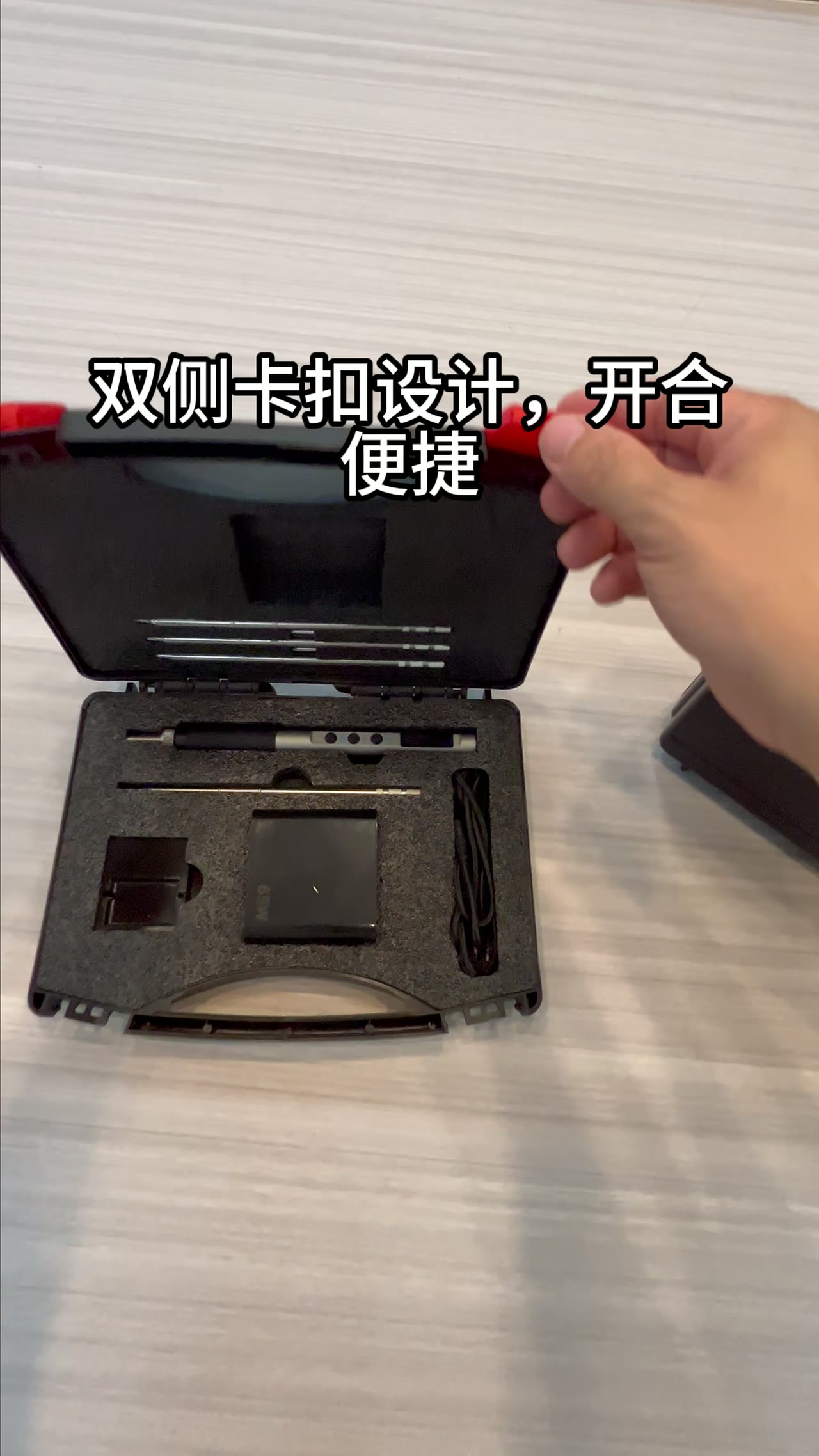
Pre-cut foam is machined to the outline of each item, so every piece has one place and repacking cannot go wrong. Pluck foam is torn along a grid: flexible, but with rough edges and imprecise pockets that shed crumbs after repeated use. Pre-cut suits a fixed kit list; pluck suits users who change gear often.
Shedding is a real problem. Foam crumbs reach the lens mount or body seams, are awkward to clean, and can scratch glass. Pre-cut foam has treated edges and sheds far less. If pluck foam is used, brush it out after tearing and lay a thin pad at the bottom of each pocket.
03Body and Lens Take Load in Different Places
A body fears load at the mount; a lens fears side load on the barrel. Storing a body with a long lens attached and standing upright puts the whole weight through the mount, and transport vibration amplifies it through the lens as a lever. That is one of the most common ways photo gear fails. Store the body and long lens separately, or lay the lens on its side with foam supporting the barrel.
A short lens can stay on the body, but the body base should rest on foam rather than the lens hood pressing the case wall. Check by lifting and gently rocking the case: a stable centre of gravity means the layout is right; a clear bias to one end means heavy items belong nearer the middle.
04Lid Pockets Are Handy, Until Something Hard Goes In
Lid pockets suit cards, batteries, cloths and filters, all light and quick to reach. But they hang on the inside of the lid, so a hard item sits directly over gear and becomes a point contact that hammers it every time the lid closes. Batteries and metal fittings belong in separate cells, or in a padded pouch.
Weight is the other issue. A lid loaded with batteries shifts the centre forward when opened and the case tips back. With many batteries, put them low in the case near the hinge and keep the lid for light items. This is worth settling at sample stage rather than discovering it in the field.
05List the Gear First, Size the Case Second
The order should be: list the kit (bodies, longest lens length and diameter, accessory volume), derive internal dimensions from the largest envelope, then add foam thickness and access clearance. Choosing a case first and fitting gear into it usually ends with a long lens that will not fit, or half the volume wasted.
Allow three margins: 5 to 10 mm of foam compression, 15 mm of finger clearance each side, and room for one future purchase. Together they often push you one size up from instinct. If a tripod travels too, confirm external mounting points rather than forcing it into the main compartment.
| Foam thickness margin | 5–10 mm above internal height |
|---|---|
| Closed-lid compression | centre gives ≤2 mm |
| Access clearance each side | ≥15 mm |
| Body and long lens | stored separately |
| Lid storage | light items only |
| Battery placement | lower half near hinge |
| Sizing order | kit → largest item → internal size |
| Future margin | one additional item |
FAQ
Can I cut the foam myself?
Yes, but edges are hard to finish and shed crumbs. Use a sharp blade in one pass rather than sawing back and forth, brush it out afterwards, and lay a thin pad in each pocket. Crumbs reaching the lens mount are worse than a slightly uneven cut.
Can a lens stay on the body in the case?
A short lens can; a long one should not. Standing a long lens upright puts its weight through the mount as a lever, and transport vibration amplifies it. The usual damage is not a drop but a mount that loosens over time.
How much spare space should the case have?
Allow room for one future purchase plus 15 mm of finger clearance each side. Too much and gear shifts; too little and access becomes awkward. Fifteen millimetres is the practical balance.
Can batteries go in the lid?
Light ones can, but a lid full of batteries moves the centre forward on opening and tips the case back. Batteries sit more stably in the lower half near the hinge, with cards and cloths left in the lid.