01Who Holds the Tooling Sets Your Change Lead Time
Buyers ask whether a structure can be modified; the better question is where the tooling sits and who maintains it. A factory with in-house tooling can move a rib or a latch pocket on a schedule counted in days. With outsourced tooling, the mould shop has to be booked and its machines scheduled, so the cycle runs in weeks, and change records are split across two parties.
Verification is simple: ask for the tooling register (number, cavities, product, maintenance history), then look at the storage area for racking and rust protection. A register that does not match what is on the floor means loose control; moulds sitting on the ground mean maintenance will be late.
02Why Latches Are Still Fitted by Hand
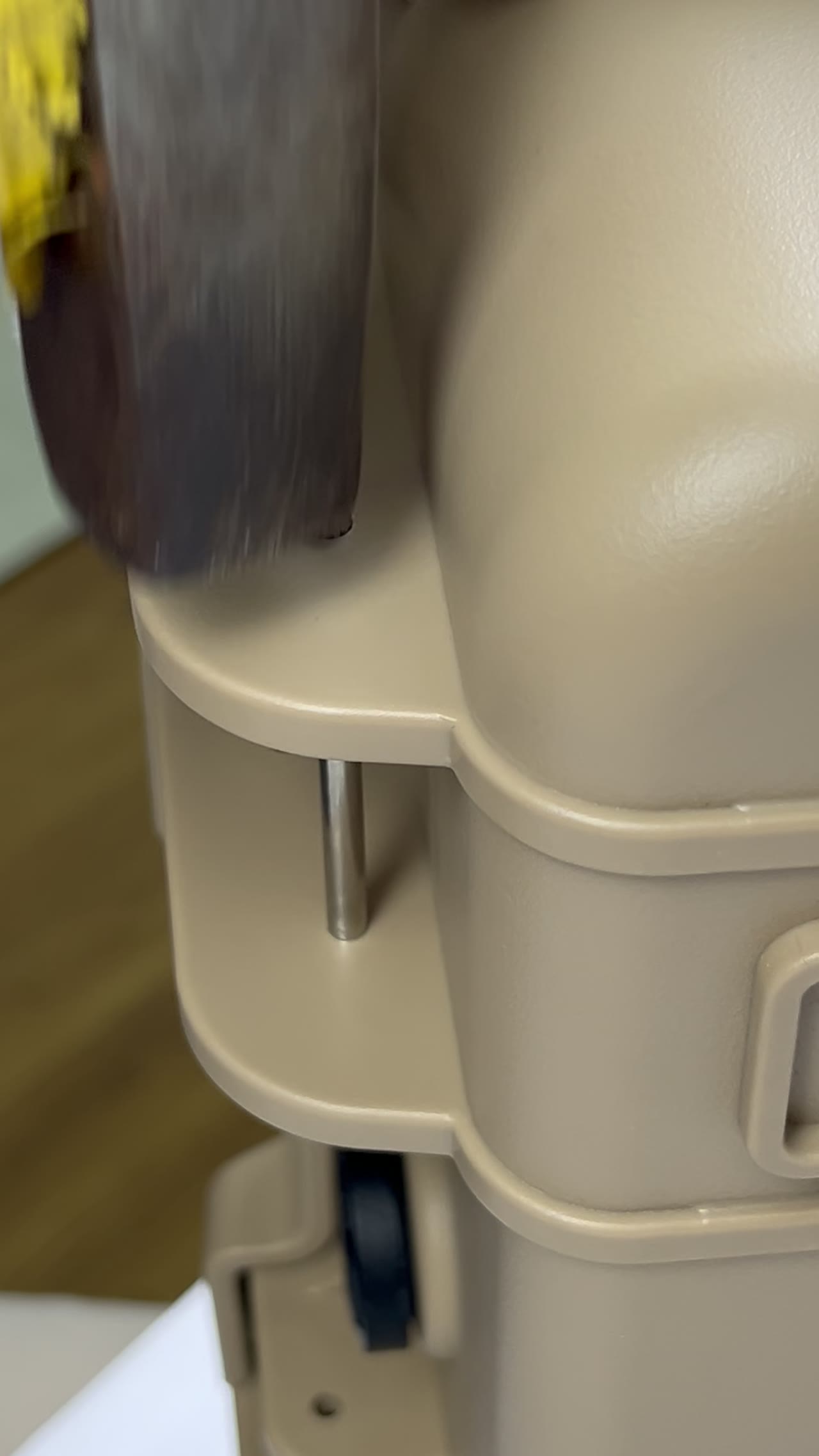
Fitting a latch looks trivial but must satisfy three things at once: precise alignment with the moulded opening, closing effort inside the design range, and even gasket compression around the latch. A fully automated station suits one high-volume model; once models change, retooling costs more than it returns. Hand fitting with locating fixtures and torque-controlled tools suits many models in smaller batches.
So hand-fitted does not mean arbitrary. Three things are verifiable: a locating fixture at the station, torque-controlled fastening, and a self-check cycling the latch after assembly. With all three, hand assembly matches an automated line for consistency. Miss any one and the feel drifts between batches.
03Does the Flow Cross Itself?
A sound flow runs one way: raw material, moulding, trimming, assembly, inspection, packing, finished goods, with no doubling back. Crossing flows cause two problems: offcuts sharing space with finished parts and scratching surfaces, and work-in-progress from different models mixing into wrong assemblies. Neither shows up in finished-goods sampling.
Look at two things on site: whether work-in-progress carries a clear model label and travelling work order, and whether finished and pending-inspection areas are physically separated. If operators distinguish models from memory, work-order control is not in place, and wrong assembly risk rises with volume.
04A Half-Day Audit Route That Works
Walk the process, not the showroom: raw material 20 minutes, tooling 20, moulding 40, assembly 30, inspection 30, finished goods and packing 20. That is about two and a half hours, leaving an hour for records and questions — enough for half a day.
At each stop, ask for at least one record: raw material batch and regrind label, tooling maintenance history, machine check sheet, assembly work instruction, inspection raw data. Seeing machines without records tells you capability, not execution. Missing records are a stronger warning than old equipment.
05Three Lists to Bring
First, specification and volume: model, dimensions, colour, annual usage and first order. Second, quality criteria: sealing requirement, drop height, service temperature, cosmetic acceptance. Third, the process and record list you want to see, sent ahead so the factory can arrange the right stations.
Bring two more things: a competitor or current sample for comparison, and a question list built from problems you have hit before. Arriving empty-handed buys you a demonstration; arriving with lists buys you a look at execution.
| Tooling checks | 3 (register / storage / maintenance) |
|---|---|
| Assembly controls | fixtures + torque control |
| Audit stops | 6, in process order |
| Suggested duration | half a day (about 3.5 h) |
| At each stop | at least 1 record |
| Flow principle | one direction, no doubling back |
| Bring along | 3 lists + 1 comparison sample |
| Biggest warning sign | missing records |
FAQ
How far ahead should a factory visit be booked?
Five to seven working days normally; two weeks in peak season or when you need to see a specific model running. Give the specification, volume and process list when booking so the factory can schedule that line, otherwise you may see idle stations.
Is in-house tooling always better than outsourced?
Not necessarily. In-house means fast changes and clear traceability, but needs a tool room and skilled staff, so fixed cost is higher. Outsourcing lowers initial spend and suits small trial orders. Judge on change response time and whether tooling maintenance responsibility is clear, not on the label.
Is hand assembly consistent enough?
It depends on locating fixtures, torque-controlled tools and a self-check step. With all three, consistency matches an automated line and suits many models in small batches. Without them, feel varies noticeably between batches, and latch effort is the easiest place to see it.
Should a third party be brought in for the audit?
For a first order or a large one, yes: a third party delivers a structured report with photographic evidence that supports later claims. For routine re-audits, walking the process yourself is enough, provided you look at records rather than equipment. Either way, sending a checklist ahead raises the value sharply.