

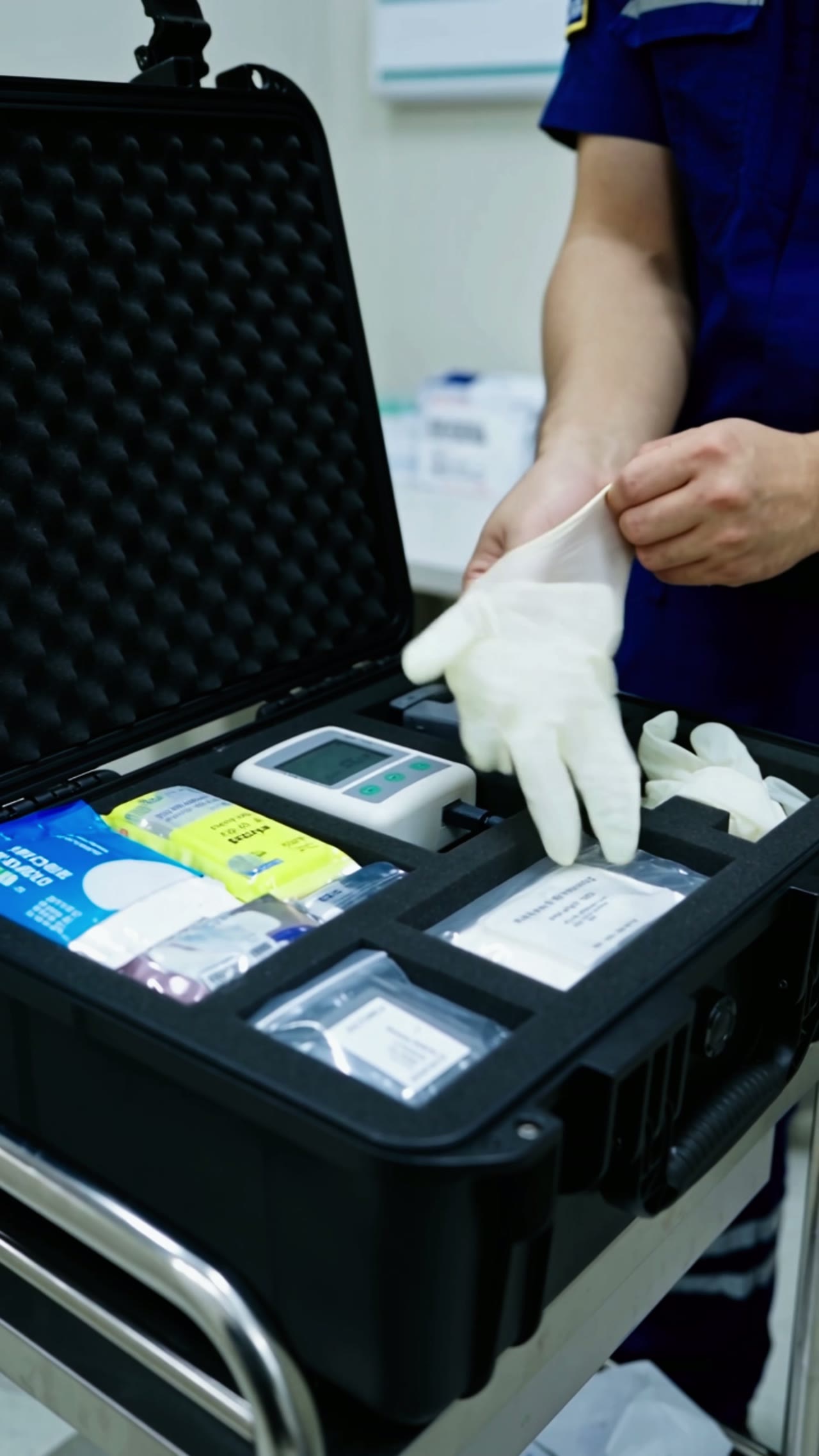
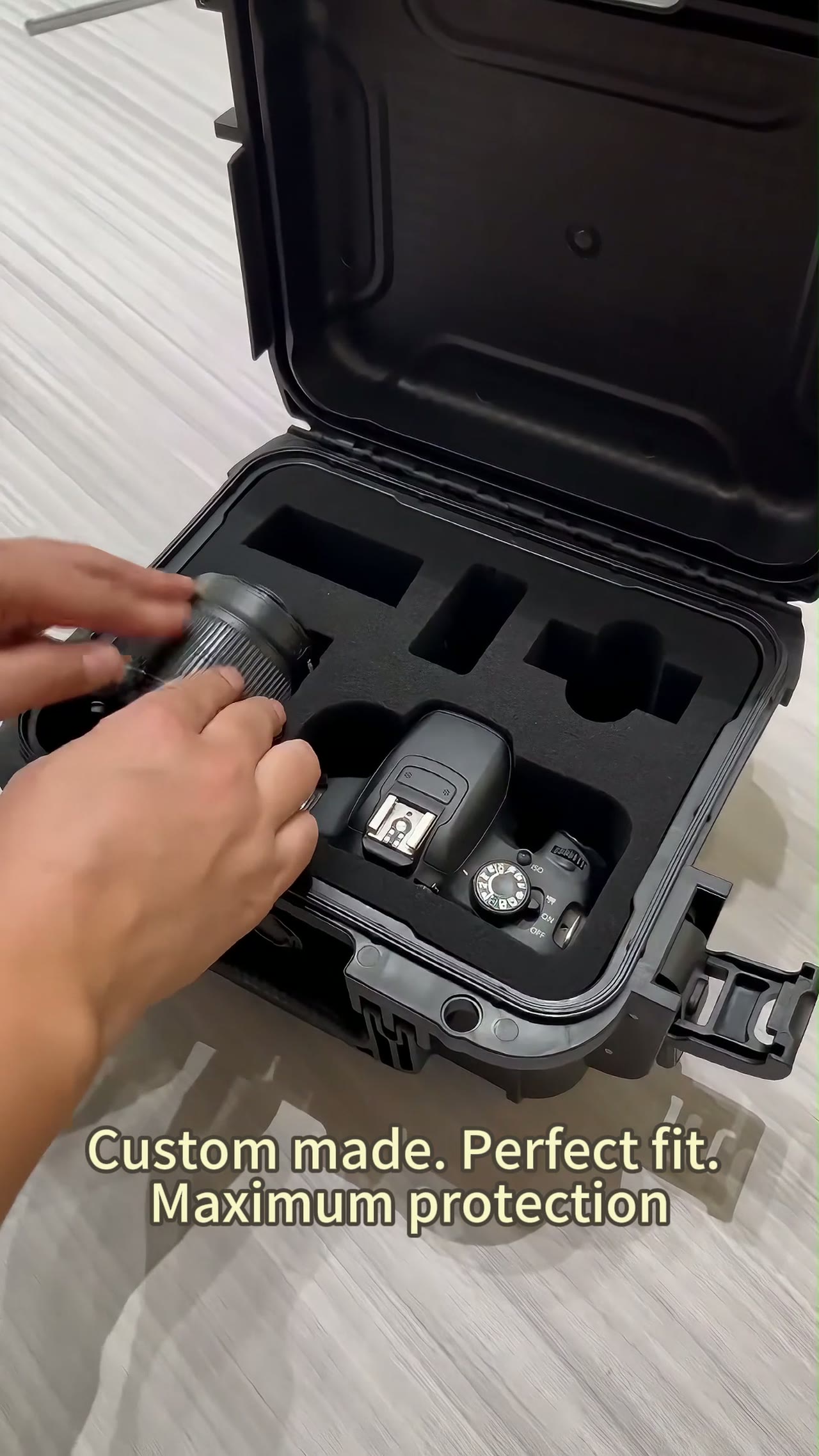
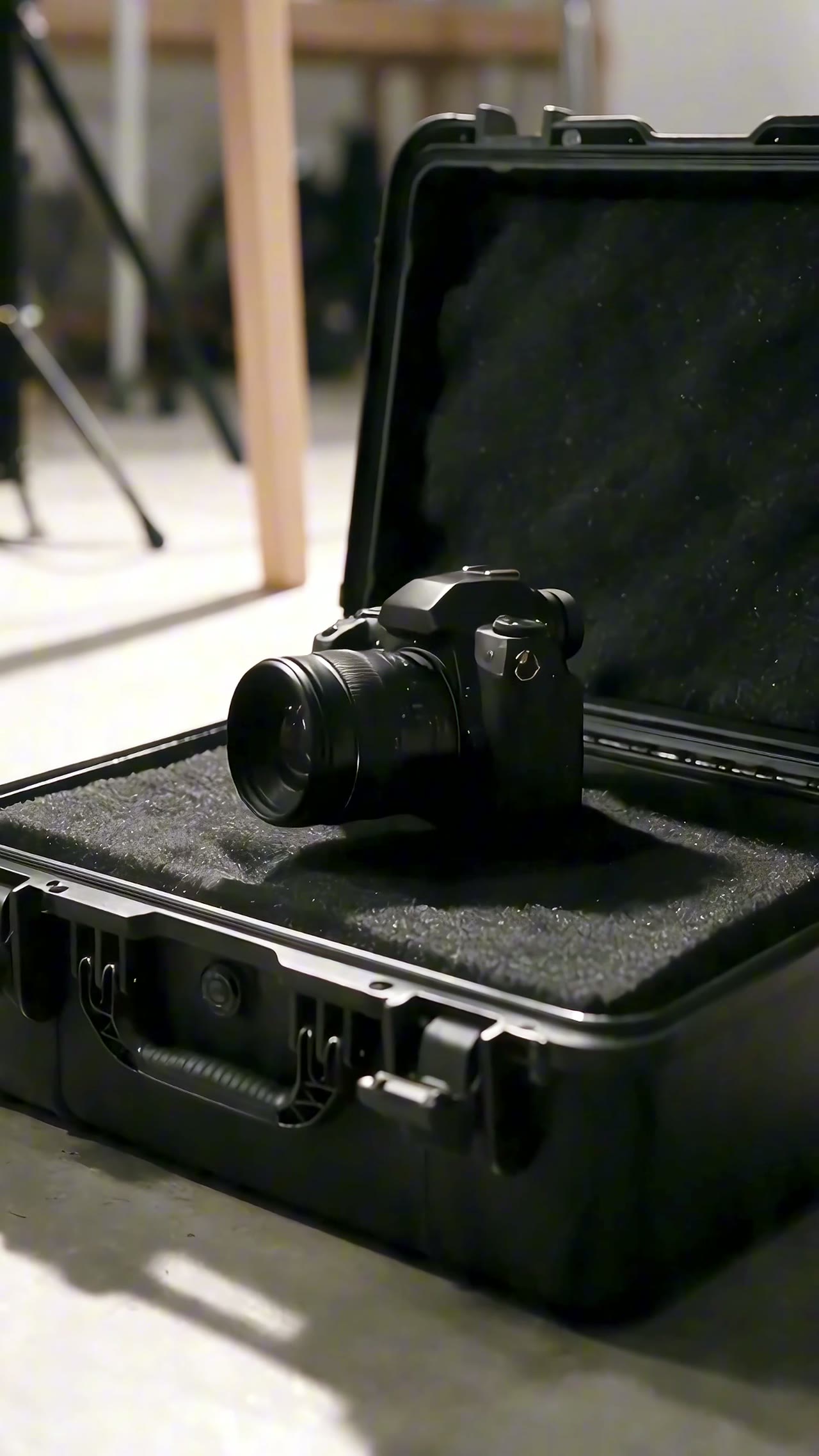
Device Protection: From Worry to Confidence
Equipment rarely dies from one dramatic drop. It wears out slowly, from being carried, stacked and left sitting in damp air at the back of a warehouse. Sort a year of repair tickets by cause, and handling impacts plus stack crush usually account for about seventy percent of the total, with vibration, moisture, dust and heat cycling splitting what is left between them. What follows is a cause table and eight checks anyone can run on arrival, done in 600–1200 seconds, then the five places worth a second look once the first season is over.
01Six causes, and the first two take seventy percent
Group a year of repairs by cause and handling impacts usually run 35–45%, stack crush 20–30%, and together they clear seventy percent. Vibration in transit takes 10–18%, moisture and condensation 8–15%, dust and grit 5–10%, thermal cycling and UV 3–8%. Treat those figures as an order of spending rather than audited statistics; every warehouse shifts them a few points.
So spend in that order. The first two are answered with wall thickness, rib placement, insert clearance and internal restraint. Vibration is answered by a snug insert and securing the device itself. The last three want a continuous gasket, desiccant and a dark shelf. Adding 0.5 mm to a loaded corner buys more reliability than a fancier gasket ever will.
02Four checks on arrival: look, weigh, close, lift
First, look: corners, ribs and latch seats for white marks or dents, wall thickness even in raking light, bubbles and flow lines usually sitting at a rib root. Second, weigh: compare the bare case against its stated figure, and if it is off by more than 10%, hold the signature and ask the supplier to open one in front of you.
Third, close: shut an empty case and listen for a continuous crush along the gasket, then try a strip of paper in the side gap — if it slides in easily, compression is short. Fourth, lift: raise one corner until the opposite corner clears the floor by 100–150 mm and watch for twist or noise. Both take under 120 seconds and tell you more than ten pages of specification.
03Four more: fit, load, tip, log
Fifth, fit: load the actual equipment. No visible movement between insert and device, and if a finger slides into a gap with no resistance, the cut is loose. Sixth, load: stack empty cases with 40–120 kg on the bottom one, leave it, then measure how far the lid sinks. Past 2 mm, add ribs or change the stacking pattern rather than shimming it flat.
Seventh, tip: with the case loaded, lay it on its side and then upside down for a dozen seconds each, checking for latches that pop and inserts that shift. Eighth, log: case number, date, inspector and photographs of anything odd — all four, or the record is not closed. The whole sequence runs 600–1200 seconds, roughly the freight on one return repair.
04Three pass criteria before you sign
One: no visible cracks or permanent set, and latch effort even from side to side. Two: the gasket compresses continuously, paper will not pull out, and humidity inside settles at 40–60% RH, lower with desiccant. Three: after a loaded drop from 0.8–1.5 m, scuffs are acceptable; cracks, failed latches and shifted inserts are not, and no amount of packing tape turns a failure into a pass.
Fail any one and do not sign, and do not console yourself with using it for now. Take the drop height from the worst handling scenario on your own route, not the highest number a bench can produce. Take the stack load from the shelf count in your own warehouse, not the supplier's ceiling. Put the criteria into the purchase order, and any argument six months later has a reference point to work against instead of a memory of how the demo felt.
05At 2160 hours: five places to look again
A quarter is roughly 2160 hours. Re-inspect five places: gasket flattened or hardened, latch and pin play, permanent compression in the insert, fine white crazing on the shell, desiccant saturated. Photograph each from the same angle as acceptance day; side-by-side frames beat memory by a wide margin when you are trying to decide whether anything actually moved, and they survive a change of staff.
Grade the result three ways. All five normal, keep going. One or two faults, replace the part and write the date on the label inside the lid. Three or more, retire the case — do not repair it. Repeat each quarter, and by the second year the pattern shows which damage segment actually dominates in your industry, rather than which one worries people most.
| Leading damage source share | 35–45% |
|---|---|
| Acceptance checks | 8 checks |
| Acceptance time | 600–1200 seconds |
| Reference drop height | 0.8–1.5 m |
| Reference stack load | 40–120 kg |
| Internal humidity band | 40–60% RH |
| Re-inspection interval | 2160 h |
| Pass criteria | 3 criteria |
FAQ
Must acceptance testing use the real device?
For the fit check, yes. For the drop, no — ballast the empty case to its working weight and keep the centre of gravity close to the real payload, or the result means little.
How is internal humidity measured?
Leave a small hygrometer inside, close the lid and read it after 1–2 h. Anything from 40–60% RH passes; a reading above 60% points to a gasket leak or spent desiccant rather than a bad meter.
Do uneven latch efforts count as a defect?
Yes. A clear left-right difference points to a tooling or assembly error that will fatigue one side long before the other. Catch it at acceptance, not six months into service when the lid has already learned to sit crooked.
Does the quarterly check mean stripping the case?
No. Open the lid for gasket and insert, lay it on its side for the latches, turn it over for the corner wear. Only a case with obvious pin play needs fasteners touched, and that is one case in a batch.