


Quick answer: Select an ammunition chest by capacity, dividers and locking, and only then by door count. Capacity follows stock plus turnover, dividers set counting speed, locking decides whether management works. Dividers are the step most often skipped, and without them a count means unloading everything.
Table of contents
- Choosing an ammunition chest: three priorities in order
- Capacity: stock plus one turnover
- Dividers: where counting speed comes from
- Locking: three-point locks and key tiers
- Fixing and environment: last on the list, not last in thought
- FAQ
1. Choosing an ammunition chest: three priorities in order
An ammunition chest differs from a store cupboard by management: it must lock, count and trace. So the first three questions are capacity, dividers and locking — not doors and shelves.
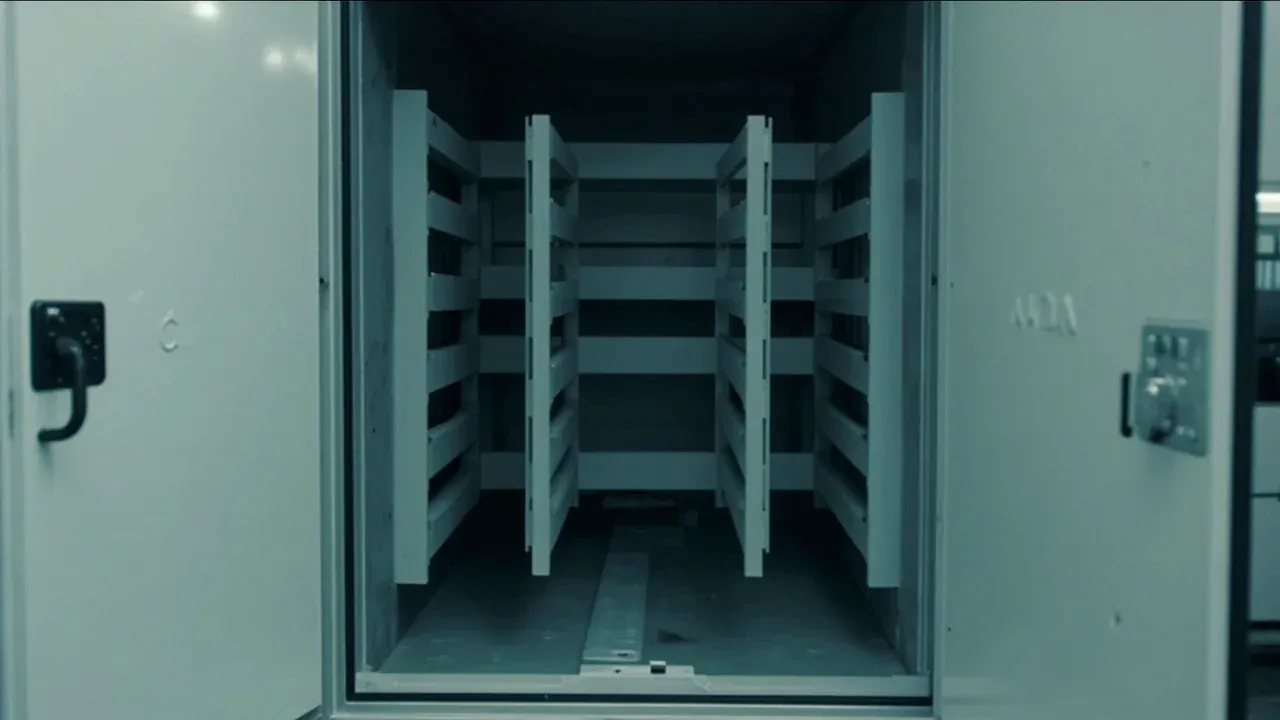
Reverse the order and the cost shows: choosing doors first buys shallow compartments that heavy items do not fit, and cutting dividers to save money means half a day extra per count.
| Item | How to size | Typical | If wrong |
|---|---|---|---|
| Capacity | stock plus one turnover | 200 to 600 litres | half empty or stacked at the door |
| Dividers | one compartment per category | by category | counting means unloading |
| Locking | per key tier requirement | three-point or cabinet lock | no traceability |
| Fixing | per floor and wall | feet plus anti-tip | shifts when knocked |
2. Capacity: stock plus one turnover
Size on stock plus one turnover, not on everything: standing stock plus a batch that has arrived but not been issued, then twenty percent headroom. Size on stock alone and new deliveries sit on the floor.
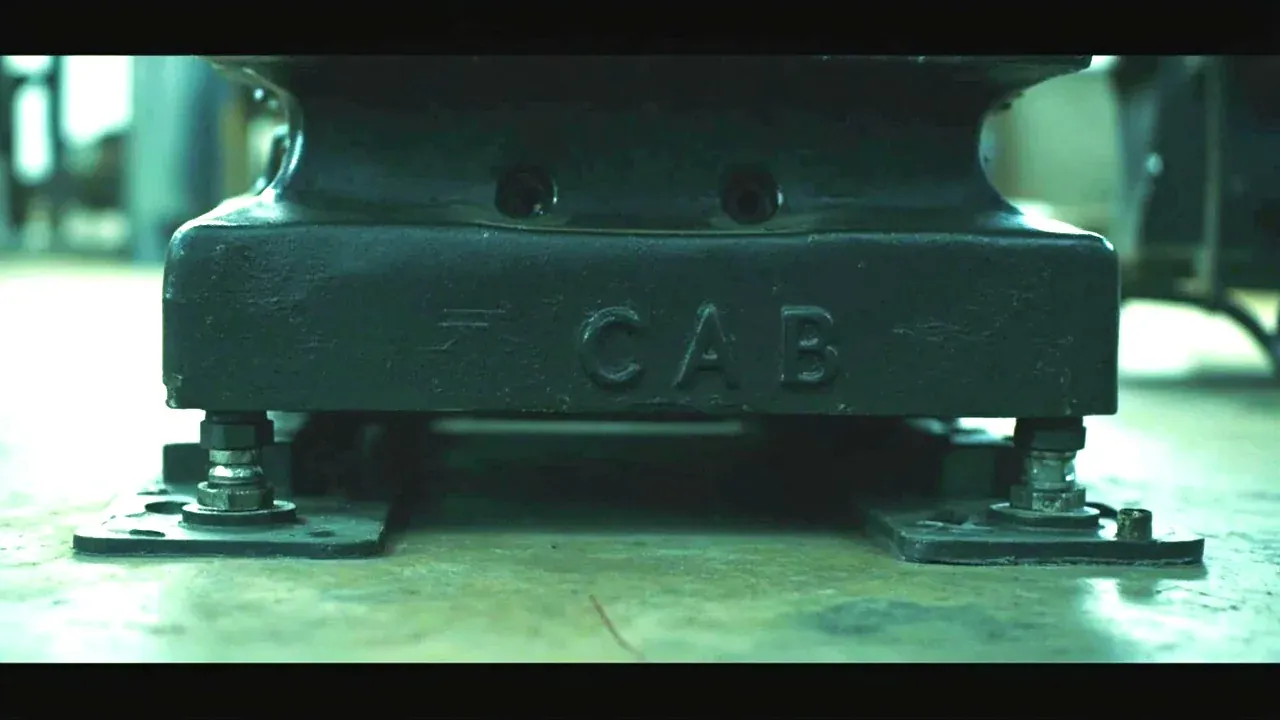
Net volume also loses space to dividers and shelves — typically seventy to eighty percent of nominal, less with more shelves. Ask for the difference between nominal and usable.
3. Dividers: where counting speed comes from
Dividers turn a pile into compartments: with them a count is compartment by compartment and a gap is visible at once; without them everything comes out and goes back, tripling the work.
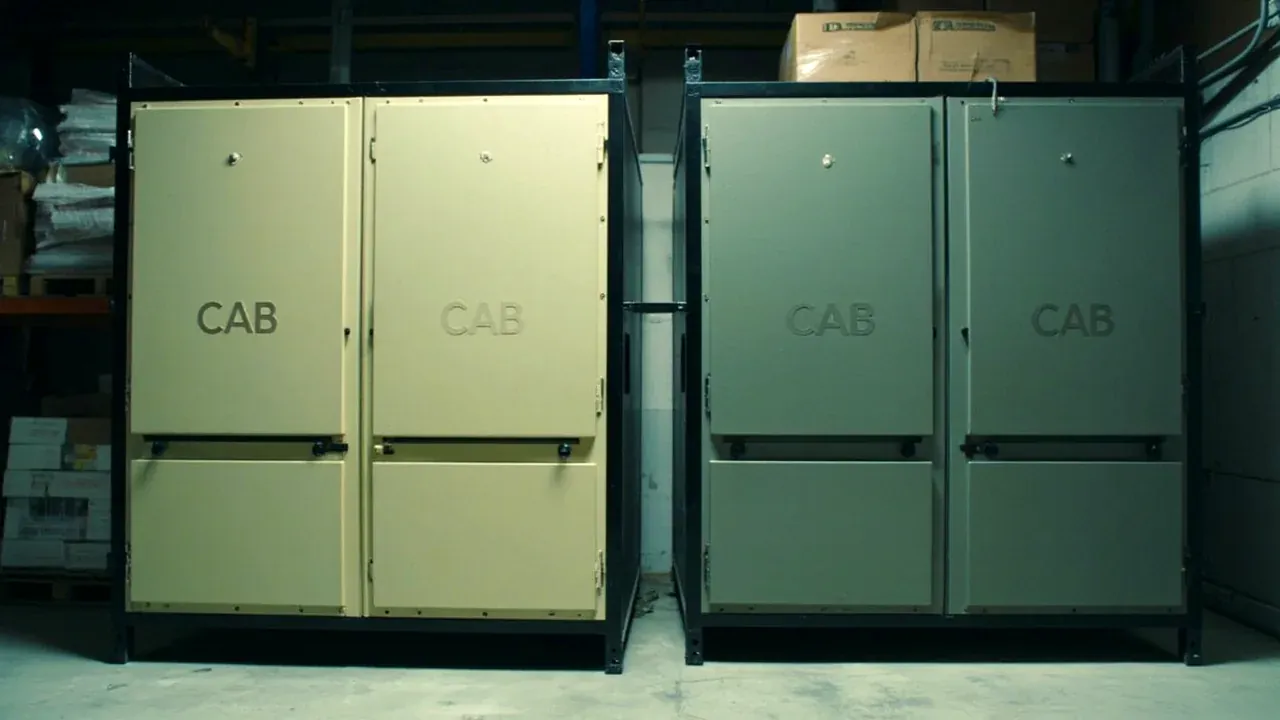
Match the division to the categories. Same category, different batches in separate compartments traces best; mixing categories saves space but forces a search. Category across, batch down is the usual compromise.
4. Locking: three-point locks and key tiers
Two conditions: it cannot be pried, and it can be traced. Three-point or linked locking covers the first; key tiers for manager, supervisor and duty officer cover the second, with a record on opening.

One detail is missed: door-to-body gap. Beyond three millimetres a pry bar fits; too tight and a damp-swollen body will not close. One to two millimetres is the band, measured with feeler gauges.
5. Fixing and environment: last on the list, not last in thought
A loaded chest can weigh hundreds of kilograms and a forklift nudge shifts it, distorting the frame and misaligning the bolt. Fix by floor type: anchors into concrete, load-spreading plates on raised floors, an anti-tip bracket and ballast in temporary stores.
Check the environment too: in a damp store condensation forms inside and cartons soften. Desiccant changed on schedule, or louvred panels, solves it — not a chest feature, but it decides whether the chest works.
Conclusion
Three steps: capacity from stock plus a turnover, dividers from categories and batches, locking and key tiers from management. Then doors and finish, and finally fixing and environment — absent from the quotation, decisive over five years.
This article covers container-side specifications and design implications only, not the handling, loading or use of the contents.
Related Reading
- Ammunition chest versus case
- What an ammunition box is
- Choosing an ammunition storage container
- Case seal materials
Related Products
- 8 Series — Gun Cases; Military Equipment Cases; Camera Equipment Cases; Drone Cases; Watch Cases; Knife Cases; First Aid Cases; Electronics Equipment Cases
- WL8-2812 PP Gun Case — model WL8-2812
- All protective cases and toolboxes: 7 series, 158 models