


Quick answer: Three lines cross to fix an ammunition storage container: stock sets capacity and count, turnover sets access and stacking, climate sets material and sealing. Draw all three and the model is nearly unique; choose on capacity alone and it is replaced by year three.
Table of contents
- The three selection lines
- Stock line: bigger units are not cheaper
- Turnover line: opening method and stack height
- Climate line: sealing level and desiccant
- Where the three lines cross
- FAQ
1. The three selection lines
Stock sets how much: standing quantity divided by unit capacity gives the count. It is the easiest line and the most often mistaken for the whole answer — five hundred kilograms can be ten fifty-kilogram boxes or two two-hundred-fifty-kilogram cabinets.
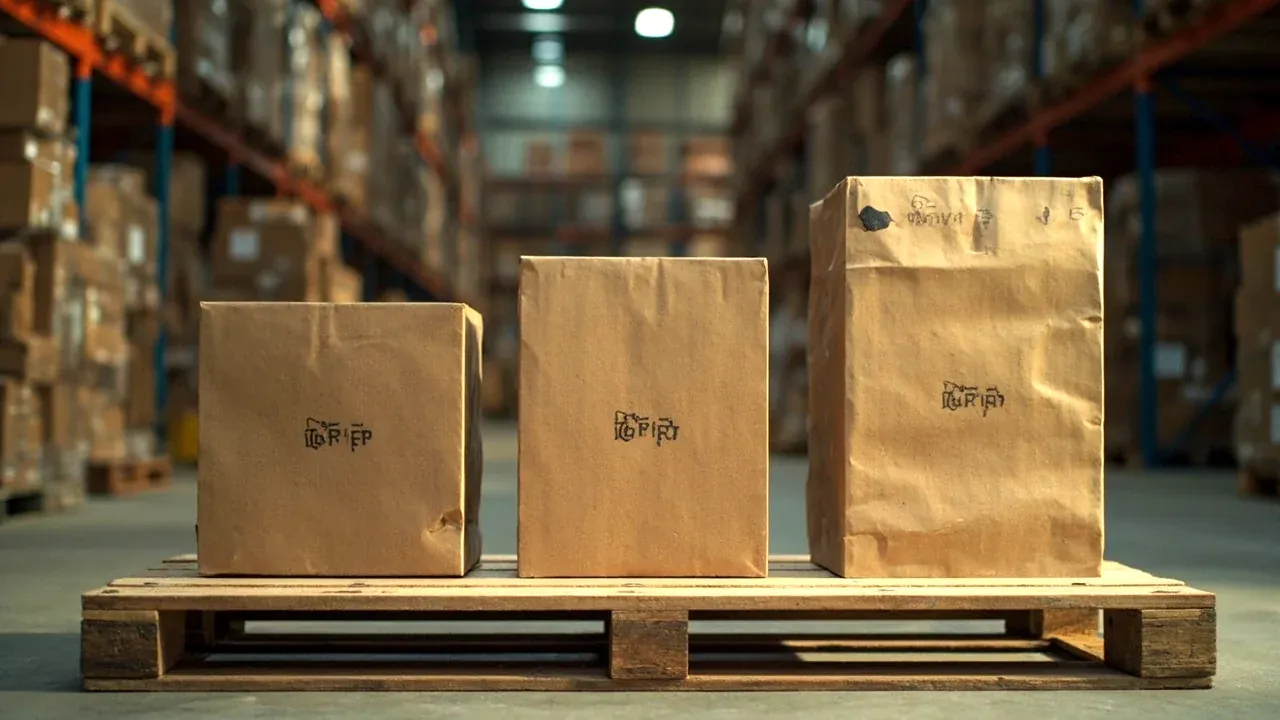
Turnover sets how it is reached: daily access needs single-unit opening and carrying, quarterly access can move whole pallets. Climate sets how long: a stable store needs ordinary sealing, a swinging one needs a full gasket plus desiccant. Only the crossing fixes both form and count.
| Line | Input | Decides | If wrong |
|---|---|---|---|
| Stock | standing plus turnover | unit capacity and count | half empty or stacked at the door |
| Turnover | picks per day | opening and stacking | three units moved per pick |
| Climate | humidity swing | sealing level and material | condensation, damp cartons |
2. Stock line: bigger units are not cheaper
Larger units cost less per litre but cost more to move: a two-hundred-kilogram container needs two people or a forklift and has to be brought to the point of use, while ten twenty-kilogram units are carried by hand and picked individually.
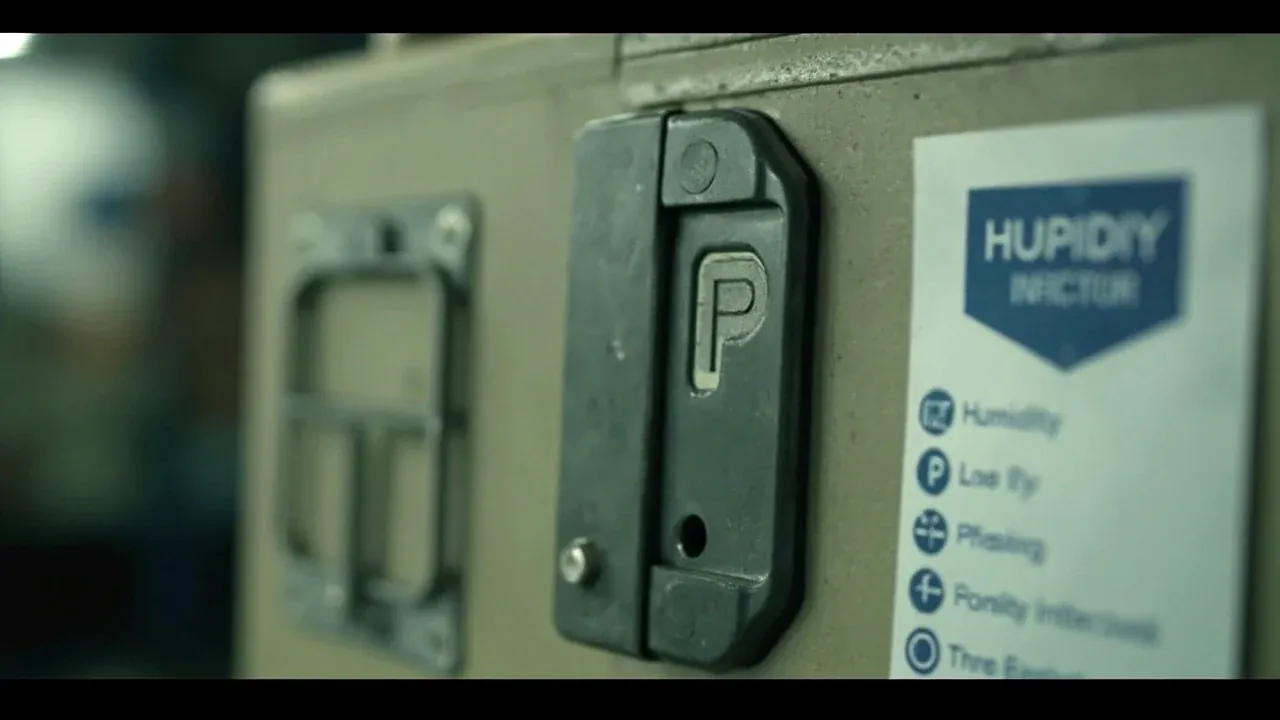
The practical band is twenty-five to forty kilograms loaded: below that the unit count and management burden grow, above it a single person cannot lift. With forklifts and no single-unit picking, two hundred kilograms and up is a different form entirely.
3. Turnover line: opening method and stack height
Containers used daily must open while stacked: either a drawer that slides out of a frame, or a front hatch. Drawers suit light items, hatches heavy ones.
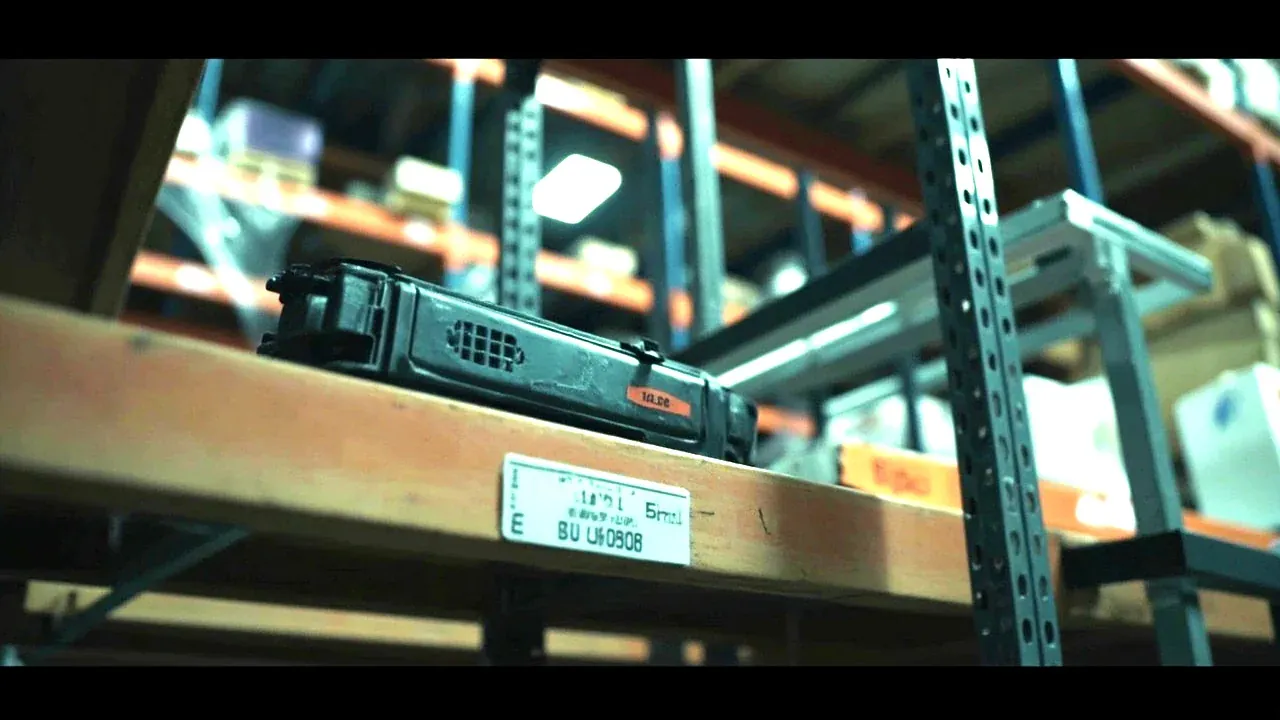
Quarterly access allows whole pallets to be forked out, so the container needs no individual opening and stacks can go five or six tiers — provided the bottom tier is rated for the loaded tiers above, not for an empty box.
4. Climate line: sealing level and desiccant
Humidity swings under ten percent are served by an ordinary gasket; above twenty percent need a full seal plus desiccant sized by volume, not by box count — two sachets against ten in a two-hundred-litre unit differ threefold.
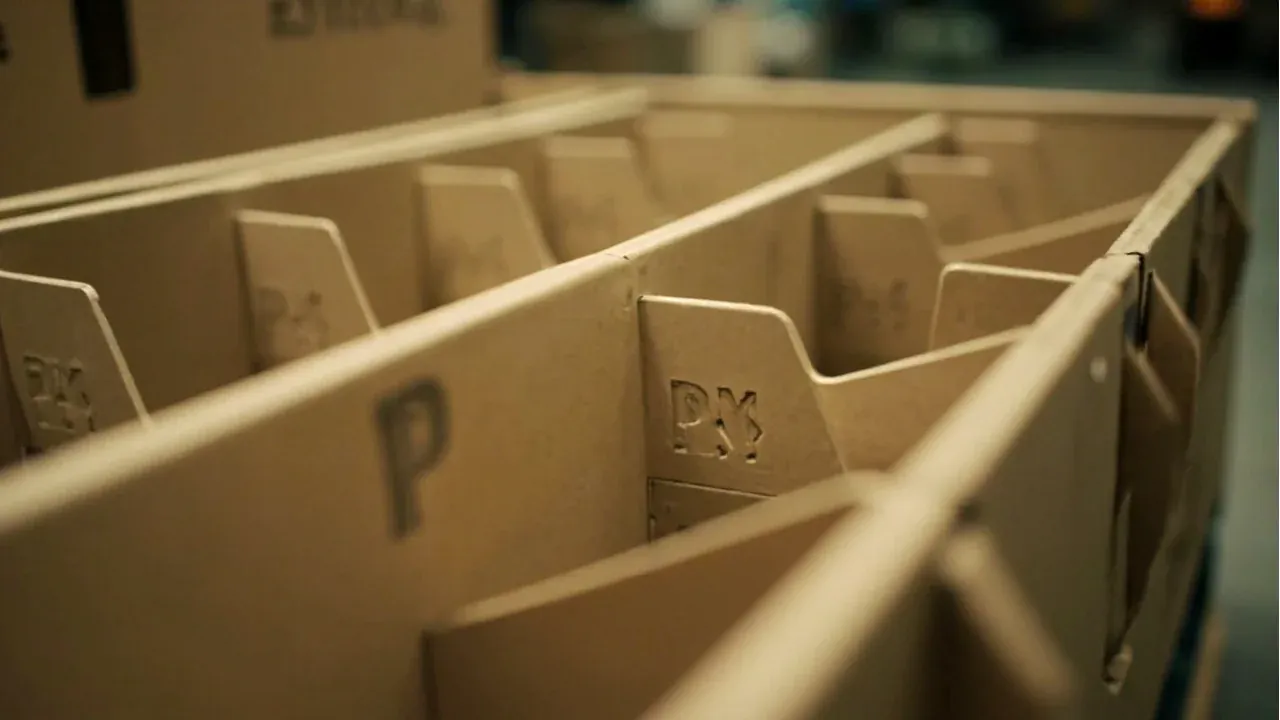
Temperature matters: with a daily swing above eight degrees the inner wall condenses at the moment of cooling, when internal humidity peaks. Keep containers off external walls and cold floors, or leave a hundred millimetres of air gap.
5. Where the three lines cross
A cross table speeds selection: medium stock, high turnover, stable climate points to twenty-five to forty kilogram rotomoulded units with drawer access and ordinary sealing; medium stock, low turnover, swinging climate points to forty-kilogram units stacked on pallets with a full gasket and desiccant.
Its value is exposing conflicts. When stock wants big units and turnover wants single picks, the answer is one large unit with internal dividers, not a middle size that suits neither. These conflicts are usually smoothed over with one trial unit and then lived with for years.
Conclusion
Three steps: stock fixes capacity and count, turnover fixes opening and stacking, climate fixes sealing and desiccant. The crossing usually leaves one model; when lines conflict, use a large unit with dividers rather than a middle size that suits neither.
This article covers container-side specifications and design implications only, not the handling, loading or use of the contents.
Related Reading
- Ammunition storage container maintenance
- Ammunition container specifications
- What an ammunition box is
- Case seal materials
Related Products
- 8 Series — Gun Cases; Military Equipment Cases; Camera Equipment Cases; Drone Cases; Watch Cases; Knife Cases; First Aid Cases; Electronics Equipment Cases
- WL8-2812 PP Gun Case — model WL8-2812
- All protective cases and toolboxes: 7 series, 158 models