

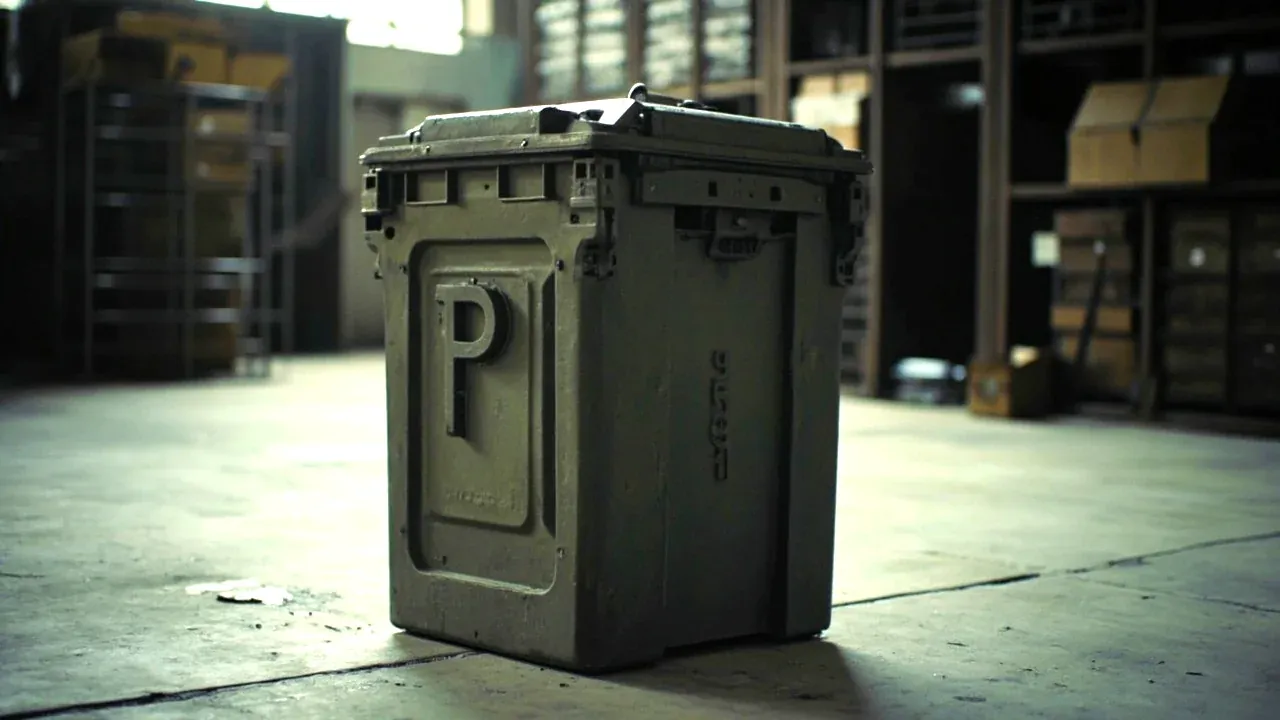
Quick answer: An ammunition box is not one product but four generations by storage environment: timber, steel, aluminium and rotomoulded. The dividing line is not material cost but three things — how long sealing lasts, how many tiers it stacks, and how many years the markings survive.
Table of contents
- Defining an ammunition box: four generations, three tests
- Sealing: the figure that sets storage life
- Stacking: top-face geometry beats wall thickness
- Markings: where stocktaking speed comes from
- From timber to rotomoulded: why change, and when not to
- FAQ
1. Defining an ammunition box: four generations, three tests
The first property of an ammunition box is environmental isolation, not capacity. For the same twenty kilograms, timber stops dust but not moisture, steel seals but rusts at welds, aluminium is light but dents, and rotomoulded plastic balances sealing with impact resistance at greater bulk.
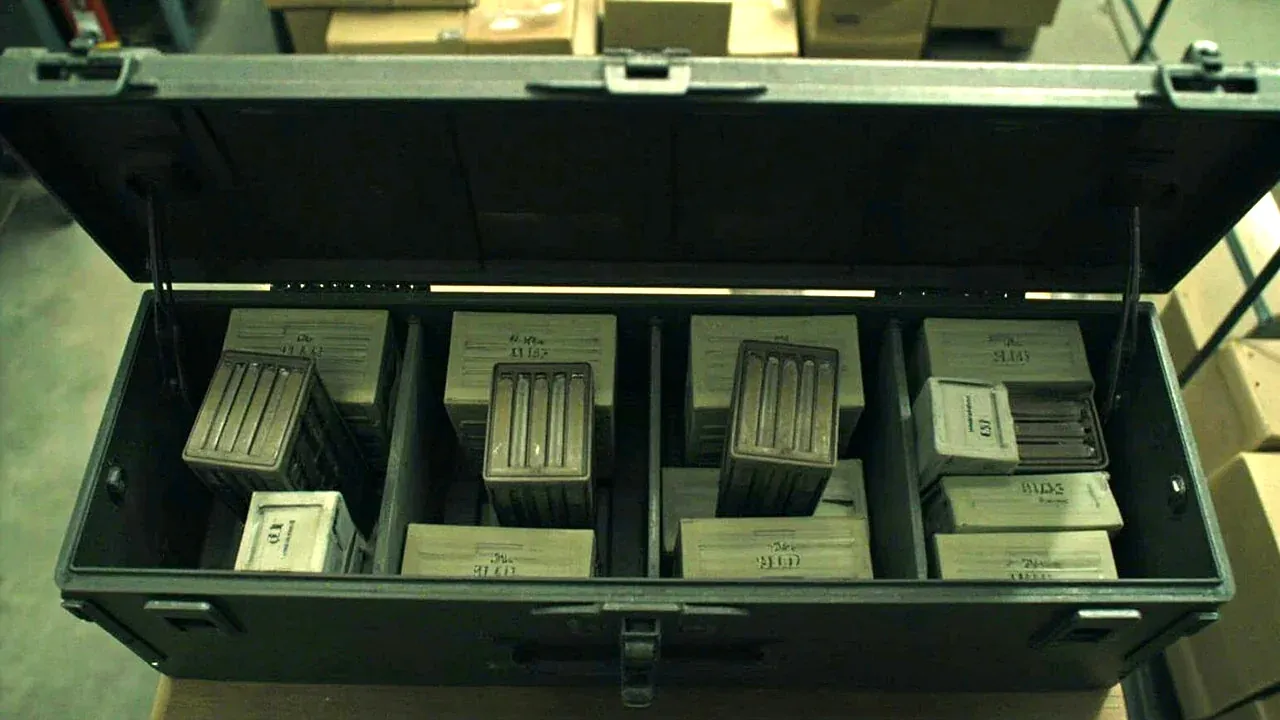
Three tests narrow the choice: how long sealing lasts, how many tiers it stacks, and how many years markings survive. Meet all three before discussing wall thickness or price.
| Form | Sealing | Stacking | Typical failure |
|---|---|---|---|
| Timber | poor, relies on liner | 3 to 4 tiers | damp, nail holes split |
| Steel | good, via welds | 5 to 6 tiers | weld corrosion, dents |
| Aluminium | good, via rivets | 4 to 5 tiers | rivet loosening, distortion |
| Rotomoulded | good, one-piece moulding | 4 to 6 tiers | gasket ageing |
2. Sealing: the figure that sets storage life
Sealing depends on two things: a body with no seams and a continuous gasket around the lid. Timber and steel both have seams where moisture enters at nail holes and welds; a rotomoulded body has one opening, so the gasket decides internal humidity.
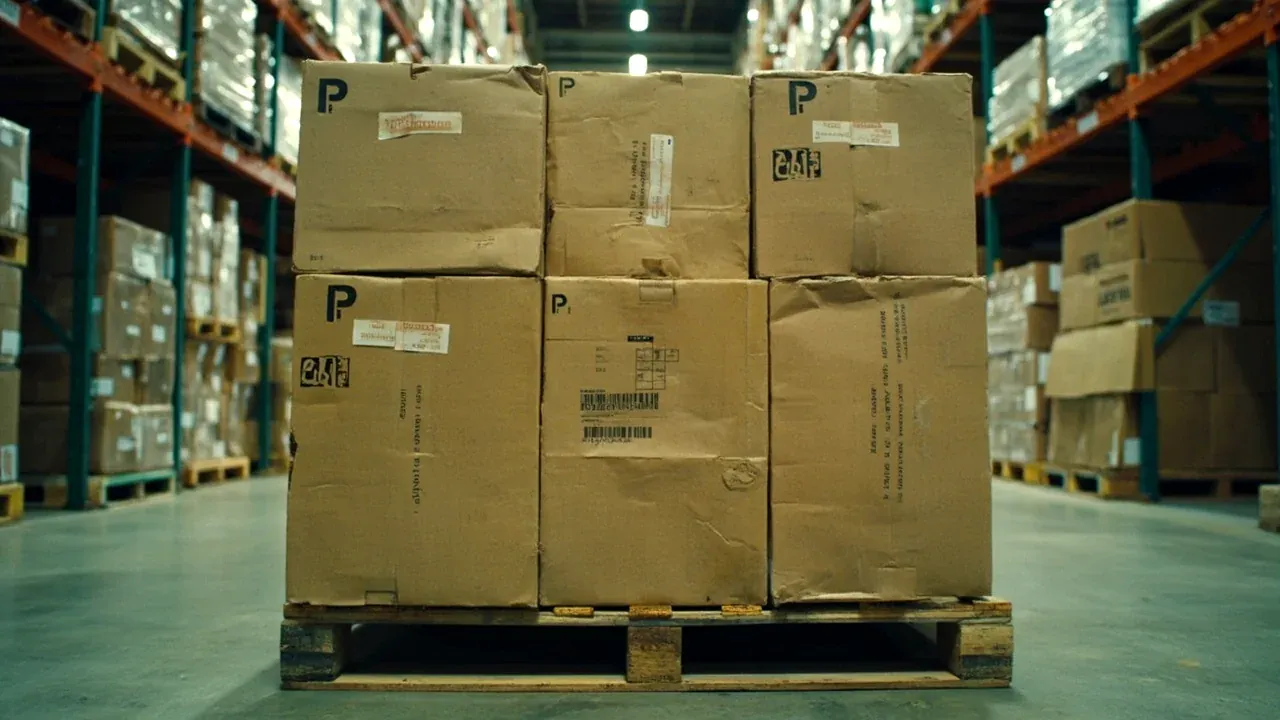
Check continuity, joints and rebound rather than presence. Joints leak, and a gasket compressed below twenty percent stops conforming in the cold. Close the lid and pull a strip of paper around the rim; resistance everywhere is the pass mark.
3. Stacking: top-face geometry beats wall thickness
Stacking depends on how top and base meet, not on wall thickness. Recesses in the top with matching bosses below keep the fifth tier aligned; a flat top drifts by the third and needs a wall. Look for shallow recesses deeper than five millimetres.

Also calculate the inter-tier load: five tiers put eighty kilograms on the bottom box at twenty kilograms each. Put that figure in the requirement, or the supplier designs for a single box and the bottom tier creeps.
4. Markings: where stocktaking speed comes from
Markings must stay readable after three years. Stencilled paint wears off in handling, labels lift in the cold, and moulded characters last but carry only fixed data. The usual answer is moulded number and batch fields plus a durable label for variable data.
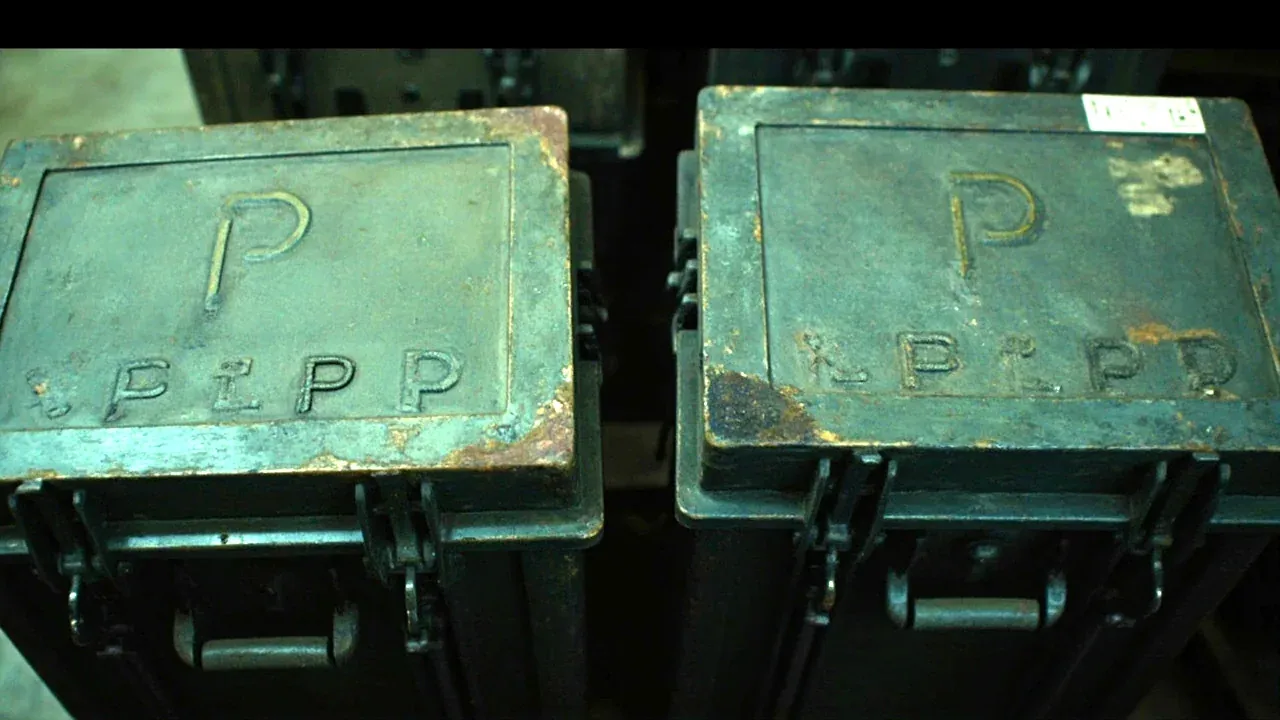
Placement matters: outward, upward and visible after stacking. Marking all four sides is simplest because stacking orientation changes; a one-side label forces the box to be turned during stocktaking, three times slower.
5. From timber to rotomoulded: why change, and when not to
Replacement is usually driven by one of three: humidity that cannot be controlled, insufficient stacking height, or marking maintenance costs. Rotomoulded boxes win on all three at two to three times the unit price, more empty volume and fewer recycling routes.
When not to change: one-way deliveries where the box is discarded favour timber or corrugated, and a climate-controlled permanent store still suits steel. Amortise by trips — below five trips, a rotomoulded box never pays back.
Conclusion
Each generation has its range: timber is cheap but damp-sensitive, steel seals but rusts, aluminium is light but dents, rotomoulded balances all three at a price. Run the three tests — sealing life, stacking tiers, marking durability — then check whether trips reach five.
This article covers container-side specifications and design implications only, not the handling, loading or use of the contents.
Related Reading
- Ammunition box versus storage bin
- Ammunition container specifications
- Choosing an ammunition storage container
- Case seal materials
Related Products
- 8 Series — Gun Cases; Military Equipment Cases; Camera Equipment Cases; Drone Cases; Watch Cases; Knife Cases; First Aid Cases; Electronics Equipment Cases
- WL8-2812 PP Gun Case — model WL8-2812
- All protective cases and toolboxes: 7 series, 158 models