

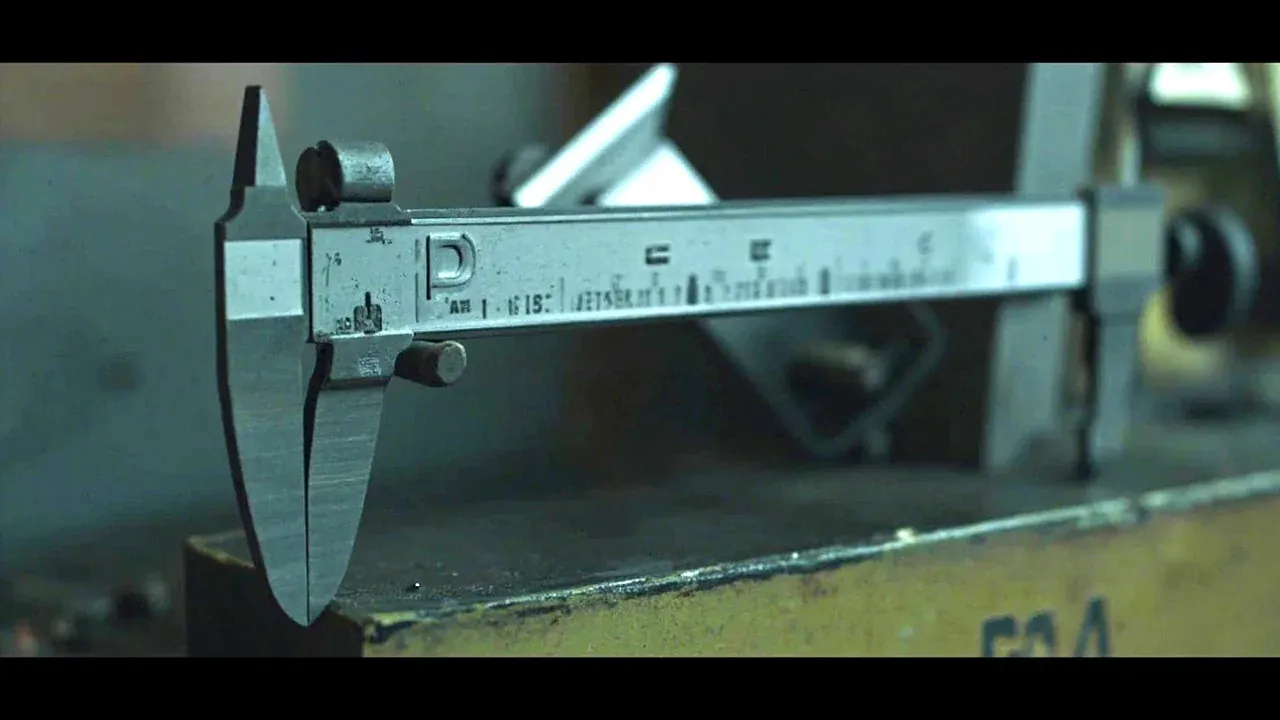
Quick answer: Read an ammunition container datasheet in five figures: wall thickness, lid sealing, single-box and stacked load, locking, and pressure equalisation. Only wall thickness appears on the front page; ask for the other four, or you buy a box that looks thick and neither seals nor stacks.
Table of contents
- The five specifications that matter
- Wall thickness: evenness beats bulk
- Sealing: full groove and compression
- Stack load: the bottom tier is the design target
- Pressure valve and lock: the two most often missed
- FAQ
1. The five specifications that matter
Datasheets give outer dimensions and single-box load, which only answer whether it fits. Five figures decide daily use: wall thickness with rib layout, lid sealing, static and stacked load, locking, and whether a pressure valve is fitted.
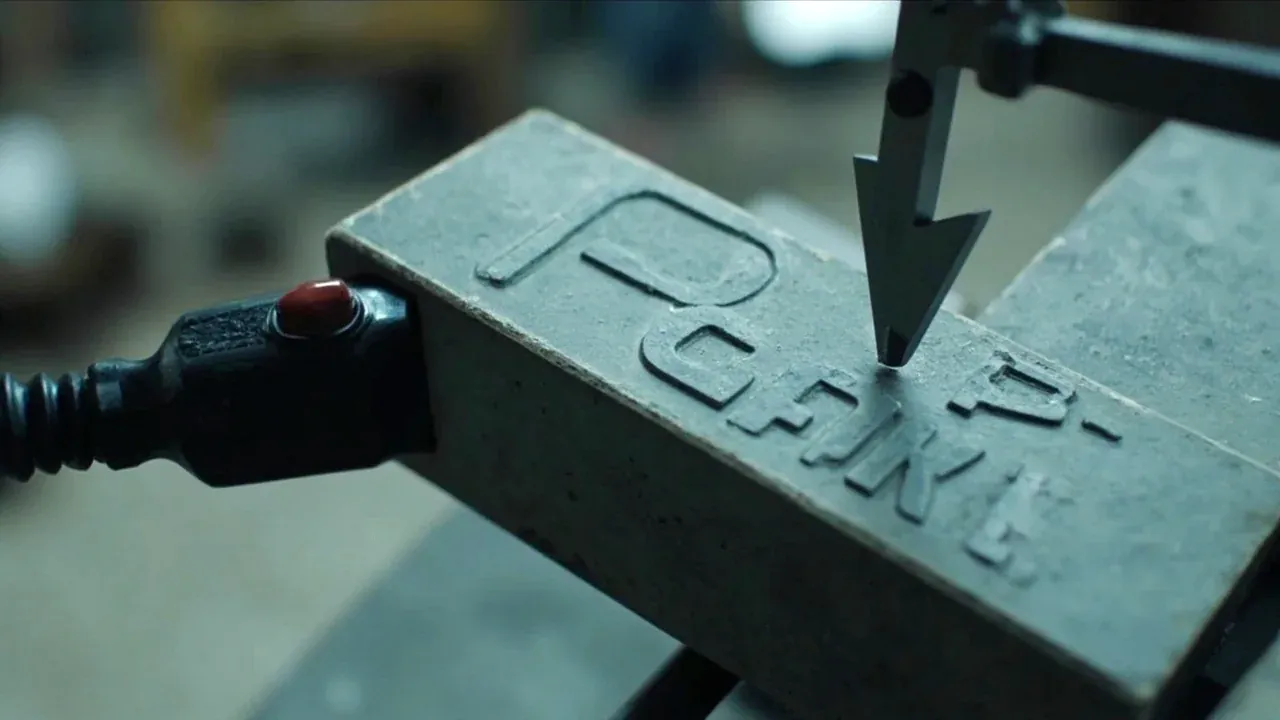
They map to five actions: fill, seal, stack, lock, open. Thickness and ribs cover filling, the gasket groove covers sealing, top geometry covers stacking, lock points cover locking, and a valve covers opening.
| Figure | Typical | How to test | If short |
|---|---|---|---|
| Wall thickness | 3 to 6 mm | caliper at wall and rib root | dents, unstable stacks |
| Sealing | full groove plus gasket | paper strip around rim | damp, condensation |
| Stack load | 80 to 200 kg at base | calculate per tier | base creeps |
| Locking | two latches, padlock hasp | check keeper material | keepers bend, easy to pry |
| Pressure valve | bidirectional, hydrophobic | press the valve core | will not open at altitude |
2. Wall thickness: evenness beats bulk
Rotomoulded walls run four to six millimetres, but five millimetres can feel soft or rigid depending on ribs. A moulded rib at the wall-to-base junction carries load to the four corners, so a thinner wall works; without ribs, even a thick wall bulges in the middle.

Measure two places: mid-wall and rib root. A difference over one millimetre means uneven material flow, and the thin spot becomes a stress riser. Take three readings at each and use the minimum.
3. Sealing: full groove and compression
Sealing depends on three things: a full rather than half groove, gasket compression, and the stiffness of lid and body. A half groove always leaves a gap at the corners, compression below twenty percent loses rebound in the cold, and a soft lid lifts in the middle.
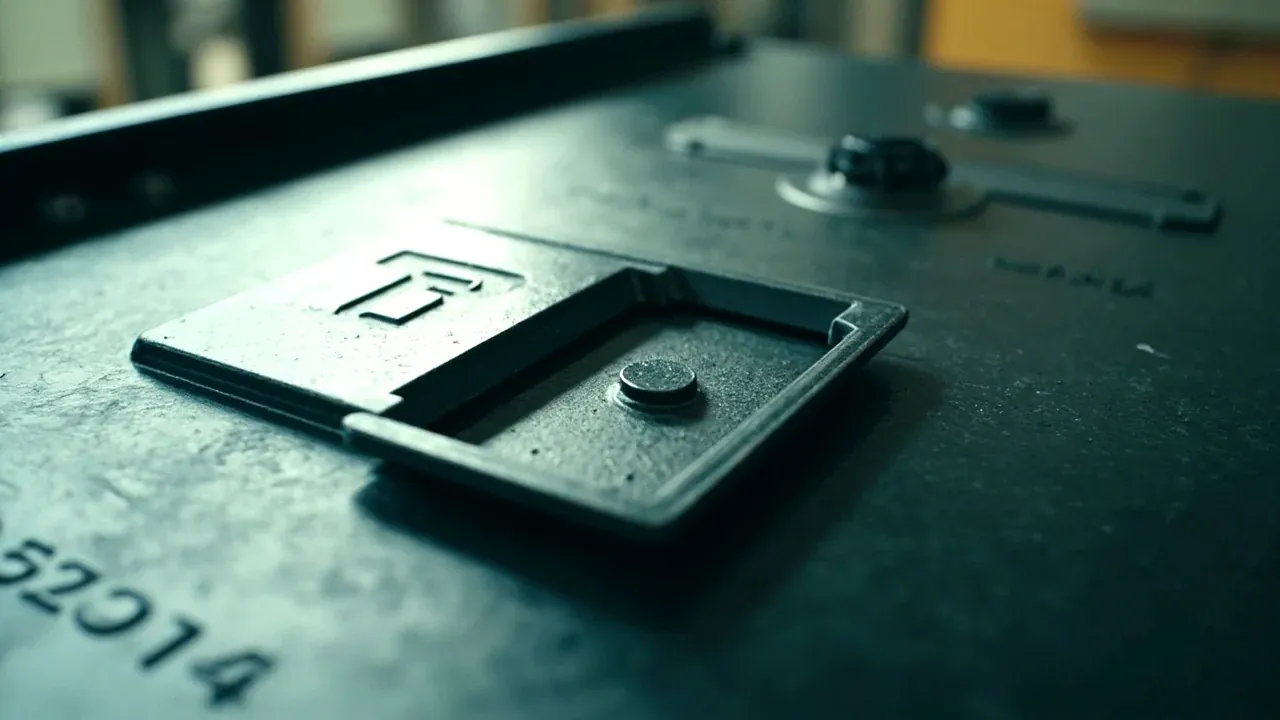
Test with a paper strip: a two-centimetre wide strip of paper clamped around the rim, pulled through the whole perimeter. Every point should resist; if it slides out easily at a corner, compression is short there.
4. Stack load: the bottom tier is the design target
Calculate at the bottom tier, not per box: five tiers at twenty-five kilograms means one hundred kilograms static for two years without creep. Put that figure in the requirement, because suppliers design for a single box.
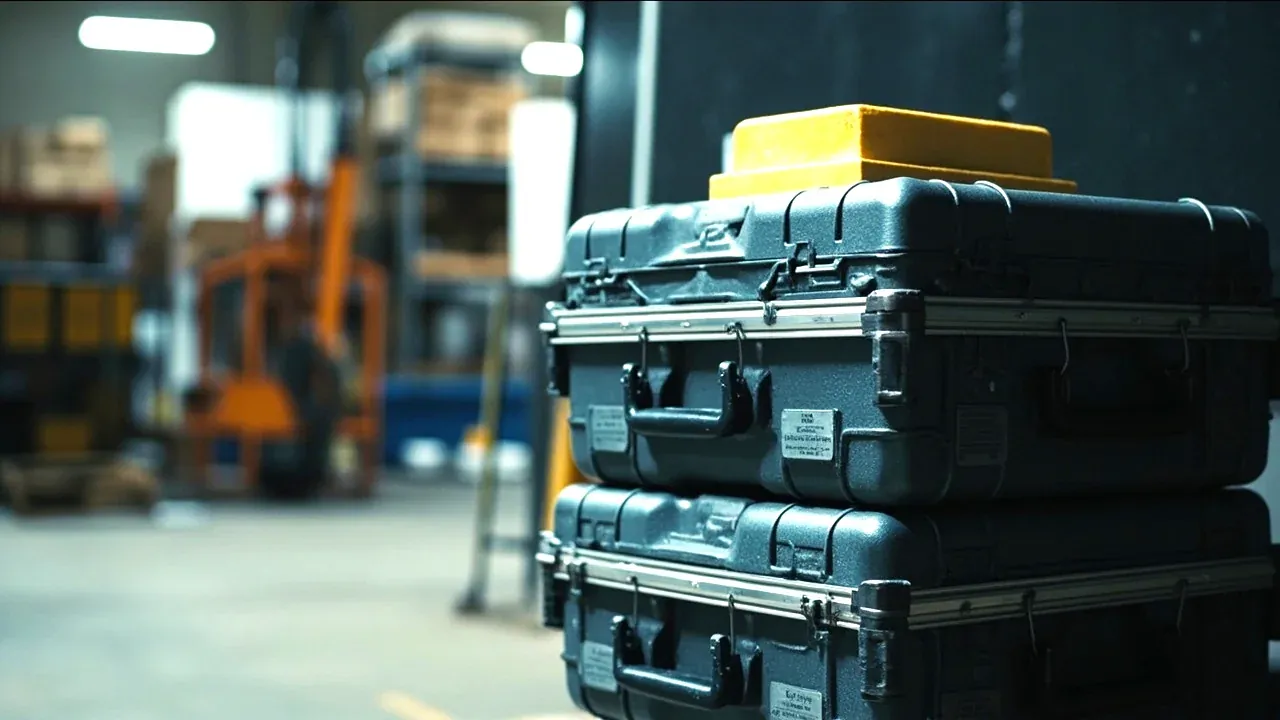
Rotomoulded boxes carry load through top and base together. A flat top with a continuous base rim spreads it; a dished top with four-point support concentrates it and cracks there first.
5. Pressure valve and lock: the two most often missed
The better the seal, the more a container needs a pressure valve. Altitude or a sudden temperature drop creates negative pressure, the lid is held shut by the atmosphere, and forcing it pulls the gasket out. A bidirectional valve with a hydrophobic membrane equalises without admitting vapour.
Check two things on the lock: keeper material and hasp thickness. Plastic keepers go brittle in the cold and snap; a hasp that is only a hole moulded into the shell wears oval under load. Metal keepers with a reinforced hasp, or a through-pin hole, are the pass.
Conclusion
Read five figures: thickness with ribs, sealing by full groove and compression, stack load at the bottom tier, lock by keeper material and hasp, and pressure by a bidirectional valve. Only thickness is printed; the other four must be asked and tested.
This article covers container-side specifications and design implications only, not the handling, loading or use of the contents.
Related Reading
- Ammunition container materials
- What an ammunition box is
- Choosing an ammunition storage container
- Case seal materials
Related Products
- 8 Series — Gun Cases; Military Equipment Cases; Camera Equipment Cases; Drone Cases; Watch Cases; Knife Cases; First Aid Cases; Electronics Equipment Cases
- WL8-2812 PP Gun Case — model WL8-2812
- All protective cases and toolboxes: 7 series, 158 models