


Quick answer: Maintenance is three things: quarterly checks, cleaning as needed, retirement on schedule. Checks cover gasket, latches and stacking distortion; cleaning uses water and neutral detergent; retirement follows three criteria — unrepairable sealing, more than two structural cracks, illegible markings.
Table of contents
- Quarterly checks
- Cleaning: water and neutral detergent only
- The gasket: the first part to expire
- Three retirement criteria
- Maintenance in step with store conditions
- FAQ
1. Quarterly checks
Walk five positions: lid gasket, latches and keepers, base corners, stacking faces, marking area. In a fixed order it takes three minutes, and the order exists to prevent omissions rather than to save time.
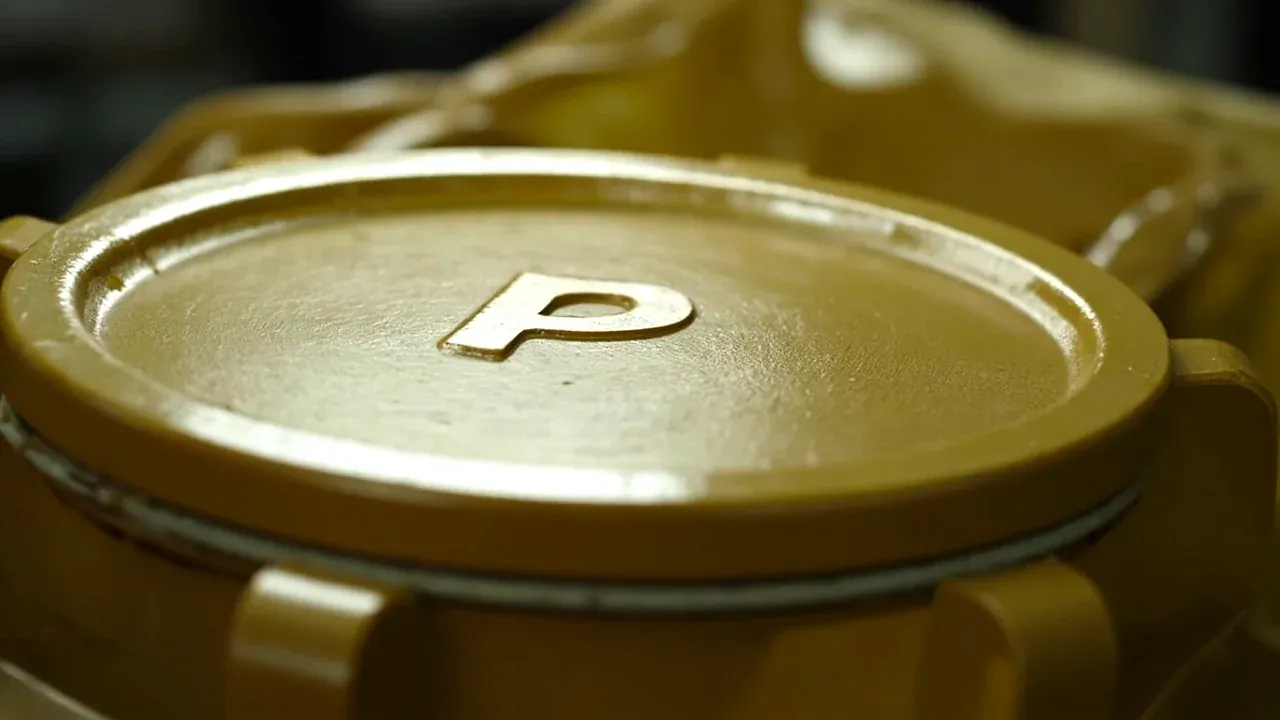
Records must map to a number. Without one, a check record is worthless — three years later nobody can say when a given container was last inspected. Mould the number on the front, separate from the marking fields.
| Position | Look for | Test | Action |
|---|---|---|---|
| Gasket | continuity, rebound, set | flattened over 30 percent | replace the ring |
| Latches | distortion, cracks, drag | gap when closed | replace keeper |
| Base corners | cracks, wear-through | crack over 20 mm | reinforce or retire |
| Stack faces | dents, distortion | dent over 5 mm | downgrade |
| Marking | legibility, lifting | unreadable at 3 m | re-label |
2. Cleaning: water and neutral detergent only
One rule: no solvents, no alkaline cleaners, no pressure washers. Solvents swell polyethylene and harden gaskets; alkaline cleaners attack latch plating; a pressure washer drives water into the gasket groove and creates the damp it was meant to remove.

Wipe with a soft cloth and water, use neutral detergent on oil, and dry fully before closing. Drying short is the usual cause of condensation: wiped at noon, closed at two, and by night the residue is on the lid.
3. The gasket: the first part to expire
A gasket is a consumable lasting two to three years against an eight-year body. It fails by compression set: every closing takes a little rebound away, and once flattened by thirty percent it no longer conforms.
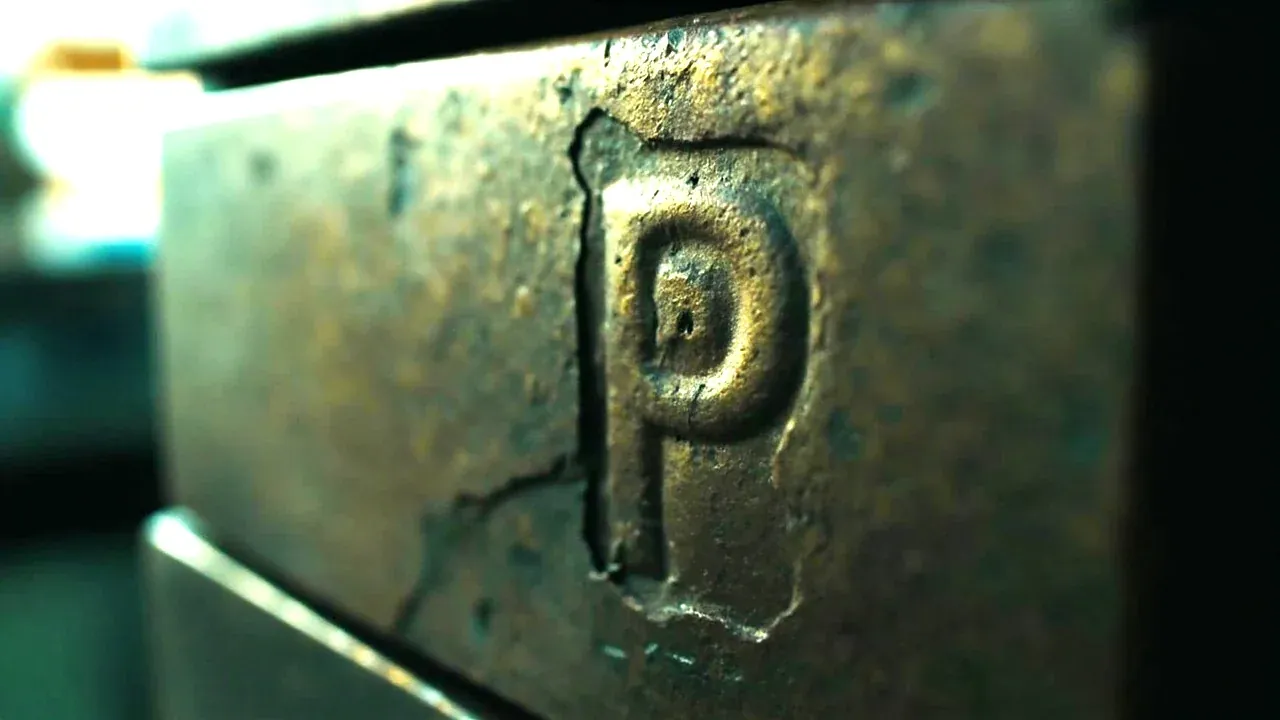
Test by removing it, resting it flat for ten minutes and measuring thickness: below eighty percent rebound, replace. Keep spares at ten percent of the installed count — gaskets are cheap, a stopped container is not.
4. Three retirement criteria
One: sealing failed beyond repair — a distorted groove or a scored sealing face that no new gasket will close. Two: more than two structural cracks, or a single crack over fifty millimetres that reinforcement cannot carry. Three: markings unrecoverable, since an unnumbered container cannot enter the management flow.
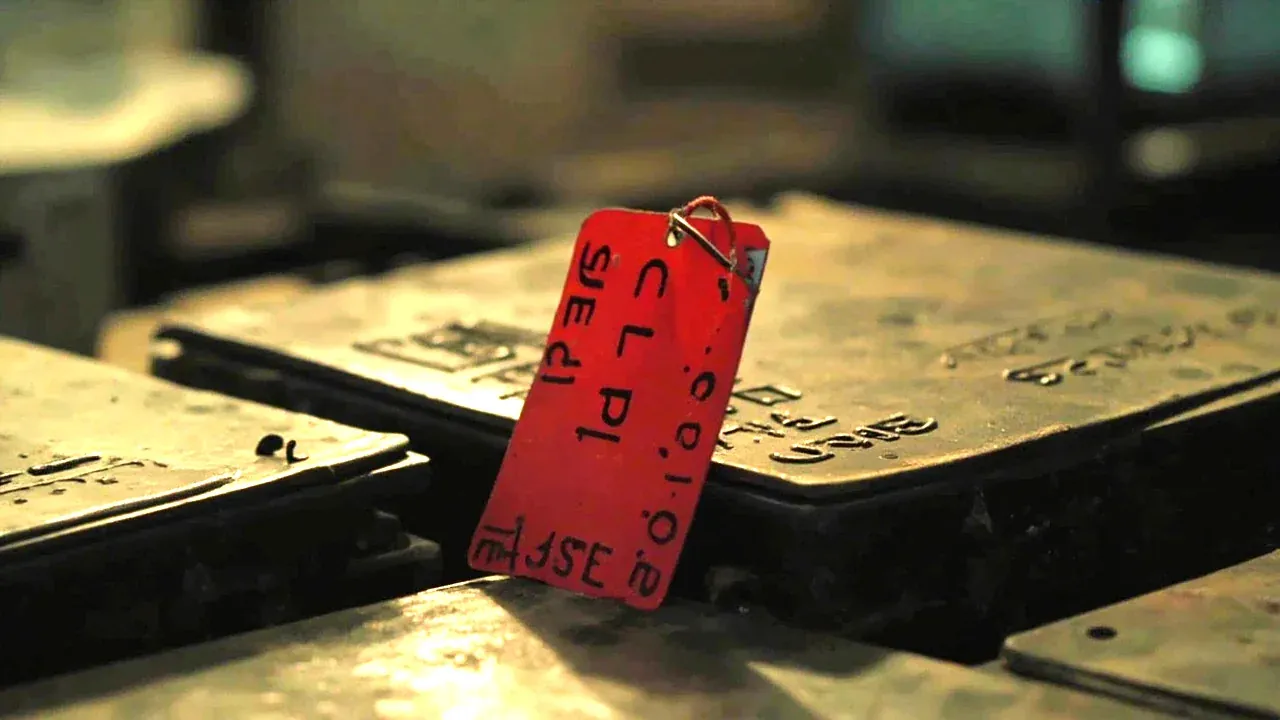
Any one retires it; all three are not required. Tag it red, store it apart and dispose on schedule — leaving it on the shelf guarantees it will be used again, the commonest store failure.
5. Maintenance in step with store conditions
The same container needs an annual check in a stable store and a quarterly one where temperatures swing. Frequency follows environmental stress, not container life; a fixed quarterly rule over-maintains dry stores and under-maintains damp ones.
One action is forgotten: rotating the stack. The bottom unit never moves, sits under load without ventilation, and concentrates distortion. Reversing the order every six months costs little and extends the whole stack.
Conclusion
Three sentences: check by climate, clean with water and neutral detergent, retire on any one of three criteria. The step most often skipped is the gasket — a small share of the cost, the whole of the sealing life, and the one line that deserves its own column in the record.
This article covers container-side specifications and design implications only, not the handling, loading or use of the contents.
Related Reading
- Choosing an ammunition storage container
- Ammunition container specifications
- Case repair and spare parts
- Case seal materials
Related Products
- 8 Series — Gun Cases; Military Equipment Cases; Camera Equipment Cases; Drone Cases; Watch Cases; Knife Cases; First Aid Cases; Electronics Equipment Cases
- WL8-2812 PP Gun Case — model WL8-2812
- All protective cases and toolboxes: 7 series, 158 models