

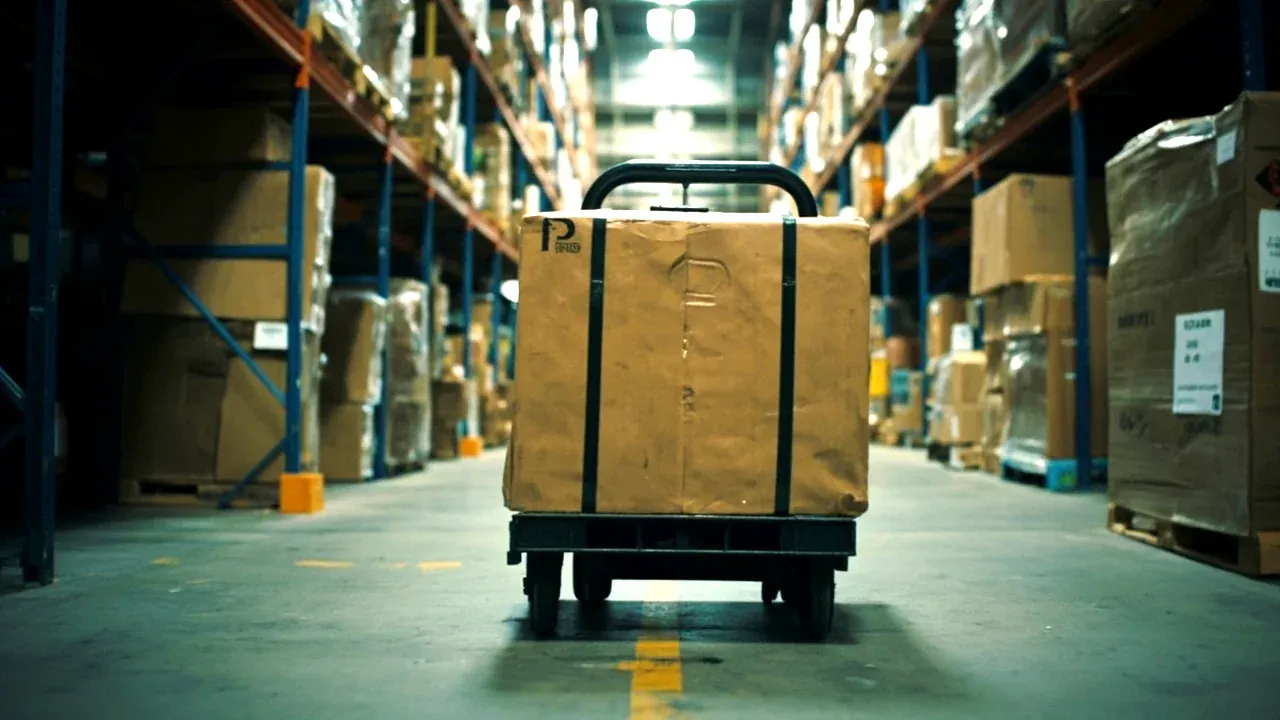
Quick answer: An ammunition transit case covers the leg from store to point: transfers need to survive forklifts and stacking, forward delivery needs to survive vibration and temporary unloading. One configuration rarely serves both.
Table of contents
- Two scenarios for a transit case
- Store transfers: stacking and fork pockets
- Forward delivery: sealing and unit weight
- Temporary unloading: the forgotten leg
- Configurations and a checklist
- FAQ
1. Two scenarios for a transit case
Store transfers are bulk, short-haul and mechanised: a few kilometres, forklifts, two tiers on a pallet. Stack strength and fork pocket position matter most, with sealing only for dust and rain.
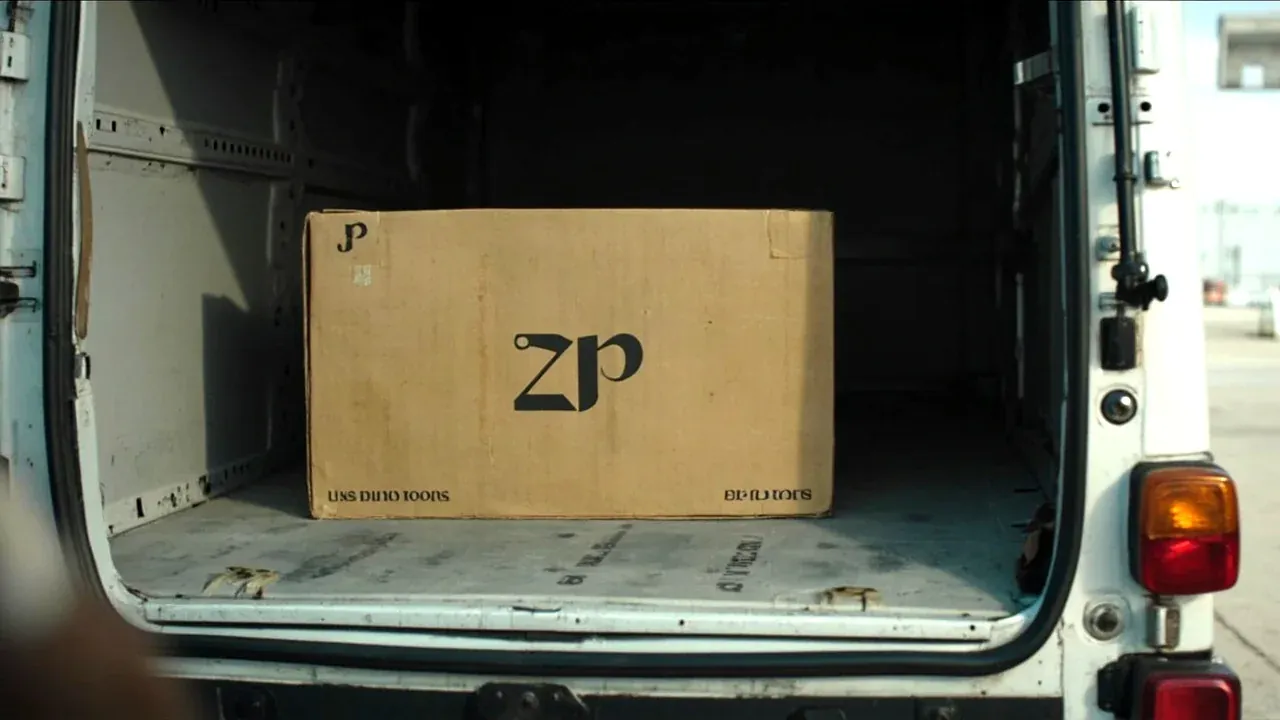
Forward delivery is small-batch, long-haul and multi-modal: truck, off-road vehicle and manual carry with repeated handling. Sealing and unit weight take over, and stacking becomes secondary — which is why one transit case cannot serve both.
| Scenario | Key figure | Handling | Typical build |
|---|---|---|---|
| Store transfer | stack strength, fork pocket | forklift by pallet | thick wall, four feet, fork pockets |
| Forward delivery | sealing, unit weight | repeated manual handling | full gasket, under 25 kg |
| Temporary holding | rain proof, lockable | set down in place | latches with lock, drained top |
2. Store transfers: stacking and fork pockets
In transfers the case barely touches the ground: rack to pallet, pallet to vehicle, vehicle to rack, all by forklift. Fork pockets must run through with at least seventy millimetres of clearance, or the tines will not enter and manual lifting takes over.
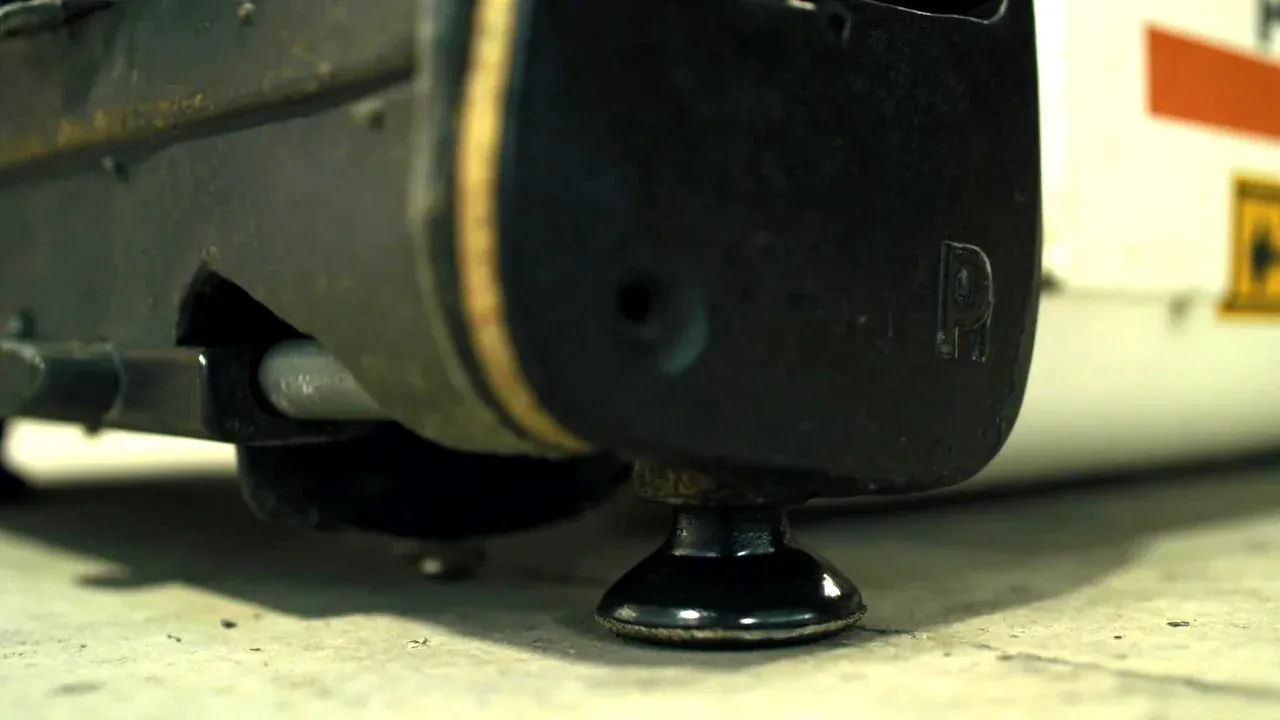
Rate stacking for two loaded tiers: the lower case carries the upper. Many cases pass a single-box load test and dent at two tiers because the top face has no ribs.
3. Forward delivery: sealing and unit weight
Forward cases open and close repeatedly, so the gasket wears fastest. Look for a replaceable, continuous ring; a bonded seal often fails after the second rain event.
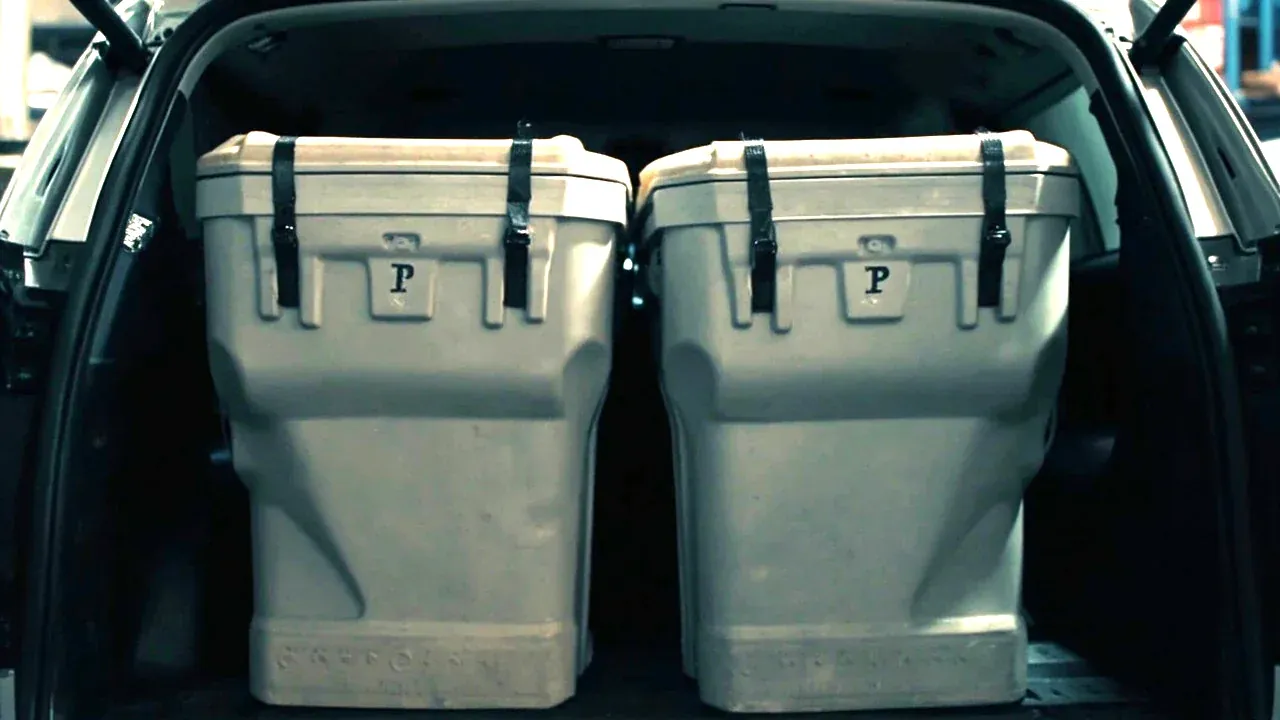
Keep the unit near twenty-five kilograms: one person lifts, two carry, and loading needs no ramp. Above forty kilograms the last leg usually lacks people and gear, so cases are dumped beside the vehicle and stay exposed longer.
4. Temporary unloading: the forgotten leg
Forward runs include temporary holds: waiting for handover, yielding, overnight stops. The case sits outdoors for hours. Water pooling on a flat top seeps into the gasket groove, and a base flat on the ground draws moisture.
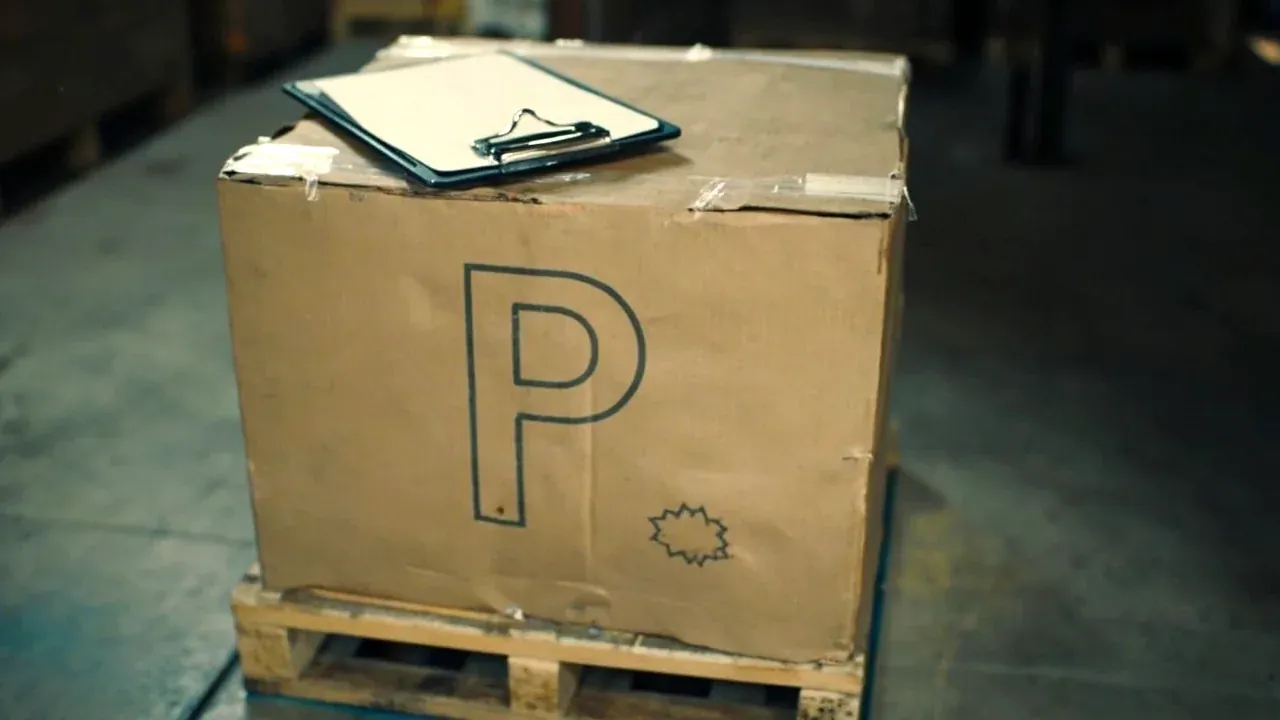
Drainage slope and grooves on top, four feet lifting the base ten millimetres, solve it. Neither appears in a brochure, and both decide whether the inside is dry after a night out.
5. Configurations and a checklist
A checklist clarifies purchasing. Transfer type: thick wall, four feet, through fork pockets, ribbed top, dust-level sealing. Forward type: replaceable full gasket, twenty-five kilograms, handles, drained top. Dual type: add fork pockets to the forward build and allow thirty kilograms.
One more line: numbering. Cases move between stores, and the number is the only thread linking sender, receiver and time. Mould it into the shell; a label is gone by the third handling.
Conclusion
Two lines: transfers read stacking and fork pockets, forward delivery reads sealing and unit weight. Both need a moulded number, a drained top and a base off the ground — none on the front page, all decisive in the real chain.
This article covers container-side specifications and design implications only, not the handling, loading or use of the contents.
Related Reading
- Transit case damage and reinforcement
- What an ammunition box is
- Choosing an ammunition chest
- Case repair and spare parts
Related Products
- 8 Series — Gun Cases; Military Equipment Cases; Camera Equipment Cases; Drone Cases; Watch Cases; Knife Cases; First Aid Cases; Electronics Equipment Cases
- WL8-2812 PP Gun Case — model WL8-2812
- All protective cases and toolboxes: 7 series, 158 models