

Quick answer: Damage clusters at four points: corner cracks, deformed keepers, flattened gaskets, dished tops — all from handling counts far beyond the design assumption. Reinforce corners and feet first, then latches and top, and replace gaskets last.
Table of contents
- Four kinds of transit case damage
- Corners: reinforce from the inside
- Latches: move to metal keepers
- Dished tops: restore drainage before support
- Order of work and acceptance
- FAQ
1. Four kinds of transit case damage
Corner cracks first: corners take the drop and the forklift hit, and rotomoulded walls are thinnest there, cracking from the inside. Second, deformed keepers, which take lateral force on every closing and flare outward.
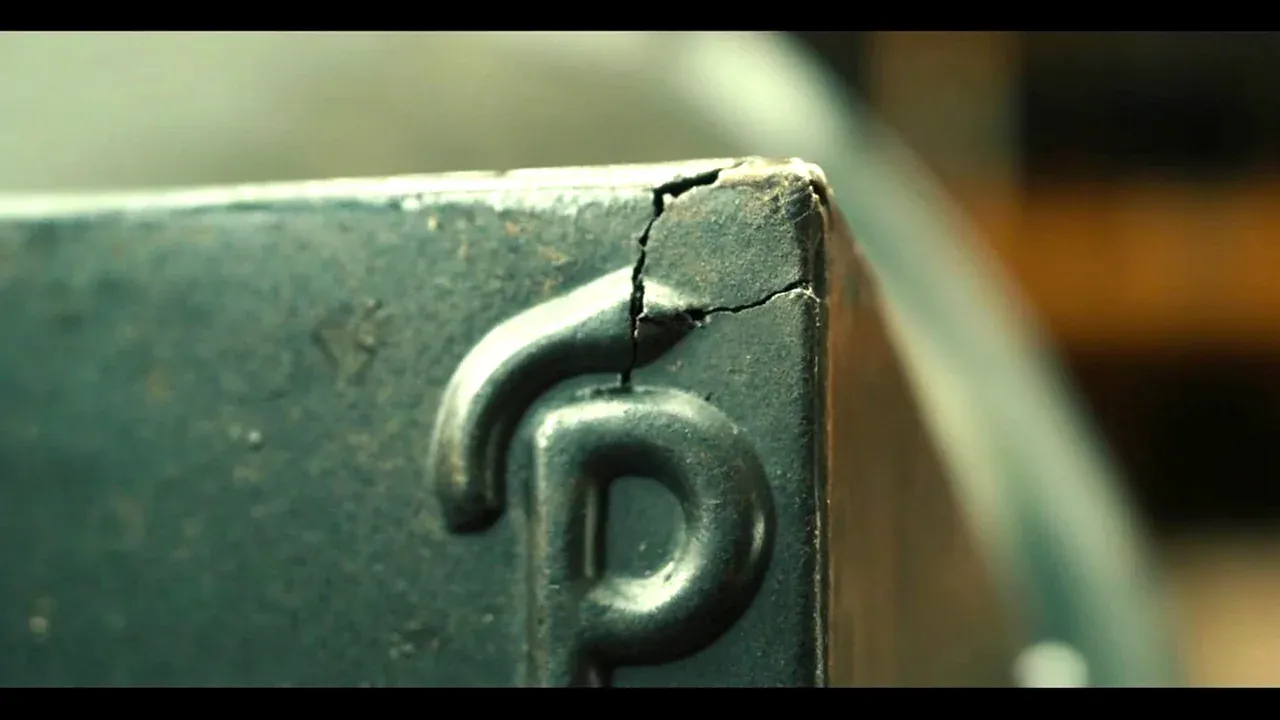
Third, flattened gaskets — one compression per closing, no rebound after two or three years, and condensation follows. Fourth, dished tops: load from the tier above sinks an unribbed top, the drainage slope disappears and water stands over the gasket groove until it seeps in.
| Damage | Early sign | Cause | Fix |
|---|---|---|---|
| Corner crack | whitening inside corner | drop and forklift impact | corner patch or replace |
| Keeper deformation | gap when closed | repeated one-sided force | fit metal keepers |
| Flattened gasket | condensation inside | compression set | replace the ring |
| Dished top | standing water | unribbed top under load | internal support or downgrade |
2. Corners: reinforce from the inside
The reflex is an external corner cap, which stops abrasion but not the crack: the crack runs inside, where a cap cannot reach. Fit an L-shaped internal plate spreading load into both side walls.
Use the same polyethylene, three to five millimetres, through-bolted with stainless fasteners, heads countersunk and wide washers on the nut side so the thin wall does not pull through. That usually buys another two or three years.
3. Latches: move to metal keepers
Plastic keepers go brittle in the cold and flare under one-sided force, often both at once. Metal keepers cost a few percent of the case and more than double life.
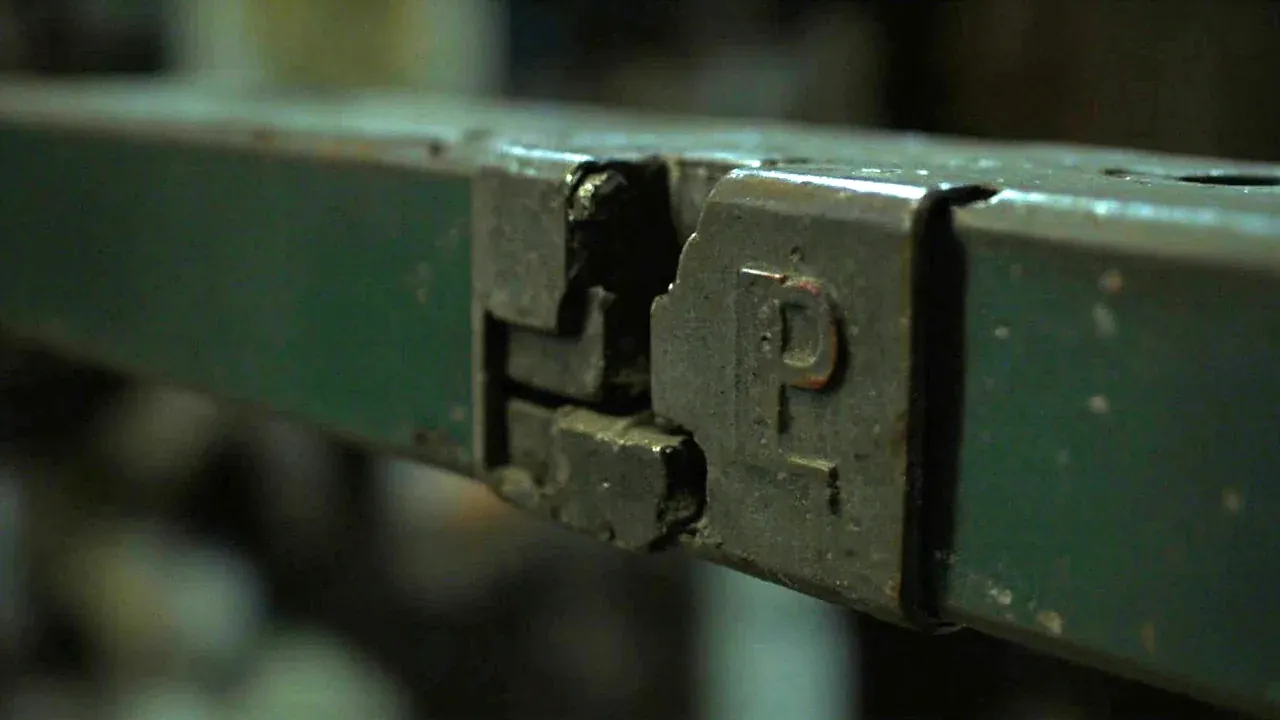
Check the latch base at the same time: a cracked base means a new keeper sits on a bad foundation and fails within weeks. Where the base is cracked, replace the whole latch assembly rather than patching.
4. Dished tops: restore drainage before support
A dished top costs drainage before strength: water stands over the gasket and seeps in. Restore the slope first, then add support.
Drill a three-millimetre drain hole at the low point, outside the gasket groove so sealing is unaffected, then fit two internal cross braces bolted to the side walls to push the top back to its curve.
5. Order of work and acceptance
Order: corners, feet, latches, top, gasket. The first four are structure, the last is a consumable; replacing a gasket on a distorted face flattens the new one immediately.
Accept with four actions: drop a loaded corner from waist height, paper-strip the rim, stack two loaded tiers and watch the top, cycle the latches ten times. Ten minutes, no equipment, all four failure modes covered. One cost rule follows: when the same case fails twice in the same place, reinforcement has stopped paying — downgrade it to in-store use and keep it off forward runs. Writing that rule into the maintenance procedure removes a great deal of futile repair work.
Conclusion
Damage comes from handling beyond the design assumption, so reinforce where force lands: corners, feet, latches, top. Structure before consumables, gasket last — in that order a case gains two or three years; out of order, new gaskets never stop the condensation.
This article covers container-side specifications and design implications only, not the handling, loading or use of the contents.
Related Reading
- Transit cases in transfers and forward delivery
- Case repair and spare parts
- What an ammunition box is
- Case seal materials
Related Products
- 8 Series — Gun Cases; Military Equipment Cases; Camera Equipment Cases; Drone Cases; Watch Cases; Knife Cases; First Aid Cases; Electronics Equipment Cases
- WL8-2812 PP Gun Case — model WL8-2812
- All protective cases and toolboxes: 7 series, 158 models