


Quick answer: As the packaging container in a dangerous-goods transport chain, an artillery shell box answers to three systems: the UN Recommendations on the Transport of Dangerous Goods (including UN packaging marks), the modal implementations (IMDG for sea, ADR for European road, IATA DGR for air), and destination-country regulations. The manufacturer's obligation is to make marking, structure and tested performance consistent; the shipper's obligation is to declare and use the packaging correctly for the mode. This article outlines the container side only.
Table of contents
- First, the boundary: what the container maker is responsible for
- How to read a UN packaging mark
- How the three systems relate
- Common container-side markings
- Procurement and acceptance points
- FAQ
1. First, the boundary: what the container maker is responsible for
In the dangerous-goods system, the packaging container and the shipper carry separate obligations. The container maker's responsibility ends at: producing the case to the agreed performance, marking it truthfully, and keeping the structure consistent with the stated performance level. What goes inside, how it is declared, and who carries it belong to the shipper and carrier.
The boundary matters for buyers too: accepting a packaging case means verifying marking-versus-structure consistency — not asking the maker to underwrite the whole chain. Everything below stays within that boundary.
2. How to read a UN packaging mark
The UN packaging mark is the container's international identity card. A typical combination-packaging mark reads:
`` UN 4G / Y1.8 / 150 / 21 │ │ │ └── year of manufacture │ │ └────── relative density or maximum gross mass │ └──────────── packing class / test-grade code └───────────────── packaging code (material and structure) ``
- Packaging code: the letter indicates the class (4G = fiberboard box, 1A = steel drum, 4H = plastics box), encoding material and structure;
- Grade letter: X / Y / Z correspond to Packing Groups I / II / III test severity, X being highest;
- Trailing figures: depending on package type, relative density, maximum gross mass or hydraulic test pressure.
Reading marks is practical in procurement: every item on the mark must correspond to the supplier's performance-test documentation. A case whose mark does not match its file should not enter a dangerous-goods chain.
3. How the three systems relate
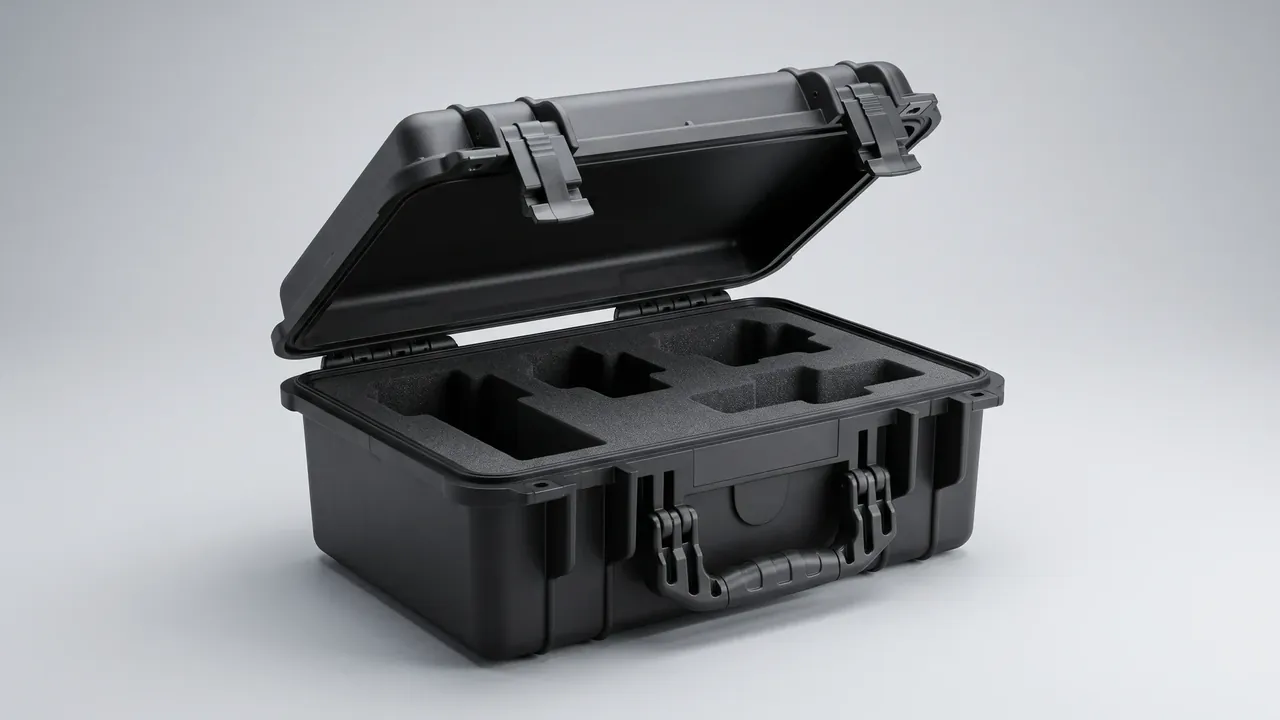
The three systems are not rivals but "framework plus implementations":
| System | Level | Governs |
|---|---|---|
| UN Recommendations (Orange Book) | Framework | Packaging classes, test requirements, marking system |
| IMDG Code (sea) | Implementation | Packaging, stowage and segregation for sea transport |
| ADR (road) / IATA DGR (air) | Implementations | Additional requirements per mode |
Practical point: the UN mark is the entry ticket; modal rules are the road conditions. A UN-marked case may still fail a specific mode's additional requirements — air, for instance, is usually stricter on weight and size than sea. For multi-modal shipments, size the case to the strictest leg.
4. Common container-side markings
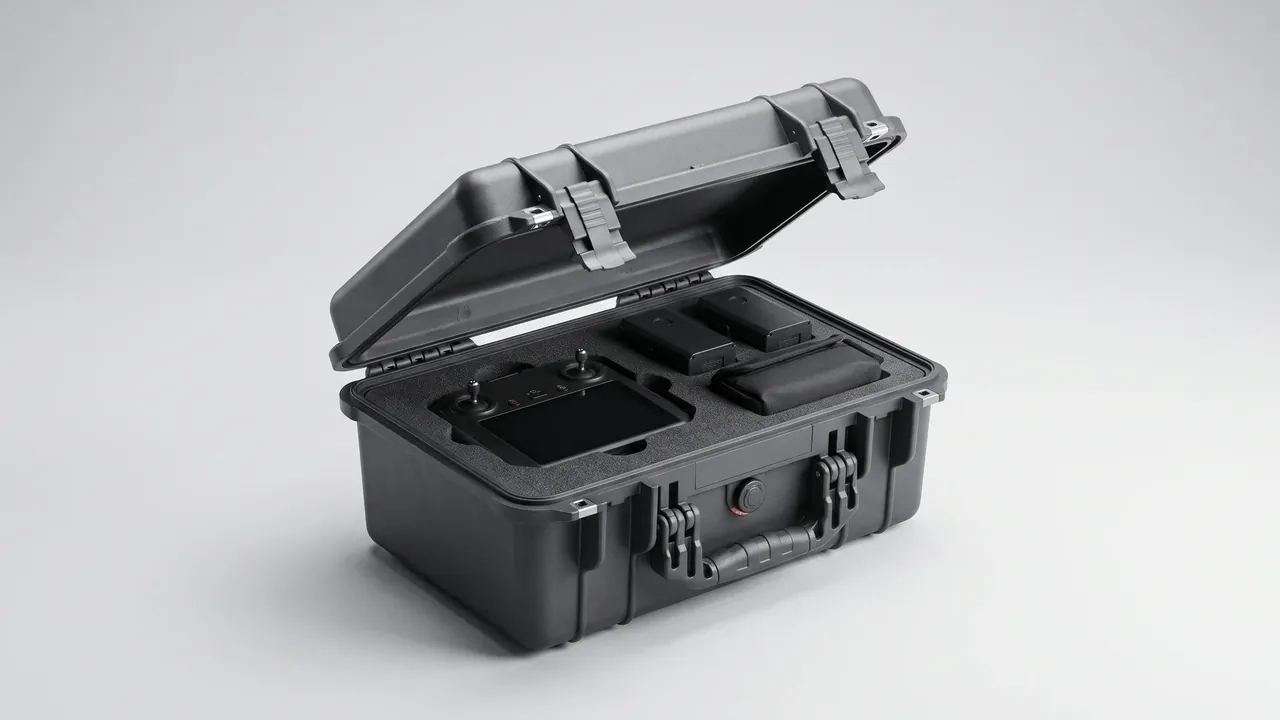
Beyond the UN mark, container-side markings commonly include:
- Orientation arrows ("this way up") indicating correct placement;
- Stack-limit pictogram tied to the structural design;
- Recycling / material codes for end-of-life sorting;
- Manufacturer information and batch number for quality traceability;
- Customer-specified warning text, supplied by the buyer per regulations and applied by the maker.
The common principle is traceable and unambiguous: information must match performance documents and stay legible across the case's life. Silkscreen wear affects marking validity — one more reason to inspect markings on long-life reusable cases.
5. Procurement and acceptance points
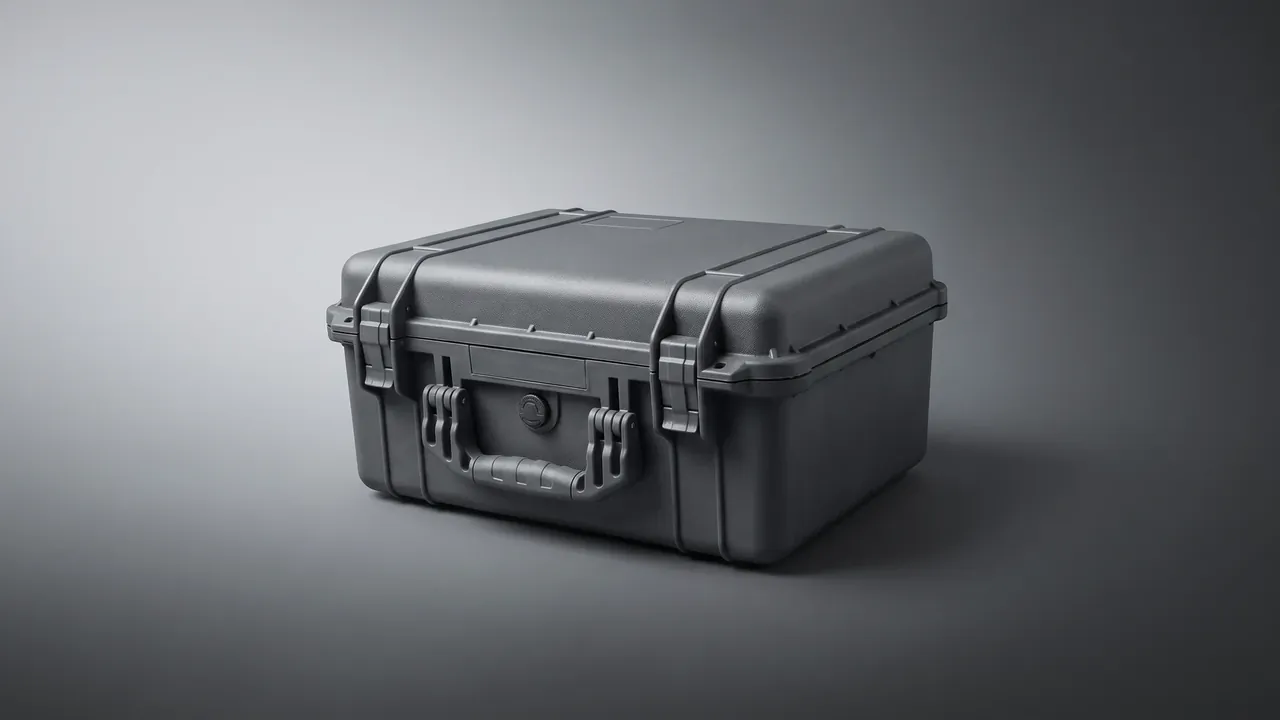
For cases entering dangerous-goods chains, verify document-to-product consistency:
- Marking consistency: every UN-mark element matches the performance file (code, grade, values, year);
- Test documentation: drop, stacking and sealing reports or certificates of conformity available;
- Structural consistency: production cases match the tested sample in structure and material (a material change means re-validation);
- Marking durability: applied by a process that stays legible for the case's life;
- Batch traceability: batch number traces to test and production records.
These five items form the minimum set for container-side compliance. Any one missing means the case should not enter a dangerous-goods chain, regardless of appearance.
Conclusion
Container-side compliance in dangerous-goods transport reduces to one sentence: marking, documents and structure must agree, and the case must satisfy the strictest mode in the chain. The maker's duty sits in production and marking; the user's in declaration and use. With that boundary clear, compliance cost stays low and disputes rare — and procurement acceptance around the mark–document–structure triangle keeps container-side risk minimal.
This article outlines the container-side packaging framework only. It does not address anything about handling the contents; applicable requirements follow current regulations and modal rules.
Related Reading
- Artillery Shell Box: Load Ratings, Stacking and Dimensions
- Ordnance Packing Box: Standards and Preservation Requireme…
- military-supply-transport-case-selection-guide
Related Products
- 8 Series — Gun Cases; Military Equipment Cases; Camera Equipment Cases; Drone Cases; Watch Cases; Knife Cases; First Aid Cases; Electronics Equipment Cases
- WL8-2812 PP Gun Case — model WL8-2812
- All protective cases and toolboxes: 7 series, 158 models