

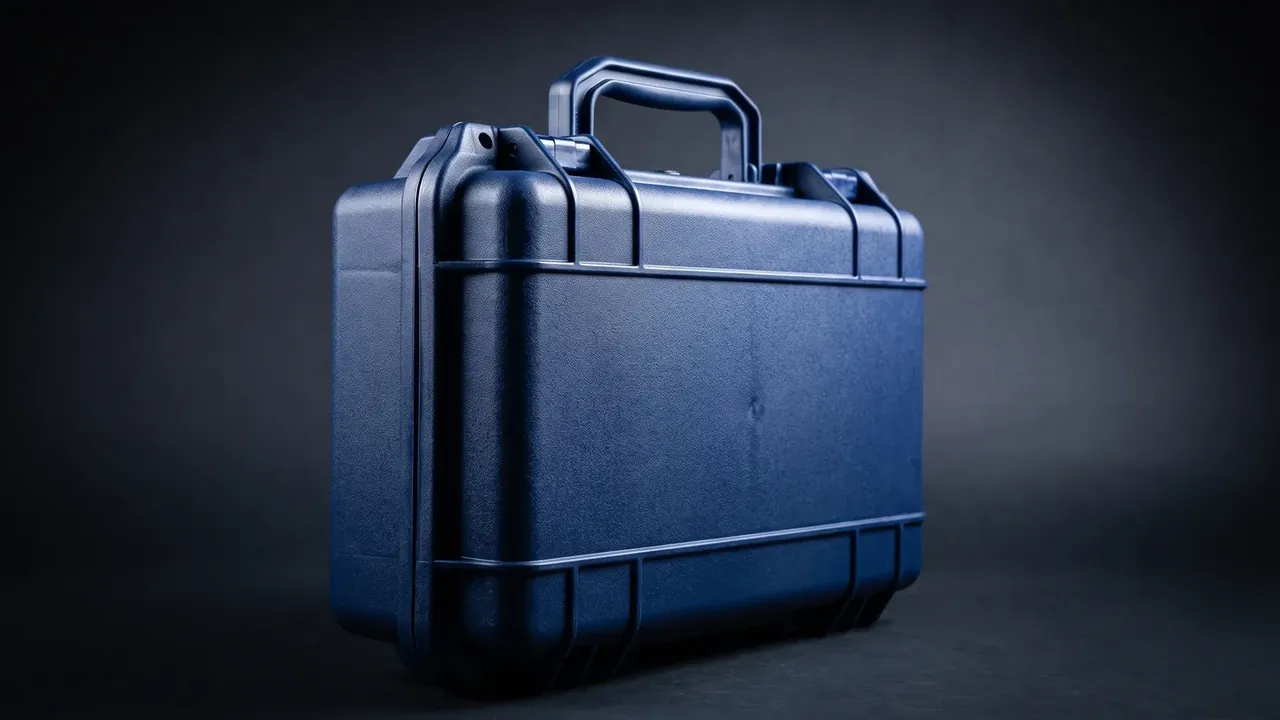
Quick answer: Bulk Instrument Case Purchasing never falls in a straight line: 100 units is a catalogue order, 500 begins to absorb the tool, 2000 buys a reserved machine slot. Above those steps total cost is set by mould changes, release rhythm and inspection level, not by the quoted unit figure.
Table of contents
- Three Price Steps in Bulk Buying
- What MOQ Really Covers: Tooling and Set-Up
- Thirty Percent Down and Three Releases
- AQL 2.5 Against 0.65 on a Lot
- Stock Buying Versus Order Buying
- FAQ
1. Three Price Steps in Bulk Buying
Bulk case pricing sits on steps at 100, 500 and 2000 units. Where a step sits depends on how many pieces carry the tool cost, whether resin can be bought as a full lot, and whether the plant will hold a machine slot.
A quoted price hides a fixed structure: material at 55 to 60 percent, labour at 10 to 20, hardware and bought-in parts near 10, the rest overhead and margin. Bulk Instrument Case Purchasing that asks for the breakdown learns which block can move.
At 100 units the shell has almost no room. What moves is the insert and the hardware: standard foam density, catalogue latches, a price tracking material plus labour.
At 500 units the tool starts to amortise. A shell tool runs ¥60,000 to ¥120,000, which is ¥120 to ¥240 per case over 500 pieces and drops to ¥30 to ¥60 over 2000. This step also unlocks full-lot resin, with PP granules at ¥8 to ¥12 per kg bought by the truckload.
Past 2000 units the logic is scheduling: a reserved slot, full cavities, weekly releases, plus storage and the money tied up in stock; Bulk Instrument Case Purchasing rarely sees that line below 1000 units.
| Step | Quantity band | Cost driver | Room to negotiate |
|---|---|---|---|
| First | 50–100 units | Material, labour, hardware | Insert density, latch |
| Second | 300–500 units | Tool amortisation, resin lot | Tool share, payment split |
| Third | 1000–2000 units | Cycle, storage, capital | Releases, buffer stock |
2. What MOQ Really Covers: Tooling and Set-Up
Bulk Instrument Case Purchasing meets MOQ as arithmetic, not policy: one tool change divided by a sensible margin. Mounting a tool, hooking up water lines and setting clamp force takes 2 to 4 hours; 20 to 40 rejects go in the bin while dimensions settle.
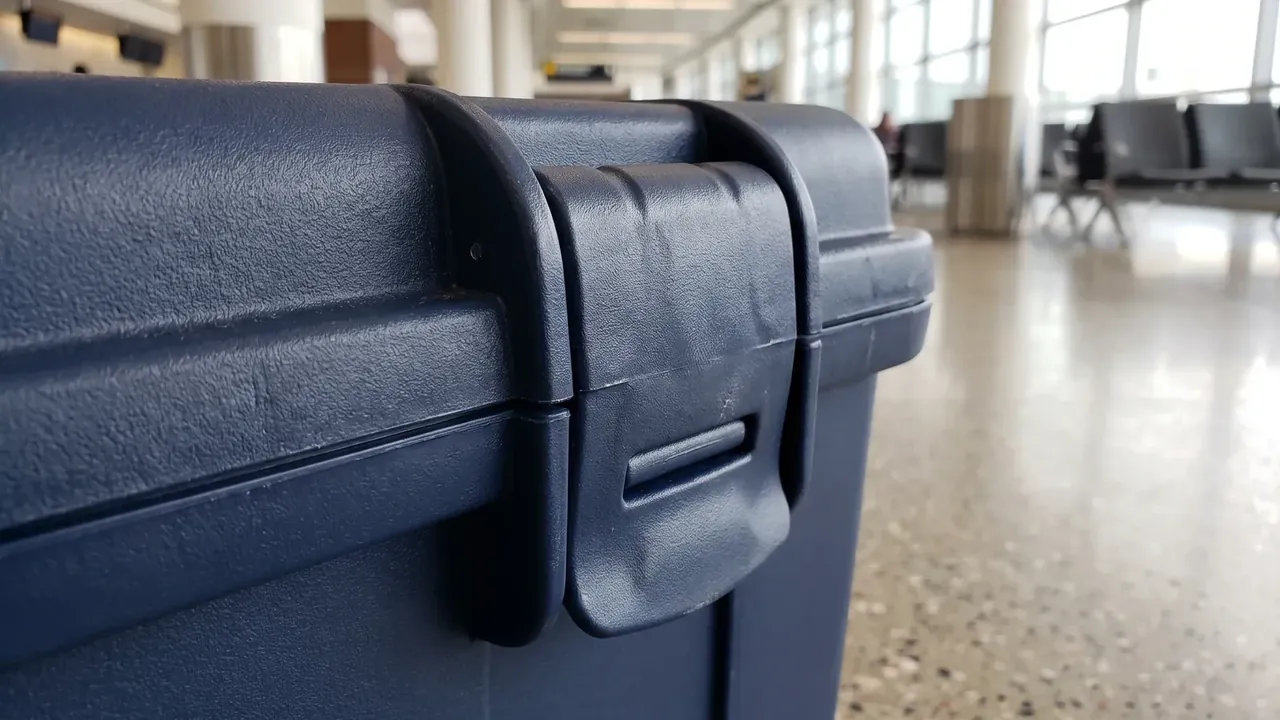
At ¥180 per machine hour a 3-hour change costs ¥540, and 30 rejects at ¥12 each add ¥360. That ¥900 is ¥9 per case over 100 units and ¥1.80 over 500. The gap above ¥7 is why suppliers hold the line.
Bulk Instrument Case Purchasing that wants the number down should change the setup rather than argue the price: merge two insert generations into one pattern, consolidate colours into a single run, split a year of demand into two orders.
| MOQ component | Typical size | How it is carried |
|---|---|---|
| Tool change, water lines | 2–4 hours, ¥360–720 | Machine hour rate |
| Settling scrap | 20–40 pieces | Unit material, labour |
| First article, corrections | 1–2 rounds, 3–8 days | Into lead time |
| Purge, colour clean-out | 5–15 kg | Resin price |
3. Thirty Percent Down and Three Releases
Payment runs 30 percent down, with 70 percent released in three shipments: 40, 30, then 30 with 10 held until acceptance — Bulk Instrument Case Purchasing treats the split as resin bill against the right to reject.
Three releases cut one large risk into smaller ones. The first 40 percent gets checked for gasket seating and latch engagement while two shipments are still in the plant. A 30-day rhythm matches a 25 to 30-day cycle.
Every Bulk Instrument Case Purchasing contract needs a storage clause: cases waiting in the supplier's warehouse beyond 30 days usually attract ¥0.5 to ¥1 per unit per month, and cases in your own warehouse cost floor space.
| Release point | Share of order | Trigger | Cumulative payment |
|---|---|---|---|
| Deposit | — | Order, tool status | 30% |
| First release | 40% | First article, pilot | 60% |
| Second release | 30% | Prior lot passed | 85% |
| Final release | 30% | Full lot, documents | 100% |
4. AQL 2.5 Against 0.65 on a Lot
Inspection levels should follow the defect, not the inspector's convenience. Appearance, printing and packaging take AQL 2.5; the sealing face, latch engagement and hinge seats take AQL 0.65, because a failure there scraps the whole case.
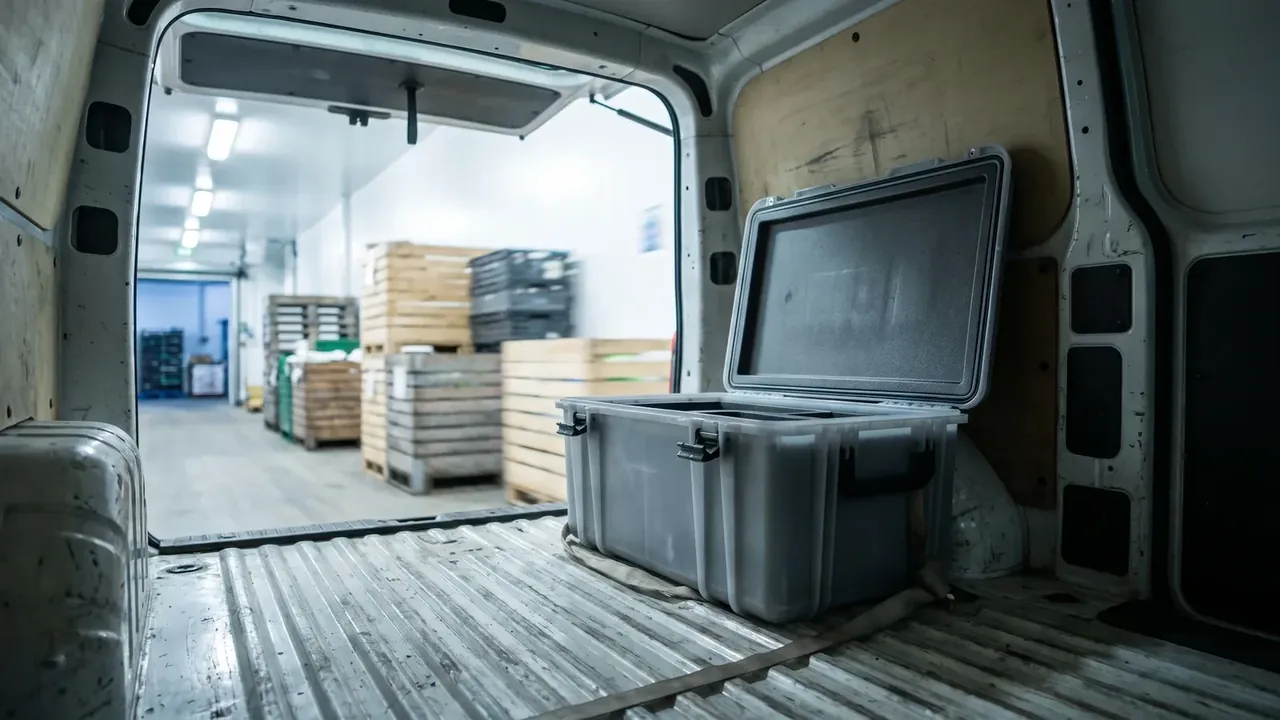
Under inspection level II a lot of 501 to 1200 pieces samples 80 units: AQL 2.5 accepts at 5 and rejects at 6, AQL 0.65 accepts at 1 and rejects at 2.
Above 1200 pieces the sample grows to 125, and the acceptance numbers become 7 and 2. Bulk Instrument Case Purchasing writes both lines into the contract annex instead of promising to inspect "to national standard".
| Lot size | Sample | AQL 2.5 accept/reject | AQL 0.65 accept/reject |
|---|---|---|---|
| 151–280 | 32 | 2 / 3 | 0 / 1 |
| 281–500 | 50 | 3 / 4 | 1 / 2 |
| 501–1200 | 80 | 5 / 6 | 1 / 2 |
| 1201–3200 | 125 | 7 / 8 | 2 / 3 |
5. Stock Buying Versus Order Buying
Stock buying means 2000 cases at the lowest unit price, money gone and pallets in a warehouse. Order buying means 300 at a time, cash following production. Bulk Instrument Case Purchasing decides on annual volume and inventory days.
Take a case at ¥200 and 2400 units a year. Stock buying ties up ¥400,000; at 6 percent that is ¥24,000 of interest, plus 40 m² of floor at ¥30 per m² per month, another ¥14,400. Together ¥38,400 across 2400 units is ¥16 per case, so a pay-as-you-go price ¥8 higher still wins.
The other half is opportunity cost: money parked in pallets cannot fund a tool change or a pilot build. The comparison is one sum — unit-price gap times annual volume against interest plus storage; stock buying wins past 5000 units a year with turnover inside 60 days.
Related Reading
- Bulk tool box selection criteria
- Negotiating custom case MOQ
- Selecting a bulk case order
- Cartons and cases in packing
JUNZHIJIA
Related Products
- 8 Series — Gun Cases; Military Equipment Cases; Camera Equipment Cases; Drone Cases; Watch Cases; Knife Cases; First Aid Cases; Electronics Equipment Cases
- WL8-2812 PP Gun Case — model WL8-2812
- All protective cases and toolboxes: 7 series, 158 models