

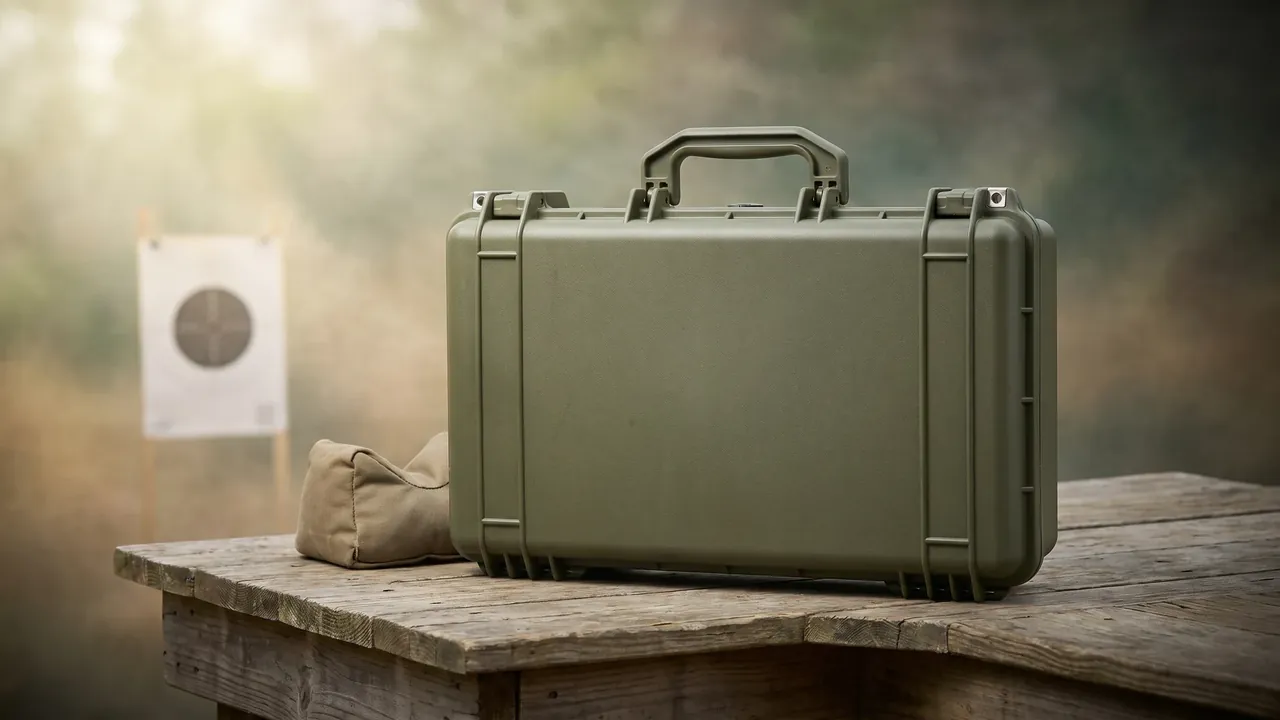
Quick answer: Cartridge boxes — containers for cartridge-type items — follow three material routes: metal (steel/aluminum), engineering plastic (PP/ABS) and fiber (board/composite). The choice comes down to four variables: service life (single-trip vs reusable), environment (humidity, temperature), weight sensitivity and budget. The industry consensus is straightforward: reusable cycles and humid environments favor plastic or metal; single-trip shipping and weight-sensitive logistics favor fiber. Each route has a clear best zone; none fully replaces the others.
Table of contents
- Conclusion first: how the three routes divide the work
- Material comparison table
- Metal: rigidity and service life
- Plastic: toughness and low maintenance
- Fiber: light weight and single-trip use
- Selection guidance
- FAQ
1. Conclusion first: how the three routes divide the work
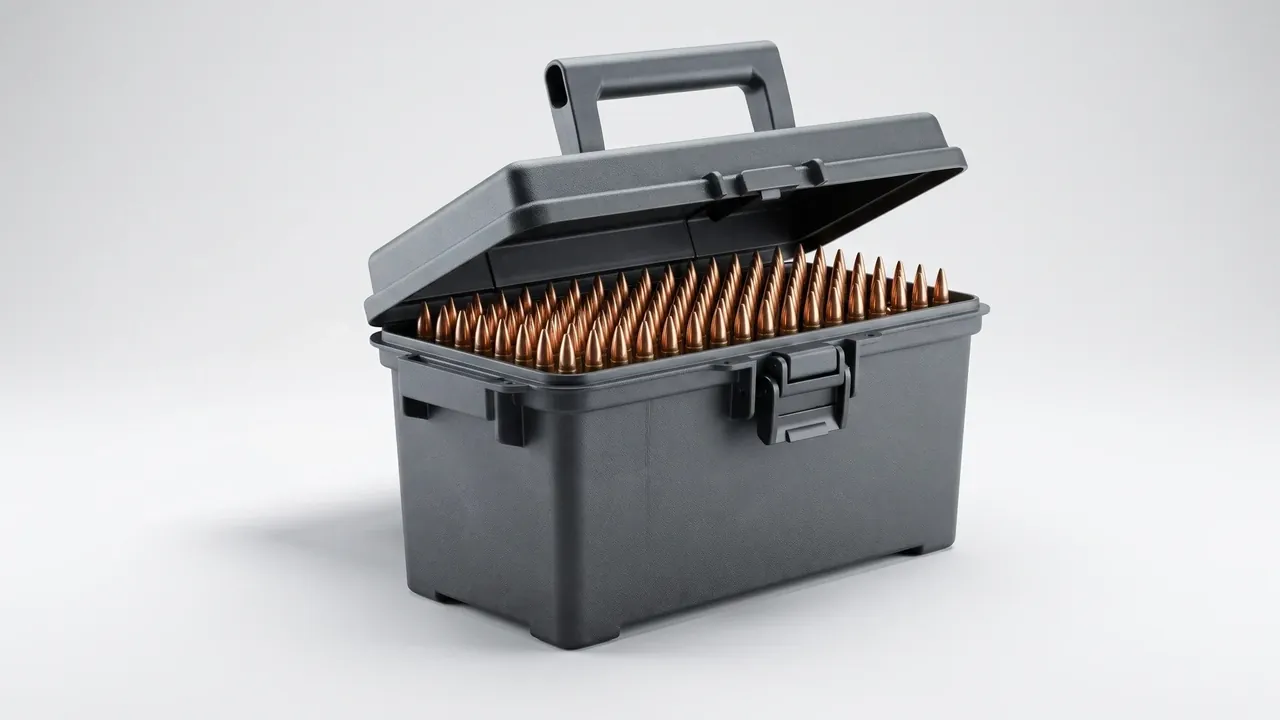
Compress the decision into one question: how many trips will this box make, and in what environment? The division of labor is historically settled:
- Metal: high cycle counts, where rigidity and heat tolerance are required;
- Plastic: high cycle counts, where moisture resistance and low maintenance matter — the fastest-growing route today;
- Fiber: single or few trips, where weight and unit cost dominate.
The real differences sit on four axes — service life, weight, moisture resistance and life-cycle cost — not on "which is strongest."
2. Material comparison table
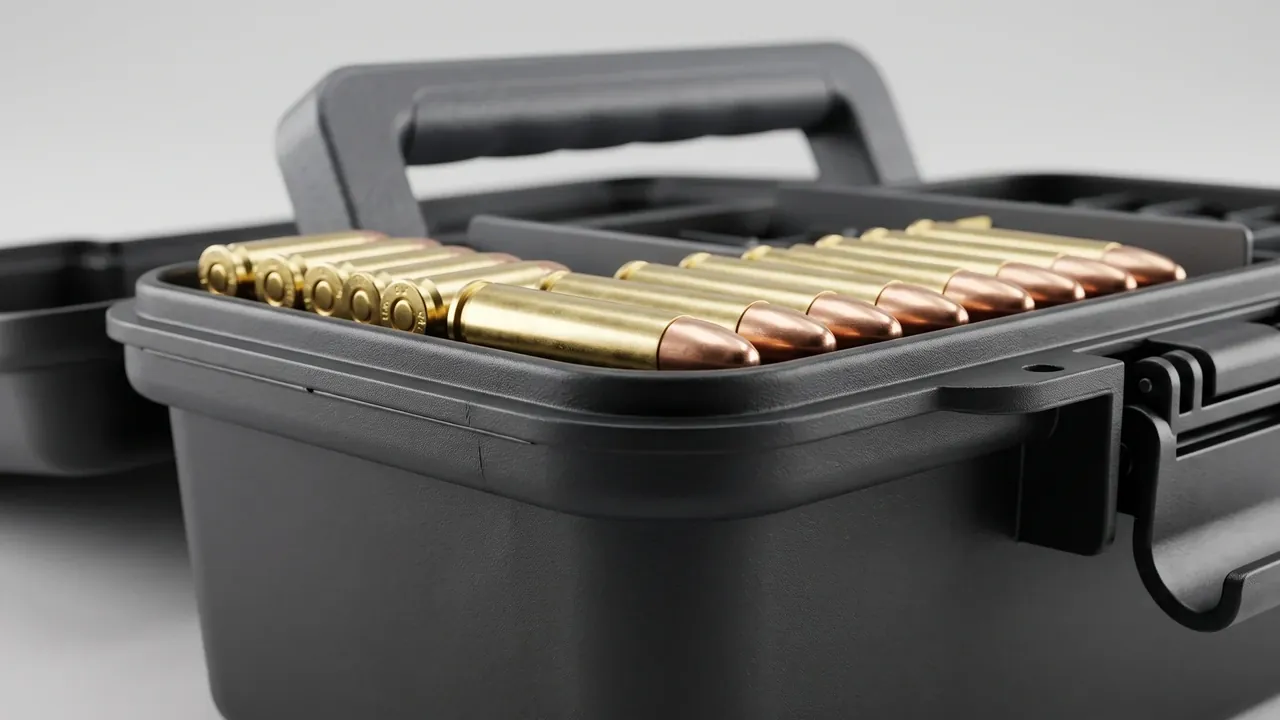
| Dimension | Metal (steel/aluminum) | Plastic (PP/ABS) | Fiber (board/composite) |
|---|---|---|---|
| Cycle life | Long (years) | Long (years) | Short (one to several trips) |
| Weight | Heavy | Medium | Light |
| Moisture | Coating-dependent, rust-prone | Intrinsically resistant; excellent seals possible | Poor; needs liner bags |
| Impact | Dents permanently | Tough, rebounds | Fails when damaged |
| Maintenance | Rust control, coating repair | Gasket replacement only | Essentially none (dispose after use) |
| Recycling/reuse | High | High | Limited |
| Typical cost | High | Medium | Low |
"Typical cost" here means unit purchase price. On life-cycle cost (purchase + maintenance + disposal, divided by reuse count), plastic and metal are often cheaper for reusable cycles.
3. Metal: rigidity and service life
Metal containers (steel and aluminum) offer structural rigidity and heat tolerance that remain irreplaceable in transport chains involving crushing, puncture and high-temperature exposure. The costs are three: heavy weight (raising manual handling cost), rust management (coat damage must be repaired promptly), and permanent dents (affecting stacking and sealing).
Aluminum is lighter than steel but costlier and slightly weaker against puncture. The metal route fits high-frequency, machine-handled cycles with hard rigidity requirements.
4. Plastic: toughness and low maintenance
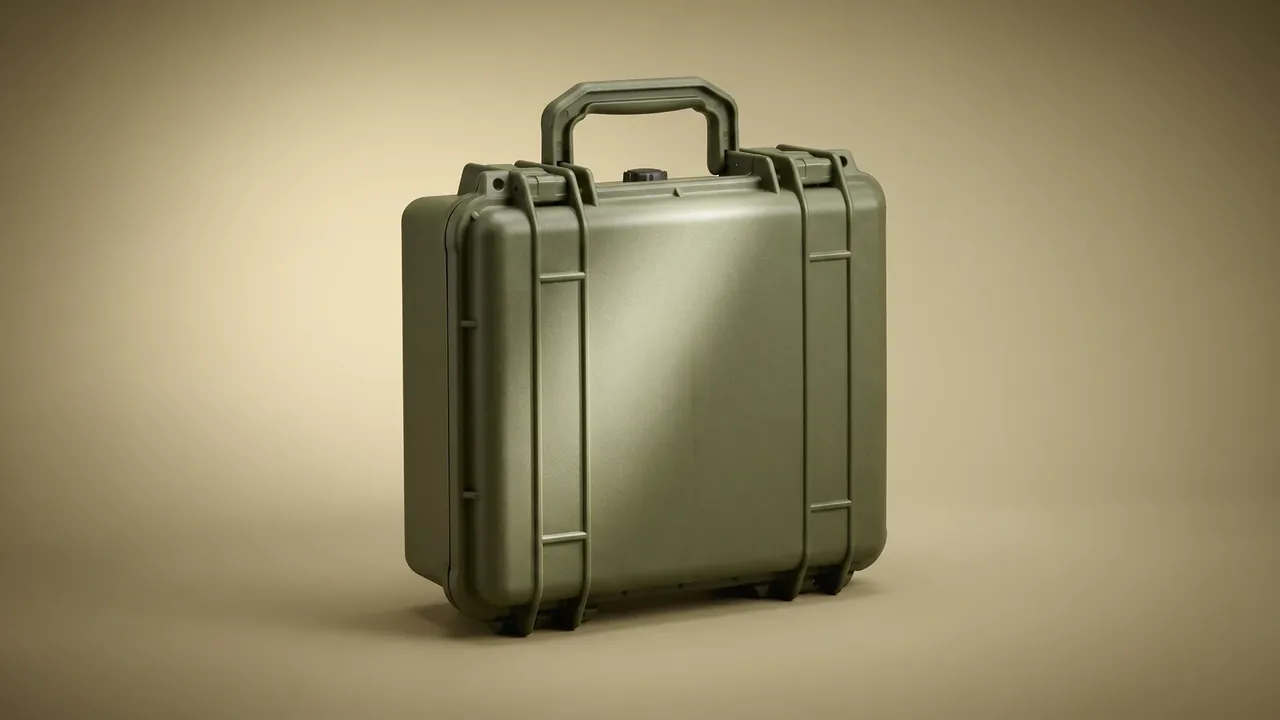
Engineering plastic has been the fastest-growing route for two decades, for three reasons:
- Intrinsic moisture resistance — plastic neither absorbs water nor rusts; with a gasket it reaches IP65–IP67-class protection;
- Tough rebound — impact deformation recovers, leaving stacking and sealing intact;
- No coating maintenance — no rust control or repainting; the only maintenance task is gasket replacement.
Limits are equally clear: rigidity drops at high temperature (PP especially), and chemical resistance varies by solvent. The plastic route suits the majority of modern storage and transit scenarios with human handling, humid environments and a low-maintenance preference.
5. Fiber: light weight and single-trip use
Fiber containers (board, composite panels) win on weight and price: low unit cost, low tare weight, suited to single-trip shipping followed by disposal or recycling. Moisture protection depends on liner bags and packaging workmanship; the body is not water-resistant, and impact tolerance is limited — damage ends service life.
The fiber route fits one-way export shipments, air-freight weight limits and cost-sensitive chains. Where the chain includes multi-stage handling or open-air staging, fiber needs extra outer protection, at which point its total cost may no longer be lower.
6. Selection guidance
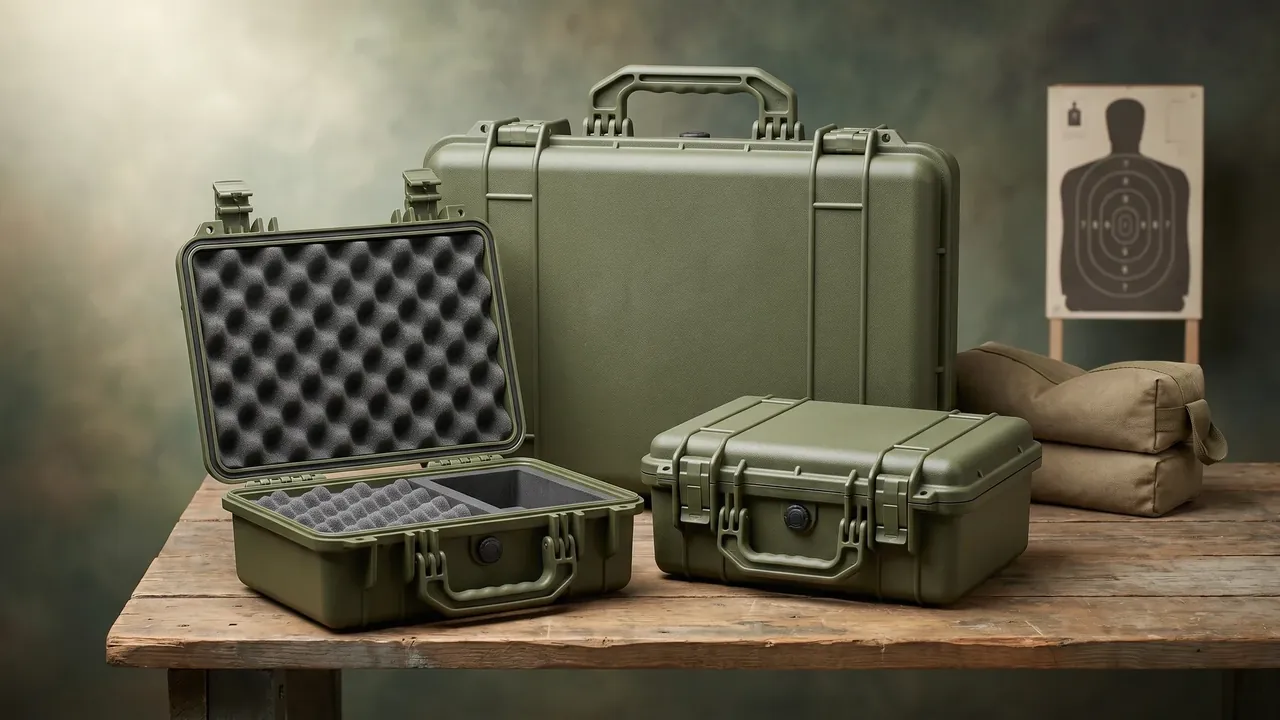
Walk through four questions to locate the route:
- How many trips? One → fiber; three or more → plastic/metal;
- How humid? Open-air or humid → plastic first; metal with coating maintenance; fiber with moisture liners;
- Who handles it? Human-led → weight weight rises, plastic/fiber; machine-led → metal viable;
- Which budget? Unit price → fiber is lowest; life-cycle cost → plastic usually wins.
Mixed strategies are common: fiber/plastic for long-haul export, plastic for internal cycles, metal where rigidity is mandatory — segment the chain and choose per segment rather than one material for everything.
Conclusion
Choosing a cartridge box material is not "which material is best" but a matching problem across service trips, environment, handling mode and budget basis: reusable and humid goes to plastic or metal, single-trip and lightweight goes to fiber. Using life-cycle cost instead of unit price as the comparison basis makes most procurement conclusions more accurate.
This article covers container materials and selection only. It does not cover the handling, loading or use of any items placed inside.
Related Reading
- Cartridge Box: Causes of Moisture Damage and Seal Failure
- Metal Ammunition Containers: Steel vs Aluminium Metal Ammu…
- Ammunition Packing Box Standards and Export Packing Requir…
Related Products
- 8 Series — Gun Cases; Military Equipment Cases; Camera Equipment Cases; Drone Cases; Watch Cases; Knife Cases; First Aid Cases; Electronics Equipment Cases
- WL8-2812 PP Gun Case — model WL8-2812
- All protective cases and toolboxes: 7 series, 158 models