

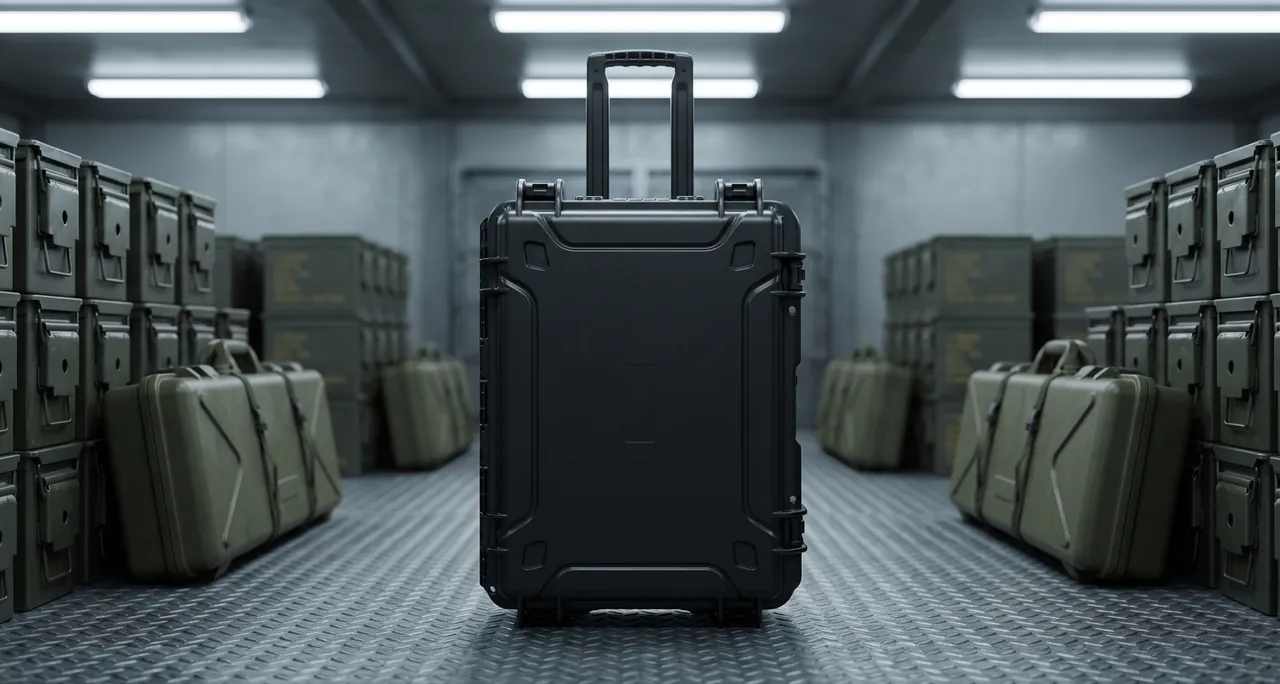
Quick answer: The most common problems with a cartridge box — a container for storing cartridge-type items — are moisture ingress and seal failure. The root causes usually sit in four places rather than in the shell itself: compression set in the gasket, neglected drain holes and pressure-relief valves, stacking that breaks lid compression, and condensation from day–night temperature swings. Fix it in three steps — inspect, replace, manage: locate the failed layer, replace the maintainable parts, then use stacking rules and inspection cycles to prevent recurrence.
Table of contents
- Symptoms and diagnostic order
- Four root causes, one by one
- The fix: inspect, replace, manage
- Prevention and inspection cycles
- FAQ
1. Symptoms and diagnostic order
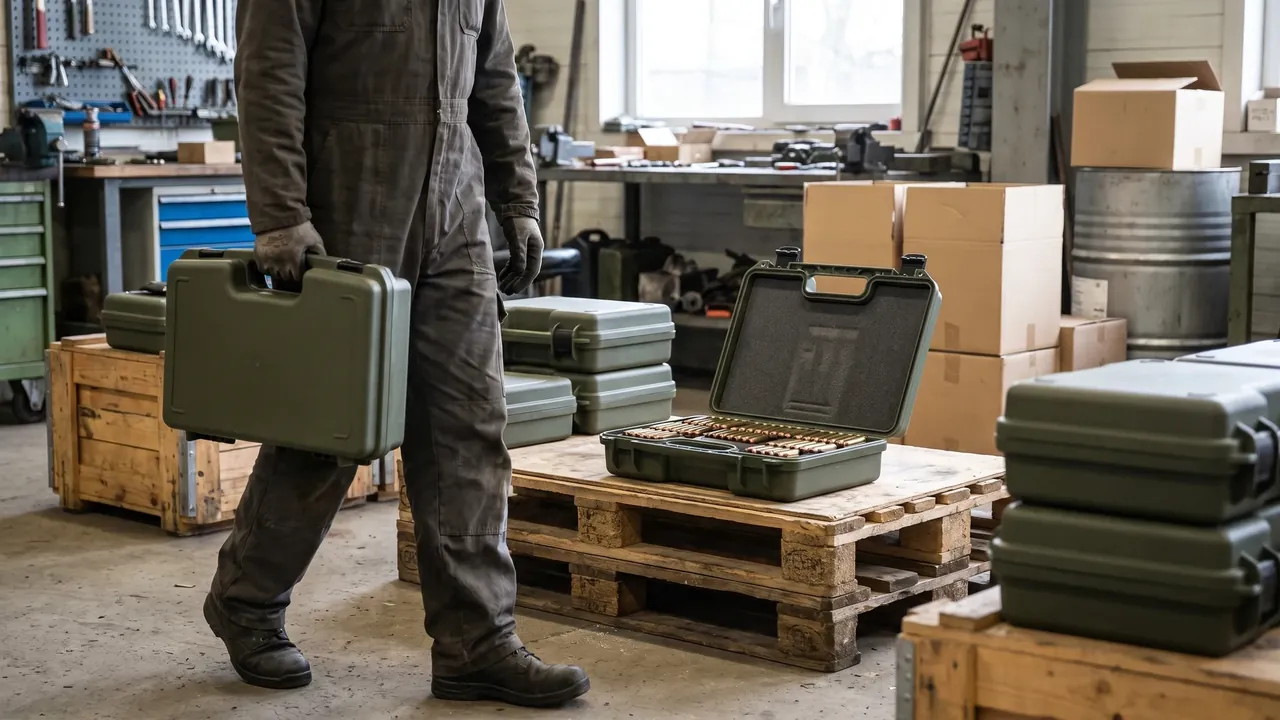
Symptoms fall into four classes, each pointing to a different diagnosis:
| Symptom | First suspect | Note |
|---|---|---|
| Droplets on the inner wall | Condensation | Day–night swing causes internal condensation; not ingress |
| Standing water at the base | Gasket or drain hole | Liquid entered; path is a seal face or valve port |
| Mold at the lid lip | Gasket aging | Local compression loss forms a micro-gap |
| Damp, soft foam | Long-term high humidity | Foam absorbed moisture; seal may still be intact |
Diagnose from the outside in: check the gasket contact face for deformation and debris, then drain holes and relief valves, and only then suspect a cracked shell. Most "leaks" turn out to be condensation or valve issues; shell cracks are a small share.
2. Four root causes, one by one
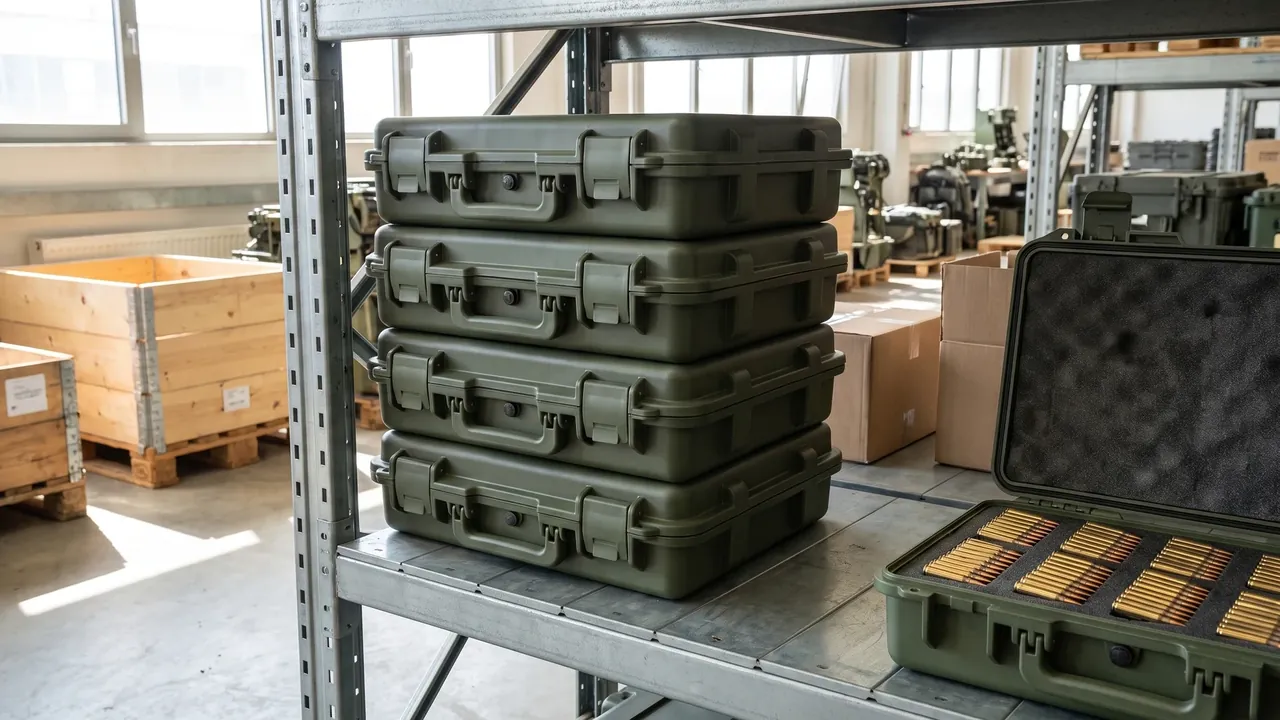
Cause 1: Compression set in the gasket. A gasket held compressed for long periods takes plastic deformation; recovery force drops and micro-gaps appear at the seal face. This is life behavior, not a defect — press the lid lip and watch the rebound; slow or dented rebound means replacement.
Cause 2: Neglected drain holes and relief valves. Clogged ports or aged valve seats let the "breathing" from temperature swings draw moisture inside. These two spots are the most commonly missed items on inspection lists.
Cause 3: Stacking that breaks compression. Stacking in the wrong orientation (a case resting on another's unsupported lid lip) removes local compression and creates an ingress path. Stackable designs define load-bearing zones; confirm stack direction and layer limits before purchase.
Cause 4: Condensation misread as a leak. A well-sealed case in a large day–night swing still shows droplets on the inner wall — the better the seal, the more enclosed the air and the more visible the condensation. The fix is desiccant management, not a new case.
3. The fix: inspect, replace, manage
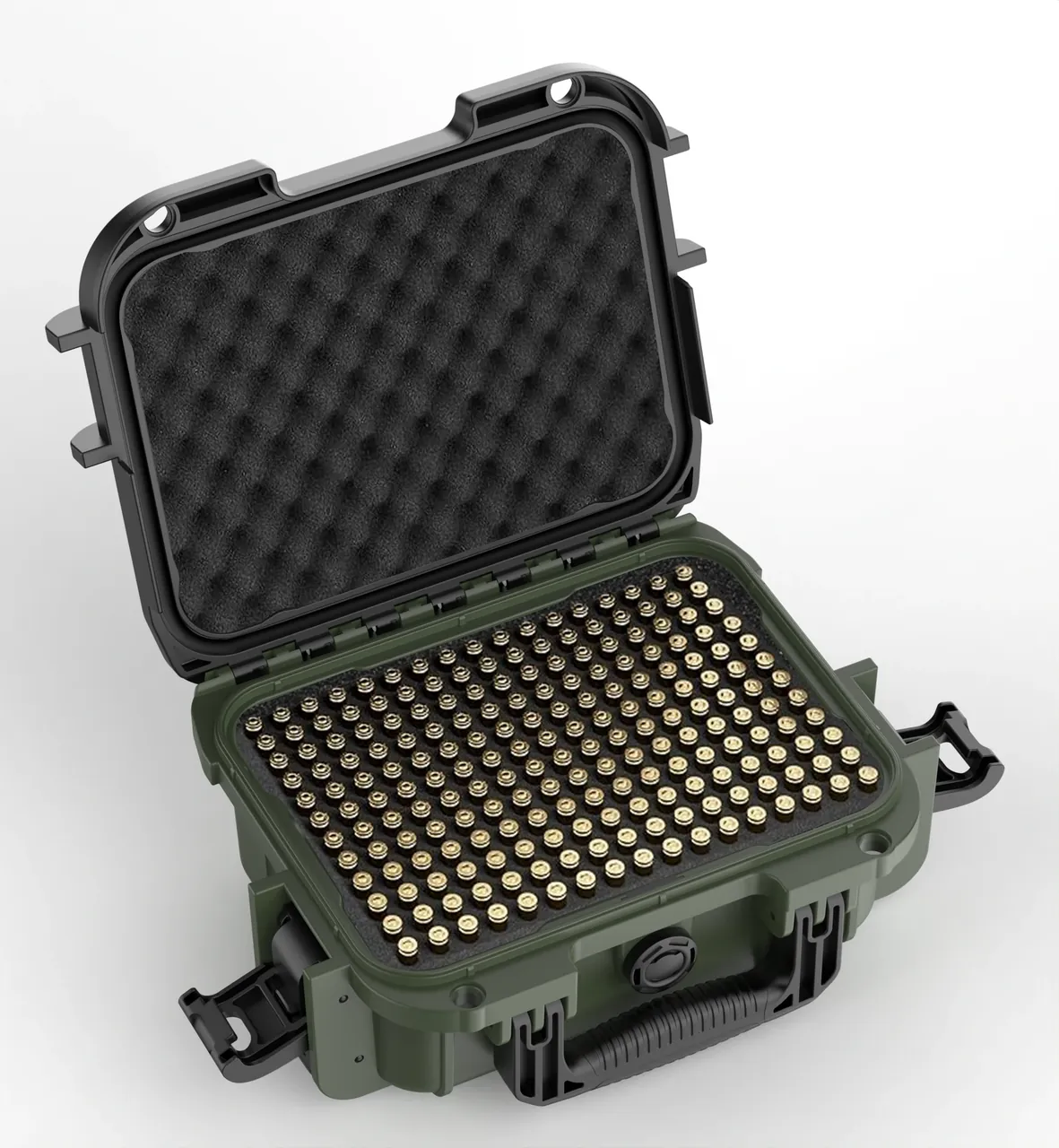
Inspect: a three-step visual check — gasket contact face (deformation/debris) → drain hole and relief valve (open/clogged) → lid compression (even/locally unsupported). Under two minutes per case.
Replace: prioritize maintainable parts. Gaskets should be available separately; a hardened valve seat means replacing the valve; damp foam with normal rebound can be dried and reused, collapsed foam must be replaced. Do not re-seal a failed case with adhesives — the glue blocks the maintainable path and its weatherability is far below the original gasket.
Manage: the actions that push failure probability down:
- Stack only on load-bearing zones, same orientation, within the supplier's stated layer limit;
- Keep storage out of direct sun; prefer indoor storage where temperature swings are large;
- Increase desiccant replacement frequency in humid seasons — humidity indicator cards are the simplest inspection tool;
- Keep a gasket replacement log by batch; aging is predictable, and scheduled replacement costs less than failure-driven replacement.
4. Prevention and inspection cycles
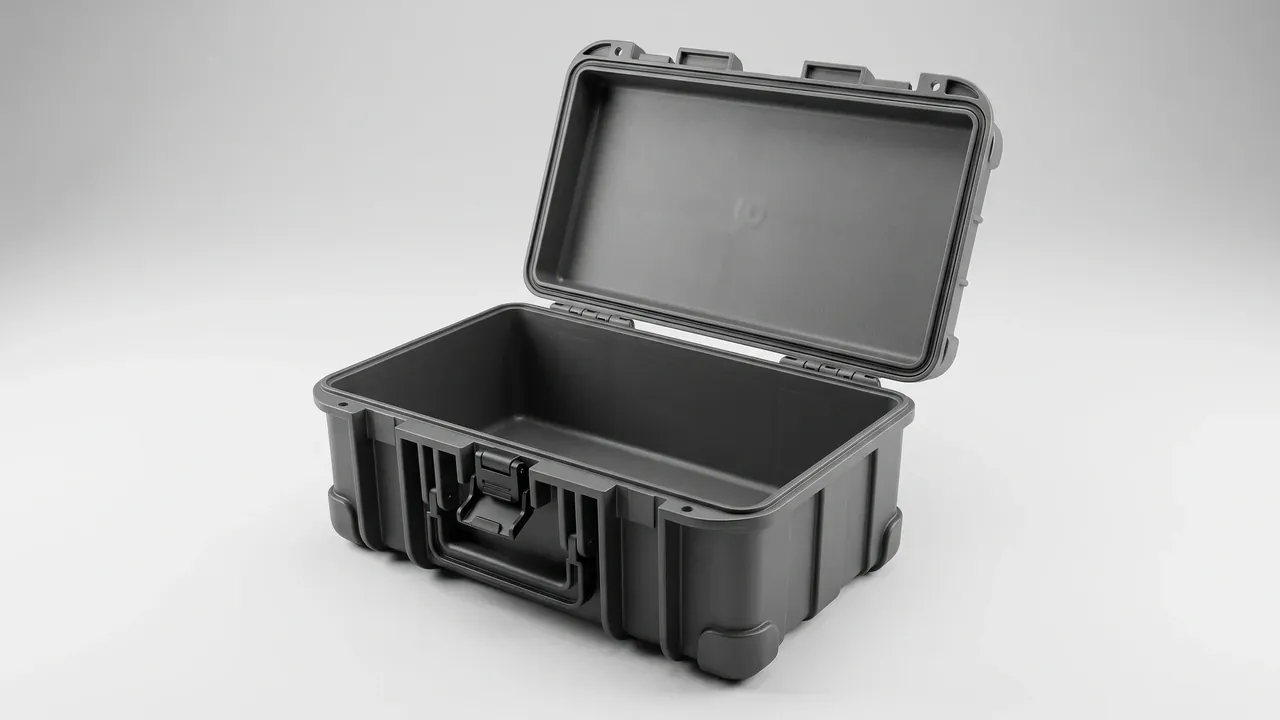
| Cycle | Action | Acceptance criterion |
|---|---|---|
| Monthly | Three-step visual check | Seal face clean, ports open, compression even |
| Quarterly | Desiccant / humidity card check | Indicator color normal, or replaced per instructions |
| Yearly | Gasket condition review | Slow rebound or dents → replace |
| Every 2 years | Relief valve service | Hardened seat → replace valve |
Writing "replaceable gasket, serviceable valve, openable desiccant compartment" into acceptance terms at purchase is the cheapest prevention — maintainability decides life-cycle cost.
Conclusion
Eight out of ten moisture and seal problems in cartridge boxes trace to four things: gasket aging, blocked ports, wrong stacking, and misread condensation. Work in the inspect–replace–manage order: locate the failed layer, replace the maintainable parts, then use stacking rules and inspection cycles to keep it from recurring. Writing maintainability into the purchase terms is the single decision that most lowers life-cycle cost.
This article covers the container's sealing and maintenance only. It does not cover the handling, loading or use of any items placed inside.
Related Reading
- Cartridge Box Materials: Metal vs Plastic vs Fiber Containers
- cartridge-storage-box-problems-and-solutions
- Protective Case Accessories Upgrade: Latches Wheels Handle… (category page)
Related Products
- 8 Series — Gun Cases; Military Equipment Cases; Camera Equipment Cases; Drone Cases; Watch Cases; Knife Cases; First Aid Cases; Electronics Equipment Cases
- WL8-2812 PP Gun Case — model WL8-2812
- All protective cases and toolboxes: 7 series, 158 models