

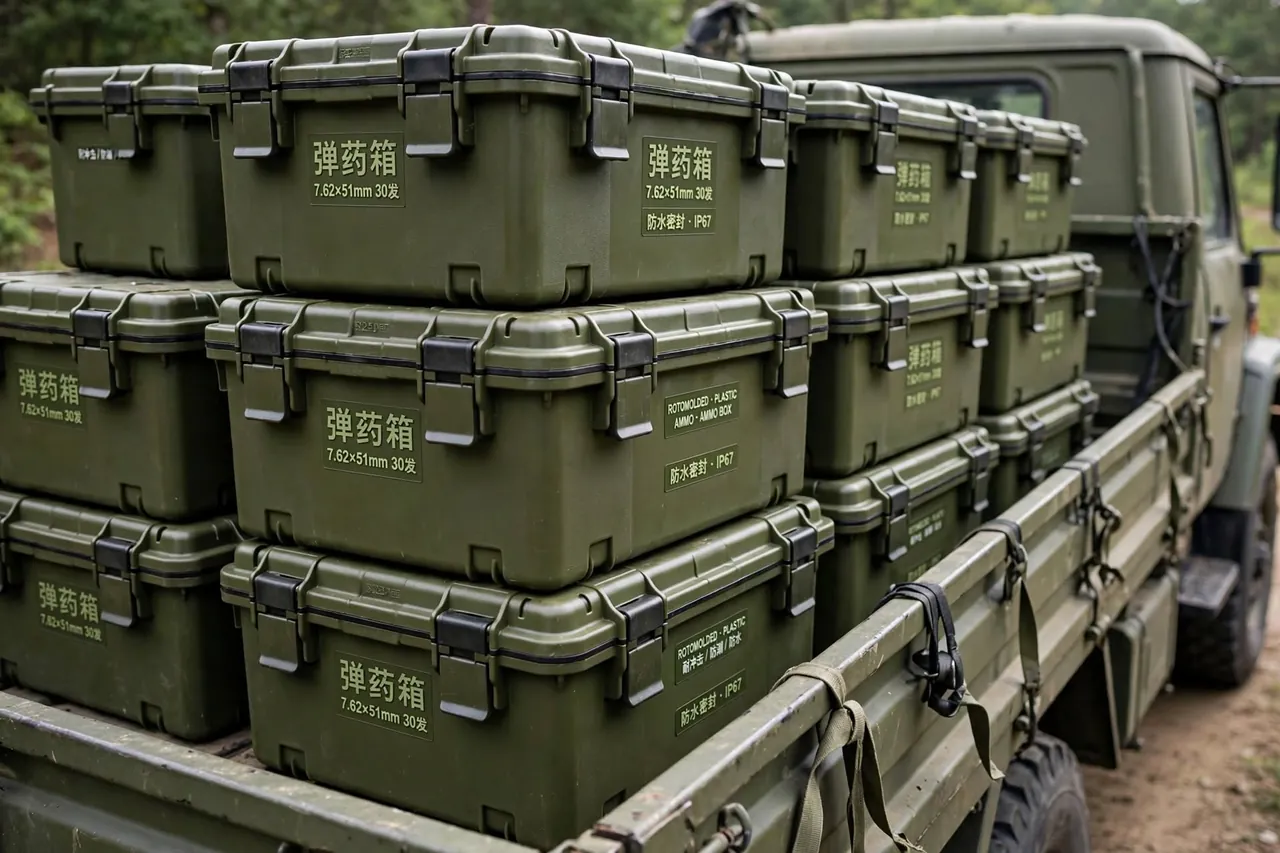
Quick answer: Long-term storage (a year or more) runs on a different logic from daily storage: instead of "repair when broken," it relies on process management over time — intake preparation (a dry, clean baseline), sealed state (gasket + buffering media + isolation), in-storage maintenance (periodic humidity monitoring and desiccant rotation), and unsealing inspection (re-verify before reuse). Corrosion control centers on metal parts: block moisture, cut electrolytes, maintain coatings. This article covers the container side only.
Table of contents
- Why long-term storage is a different logic
- The four-stage process
- Three points of corrosion control
- Sealed-state configuration checklist
- Unsealing and re-storage
- FAQ
1. Why long-term storage is a different logic
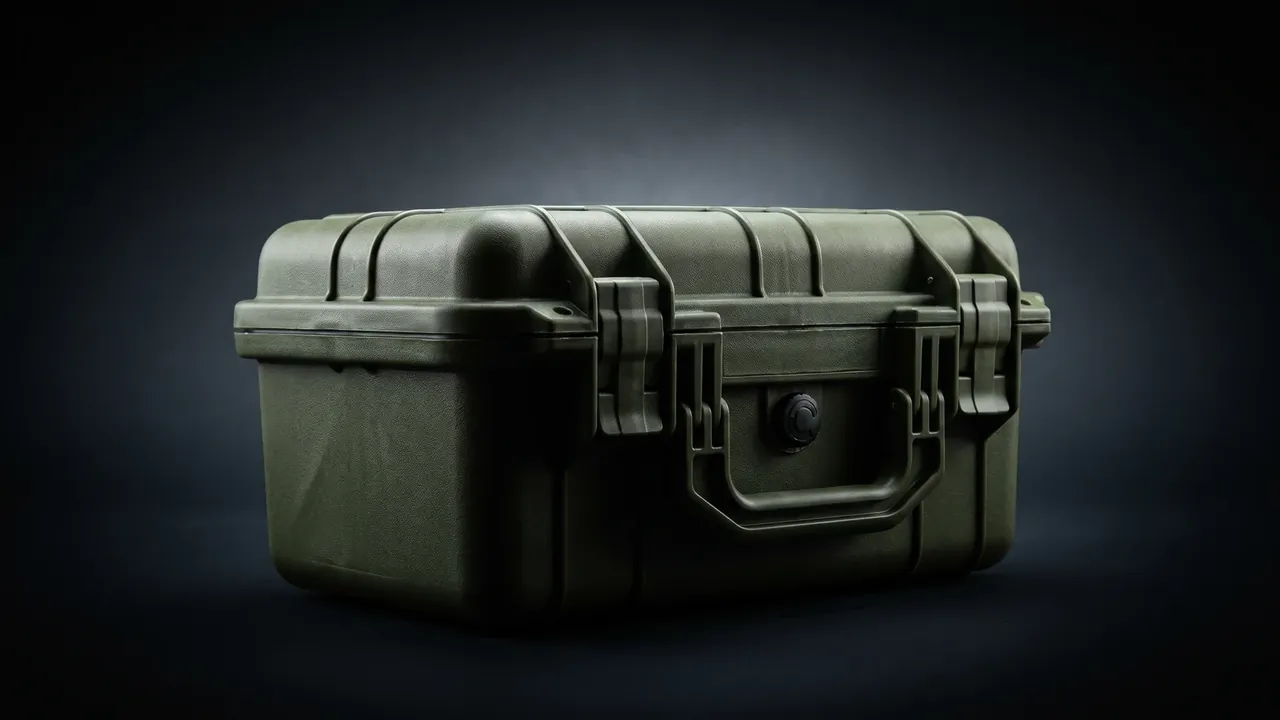
Short-term risks are sudden events (drops, ingress); long-term risk is slow degradation — an accumulation of humidity, temperature and material aging over time. Slow degradation shows no event until the damage is done, so the management center of gravity moves from "diagnose afterwards" to "preventive process."
The second reason: in long-term storage the case is unattended. Every measure that depends on "someone glances at it" dies; only the initial sealed state and scheduled inspections survive.
2. The four-stage process
Stage 1 — Intake preparation. Establish the baseline: dry the case (verify low moisture in cavity and insert before sealing), clean it (no salt or corrosive residues), verify gasket condition (normal rebound). A dirty baseline means every later measure protects an already-polluted micro-environment.
Stage 2 — Sealed configuration. Sealing + buffering + isolation in place (see the checklist below); record the sealing date and configuration so every later inspection has a reference state.
Stage 3 — In-storage maintenance. Read humidity cards or data loggers on schedule; replace desiccant when indicated. Interval by environment: climate-stable rooms can stretch to quarterly, standard stores monthly.
Stage 4 — Unsealing inspection. Check before use: seal integrity, condensation traces, metal-part condition, insert state — all pass before the case returns to service.
3. Three points of corrosion control
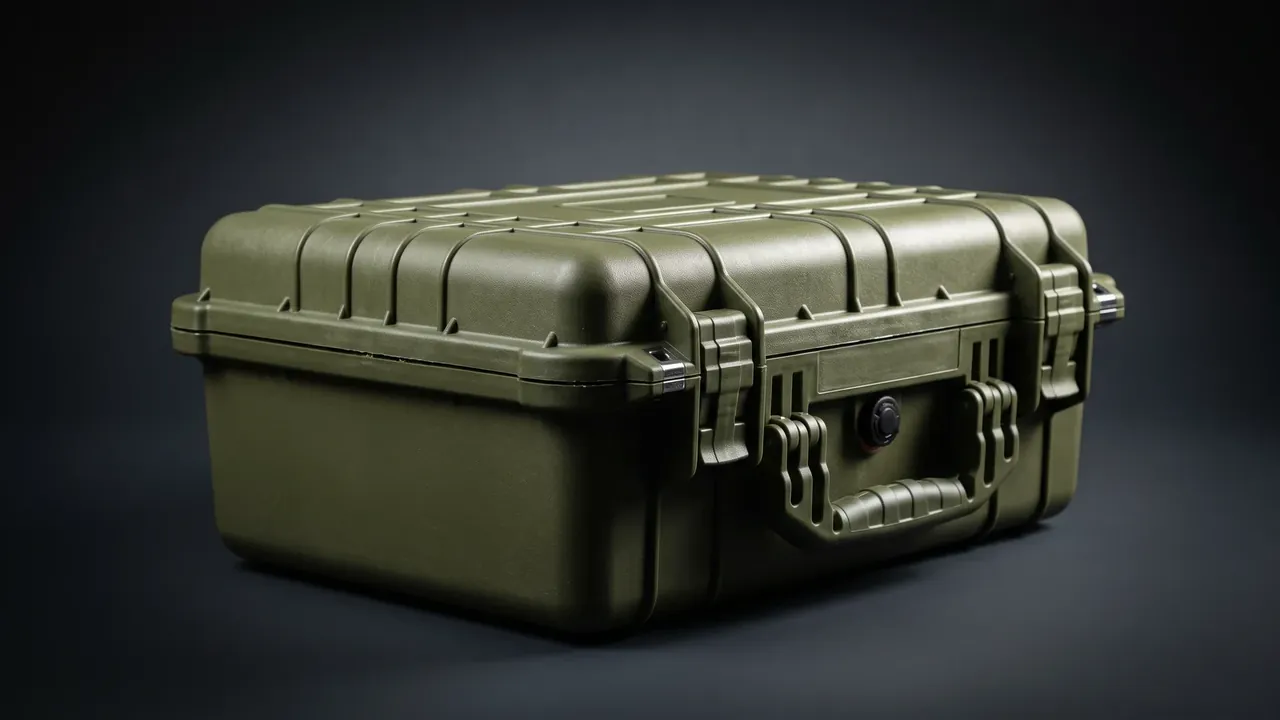
Container-side corrosion control targets metal parts (latches, hinges, lock cores, metal trays):
- Block moisture — the sealing system is the first line, which is why long-term storage is so demanding about gasket condition;
- Cut electrolytes — salt and dust films absorb moisture and accelerate electrochemical corrosion. Clean before storage and avoid open-air staging; both are electrolyte control;
- Coatings and inhibitors — touch up coating damage promptly; in humid regions, VCI-type vapor-phase inhibitors can be used inside, with compatibility confirmed by the responsible specialist.
A practical rule: anti-corrosion investment scales with sealed duration — three months needs basic sealing; three years needs the full "seal + dry + inhibit" combination.
4. Sealed-state configuration checklist
| Item | Configuration | Note |
|---|---|---|
| Sealing | Gasket verified + even compression | Mandatory before sealing; replace weak gaskets on the spot |
| Drying | Sufficient desiccant + humidity card | Quantity by cavity volume and duration |
| Isolation | Hygroscopic materials away from metal parts | Paper labels removed or sealed in bags |
| Marking | Sealing date, operator, inspection plan | Inside the lid or mapped in the ledger |
| Placement | Dark, off the floor, away from outer walls | Reduces thermal gradients and condensation |
The most overlooked item is "isolation" — paper documents and ordinary labels inside the case are classic moisture sources; remove or bag them before long-term sealing.
5. Unsealing and re-storage
Unsealing is not "open and use":
- Check before opening: verify seal integrity externally; log the unsealing time and person;
- Internal review: humidity card reading, cavity visual, metal-part state, insert state — four checks;
- Return or re-seal: back to service under daily management, or re-run intake preparation and sealed configuration for further storage — desiccant and gaskets replaced based on service time.
Log every unsealing to build a complete seal–unseal history — the most direct evidence of whether the storage scheme works.
Conclusion
Long-term moisture and corrosion control is not about one premium feature but about the time-completeness of the process: a clean baseline at intake, "seal + dry + isolate" at sealing, scheduled monitoring in between, inspection before unsealing, and a ledger throughout. Corrosion control adds three moves on metal parts — block moisture, cut electrolytes, keep coatings intact. Run the process and slow degradation stays predictable and checkable.
This article covers the container side only. It does not cover anything about the handling of items placed inside.
Related Reading
- Cartridge Box: Causes of Moisture Damage and Seal Failure
- Cartridge Storage Box vs Cartridge Cabinet: Capacity, Access and Control
- firearm-transport-case-problems-and-solutions
Related Products
- 8 Series — Gun Cases; Military Equipment Cases; Camera Equipment Cases; Drone Cases; Watch Cases; Knife Cases; First Aid Cases; Electronics Equipment Cases
- WL8-2812 PP Gun Case — model WL8-2812
- All protective cases and toolboxes: 7 series, 158 models