

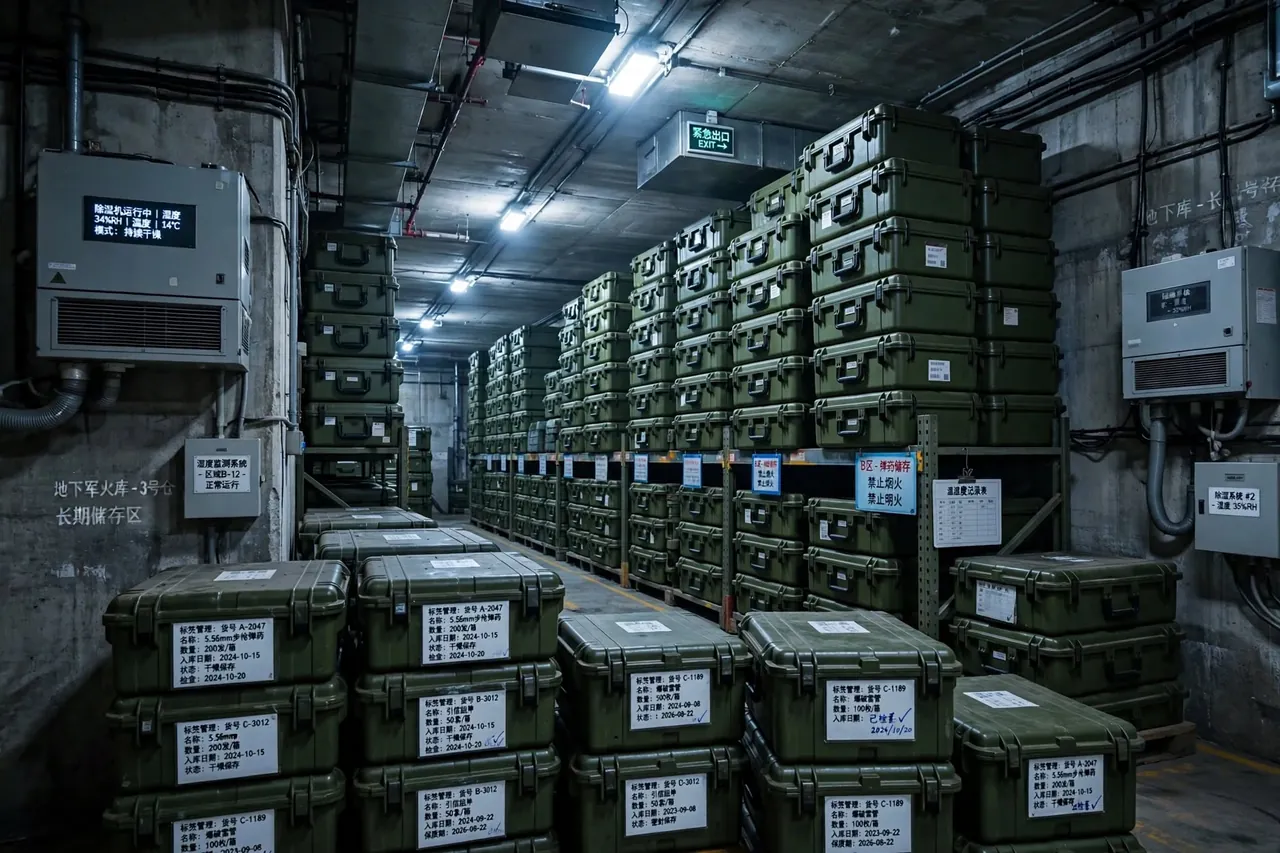
Quick answer: The trade-off between a storage box (mobile container) and a storage cabinet (fixed unit) rests on three management variables: issue mode (whole-case or piece-by-piece), counting method (open-and-count or sealed scan), and space constraints (can you spare cabinet floor). Whole-case flow and mobile work take the box; piece-by-piece issue, fixed-point control and high volume take the cabinet. Most operations correctly use both: the cabinet as the in-store master store, the box as the flow unit. This article compares container forms only.
Table of contents
- First, the roles
- Six-dimension comparison
- How to compute the capacity and access trade-off
- When the box wins
- When the cabinet wins
- FAQ
1. First, the roles
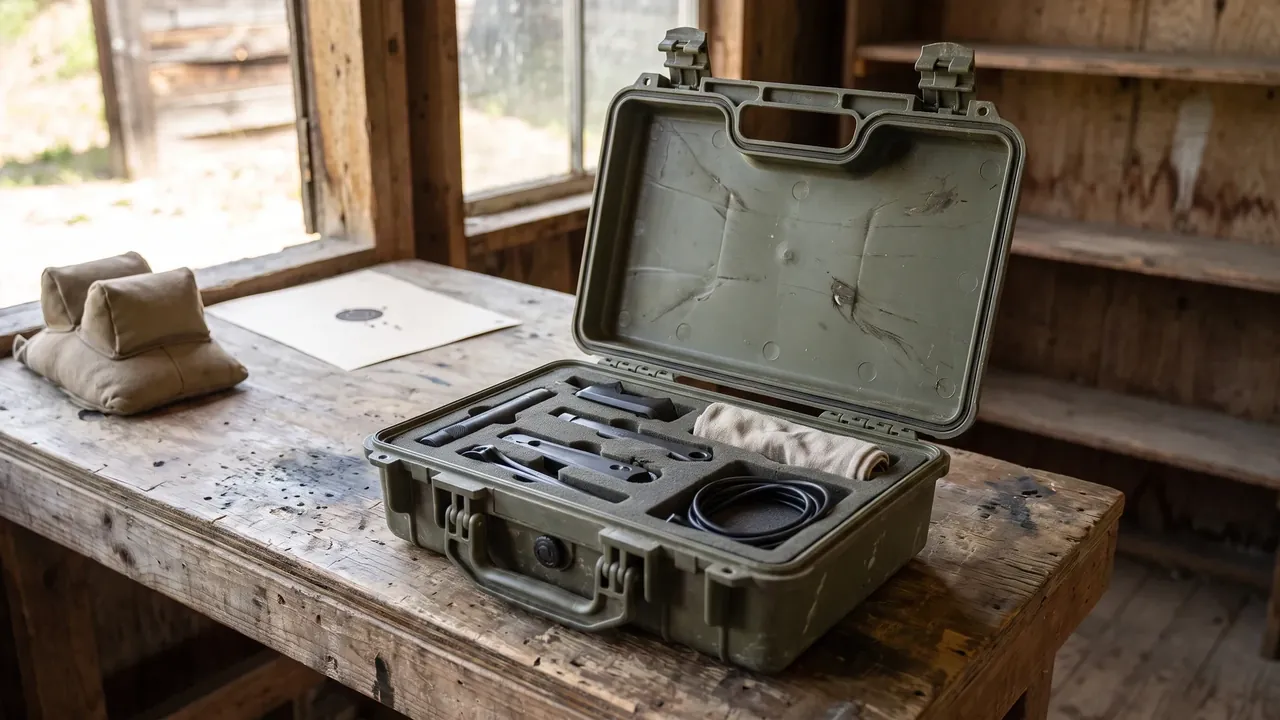
The difference is not size but management role:
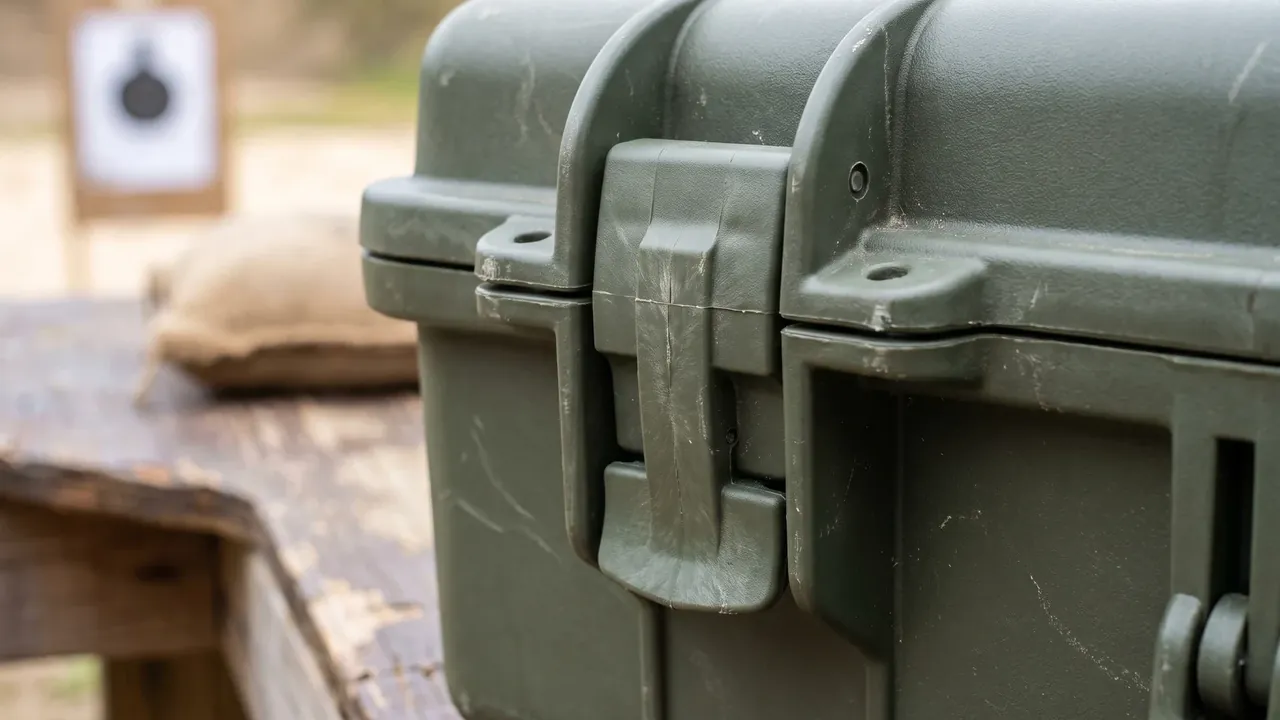
- The box is a flow unit — moved, handed over and counted as a case; the managed object is the box.
- The cabinet is a master store — items drawn and logged one by one; the managed object is the piece.
Role drives structure: boxes emphasize impact resistance, sealing and sealing points; cabinets emphasize compartments, load and access-control integration. Carrying a cabinet like a box, or using a box like a cabinet, are both role mismatches.
2. Six-dimension comparison
| Dimension | Storage box | Storage cabinet |
|---|---|---|
| Management unit | Whole case | Single item |
| Mobility | High (forklift/manual/vehicle) | Low (fixed) |
| Access speed | Whole-case draw, fast | Door open, piece by piece — slower but precise |
| Counting | By case, fast | By item, precise |
| Space use | Stackable, flexible | Fixed footprint, high density |
| Control interface | Seals, numbering, handover slips | Ledger, access control, monitoring |
Note that access speed cuts both ways: whole-case draws are fast but coarse (item detail depends on inserts and packing lists); cabinet draws are slower but item-precise. That speed-versus-precision trade is the heart of the choice.
3. How to compute the capacity and access trade-off
Two formulas quantify it:
- Box plan, per transaction ≈ transport time + open time + whole-case count (roughly constant regardless of quantity);
- Cabinet plan, per transaction ≈ open time + per-item pick time (scales with quantity drawn).
Conclusion: large whole-batch issues favor the box; small frequent draws favor the cabinet. Where issue patterns fluctuate, mix: high-frequency small draws from the cabinet, whole-batch transfers by box.
Run the space math too: cabinets have high volumetric density (3D compartments) but a fixed footprint; boxes stack, with density set by layer count, and can be re-arranged at will. In tight stores that need dynamic re-layout, box flexibility has real value.
4. When the box wins
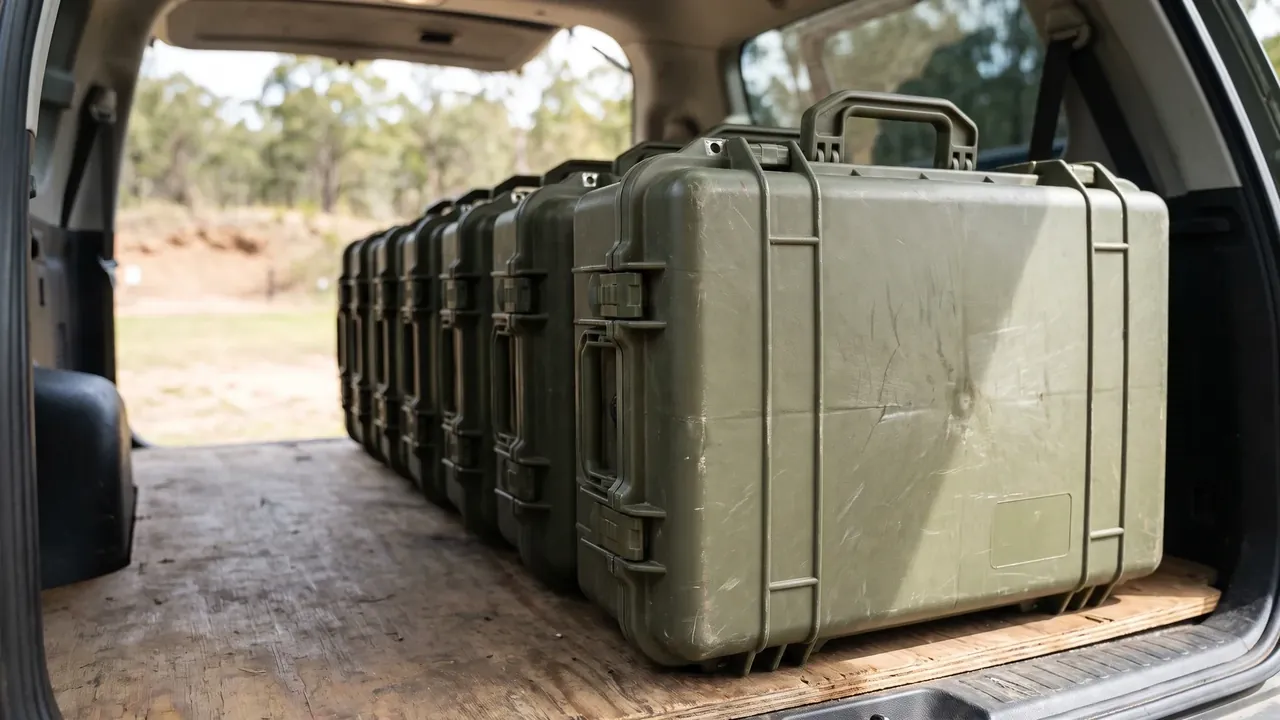
- Mobile operations: training, field duty, site moves — the case goes where people go;
- Whole-batch flow: issues and returns happen at case level, no piece counts;
- Multi-point distribution: cases can be pushed forward to work points; cabinets cannot;
- Sealed storage needs: long-term sealing is most natural at case level with security seals.
5. When the cabinet wins
- Fixed-point issue: a standing issue counter with per-item logging;
- High volume and variety: compartmented classification beyond what inserts can carry;
- High control requirements: integration with access control, monitoring and alarms;
- Item-level precision: real-time inventory at piece granularity.
Conclusion
Box versus cabinet is really "manage by the case in motion" versus "manage by the piece at rest": define issue mode, counting precision and space constraints, and the form practically chooses itself. Most operations land on the combination — cabinets for precision at the master store, boxes for speed in the flow, joined by seals and handover slips. Let each container do what it is good at, and management cost takes care of itself.
This article compares container forms only. It does not cover anything about the handling of items placed inside.
Related Reading
- Cartridge Storage Box: Moisture and Corrosion Control for Long-Term Storage
- Ammunition Packing Box Standards and Export Packing Requir…
- Ammunition Chest vs Ammunition Box: Selection Boundaries f…
Related Products
- 8 Series — Gun Cases; Military Equipment Cases; Camera Equipment Cases; Drone Cases; Watch Cases; Knife Cases; First Aid Cases; Electronics Equipment Cases
- WL8-2812 PP Gun Case — model WL8-2812
- All protective cases and toolboxes: 7 series, 158 models