

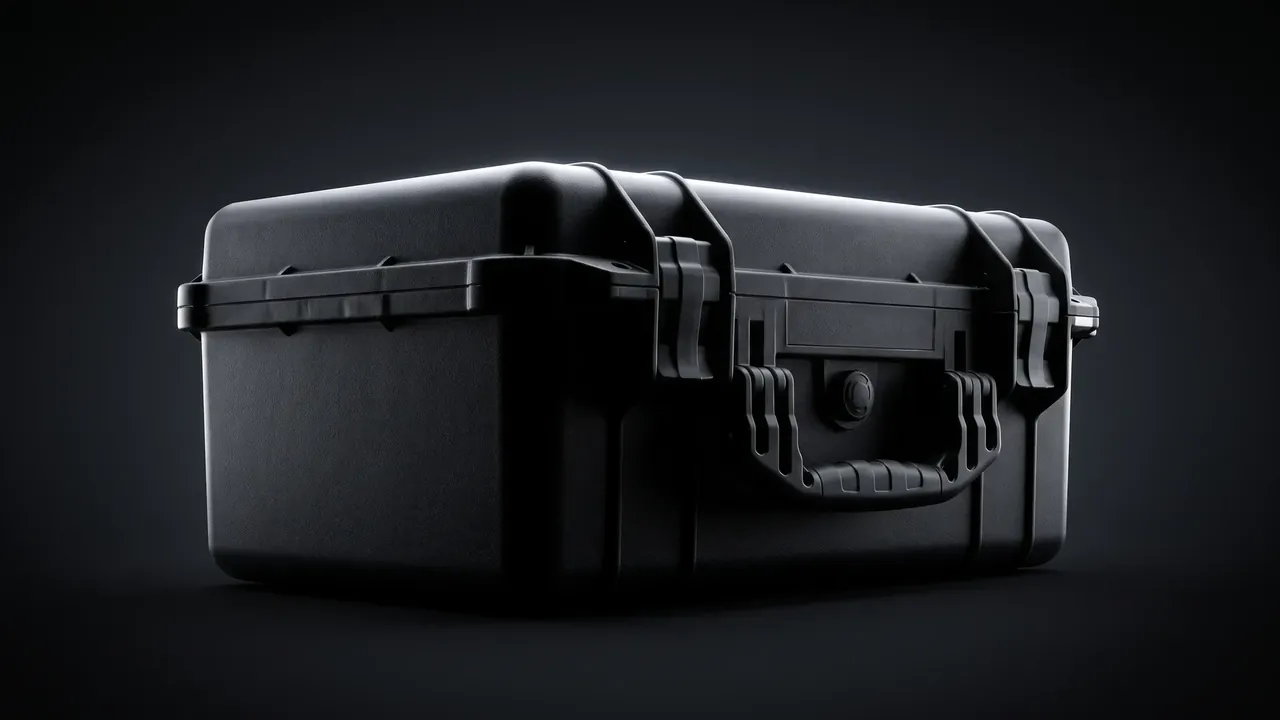
Quick answer: In warehousing and transfer, the value of a cartridge protective box is that it locks the state of the contents into one container logic from inbound to outbound. The three stages ask for different things: warehousing leans on static load, sealing and moisture control; transfer leans on dynamic securing, cushioning and vibration resistance; handover leans on labeling and traceability. Set the baseline from the strictest stage and configure the rest around it, which is usually cheaper than buying per stage. This article covers container-side use logic only.
Table of contents
- Why a cartridge protective box suits both warehousing and transfer
- Warehousing: stacking, moisture control and zoning
- Transfer: securing, cushioning and handling
- Handover and counting: labeling and traceability
- A warehousing and transfer checklist
- FAQ
1. Why a cartridge protective box suits both warehousing and transfer
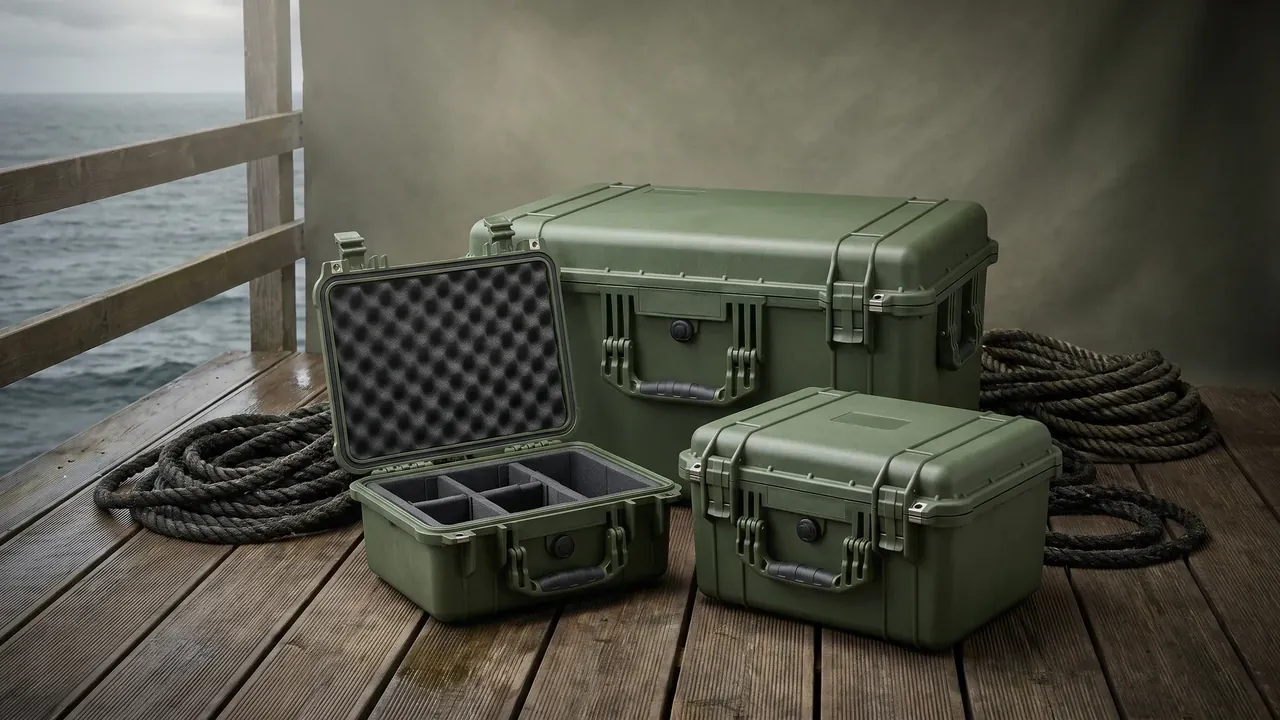
Buying a storage case and a transfer case separately has one direct cost: repacking before every shipment. Repacking means an extra round of opening, unloading, re-placing and re-latching, and every one of those steps adds exposure and knocks for the contents. Sharing one container removes that repeated action entirely, so the case stays in the same state on the shelf, on the pallet and in the truck.
- Continuous state: contents are never transferred between inbound and outbound, and the container protects them the whole way;
- Unified interface: one external size maps to one shelving, pallet and loading scheme, cutting changeover tooling;
- Simpler management: one ID per case, with accounting, items and labels sharing one record across both stages.
The premise for sharing is that the case meets the strictest requirement of both stages. Warehousing needs long-term stacking load, and transfer needs vibration and impact resistance.
2. Warehousing: stacking, moisture control and zoning
Warehousing is the static use stage for a container, yet its structural demands are not low, because deformation under long-term pressure can be more damaging than a brief impact.
- Stacking load: the lower case bears force for the whole storage cycle, so the layer count follows the static load rating;
- Moisture and ventilation: temperature and humidity swings in a closed store can form condensation inside, and sealing with pressure balance reduces moisture exchange;
- Zoning and location: zone by contents category and turnover frequency, with fast movers outward and slow movers inward to cut repeated movement during picking;
- Visible status: keep a labeling area facing the aisle so reading information never requires shifting a whole stack.
The usual warehousing failure is stacking first and checking later: once height passes the static load design value, the case deforms slowly and cracks during the next move.
3. Transfer: securing, cushioning and handling
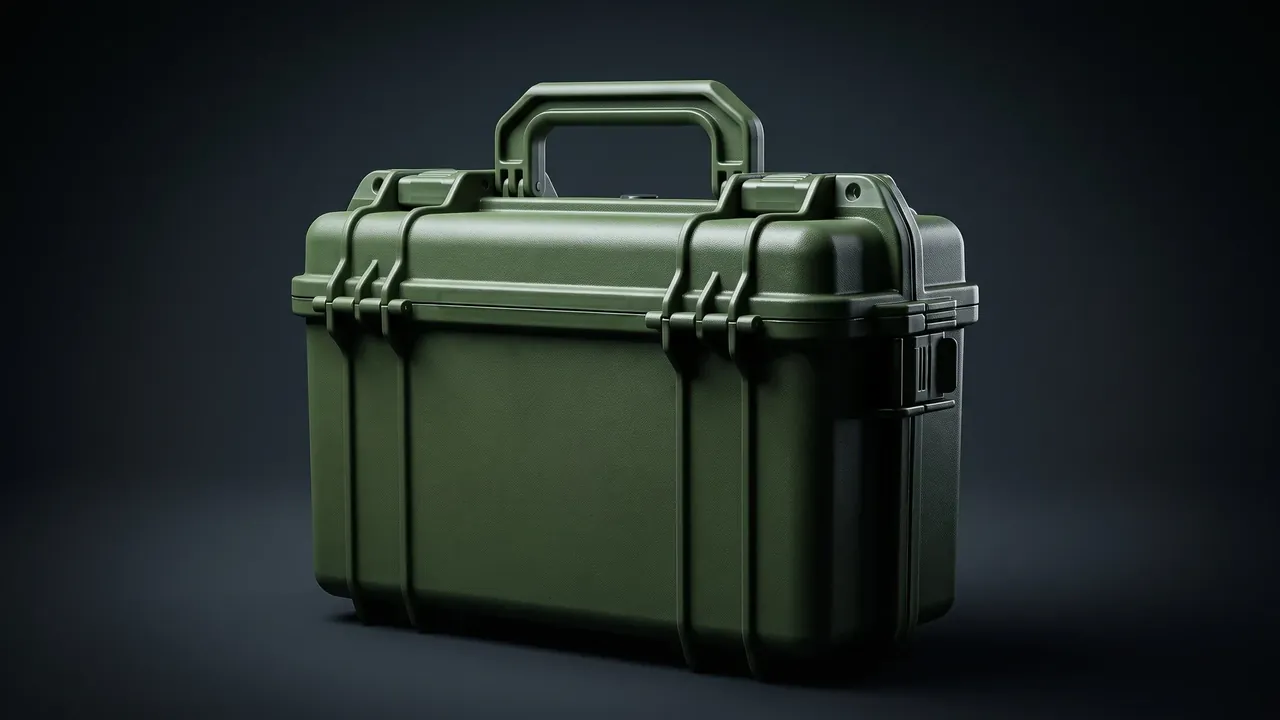
Transfer pushes the container from static to dynamic, and securing method, cushioning allowance and handling path together decide whether contents stay in place.
| Stage | Main risk | Container-side response |
|---|---|---|
| Loading | Cases slide and collide | Anti-slip base, pallet-module layout and straps |
| Long-haul vibration | Contents micro-move and accumulate displacement | Insert interference fit plus cushioning that absorbs vibration |
| Lifting and dropping | Drops, forklift impact | Reinforcement ribs and rounded corners that avoid point loading |
| Stacked transport | Multi-layer stacking under long-term pressure | Check in-truck layer count against the dynamic rating |
Of the four, loading and lifting are controllable through layout and procedure, while long-haul vibration and stacked transport depend on the case's own design allowance. In practice, transfer problems usually come from a securing method that does not match actual loading rather than from insufficient case strength.
4. Handover and counting: labeling and traceability
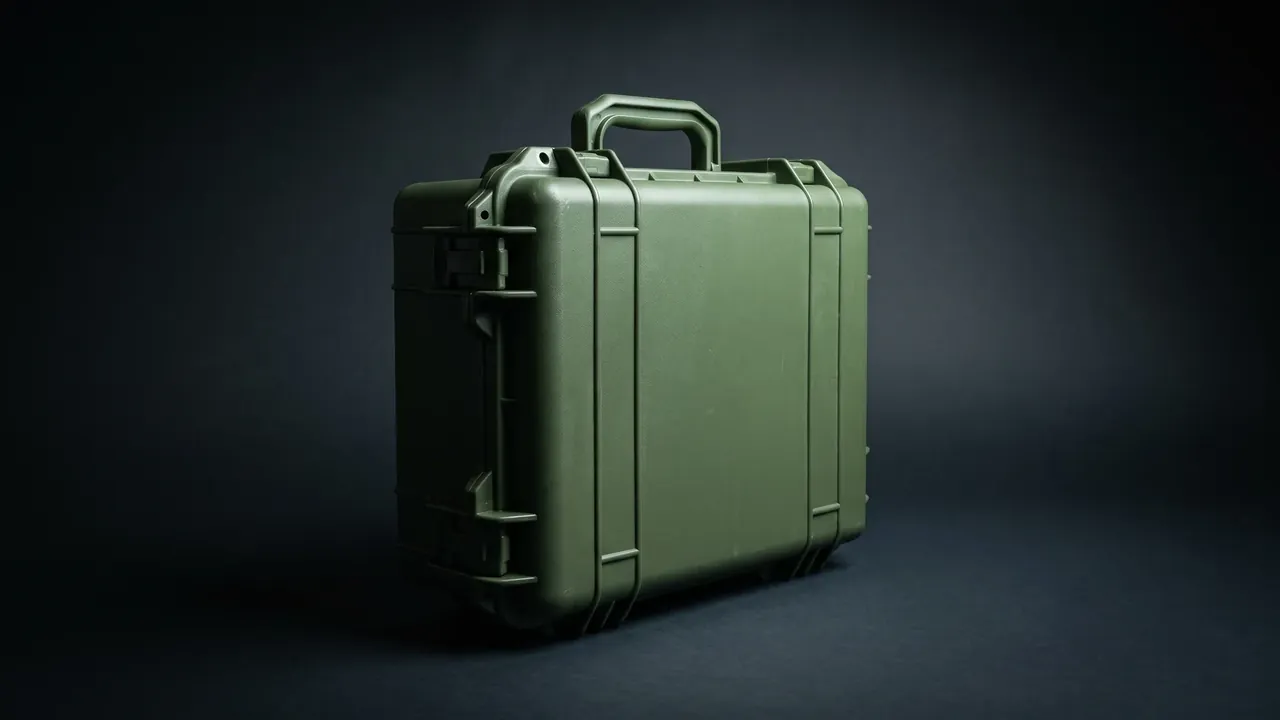
The handover point between warehousing and transfer is where information distorts most easily. The container-side answer is to make labels and content status fast to read.
- Fixed label positions: put label areas, card slots or print zones on consistent faces rather than searching case by case;
- Traceable coding: one code per case, sharing a single coding rule with ledgers, locations and shipping documents;
- Seals and tamper evidence: where an unopened state must be confirmed, a seal helps judge consistency across handover;
- Counting friendly: regular external shape and flat stacking faces allow whole-stack counting instead of opening each case.
With consistent coding, the receiving side scans and completes the check; with a confused rule, handover degrades into opening every case, which is slow and adds exposure.
5. A warehousing and transfer checklist
- Stacking layer count set from the static load rating and not exceeded on site
- Warehouse zoning sound, with label faces oriented toward the aisle for easy reading
- Transfer securing covers inner cases, not just the outer layer
- Case coding follows the same rule as ledgers, locations and shipping documents
- Stages needing an unopened check are fitted with seals or tamper-evident structure
Conclusion
Using a cartridge protective box across warehousing and transfer essentially means letting the container carry continuous protection from inbound to outbound and cutting repacking in between. Warehousing centers on static stacking and moisture control, transfer centers on dynamic securing and cushioning, and handover centers on labeling and traceability. In practice, set the container baseline from the strictest stage in the whole flow, then adapt shelving zones, loading securing and coding rules around it.
This article discusses container (case body) side use logic and stage configuration only. It does not cover any handling, loading or use of items placed inside.
Related Reading
- Specification reading: IP rating and insert configuration
- How transport and storage containers are structured
- Stacking and pallet planning for case bodies
Related Products
- 8 Series — Gun Cases; Military Equipment Cases; Camera Equipment Cases; Drone Cases; Watch Cases; Knife Cases; First Aid Cases; Electronics Equipment Cases
- WL8-2812 PP Gun Case — model WL8-2812
- All protective cases and toolboxes: 7 series, 158 models