

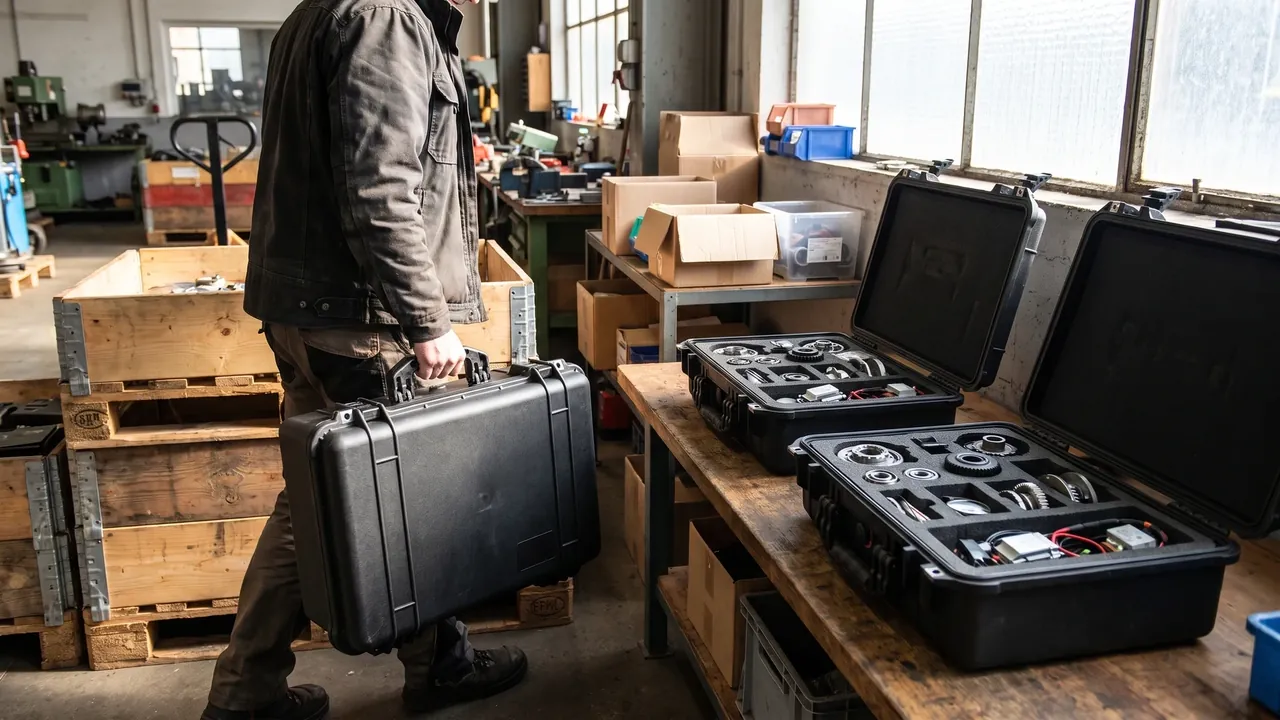
Quick answer: A transport and storage container is a reusable container that handles both transport protection and storage. Its three core features are structural strength for repeated handling and stacking, a sealing structure that isolates the environment, and an opening mechanism that survives many cycles without marked loss of performance. It differs from single-use packaging in that its design life is counted in cycles, and from returnable bins in its emphasis on outer module and stacking efficiency. Three constraints set the selection boundary: cycle count, stacking layers, and load weight.
Table of contents
- Definition and Core Characteristics
- Boundaries Against Single-Use Packaging and Returnable Bins
- Typical Scenarios: In-Plant Circulation, Line Haul, and Long-Term Storage
- Selection Boundaries: Four Interlocking Specifications
- Selection Checklist
- FAQ
1. Definition and Core Characteristics
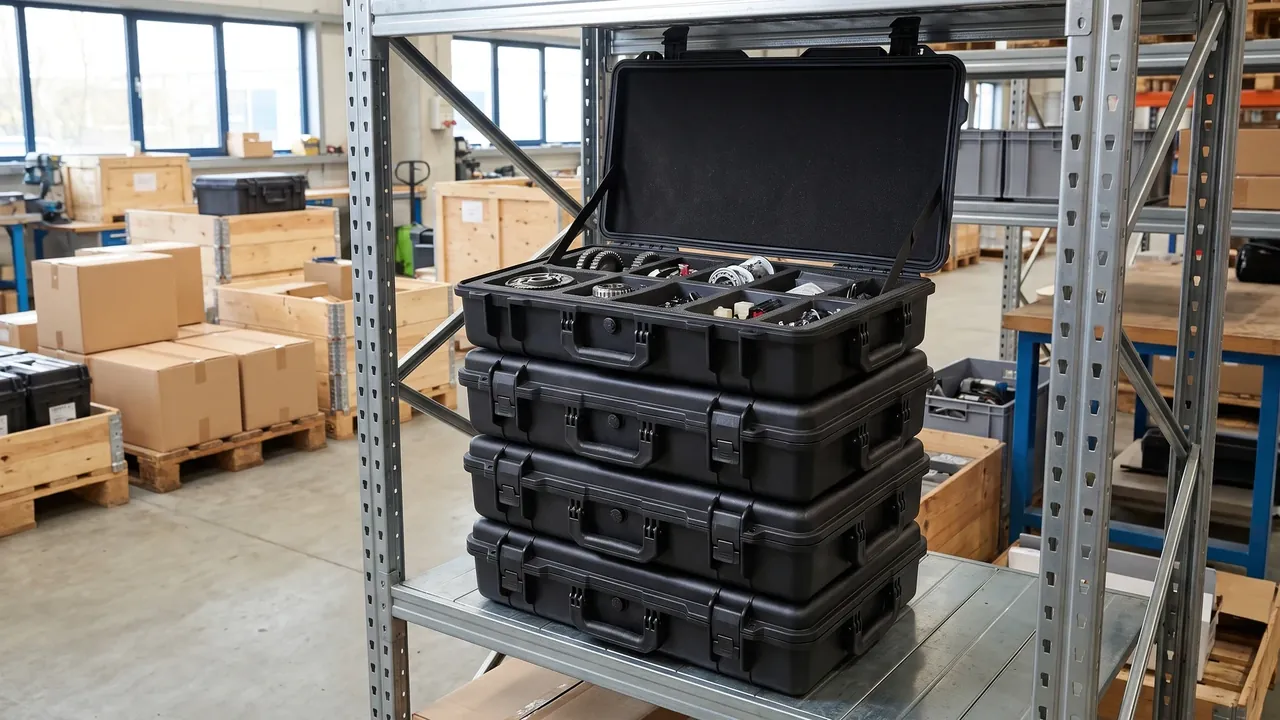
A transport and storage container is a reusable container that carries both transport protection and storage duty. Three core features separate it from other containers: structural strength for repeated handling and multi-layer stacking, a sealing structure that isolates transport and storage environments, and an opening mechanism that endures many cycles without marked loss of performance.
- Reusability: design life is measured in opening cycles, not single use.
- Dual duty: it serves as both transport unit and storage unit, cutting intermediate repacking.
- Serviceable structure: gaskets, latches, and hinges can be replaced, extending service life.
All three are needed. Strength without sealing fails where temperature and humidity vary, while sealing without a stacking structure cannot improve space utilization.
2. Boundaries Against Single-Use Packaging and Returnable Bins
| Type | Design basis | Sealing | Typical limitation |
|---|---|---|---|
| Single-use packaging | Cost per shipment | Usually none | Cannot take repeated handling |
| Returnable bin | In-plant cycles | Often vented openings | Weak protection on long hauls |
| Transport and storage container | Cycles and stacking | Gasket plus pressure valve | Higher dead weight and initial cost |
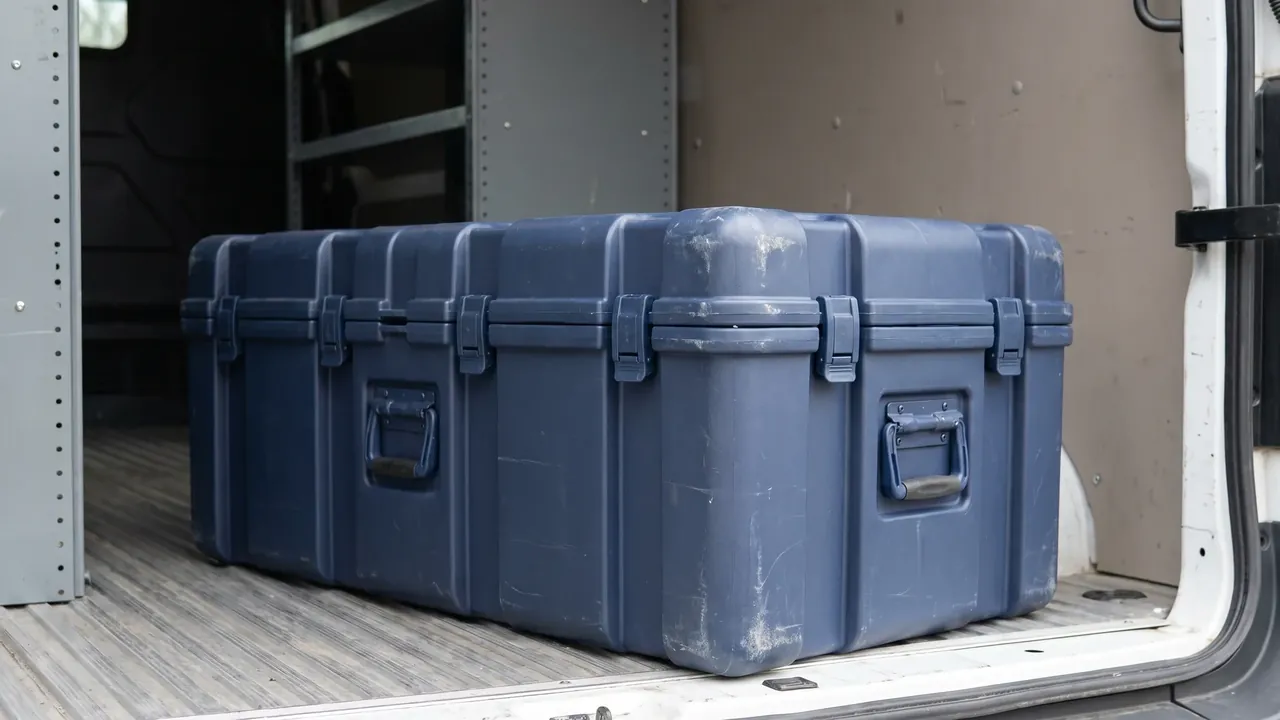
Returnable bins serve short in-plant loops and usually skip sealing; single-use packaging serves one delivery and skips reuse; a transport and storage container merges the two at the cost of weight and upfront spend. To decide whether you need one, first ask whether the same container must cross a transport leg and then enter a warehouse.
3. Typical Scenarios: In-Plant Circulation, Line Haul, and Long-Term Storage
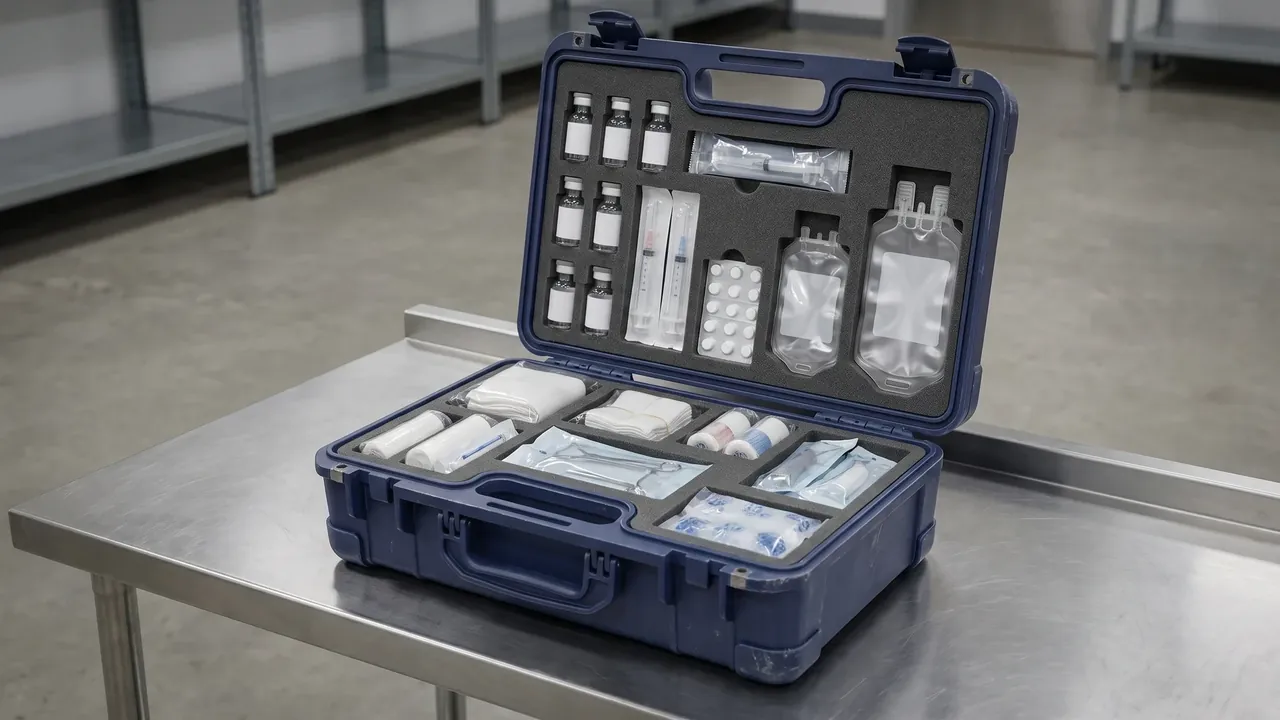
In-plant circulation: the container cycles between workshop and warehouse, with high frequency and short trips. Sealing can be relaxed, while opening-mechanism durability and stacking markings matter more.
Line haul: the container travels by road, rail, or multimodal transport, with long vibration exposure and wide environmental swings. Sealing, cushioning, and latch reliability take priority, and stacking layers must be derated for transport conditions.
Long-term storage: the container sits statically in a warehouse, with tall stacks and long dwell. Static load capacity of the bottom container, moisture control, and pressure equalization take priority.
The three are not exclusive, and one batch often moves through several stages, so selection should be driven by the harshest case.
4. Selection Boundaries: Four Interlocking Specifications
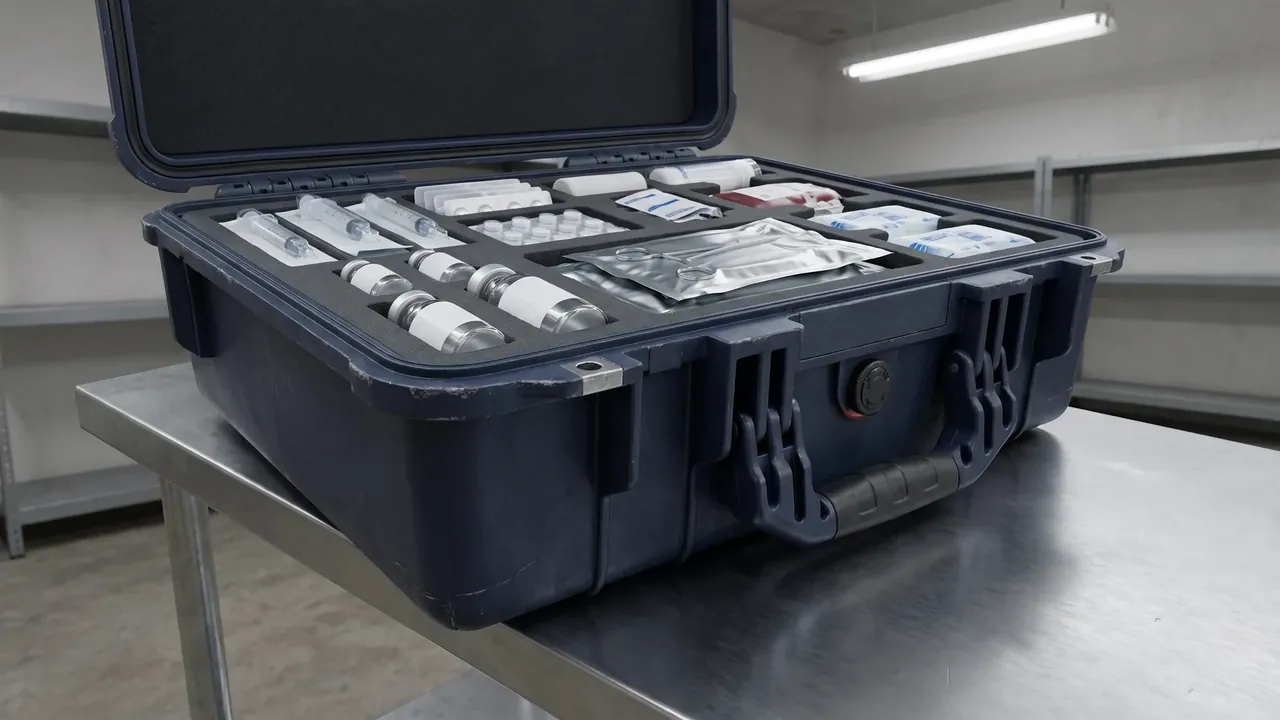
Four specifications pull against one another. More cycles demand more durable material and structure, taller stacks demand greater wall thickness and reinforcement, and heavier loads demand stronger base support and lifting points, all of which raise dead weight. Rising weight in turn reduces handleability and payload.
- Cycle count: sets material durability and opening-mechanism grade.
- Stacking layers: sets wall thickness, rib layout, and lid locating structure.
- Load weight: sets base support plus the position and size of handles and lifting points.
- Environment: sets whether sealing is needed; describe the grade by sealing structure design and confirm the actual grade by a third-party test report.
A sound approach fixes the harshest item as a hard constraint, then compromises on the three with spare margin, instead of taking the maximum on all four.
5. Selection Checklist
- Confirmed whether the container must serve both transport and storage.
- Estimated annual opening cycles, then set material and mechanism grade accordingly.
- Derated stacking layers for transport conditions and checked static load on the bottom unit.
- Confirmed load distribution and checked handle, lifting point, or wheel specifications.
- Confirmed whether sealing is needed by environment, noting the grade is subject to a third-party test report.
Conclusion
A transport and storage container comes down to three features: reusability, dual duty, and a serviceable structure. It sits between single-use packaging and returnable bins, merging transport and storage into one container at the cost of weight and upfront spend. Selection turns on finding the harshest constraint among cycle count, stacking layers, and load weight, fixing it as a hard target, and compromising on the rest. Sealing and protection grades should be described by structure design, with the actual grade confirmed by a third-party test report.
Scope note: the discussion is limited to container-side specifications and design implications; no operation, loading, or use of the items held inside is covered.
Related Reading
- Cost comparison between transport and storage containers and single-use packaging
- Selection points for reusable shipping and storage containers
- Specifications and structure of specialized shipping and storage containers
Related Products
- 8 Series — Gun Cases; Military Equipment Cases; Camera Equipment Cases; Drone Cases; Watch Cases; Knife Cases; First Aid Cases; Electronics Equipment Cases
- WL8-2812 PP Gun Case — model WL8-2812
- All protective cases and toolboxes: 7 series, 158 models