

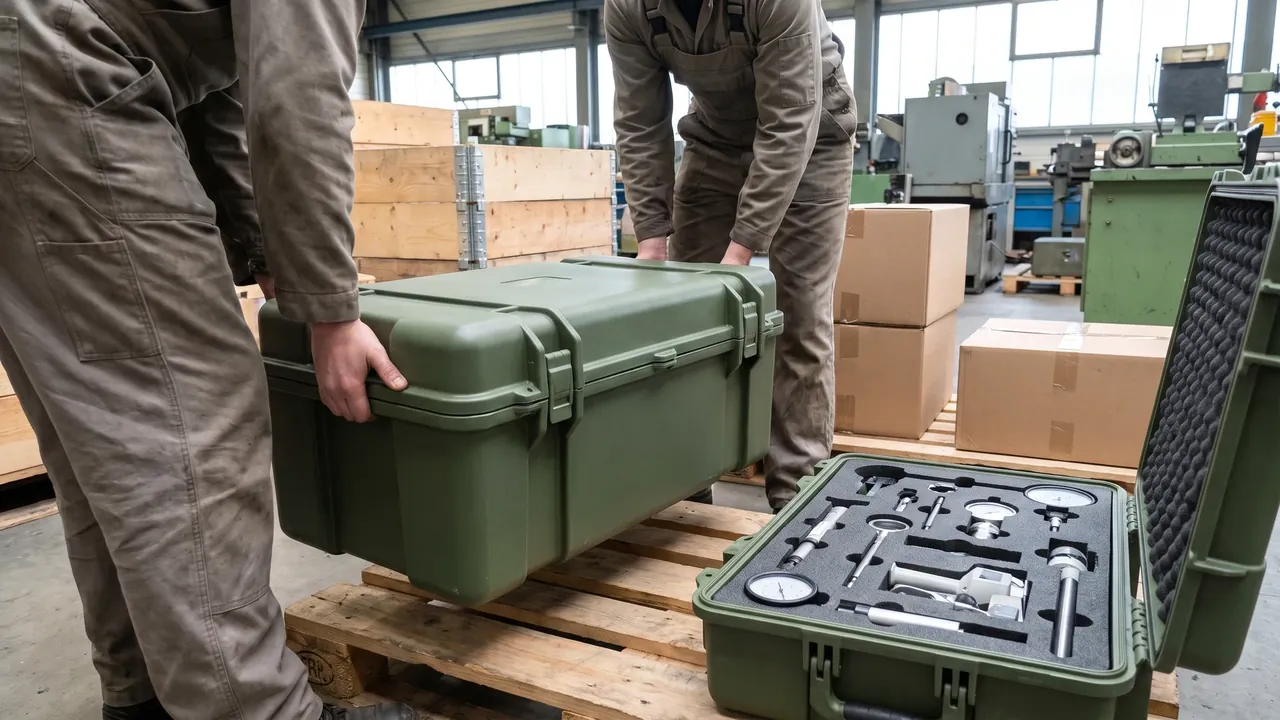
Quick answer: Custom specifications for a specialized shipping and storage container translate usage needs into testable dimensions, structure and performance figures. Fix the outer and cavity size limits, settle the insert and fixing method, state structural requirements against load, stacking and environment, then write protection level, sealing and acceptance methods into the technical file. The container is always the subject, and the actual protection level is governed by third-party test reports.
Table of contents
- How custom specifications are settled
- Expressing outer, cavity and insert specifications
- How protection levels and structure are stated
- Acceptance points and the document list
- Custom specification acceptance checklist
- FAQ
1. How custom specifications are settled
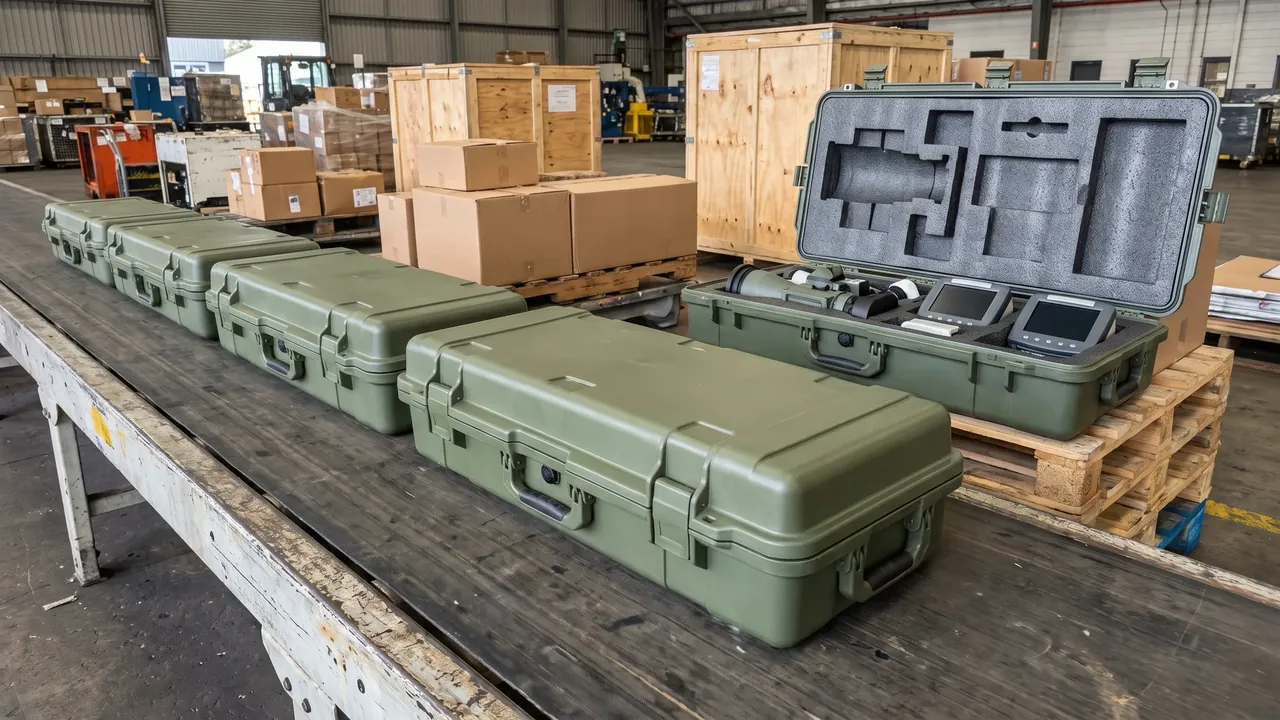
Unlike a standard box, custom specifications are derived from the requirement rather than picked from a catalogue. The first step is to lay out the operating conditions clearly.
- Fix the size limits: contents' outer dimensions plus a cushioning allowance set the minimum cavity clearance, from which outer size and wall thickness follow;
- Settle insert and fixing: choose foam, dividers or brackets by shape and quantity, with fixing points to prevent movement;
- State structure and performance: wall thickness, ribs, skid and sealing against weight, stacking layers and environment;
- Write the acceptance method: dimensional tolerances, appearance requirements and seal and structure inspection methods go in the technical file.
The steps run in strict order: size sets cavity, cavity sets insert, insert and load set structure, structure sets acceptance. Reverse the order and rework follows.
2. Expressing outer, cavity and insert specifications
The key to a specification is that it is measurable: it must say what is measured, where, and with what tolerance, or acceptance turns into a dispute.
- Outer dimensions: length, width, height and tolerance, noting whether protrusions like latches, handles and skid are included;
- Cavity dimensions: minimum clear length, width and depth, used to judge whether contents fit with a cushioning allowance;
- Wall thickness and corners: thickness affects strength and weight, corners affect insert fit and stress concentration;
- Insert: foam, EVA, dividers or brackets, with material, density and thickness;
- Fixing: position and count of straps, retainers or slots.
List everything in one dimension table so drawings and text do not contradict each other:
| Item | Description | Common source of deviation |
|---|---|---|
| Outer dimensions | Overall envelope including protrusions | Mold shrinkage, assembly gap |
| Cavity clearance | Clear usable space | Insert thickness, rib protrusion |
| Wall thickness | Main shell wall | Molding variation |
| Insert thickness | Cushioning layer depth | Material compression rate |
3. How protection levels and structure are stated
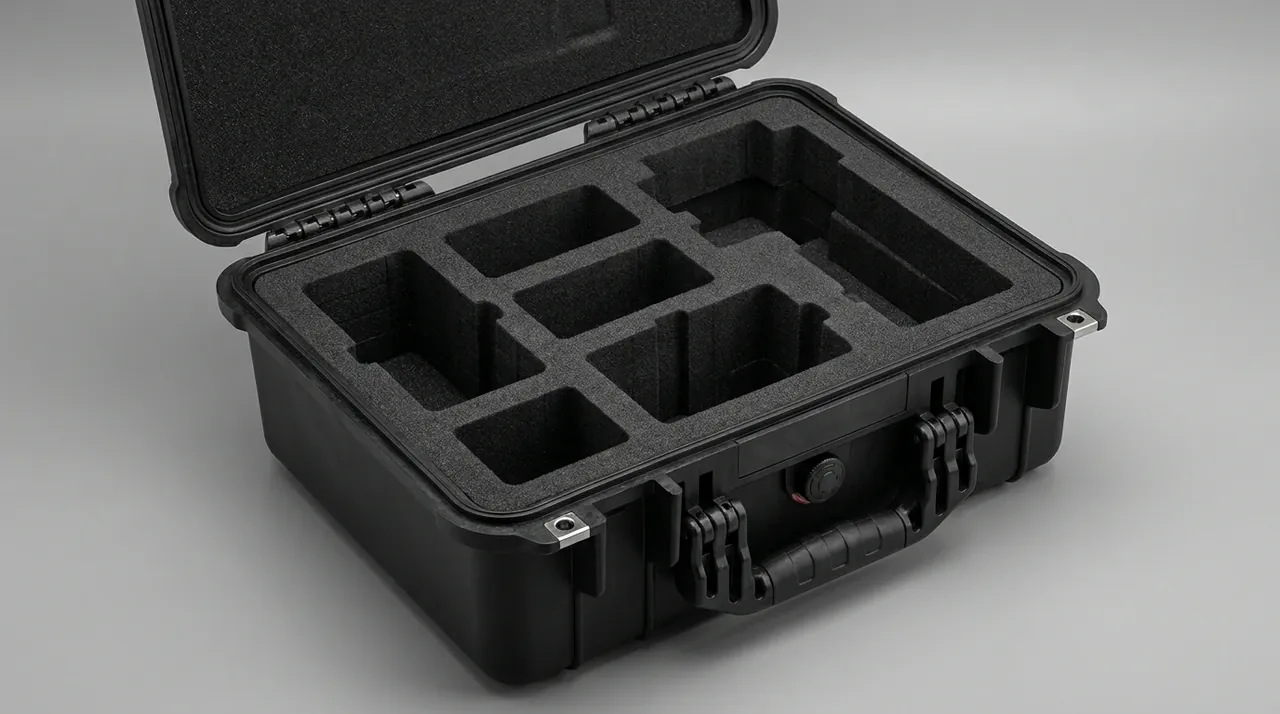
Protection level and structural requirements are the most ambiguity-prone part. The practice is to state the container is built to a level's structural design, not that a level has been passed.
- Sealing structure: gasket form, compression method and temperature range; the container can be built to an IP67 structural design, with the actual level governed by third-party test reports;
- Load-bearing structure: wall thickness, rib layout and skid form, with the static and dynamic load range;
- Latches and hinges: material, count, opening method and whether a seal position is needed;
- Environmental fit: operating temperature range and weathering treatment;
- Pressure equalization: for large temperature swings or air freight, whether a pressure relief valve is fitted.
Separating structural design requirements from test conclusions is compliant and dispute-free at acceptance. The technical file states the design basis and who tests to which method.
4. Acceptance points and the document list
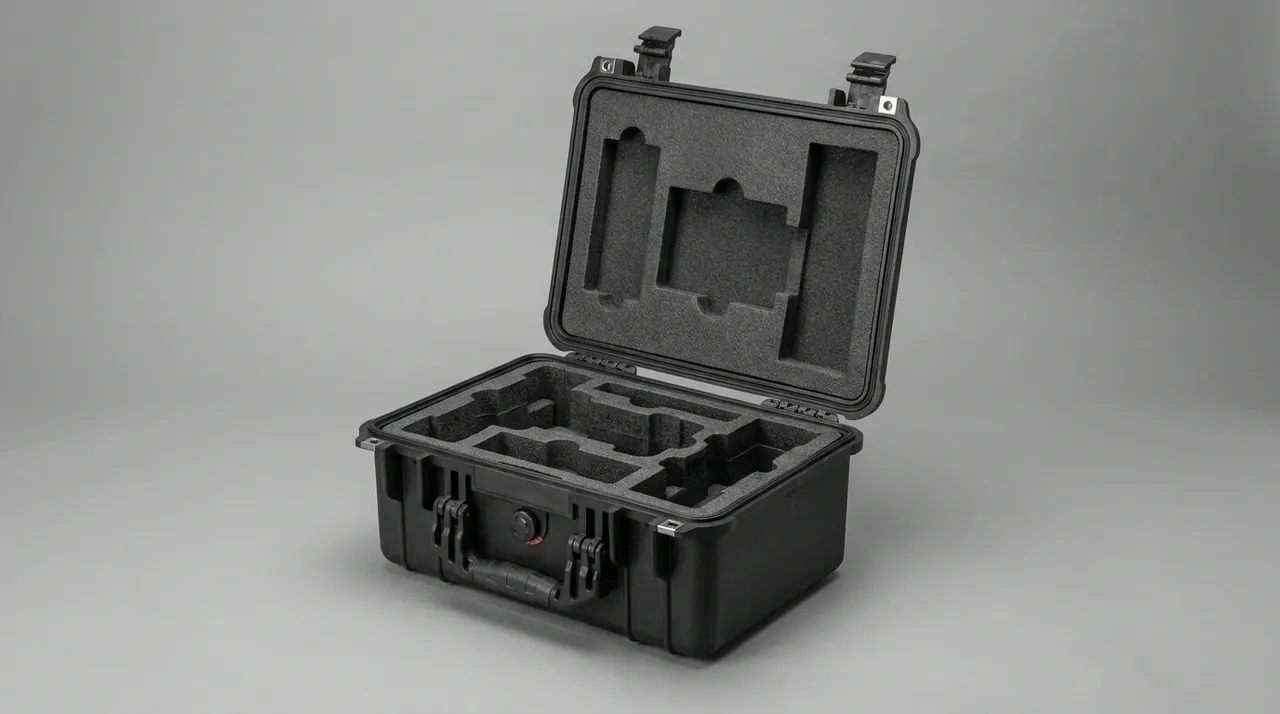
Acceptance turns the specification into physical fact, with three parts: appearance and dimensions, structure and function, and documents and records.
| Part | Checked | Method |
|---|---|---|
| Appearance and dimensions | Surface quality, outer and cavity size | Gauges, visual |
| Structure and function | Latches, hinges, sealing, stacking | Open-close test, stacking check |
| Documents and records | Parameter sheet, inspection records, test file | Document review |
The document list covers the design parameter sheet, material description and inspection records, with third-party test documents where required. Tick the list item by item and keep the result for later reorder and repair comparison.
5. Custom specification acceptance checklist
- Outer dimensions and cavity clearance are within drawing tolerance;
- Insert material, density and thickness meet the specification;
- Latches and hinges open and close smoothly, matching the design;
- Sealing structure is complete and assembled to the design's compression method;
- Stacking and load-bearing structure meet the agreed load range;
- Design parameter sheet and inspection records are complete, with test files provided as agreed.
Conclusion
Custom specifications for a specialized shipping and storage container turn usage needs into measurable, testable parameters. Fix the size limits, then insert and fixing, then structure and performance, and finally write acceptance methods into the technical file. Keep structural design requirements separate from test conclusions: the container is built to an IP67 structural design, and the actual level is governed by third-party reports. Put the dimension table and acceptance checklist into the technical file and design through delivery share one standard.
This article covers the container side only and does not address handling or use of contents.
Related Reading
- Specialized Shipping and Storage Container Applications in Industry and Defense
- Design Points for Reusable Shipping and Storage Containers
- Technical Drawings and Parameter Expression for Protective Cases
Related Products
- 8 Series — Gun Cases; Military Equipment Cases; Camera Equipment Cases; Drone Cases; Watch Cases; Knife Cases; First Aid Cases; Electronics Equipment Cases
- WL8-2812 PP Gun Case — model WL8-2812
- All protective cases and toolboxes: 7 series, 158 models