

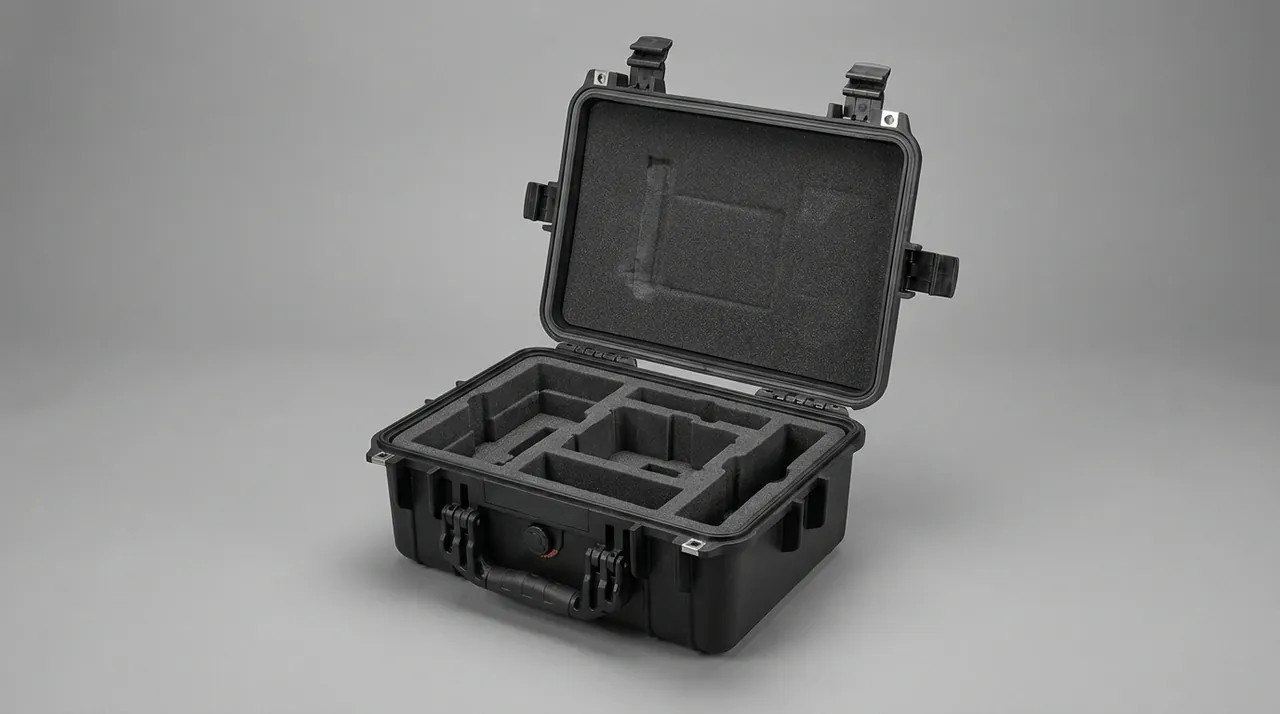
Quick answer: Applications of specialized shipping and storage containers cluster in three settings: moisture-sensitive precision equipment and instruments, outdoor and high-temperature, high-humidity environments that demand weathering, and defense and emergency scenarios that need reliable protection and fast dispatch. Each setting emphasises something different — precision work stresses cushioning and sealing, outdoor work stresses weathering and structure, defense and emergency work stresses strength and marking. All three rely on the container to carry, separate and stay traceable.
Table of contents
- What the container does in industrial settings
- Container needs in precision equipment and instrument scenarios
- Container needs outdoors and in hot, humid settings
- Shared needs in defense and emergency scenarios
- Scenario matching checklist
- FAQ
1. What the container does in industrial settings
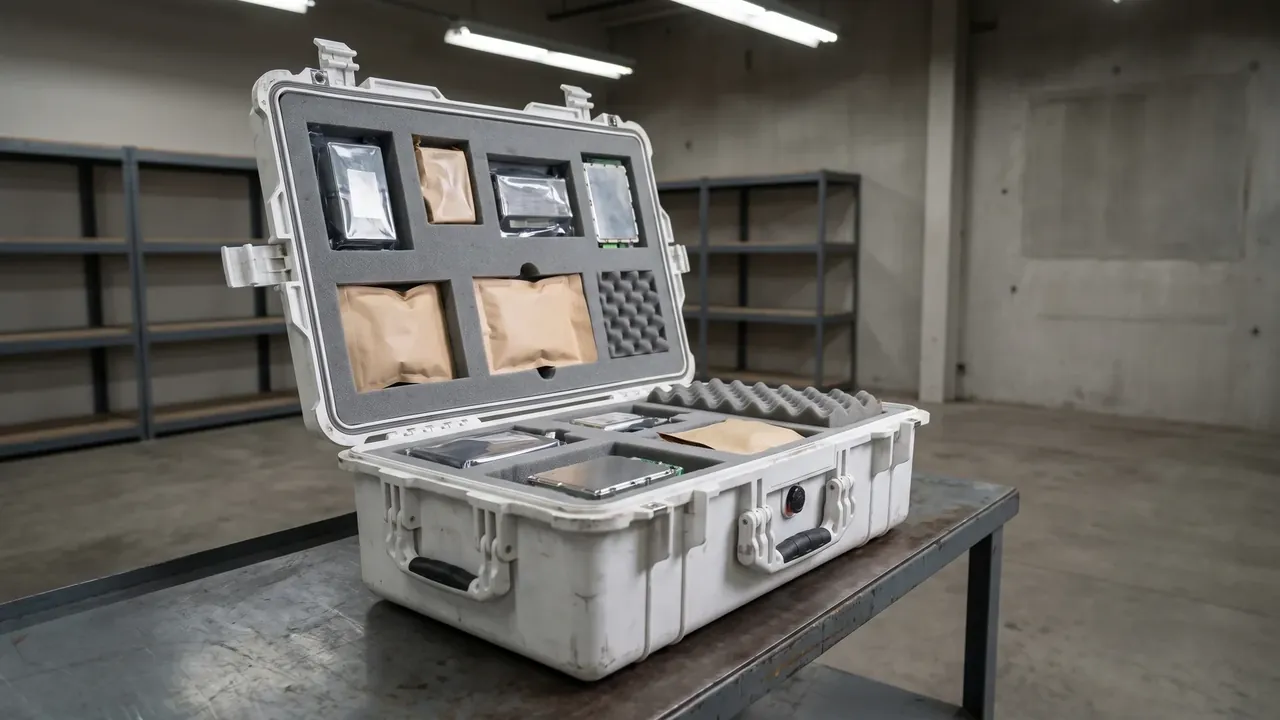
In industrial settings a specialized shipping and storage container does three basic jobs: it consolidates loose material into a standard unit, separates contents from the outside environment, and turns item status into traceable information.
- Consolidation: a uniform footprint lets pallets, racks and forklifts handle everything the same way, cutting manual handling;
- Separation: the shell and insert form a physical and environmental break, lowering risk in transit and storage;
- Identification: fixed numbers and label positions let stock and dispatch proceed without opening the case.
These three jobs define the application boundary: the container answers how to carry and protect safely, not how to use the contents. So the test for a scenario is whether it needs carrying, separation and identification at the same time; miss one and a standard container is usually enough.
2. Container needs in precision equipment and instrument scenarios
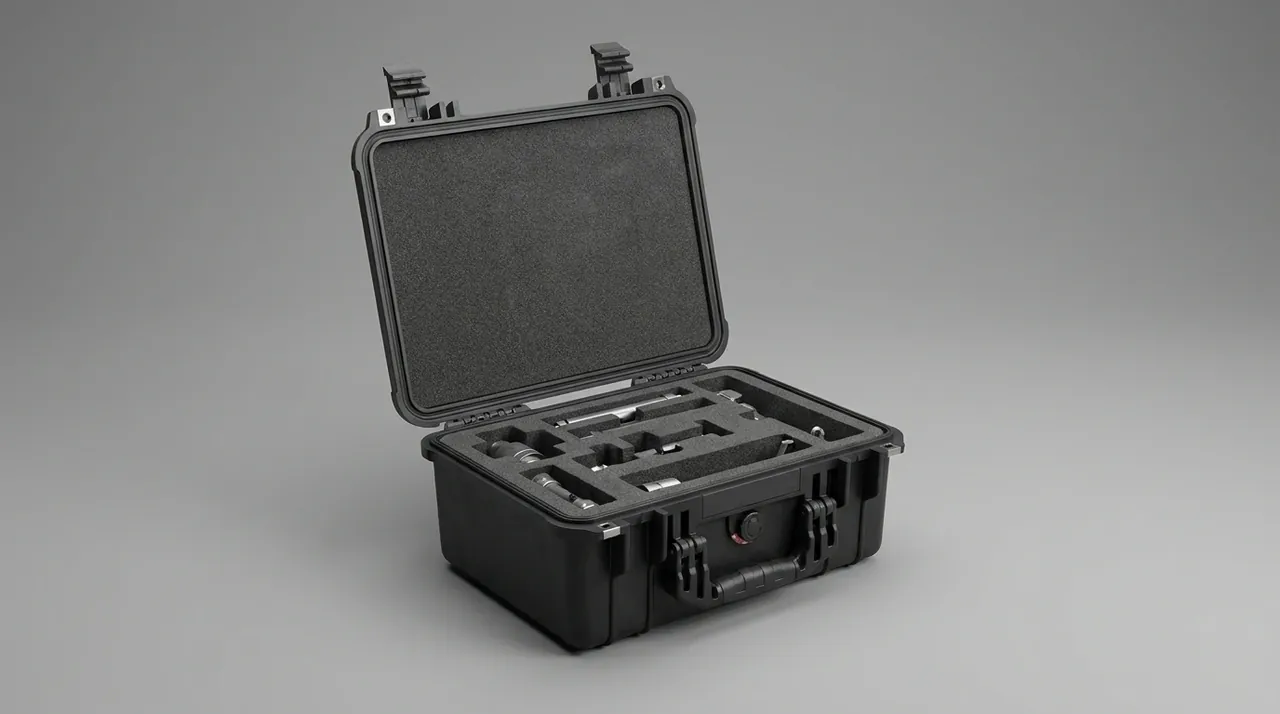
Precision equipment and instrument work stresses cushioning and sealing. Such items are often light but sensitive to vibration, humidity and movement.
- Cushioning: insert choice and thickness keep transit impact within an acceptable range;
- Sealing and moisture control: sealing structure and drying configuration reduce humidity effects;
- Insert fit: the insert should follow the item shape to prevent movement;
- Identification and traceability: numbers and status labels ease repeated stock movement.
The common misconception here is that a hard shell is enough. In fact, a hard shell without cushioning passes impact straight to the item; cushioning design and shell strength matter equally.
3. Container needs outdoors and in hot, humid settings
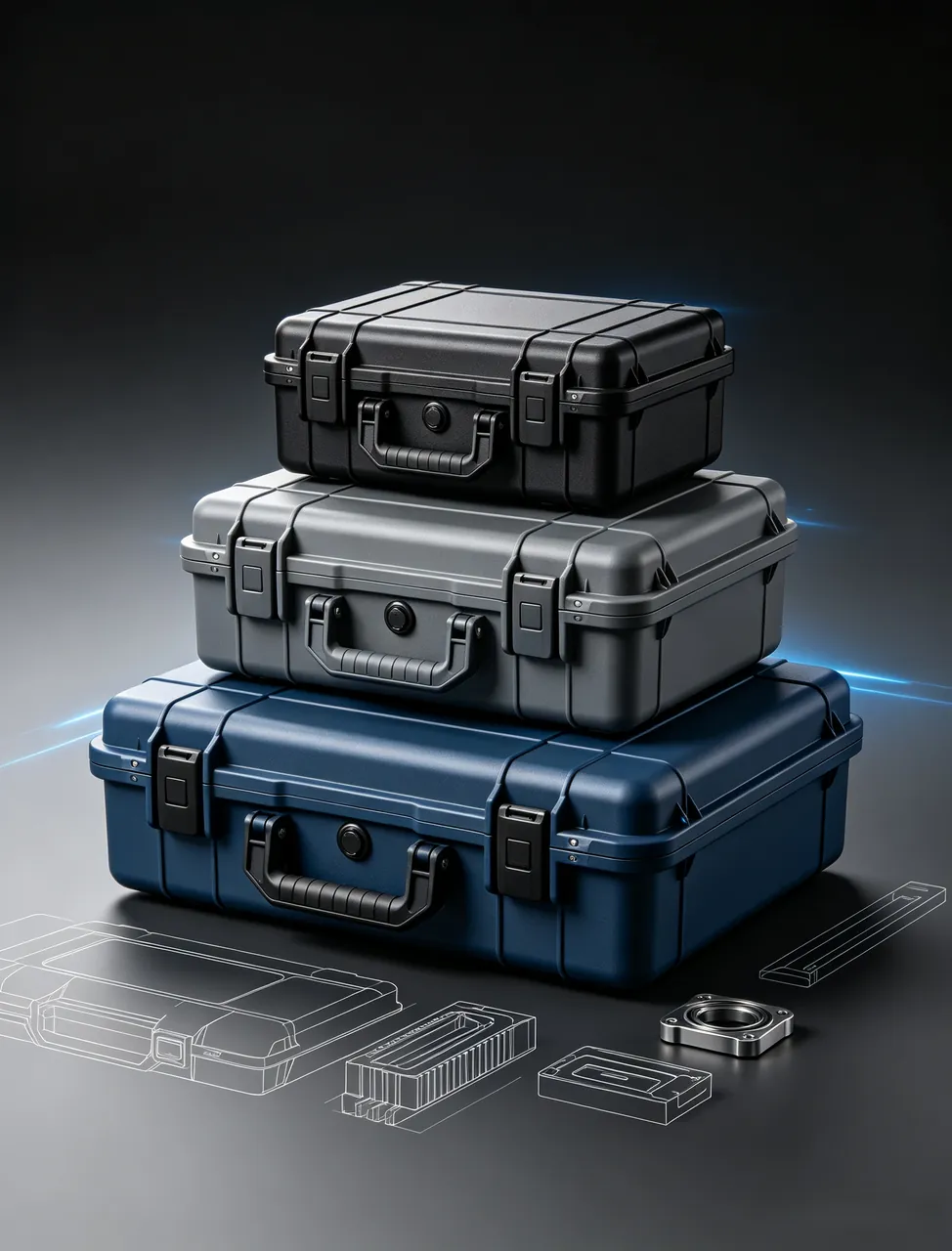
Outdoor, coastal and hot, humid settings stress weathering and structural stability. The environment will not soften because the shell is thicker, so material and environment must be considered together.
- Weathering material: the shell material needs UV and aging resistance;
- Sealing and drainage: sealing keeps moisture out while structure avoids standing water;
- Temperature fit: where swings are large, assess pressure equalization so repeated thermal cycling does not disturb the seal;
- Rust protection: metal parts need appropriate protective treatment.
The key here is matching material and structure, not merely adding shell thickness. Weathering results from material, sealing and structure working together.
4. Shared needs in defense and emergency scenarios
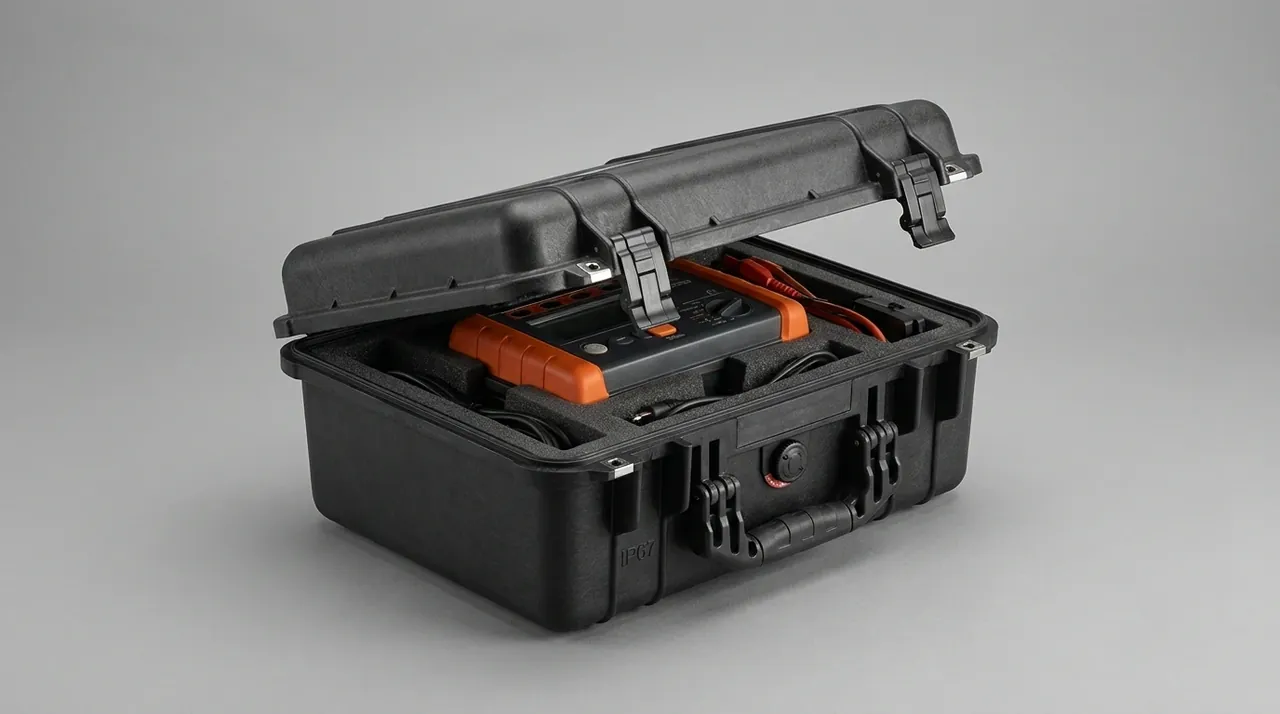
Defense and emergency scenarios share uncertain environments and fast dispatch. Their demands cluster around strength, reliability and marking.
- Strength and stacking: repeated transfers and high stacking call for a load margin in the structure;
- Reliability: latches, hinges and seals must still work after long storage;
- Fast dispatch: a uniform footprint and clear markings let containers be identified and moved quickly;
- Modularity: shared interfaces across sizes ease combination and replacement.
Note that in ordnance and explosive scenarios the container's role is always carrying and protection; its specification and design implications match the discussion here and do not involve handling of the contents.
5. Scenario matching checklist
- The scenario's main risk — vibration, humidity or impact — is identified;
- The required cushioning and sealing level is set;
- Weathering needs under outdoor and temperature-swing conditions are assessed;
- Stacking layers and load margin are confirmed;
- A numbering and labeling scheme for dispatch traceability is planned;
- Whether shared interfaces across sizes are needed is confirmed.
Conclusion
The value of a specialized shipping and storage container comes from answering three needs at once: carrying, separation and identification. Precision equipment stresses cushioning and sealing, outdoor and hot, humid settings stress weathering and structural stability, and defense and emergency work stresses strength, reliability and marking. Rather than stacking parameters, identify the scenario's dominant risk first, then match material, structure and insert to it. Put the scenario matching checklist into the selection process, and the container delivers stable, long-term value in the right setting.
This article addresses the container side only, not the handling or use of contents.
Related Reading
- Specialized Shipping and Storage Container: Custom Specifications and Acceptance Criteria
- Programmatic Use of Reusable Transit Containers
- Material Selection Points for Outdoor Protective Cases
Related Products
- 8 Series — Gun Cases; Military Equipment Cases; Camera Equipment Cases; Drone Cases; Watch Cases; Knife Cases; First Aid Cases; Electronics Equipment Cases
- WL8-2812 PP Gun Case — model WL8-2812
- All protective cases and toolboxes: 7 series, 158 models