

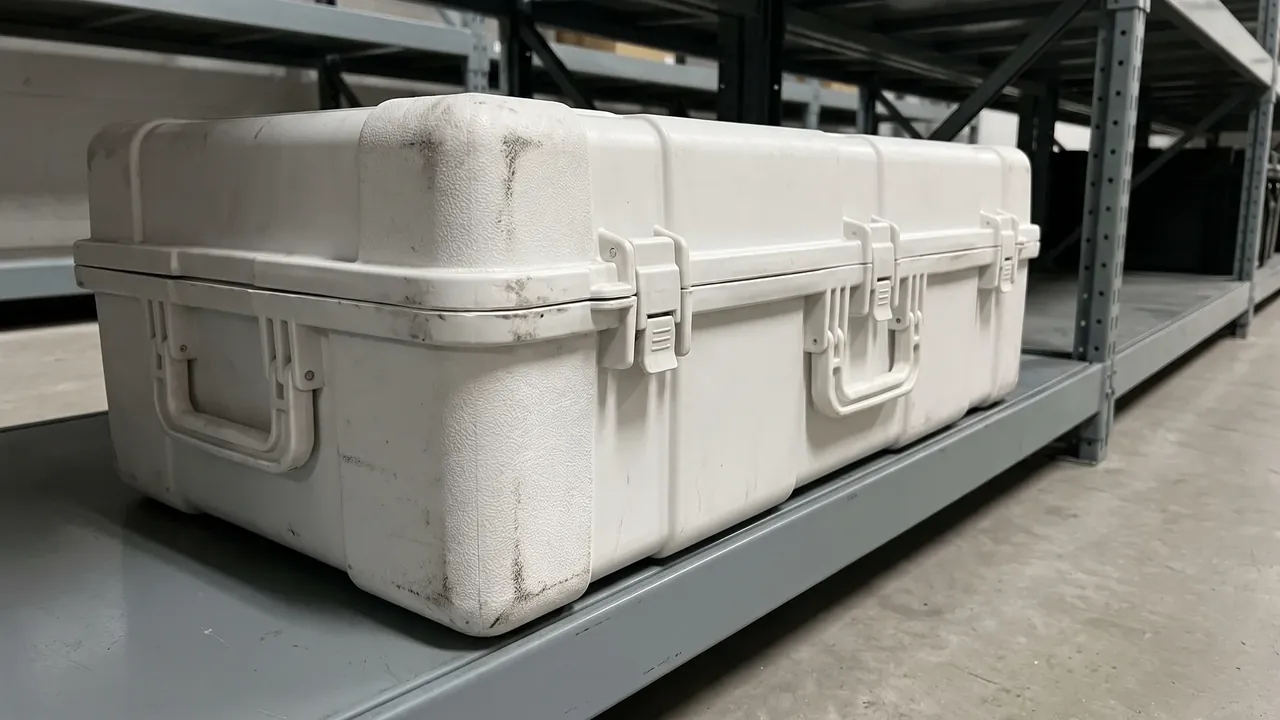
Quick answer: Comparing a transport and storage container with single-use packaging comes down to putting both on the same basis: cost per use. Single-use packaging spends on every delivery, while a reusable container concentrates cost in upfront investment and maintenance and spreads it across cycles. So the question of whether a reusable container pays off reduces to three things: whether annual cycles are high enough, whether the return loop is controllable, and whether per-cycle maintenance cost is predictable.
Table of contents
- Why the Two Cost Bases Cannot Be Compared Directly
- Full-Lifecycle Cost Structure of a Reusable Container
- Five Variables That Set the Payback Period
- Cost Fit Across Turnover Intensities
- Comparison Checklist
- FAQ
1. Why the Two Cost Bases Cannot Be Compared Directly

Single-use packaging is a variable cost that rises linearly with deliveries, while a transport and storage container is a fixed investment plus maintenance that is spread across cycles. Comparing the two unit prices side by side leads to the conclusion that a reusable container is always more expensive, because the unit price ignores cycle count.
The fix is to convert both to cost per use: take container purchase cost plus full-lifecycle maintenance and divide by achievable cycles to get the cost carried by each trip. Only when single-use consumption and this amortized figure sit in the same table does the judgement mean anything. This is also the step most often skipped when evaluating reusable containers.
2. Full-Lifecycle Cost Structure of a Reusable Container
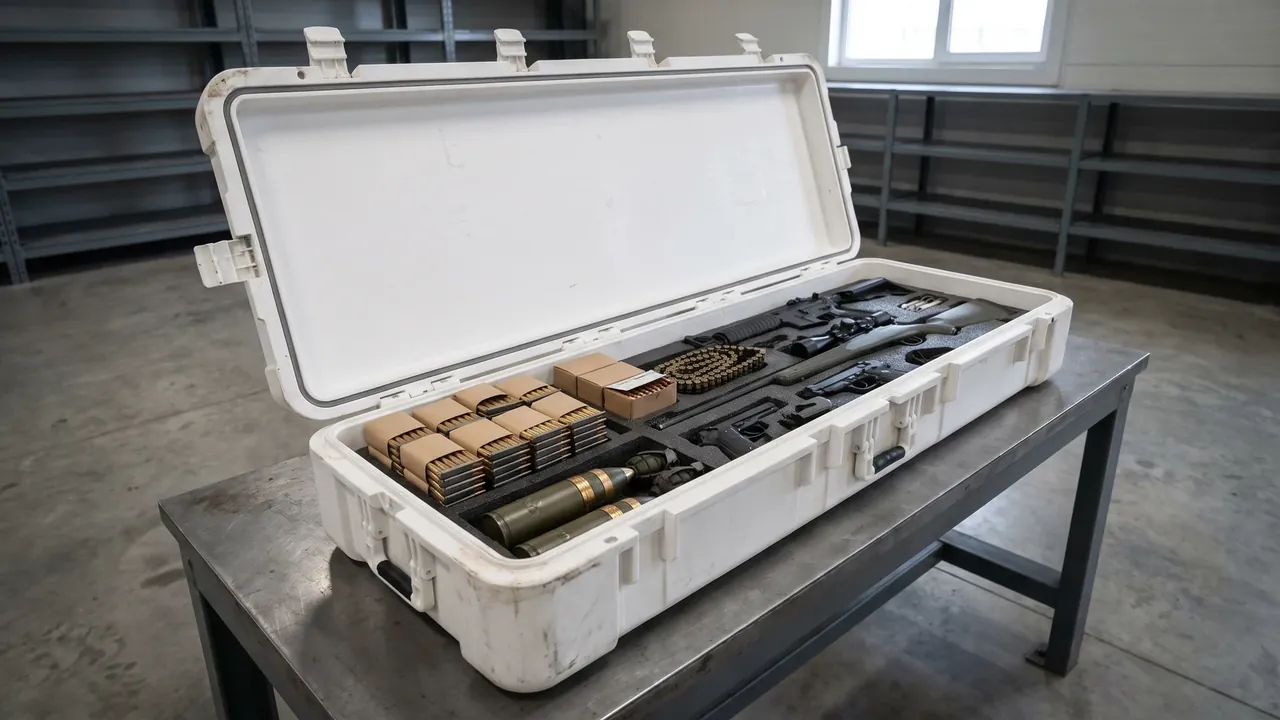
Full-lifecycle cost has four parts, and missing any one understates the real figure.
- Purchase: initial spend on the container body and insert.
- Maintenance: replacement of wear parts such as gaskets, latches, and hinges.
- Return: empty-container backhaul, cleaning, and sorting.
- Holding: inventory tie-up, storage space, and depreciation.
Return cost is the most often overlooked. If a container cannot be recovered, reuse degrades into single use, losing the container itself and adding a backhaul trip on top. Whether the return loop is controllable therefore often decides total cost more than the unit price does.
| Cost item | Single-use packaging | Transport and storage container |
|---|---|---|
| Purchase | Occurs every trip | One-time investment |
| Maintenance | None | Spread across cycles |
| Return | None | Backhaul and cleaning |
| Holding | None | Inventory tie-up and depreciation |
| Cost form | Variable | Fixed plus maintenance |
3. Five Variables That Set the Payback Period
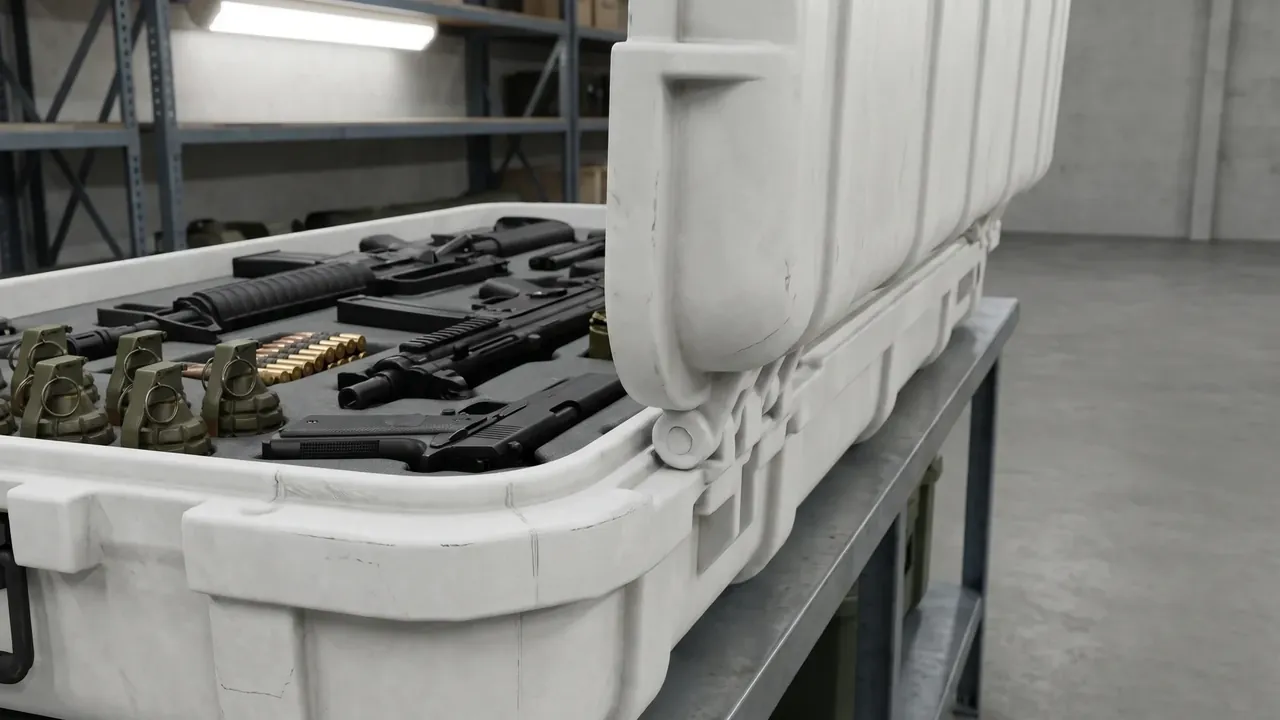
Five variables drive the payback period, and a distortion in any one of them shifts the conclusion.
- Cycle count: higher counts spread fixed investment thinner.
- Maintenance cost: set by replacement frequency and unit cost of wear parts.
- Return loop: backhaul distance and empty-container handling.
- Dead weight and load efficiency: these affect cost per unit shipped.
- Container life: measured in achievable cycles, not calendar years.
Cycle count and the return loop are the two most often mis-estimated. Calculating on ideal cycles while ignoring empty backhauls and real attrition is the main source of distorted payback figures. Presenting both an ideal case and a derated case is the safer approach.
4. Cost Fit Across Turnover Intensities
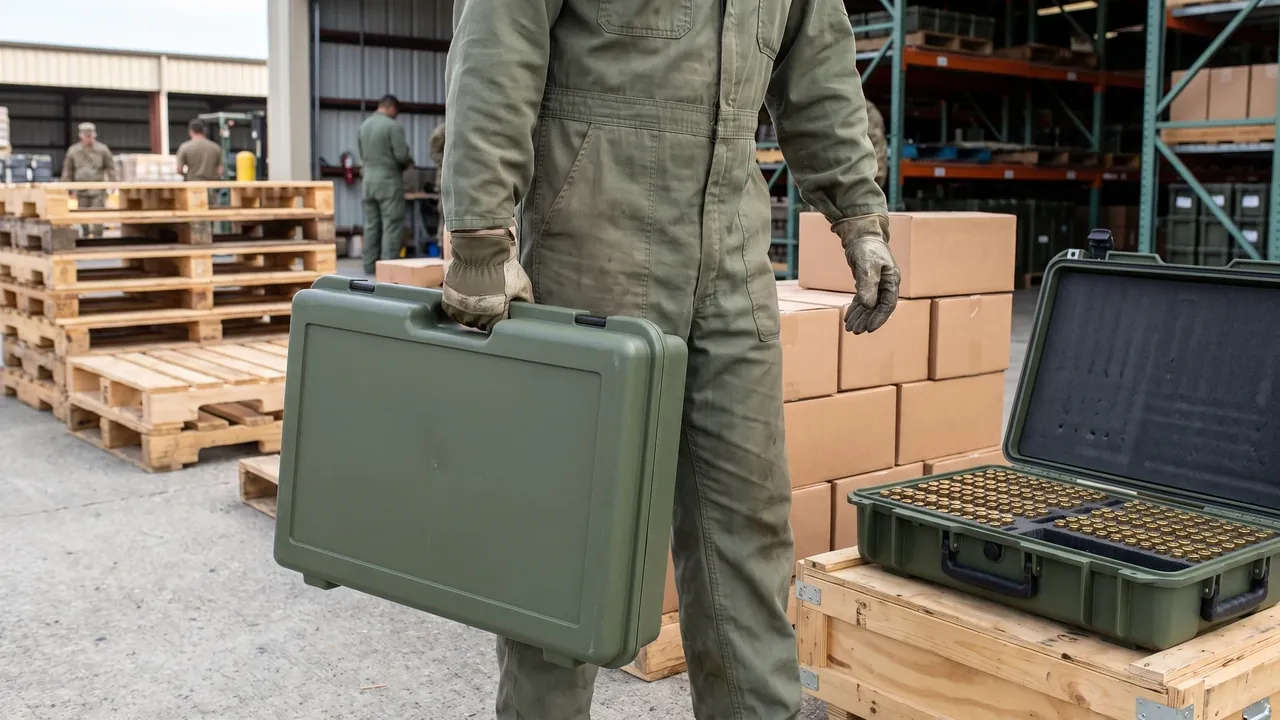
| Turnover intensity | Cycle pattern | Better fit | Main reason |
|---|---|---|---|
| High | Frequent trips, short loop | Transport and storage container | Fixed investment well spread, return controllable |
| Medium | Irregular trips | Depends on the return loop | Return cost may cancel the reuse advantage |
| Low | Single or very few cycles | Single-use packaging | Fixed investment cannot be spread |
| Mixed | Some trips, some one-way | Split configuration by stage | Use reusable containers only on controllable loops |
The table makes a frequently missed point: the advantage of a reusable container is conditional, not absolute. When the conditions hold it is clearly more economical, and when they do not it drags cost upward.
5. Comparison Checklist
- Both packaging types converted to a common cost per use.
- Annual cycle count estimated, separating ideal from achievable figures.
- Return cost accounted for, including backhaul, cleaning, and sorting.
- Replacement cycle and cost of wear parts confirmed.
- Container life confirmed as measured in cycles rather than calendar years.
Conclusion
The cost case between a transport and storage container and single-use packaging rests on putting both on a cost-per-use basis. A reusable container spends upfront and on maintenance and spreads that across cycles, while single-use packaging spends on every trip. Three preconditions decide the outcome: annual cycles must be high enough, the return loop must be controllable, and maintenance cost must be predictable. When all three hold, reuse wins; when one fails, recalculate rather than applying a general conclusion.
Scope note: only container-side specifications and design implications are covered here; no operation, loading, or use of the items held inside is addressed.
Related Reading
- Definition, applicable scenarios, and selection boundaries of transport and storage containers
- Running a reusable transit container program
- Full lifecycle cost structure and calculation for protective cases
Related Products
- 8 Series — Gun Cases; Military Equipment Cases; Camera Equipment Cases; Drone Cases; Watch Cases; Knife Cases; First Aid Cases; Electronics Equipment Cases
- WL8-2812 PP Gun Case — model WL8-2812
- All protective cases and toolboxes: 7 series, 158 models