

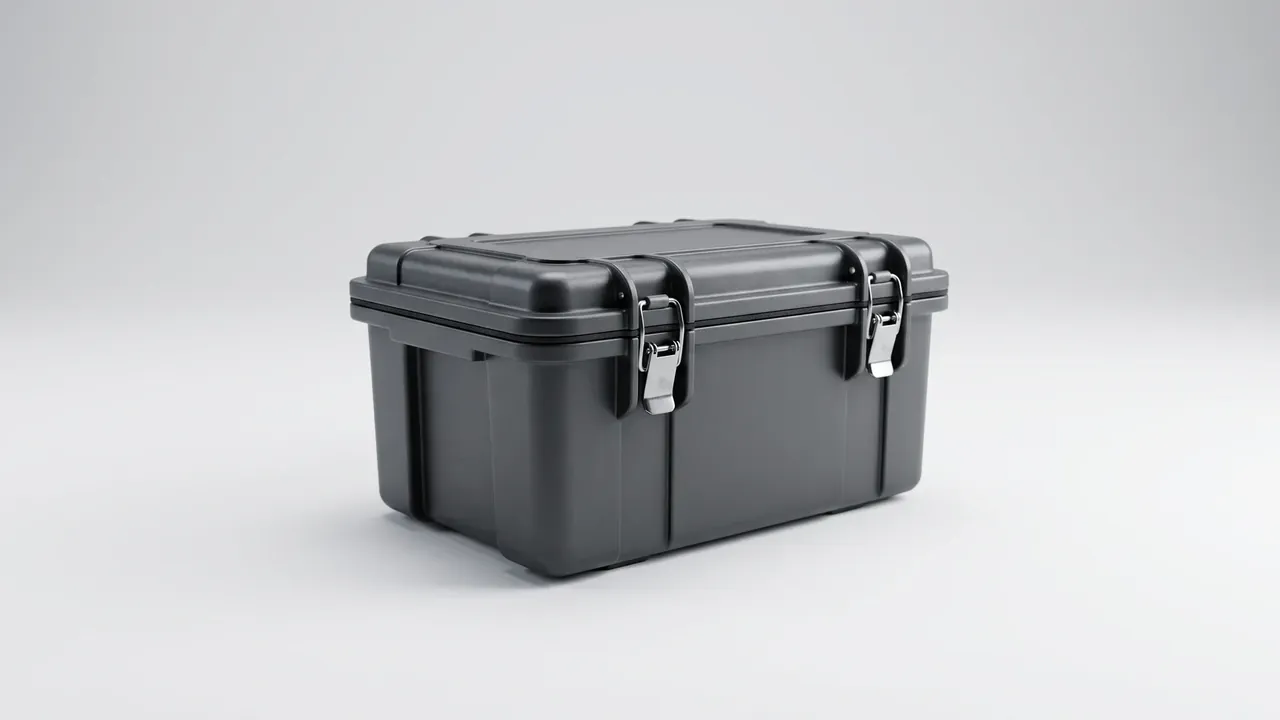
Quick answer: The specification of a cartridge protective box sits on two independent axes: the external IP rating and the internal foam insert configuration. The IP rating follows from shell structure and sealing parts, commonly written as designed to an IP67 structure, with grade definitions referencing IEC 60529 and the actual grade subject to third-party test reports. The insert configuration follows from how contents are positioned, cushioned and retrieved, with foam density, compartment pattern and thickness allowance as the three key parameters. Keep the axes separate at procurement. This article covers container-side specifications only.
Table of contents
- How the IP rating of a cartridge protective box is defined
- Insert configuration: positioning, cushioning, retrieval
- Comparing insert materials
- Dimensions, tolerances and stacking interactions
- A specification acceptance checklist
- FAQ
1. How the IP rating of a cartridge protective box is defined
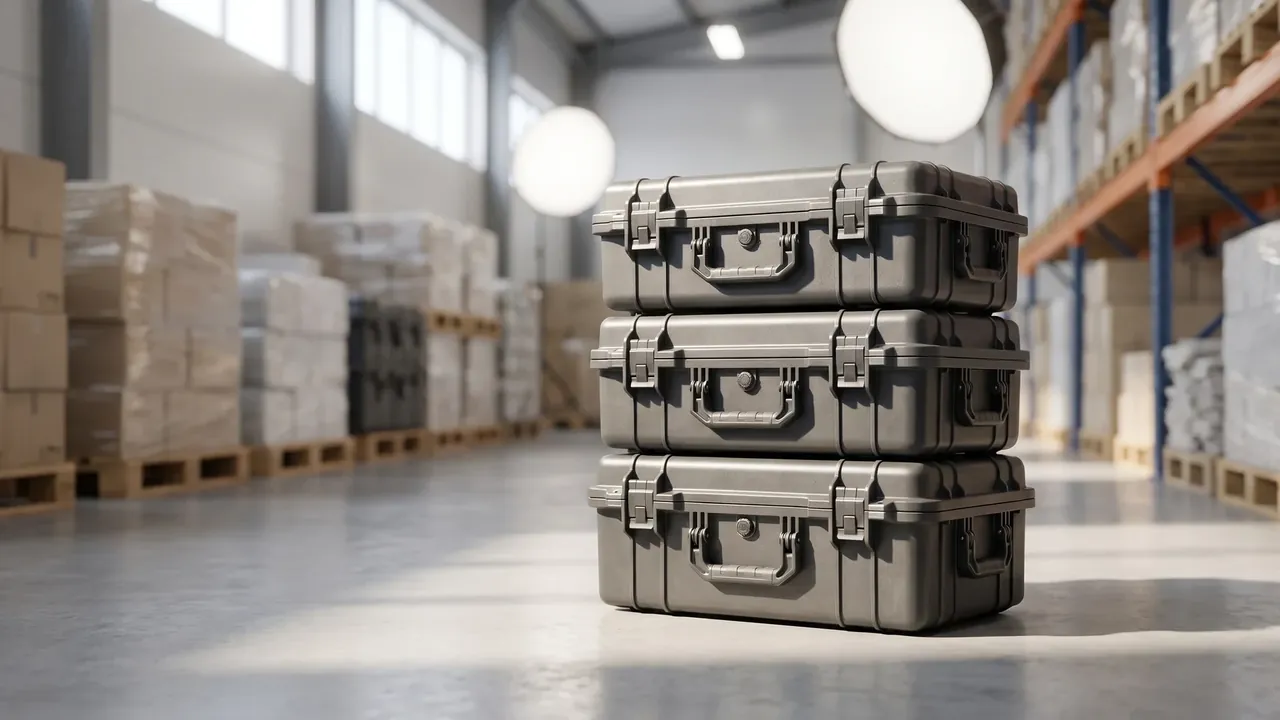
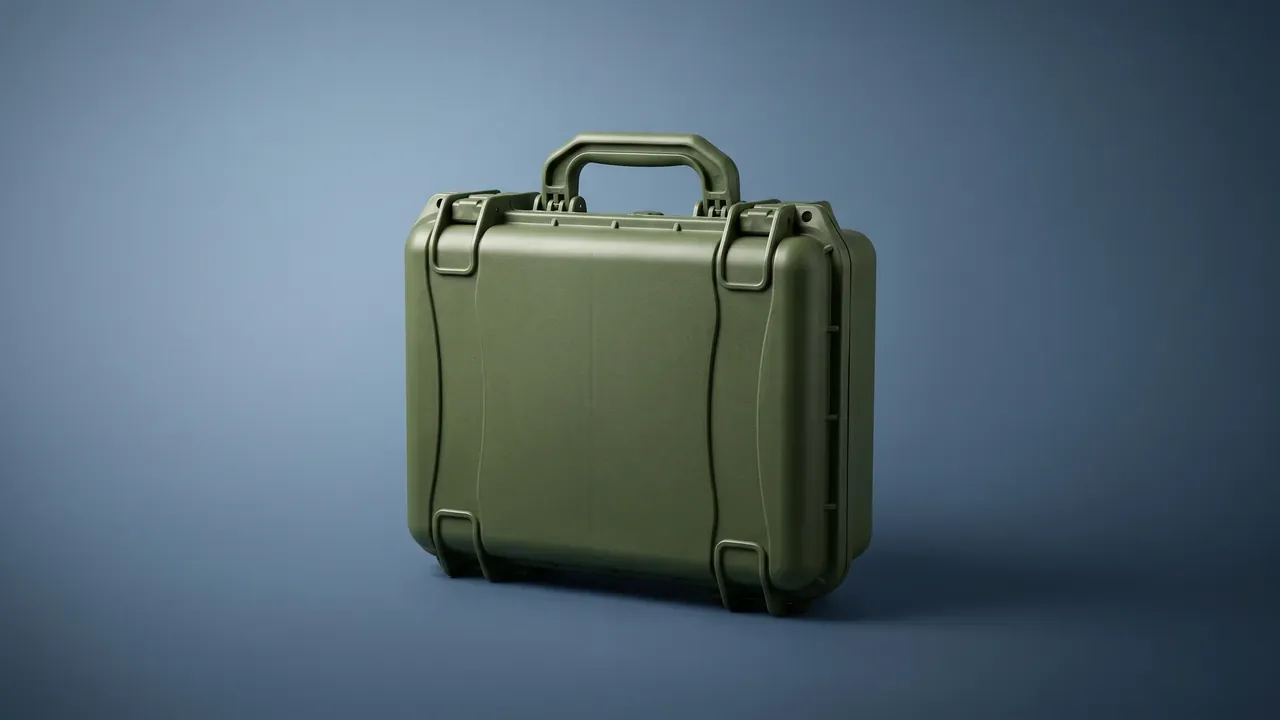
An IP rating describes the shell's ability to keep out solid particles and liquids, and it follows from structure rather than a label. Whether a case reaches a grade depends on the gasket cross-section, how evenly latch force is distributed, the flatness of the shell parting line, and whether a pressure-equalization valve equalizes the temperature-driven differential.
- Sealing structure: the gasket must form a continuous closed loop; corners and parting-line joints are the usual leak points;
- Clamping distribution: latch count and spacing set how evenly the gasket compresses, and wide spacing leaves the middle under-compressed;
- Pressure balance: a pressure valve equalizes the temperature-driven differential across a sealed cavity without letting water in;
- Grade definition: the first digit after IP covers dust, the second covers water, and definitions reference IEC 60529.
One point deserves emphasis: a grade is a design target, not a self-declaration. The proper wording is designed to an IP67 structure, noting that the actual grade is subject to third-party test reports.
2. Insert configuration: positioning, cushioning, retrieval
An insert does three jobs: hold the contents at the intended position, absorb shock and vibration in transit, and allow easy retrieval during inspection. The three often conflict, since tighter positioning slows retrieval and thicker cushioning consumes cavity volume.
- Positioning: achieved through pocket shape and interference fit;
- Cushioning: set by material density, thickness and structure together, with the allowance covering the expected drop height and transport vibration level;
- Retrieval: leave finger notches or pull tabs so contents come out without stripping the whole insert.
The recommended order is to fix the permitted travel allowance first, then choose material density, then cut notches to suit retrieval habits. Doing it the other way usually ends with retrieval difficulty costing positioning accuracy.
3. Comparing insert materials
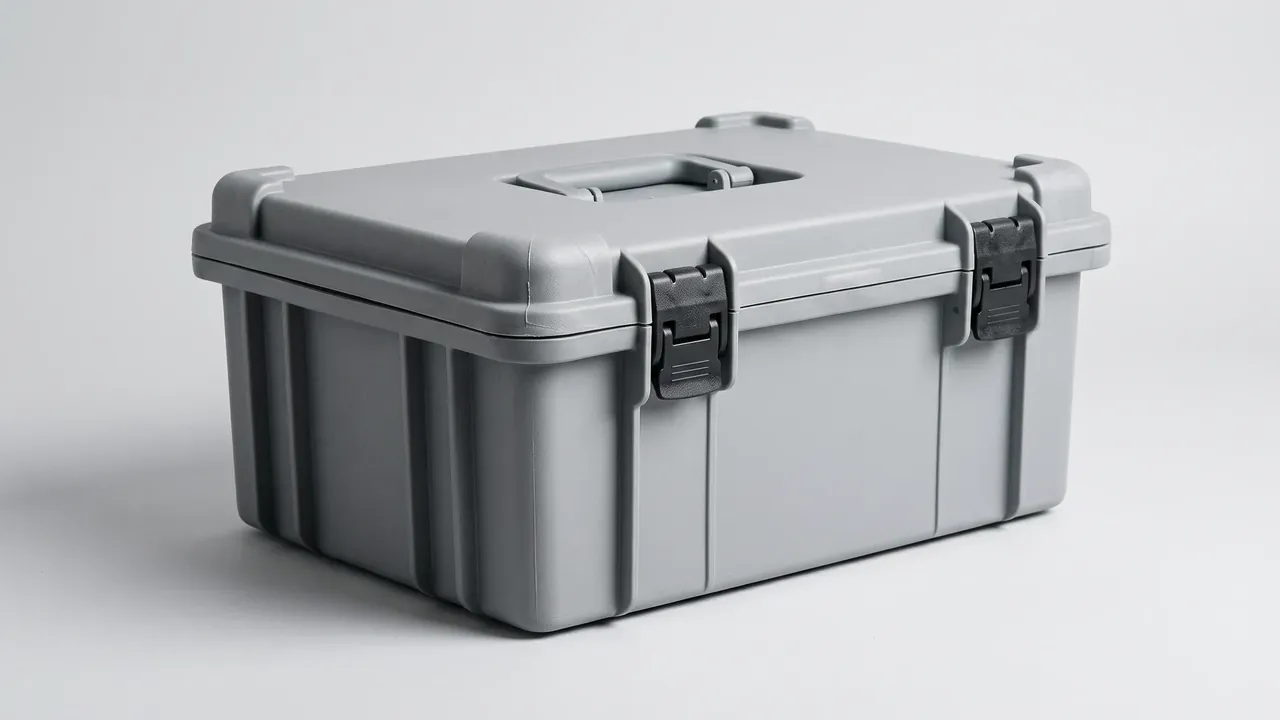
Common insert materials form a gradient across cushioning, processing and cost:
| Material | Cushioning character | Processing | Typical use |
|---|---|---|---|
| PE pearl foam | Moderate, modest rebound | Die-cutting, lamination | General securing and filling |
| EVA foam | High rebound, good dimensional stability | CNC cutting, splicing | Precision locating pockets |
| PU foam | Excellent cushioning, adjustable density | Molded | High-value contents cushioning |
| XPE/IXPE | Light, tear-resistant | Die-cutting | Separating light contents |
| Compartment trays (PP/ABS) | Rigid locating, weak cushioning | Injection molding | Item-by-item counting |
Judge cushioning need first, locating precision second, cost last. Density is the main variable in cushioning, and one density step can shift performance noticeably.
4. Dimensions, tolerances and stacking interactions
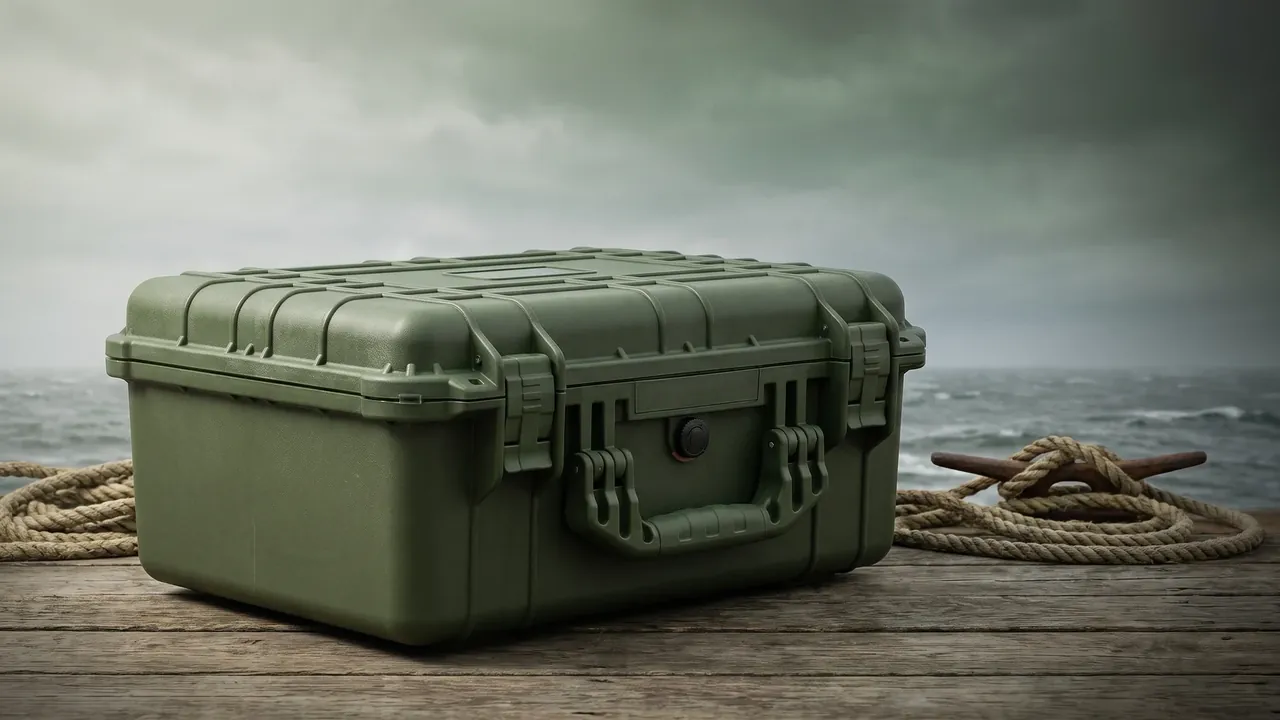
Cavity and external dimensions on a spec sheet are nominal, so assembly also depends on tolerances and stacking:
- Cavity versus contents tolerance: contents carry tolerance too, so pockets need allowance or volume runs will bind;
- Wall thickness and stiffness: thickness drives compression and impact resistance, and thin-wall cases recover stiffness with reinforcement ribs;
- Stacking load: the lower case bears pressure over long periods, so the spec should give a stacking-layer limit and the matching static load;
- Module relationship: how external dimensions divide pallet and container modules sets loading efficiency.
These four items are usually scattered across different spec columns. Read them together at procurement rather than concluding from any single passing value.
5. A specification acceptance checklist
- IP rating stated as a structural design target subject to test reports, with no certification claim
- Gasket forms a continuous closed loop with no break at parting lines or corners
- Insert density, thickness and pocket dimensions each carry a stated nominal value and tolerance
- Cavity dimensions checked against contents tolerance and assembly allowance
- Stacking-layer limit and static load value stated in the specification
Conclusion
Read a cartridge protective box from outside in, along two lines. The external IP rating follows from sealing structure, latch clamping and pressure balance, best written as a design target in a given structural class and subject to test reports. The internal insert configuration balances positioning, cushioning and retrieval, with material density and pocket tolerance as the core variables. Neither line is verified by marketing copy, since both live in the spec sheet and test documents. At procurement, confirm rating, insert, dimensional tolerance and stacking load on a single checklist before moving to sample validation.
This article discusses container (case body) side specifications and design meaning only. It does not cover any handling, loading or use of items placed inside.
Related Reading
- How a cartridge protective box is used in storage and transfer
- General specifications and structural requirements for military packing boxes
- Choosing foam insert materials and thickness for case bodies
Related Products
- 8 Series — Gun Cases; Military Equipment Cases; Camera Equipment Cases; Drone Cases; Watch Cases; Knife Cases; First Aid Cases; Electronics Equipment Cases
- WL8-2812 PP Gun Case — model WL8-2812
- All protective cases and toolboxes: 7 series, 158 models