

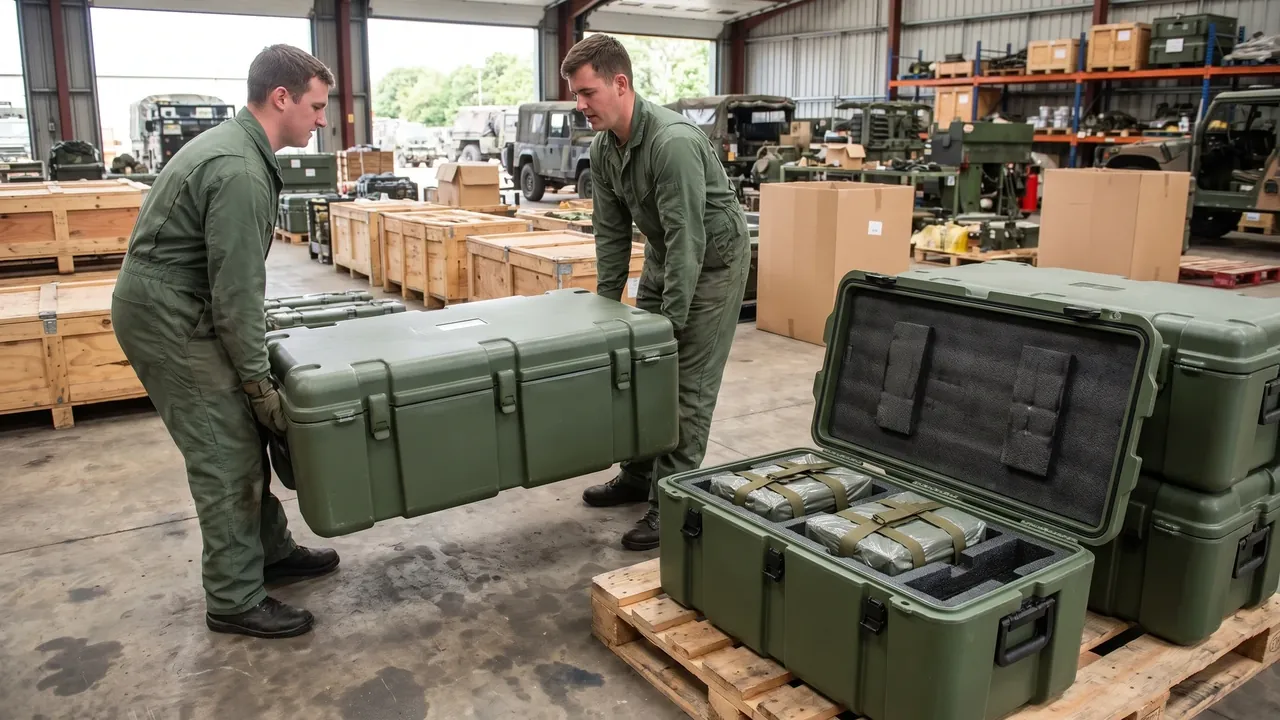
Quick answer: Packaging standards and marking norms for military packing boxes answer one question: how is a box built and identified consistently? Standards set the size series, materials, strength and environmental requirements; marking norms set where shipping marks, lot codes, pictorial marks and barcodes appear. Together they let a box be handled the same way at loading, stacking, shipping and intake. Standards are cited as designed to a standard, with actual figures governed by contract and test documents.
Table of contents
- Overview of the packaging standard system
- Levels of protection and the choice logic
- Marking norms: shipping marks, lot codes and pictorial marks
- Verifying standards and the documentation trail
- Standards conformity self-check list
- FAQ
1. Overview of the packaging standard system
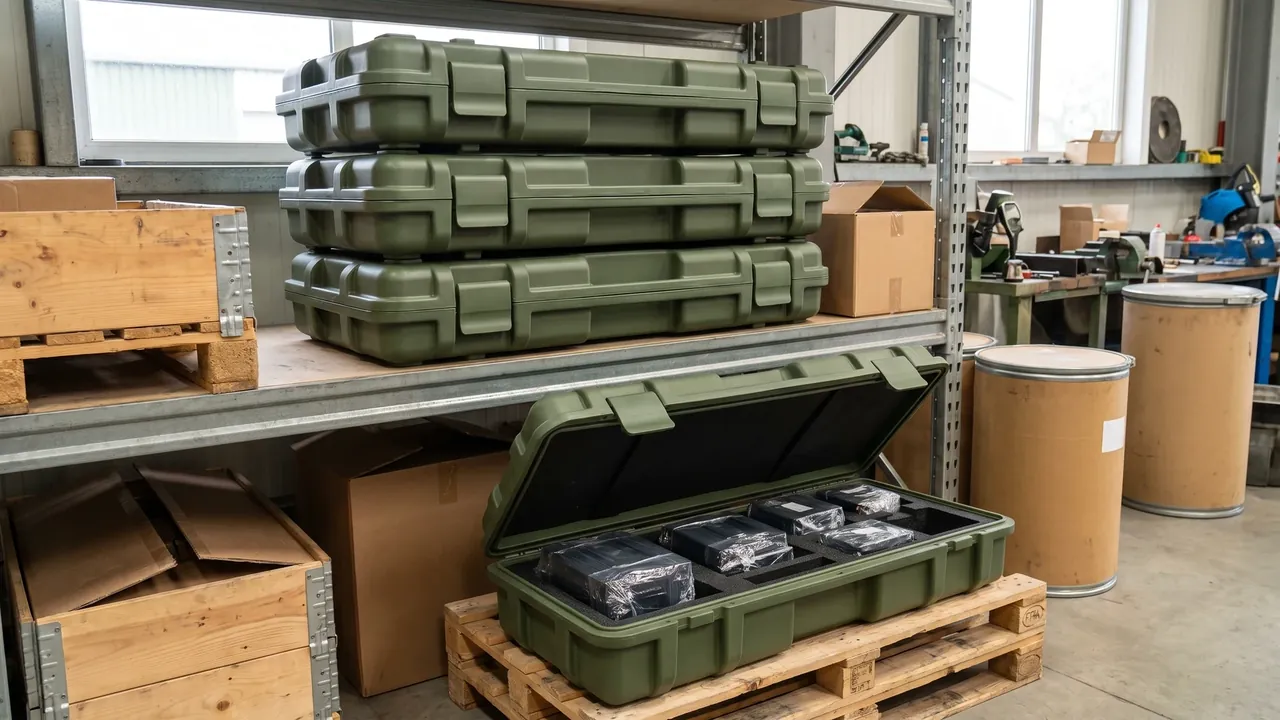
Standards for military packing boxes rest on three groups of requirements: size and structure, performance, and marking.
- Size and structure: the size series, closure, stacking structure and pallet fit, so boxes from different batches and makers can interchange;
- Performance: minimum behaviour under drop, stacking and vibration, usually banded into protection levels rather than one figure;
- Marking: the information the surface must carry — number, lot code, weight and pictorial marks — so a box stays identifiable without explanation.
Structure handles commonality, performance reliability, marking readability. All three must hold at once; drop one and handling becomes ambiguous, which is why standards are issued as a system.
2. Levels of protection and the choice logic
Standards rarely give one strength figure; they band performance into levels. Choose the level first, then materials and structure.
- Fix the distribution environment: distance, handling count and transfers set the cumulative impact and stacking pressure;
- Fix the protection level: higher levels raise demands on wall thickness, cushioning and closure;
- Fix structure and material: within the level's limits, choose wood, corrugated, plastic or metal, and settle cushioning and inserts.
A common practice is one reference table so purchasing, design and inspection work from the same figures:
| Level | Typical distribution | Main demand on the box |
|---|---|---|
| Level 1 | Short haul, few handlings | Basic closure and stable stacking |
| Level 2 | Routine multiple transfers | Cushioning and stacking strength together |
| Level 3 | Long haul, complex transfers | High-strength structure, environmental protection and sealing |
Over-specifying wastes money; under-specifying risks failure in transit. Set the level from real conditions and the material discussion gains a shared baseline.
3. Marking norms: shipping marks, lot codes and pictorial marks
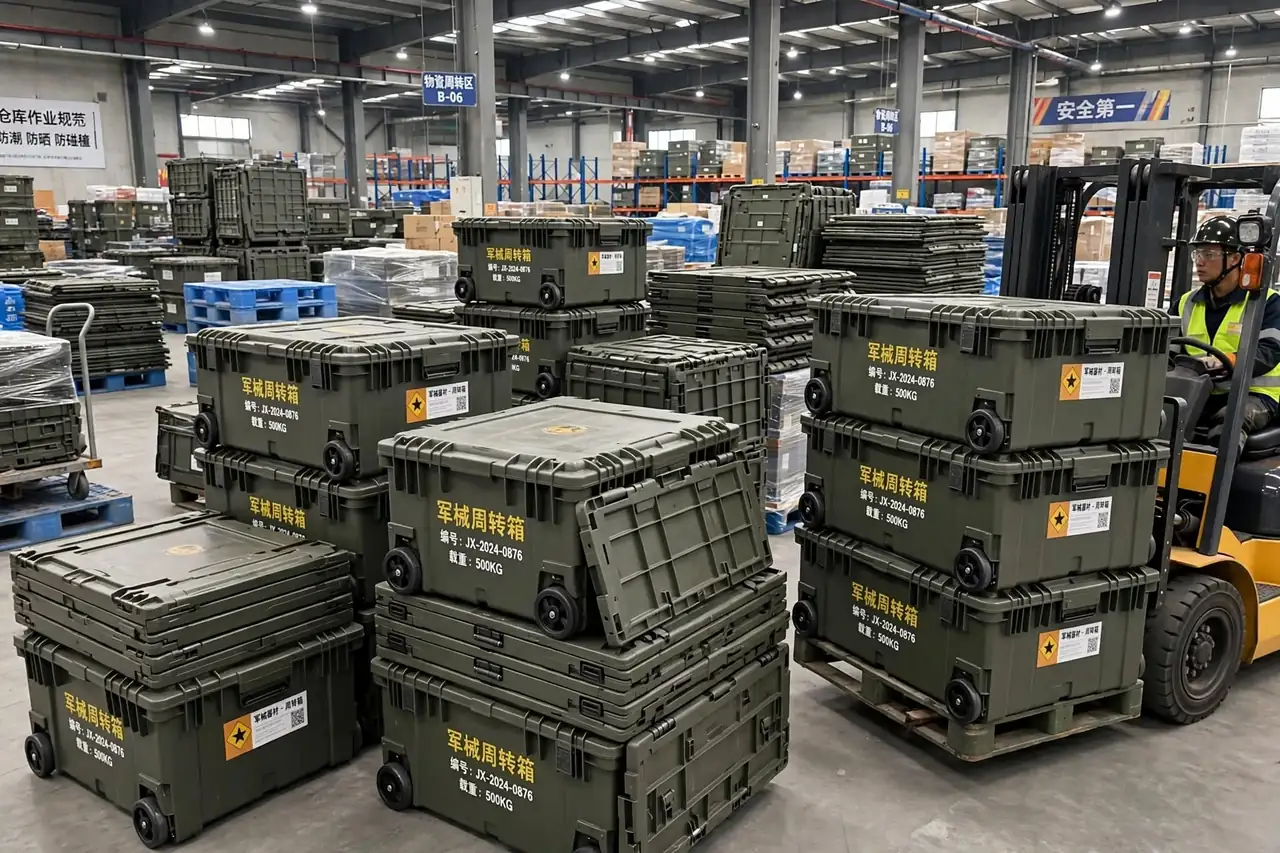
Marking is the part of a standard most often simplified and most often the source of problems. Its goal is to let a box be identified and handled without verbal explanation.
- Shipping marks: consignee, destination and box number in a fixed side panel, with specified type sizes;
- Lot and serial codes: for tracing batch and single-box serial, the entry point for ledger and inspection records;
- Weight and size marks: gross weight, net weight and outer dimensions for handling and load planning;
- Pictorial marks: this-way-up, keep-dry, fragile and stacking-limit symbols, readable across languages;
- Barcode zone: a fixed area for automatic identification, kept clear of straps and seals.
Position, type size and durability must match the life of the box. A box whose marks are rubbed off in transit has lost its number, so print method and abrasion resistance belong in the design stage.
4. Verifying standards and the documentation trail
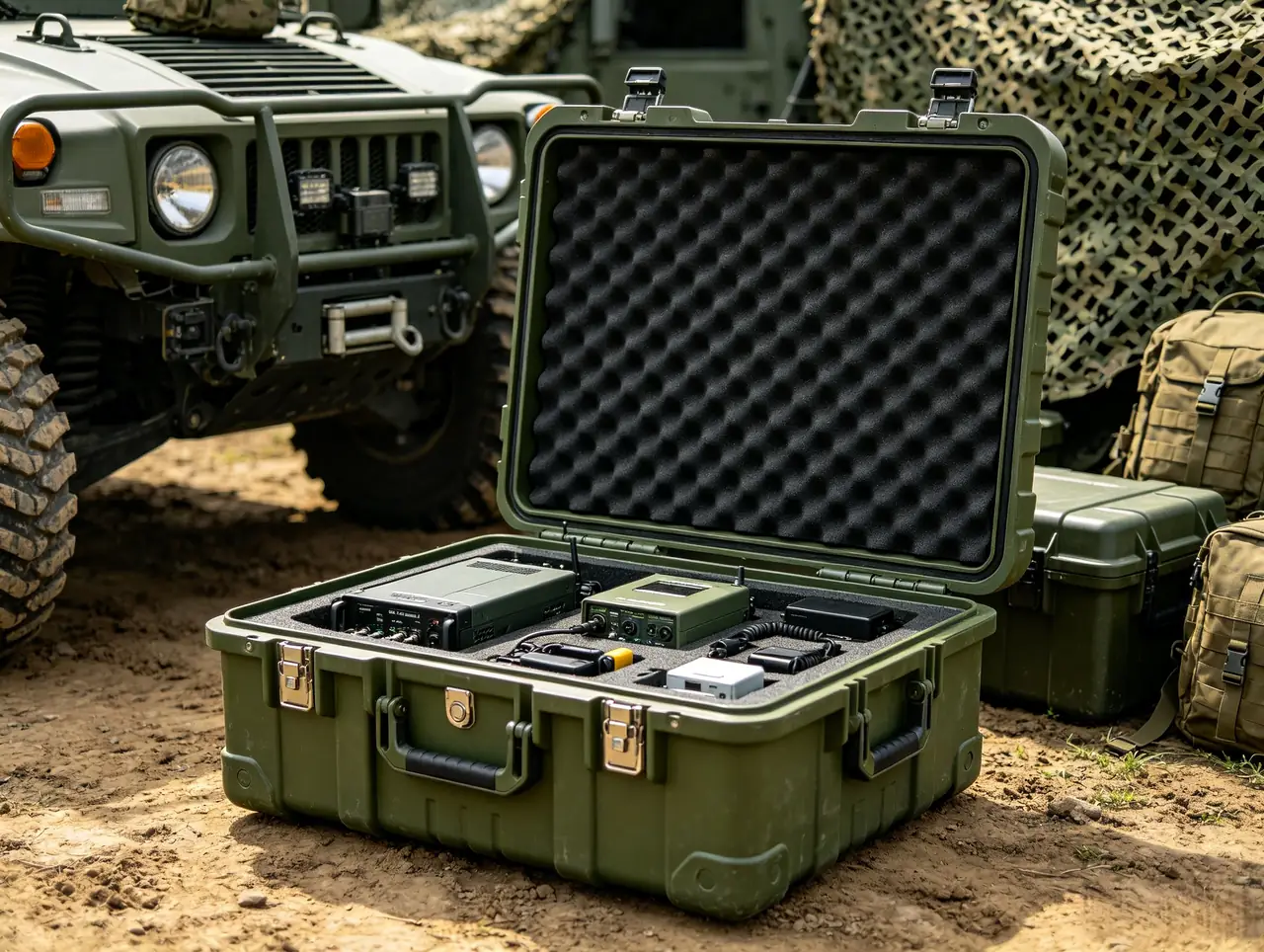
Whether a standard is met must be shown by verification and records. Verification usually splits into routine factory inspection and type testing.
| Verification | Purpose | Focus |
|---|---|---|
| Factory inspection | Batch consistency | Dimensions, appearance, closure, marking |
| Type testing | Design conformity | Drop, stacking, vibration, environment |
The documentation set includes the design parameter sheet, material description, inspection records and test reports — not only delivery proof but the reference baseline for later procurement and repair.
Note the wording: standards are cited as designed to a standard, with actual figures governed by contract and third-party test documents. A standard citation states the design basis, not a result claim.
5. Standards conformity self-check list

- Box dimensions fall in the agreed size series and fit the pallet module;
- Stacking and closure structure meets the chosen protection level;
- Shipping marks, lot code, weight and pictorial marks match the norm;
- Marking method has abrasion resistance matched to box life;
- Factory inspection covers dimensions, appearance, closure and marking;
- Test documents and the design parameter sheet are complete as a baseline.
Conclusion
Packaging standards and marking norms for military packing boxes answer how a box is built and identified consistently. Size and structure give commonality, performance gives reliability, marking gives readability, and verification with documents fixes all three as a traceable basis. Fix the distribution environment and protection level first, then structure and material, then marking and inspection — always citing standards as designed to a standard and deferring to contract and test documents.
This article covers the container side only and does not address handling or use of contents.
Related Reading
- Military Packing Box Material Selection: Wood, Corrugated, Plastic and Metal
- Reading the Standard Test Methods for Transport Packaging
- Choosing and Matching Military Packing Box Specifications
Related Products
- 8 Series — Gun Cases; Military Equipment Cases; Camera Equipment Cases; Drone Cases; Watch Cases; Knife Cases; First Aid Cases; Electronics Equipment Cases
- WL8-2812 PP Gun Case — model WL8-2812
- All protective cases and toolboxes: 7 series, 158 models