

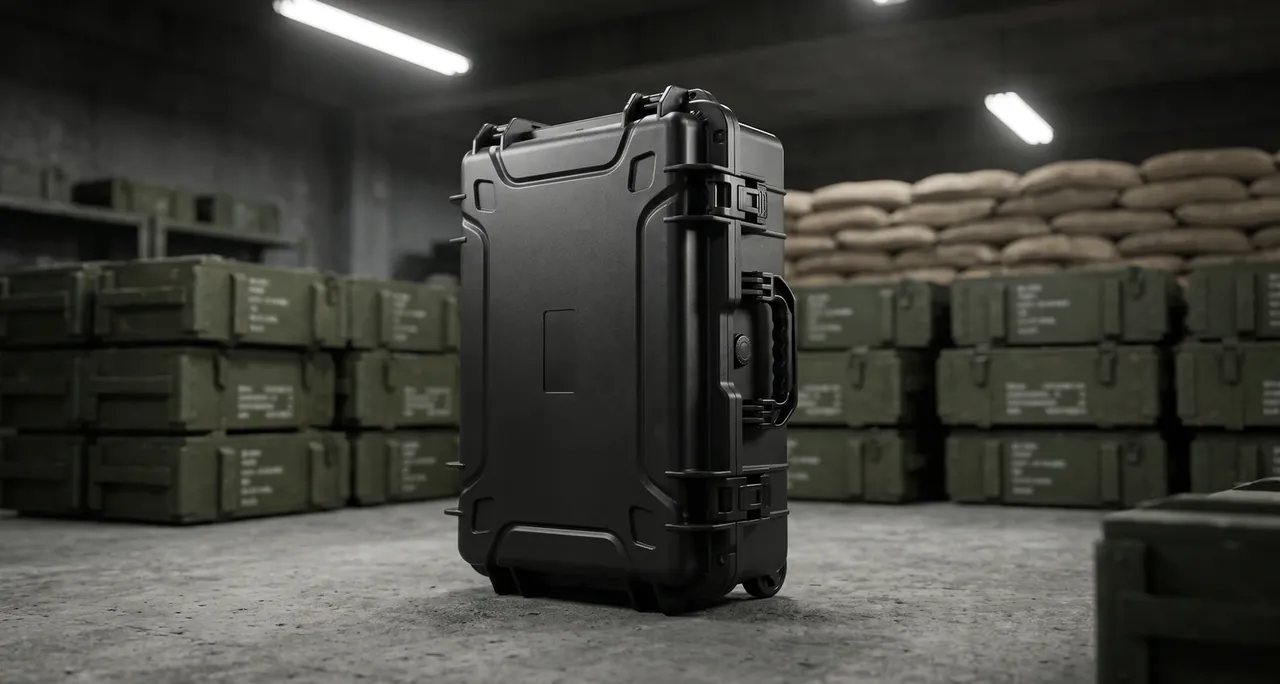
Quick answer: Choosing a material for a military packing box is a trade-off between strength, weight, weathering and cost. Wood cases are strong and cost-effective but heavy; corrugated boxes are light and cushioning but limited in weathering and reuse; plastic cases weather well, recycle and seal well; metal cases lead on strength and weathering at the highest cost and weight. The order is: fix the protection level and distribution environment first, then narrow the four materials by weight, stacking and environmental conditions.
Table of contents
- Starting points for material choice
- Wood cases: strength and cost
- Corrugated boxes: light weight and cushioning
- Plastic and metal cases: weathering and reuse
- Material comparison and selection checklist
- FAQ
1. Starting points for material choice
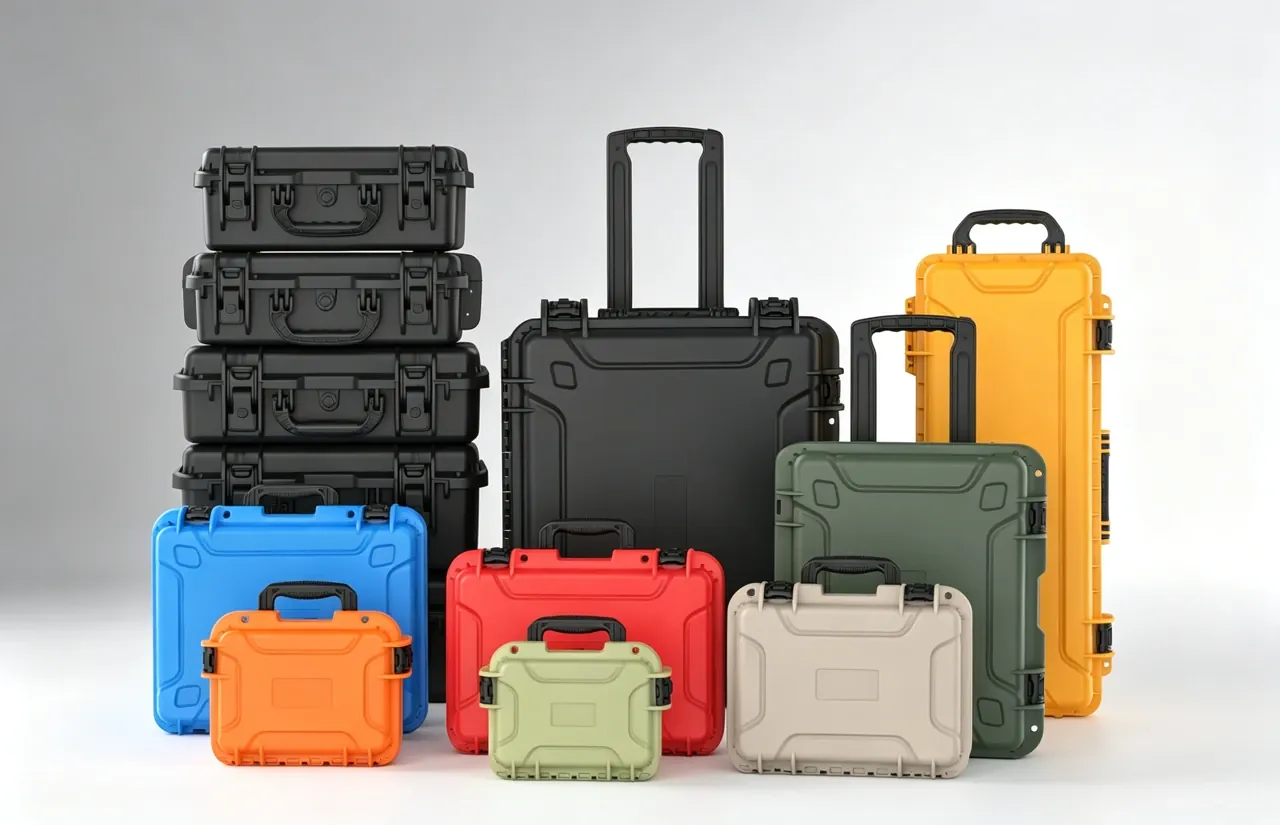
Material choice starts from the box's job, not from the material itself. A military packing box must carry, cushion, keep out moisture and stay handleable — four jobs whose material demands often conflict.
- Carrying needs enough stiffness to take stacking pressure without collapsing;
- Cushioning needs the material to absorb impact, or to work with an insert;
- Moisture resistance needs the material to resist water, or to combine with seals and inserts as a barrier;
- Handleability needs weight and volume kept in check.
No single material optimises all four, so the real answer is usually a combination: base material plus insert plus seal. That dissolves the false question of which material is best — the real question is which combination suits a given protection level and distribution environment. Fix the level and conditions first, then compare materials.
2. Wood cases: strength and cost
Wood is a traditional choice for military packing, and its strengths cluster around strength and cost.
- Strength and stiffness: good compressive and bending performance keeps the case from deforming under stacking and high-rack storage, suited to heavier contents;
- Controllable cost: mature boards and simple processing give a unit-cost advantage on large boxes;
- Repairability: a damaged board can be swapped rather than scrapping the case;
- Limits: heavy self-weight tires manual handling, and wood is humidity-sensitive, needing extra measures and inserts in damp conditions.
The weak points are weight and weathering. In a damp environment or with frequent manual handling, wood's advantages are offset, and a lighter or more weather-resistant material — or added sealing — must be weighed.
3. Corrugated boxes: light weight and cushioning
The greatest value of corrugated board is low weight. It gains a large surface from little material, handles easily, and cuts freight cost.
- Light and cheap: low weight per volume suits bulky, moderate-weight contents;
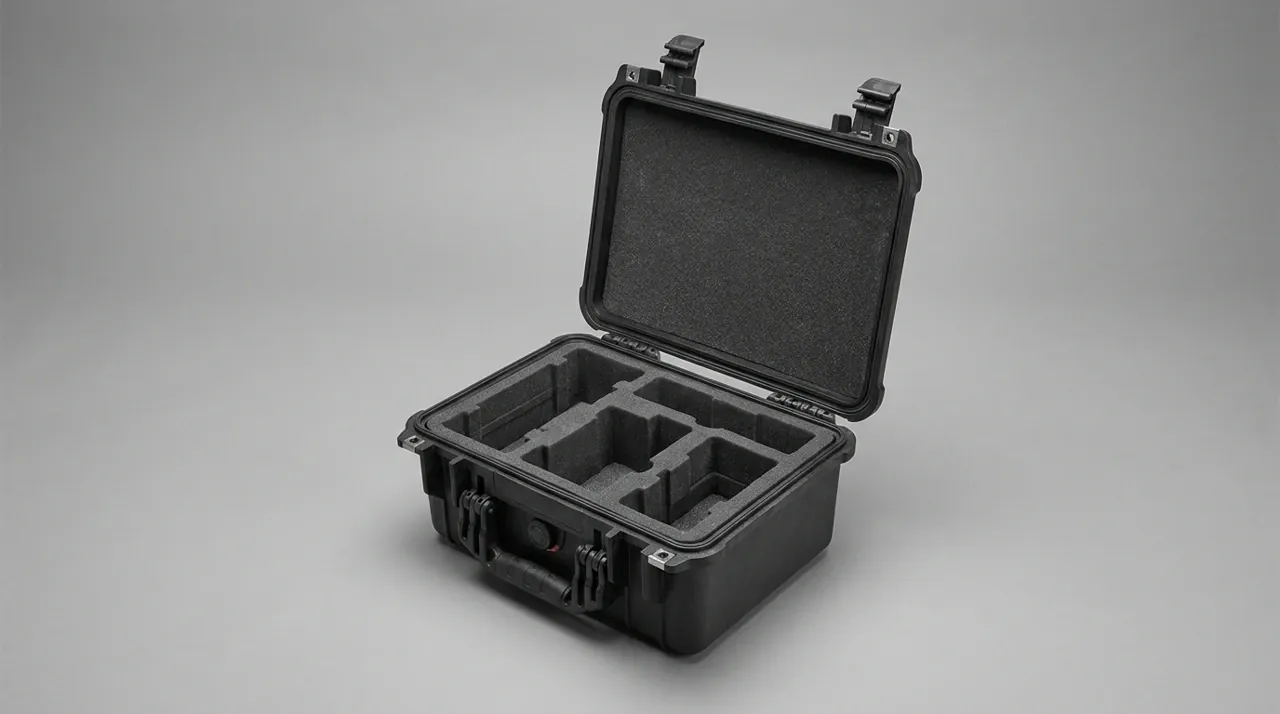
- Cushioning: the fluted structure offers some cushioning, and with an insert forms an economical scheme;
- Printing and marking: a flat surface takes shipping marks and barcodes clearly;
- Limits: weaker in compression and weathering, loses strength fast when damp, with limited reuse.
Its boundary deserves an honest look: in dry, short-haul, low-stack settings it is efficient and economical; in damp, long-haul or high-stack settings it needs inserts and moisture measures, or another material.
4. Plastic and metal cases: weathering and reuse
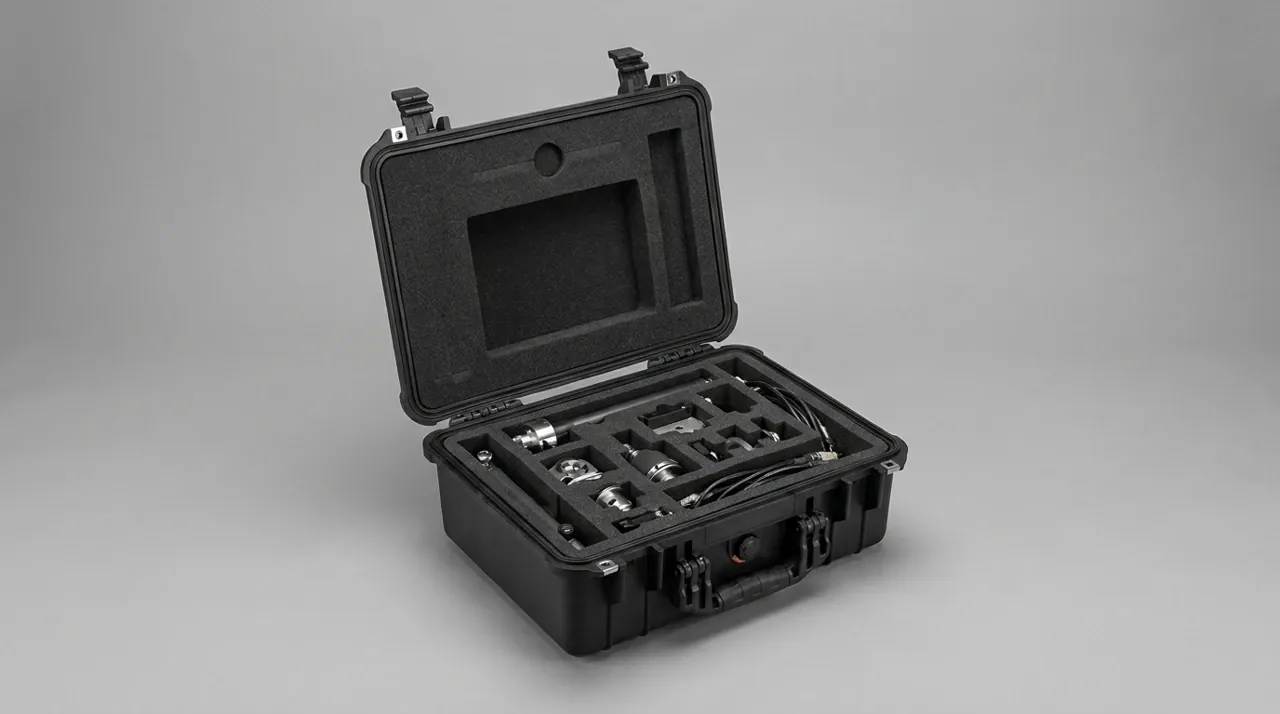
Plastic and metal share weathering and reuse benefits, differing in cost and self-weight.
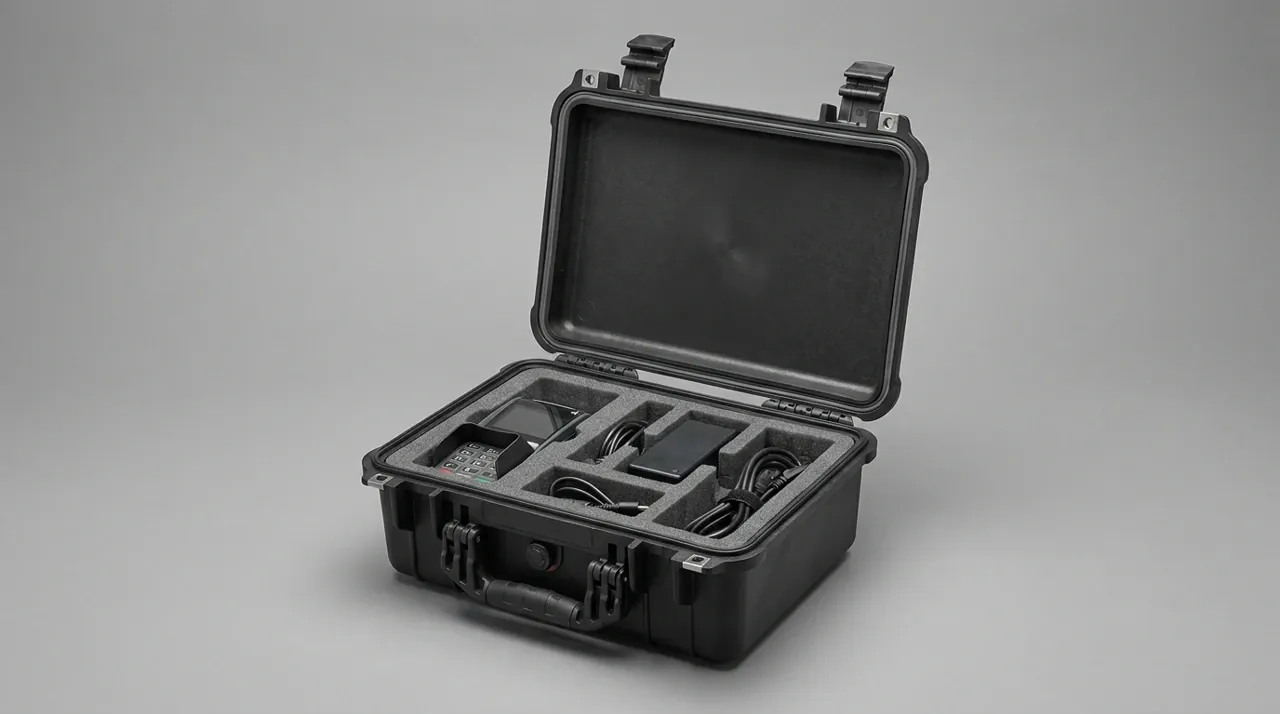
Plastic cases are usually rotomolded or injection molded, with an integrated shell that pairs with a gasket for good sealing — suited to repeated use at medium protection levels. Their weak points are reduced stiffness in high heat and limited resistance to sharp impact.
Metal cases lead on strength and weathering, suited to long storage and harsh environments, with shells that can be treated against rust and paired with seals. The price is the greatest self-weight, the highest unit cost, and difficult repair once deformed. Metal is mostly used where reliability demands are highest and handling is equipment-supported.
Both are reuse routes: a higher up-front investment, offset by a long service life that often wins on a life-cycle basis, given a supporting repair chain.
5. Material comparison and selection checklist
| Material | Strength | Weight | Weather/moisture | Reuse | Cost profile |
|---|---|---|---|---|---|
| Wood | High | Large | Medium (needs treatment) | Repairable reuse | Medium-low |
| Corrugated | Medium-low | Small | Weak | Limited | Low |
| Plastic | Medium | Medium | High (with seal) | High | Medium-high |
| Metal | High | Largest | High | High | High |
Check in this order:
- Protection level and distribution environment fixed;
- Weight range and outer-dimension requirements defined;
- Dampness, temperature swings and repeated transfers judged;
- Whether reuse and a supporting inspection chain are needed, assessed;
- The combination of insert, seal and base material confirmed;
- Compared on life-cycle cost rather than unit cost.
Conclusion
Material selection for military packing boxes is a search for balance among strength, weight, weathering and cost. Wood wins on strength and cost, corrugated on weight and cushioning, plastic and metal on weathering and reuse. The key is not the best material but fixing the protection level and environment first, then filtering by weight, stacking, moisture and reuse needs, and landing on a base material plus insert plus seal combination.
This article addresses the container side only, not the handling or use of contents.
Related Reading
- Military Packing Box: Packaging Standards and Marking Norms
- Comparing and Choosing Case Foam Materials
- Alternatives to Wooden Packing Cases and Material Comparison
Related Products
- 8 Series — Gun Cases; Military Equipment Cases; Camera Equipment Cases; Drone Cases; Watch Cases; Knife Cases; First Aid Cases; Electronics Equipment Cases
- WL8-2812 PP Gun Case — model WL8-2812
- All protective cases and toolboxes: 7 series, 158 models