

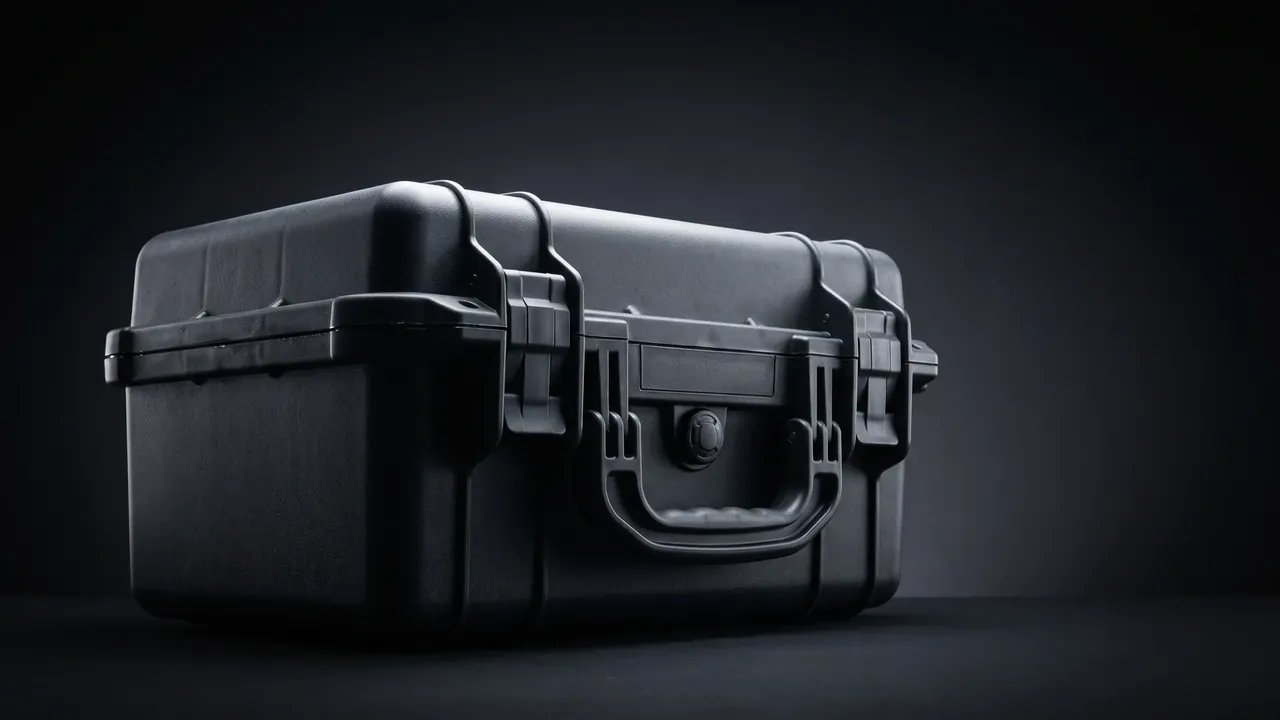
Quick answer: The right direction in military box selection is to work back from the use case, not to browse a catalogue and pick a box. Do it in three steps: set the cavity size from how contents are arranged and how many there are, set load capacity and structure from total weight and stacking layers, then set the protection rating and sealing configuration from the exposure environment. The order cannot be reversed, because size fixes external dimensions and modules, load fixes wall thickness and ribs, and rating fixes sealing and latch configuration. This article covers container-side selection logic only.
Table of contents
- Why military box selection works back from the use case
- Step one: translate the use case into size
- Step two: translate weight into load and stacking
- Step three: translate environment into a protection rating
- A selection checklist
- FAQ
1. Why military box selection works back from the use case
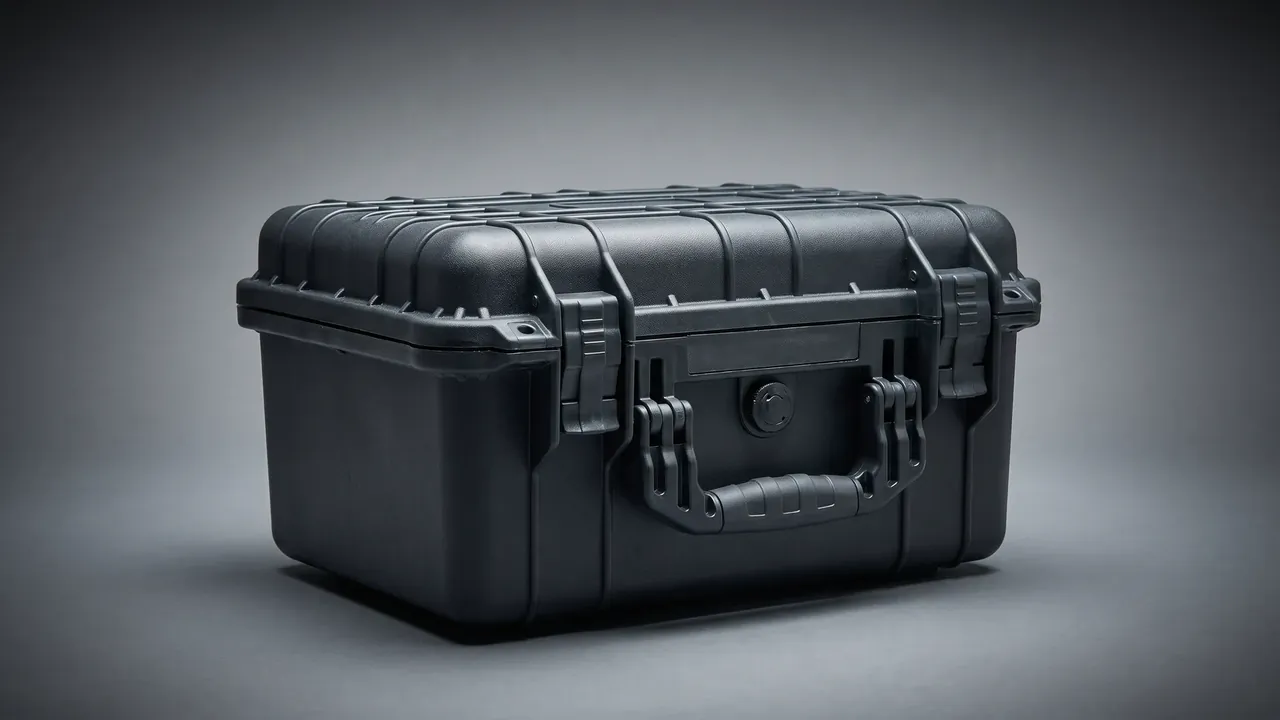
Forward selection, meaning looking at which box types a supplier offers and picking one, looks easier but hides two risks: a cavity ratio that does not suit how contents arrange, giving low utilization; and load or rating mismatched to real conditions, either over- or under-specified. Working back puts the decision order straight so every parameter has a clear source.
- Grounded parameters: size comes from arrangement, load from total weight and stacking, rating from exposure, and each traces to a requirement;
- Less rework: when an earlier condition changes, only the affected step is recalculated rather than the whole set;
- Comparable quotes: under one requirement description, different suppliers quote on the same basis, which is what makes comparison meaningful.
2. Step one: translate the use case into size
A size requirement is not about right but a cavity length, width and height derived from how the contents are arranged.
- Count the arrangement: fix how contents sit in the cavity (straight rows, staggered rows or compartments) and compute the minimum rows and columns;
- Leave allowance: both contents and case carry manufacturing tolerance, so the cavity needs an assembly allowance or volume runs will bind;
- Fix the cavity: derive cavity dimensions from the arrangement, then pick the nearest existing box type or set a new tooling size;
- Check the module: external dimensions should divide pallet and container modules cleanly, so loading efficiency never forces a later box change.
The output of this step is a defined set of cavity and external dimensions, not a vague a bit bigger.
3. Step two: translate weight into load and stacking
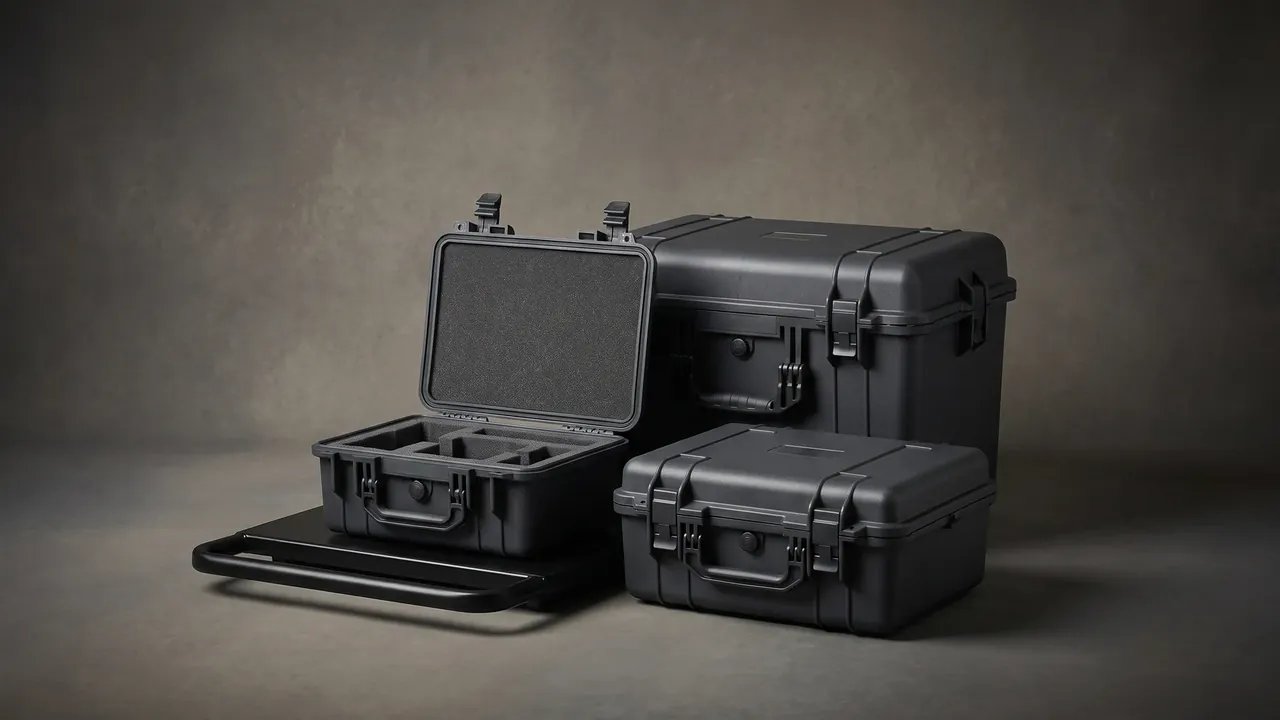
A weight requirement answers two questions at once: how heavy one full case is, and how much the lower case bears once stacked.
| Requirement | Source | Structural decision |
|---|---|---|
| Full case weight | Units × unit weight + case weight | Sets the dynamic load requirement |
| Stacking layers | Storage height ÷ external height | Sets the static load requirement |
| Lower-case load | Accumulated weight above | Sets wall thickness and rib pattern |
| Handling method | Manual / forklift / lifting | Sets grips, forklift openings and lifting points |
Of the two, stacking is often stricter than single-case weight: a light case stacked seven or eight high puts far more load on the bottom than expected. Check load on both a dynamic and a static stacking basis and take the stricter one.
4. Step three: translate environment into a protection rating
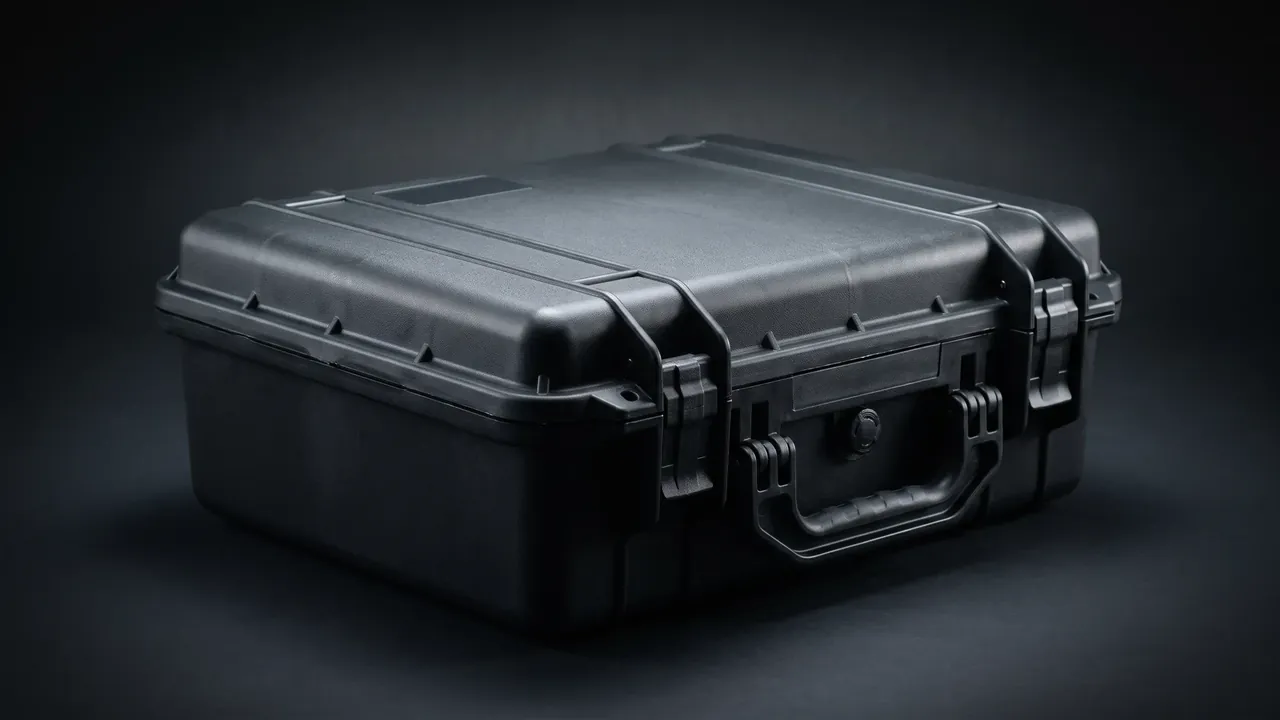
The rating requirement comes from the environment the contents will face, not from higher is better.
- Moisture and rain: needs a gasket and pressure balance, with the grade set by actual exposure;
- Dust: the focus is dust ingress, and gasket fit and clamping distribution decide it;
- Temperature and pressure swings: a sealed cavity develops a differential under temperature change, and a pressure valve keeps the seal from being repeatedly compressed;
- Impact and drop: carried by wall thickness, ribs and corner radius, a separate dimension from the rating.
One wording rule bears repeating: a grade is written as designed to a given structural grade, noting that conclusions are subject to third-party test reports.
5. A selection checklist
- Cavity size derived from arrangement, with assembly allowance
- External size divides pallet and container modules cleanly
- Dynamic load and static stacking requirements given separately
- Rating set from actual exposure rather than raised blindly
- Handling method and matching hardware stated
- Rating written as a structural design target subject to test reports
The first three fix box geometry and the last three fix configuration and wording.
Conclusion
The key to military box selection is sequence: work back from the use case to size, then set load and stacking from weight, then set the protection rating from the environment. Size fixes geometry and modules, load fixes wall thickness and ribs, and rating fixes sealing and latch configuration, each building on the last. Write the three steps into a checkable list before comparing prices and validating samples, and you avoid the rework that comes from picking a box type first and forcing contents into it.
The scope here is the container (case body) alone: its geometry, structure and the wording of its grade. Nothing about how items inside are handled, loaded or used falls within it.
Related Reading
- Classification, structure and specification systems for military boxes
- General specifications and structural requirements for military packing boxes
- Wall thickness, ribs and strength in case bodies
Related Products
- 8 Series — Gun Cases; Military Equipment Cases; Camera Equipment Cases; Drone Cases; Watch Cases; Knife Cases; First Aid Cases; Electronics Equipment Cases
- WL8-2812 PP Gun Case — model WL8-2812
- All protective cases and toolboxes: 7 series, 158 models