

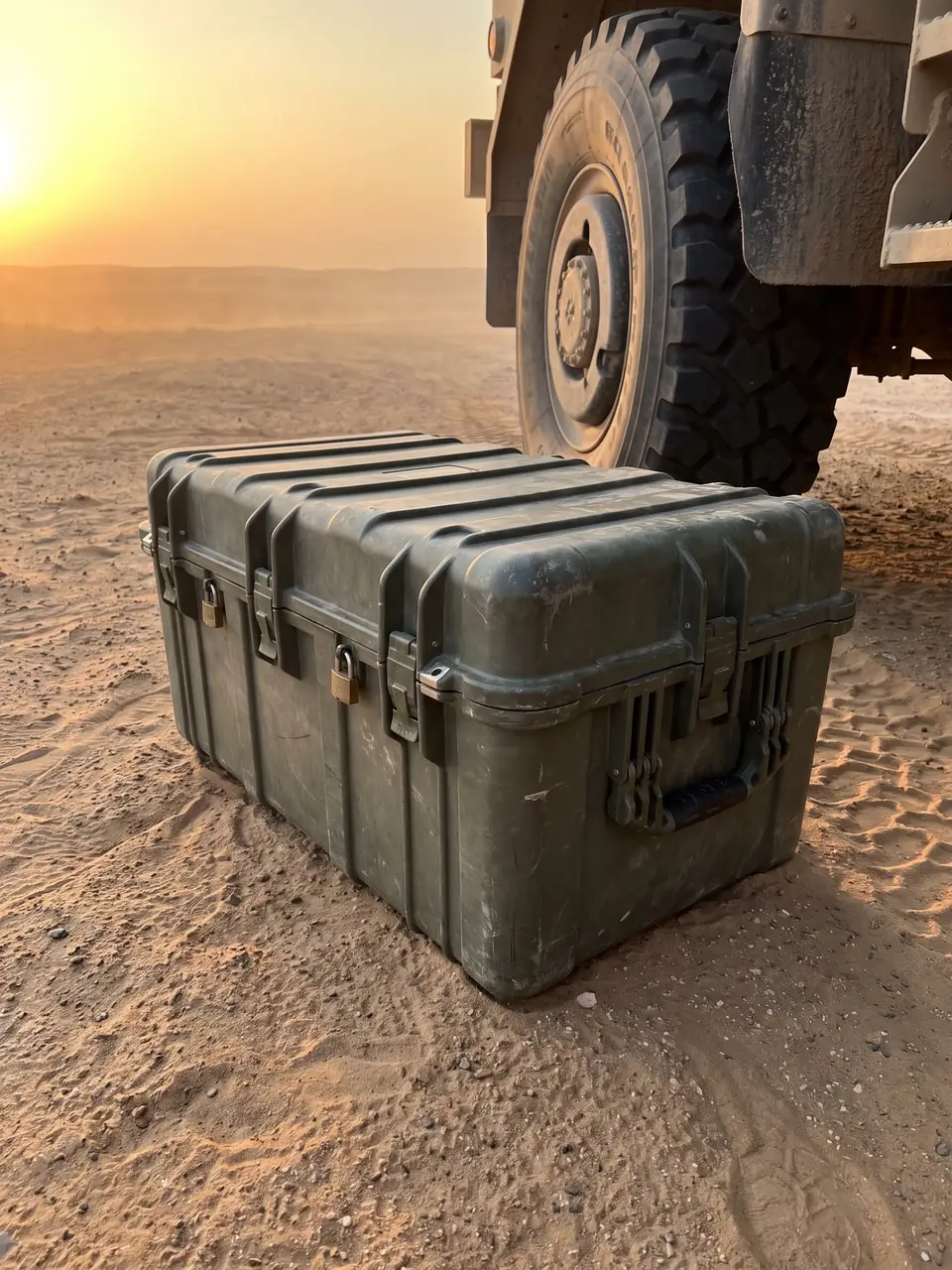
Quick answer: A military box is a rigid container built to protect equipment and materiel through storage, handling and transport, defined by the combination of structural strength, environmental sealing, and stackable, liftable handling. It comes in families by material (rotomolded, injection molded, metal, composite) and by function (storage, transfer, airdrop, specialized equipment). Commonly cited systems include the MIL standards and IP/IEC ingress definitions. Write requirements by structural class and grade definition, with actual figures subject to third-party test reports. This article covers container-side definition only.
Table of contents
- Defining a military box and its boundary
- What dimensions classify a military box
- Typical structural composition
- Common international specification systems
- Points for identification and acceptance
- FAQ
1. Defining a military box and its boundary
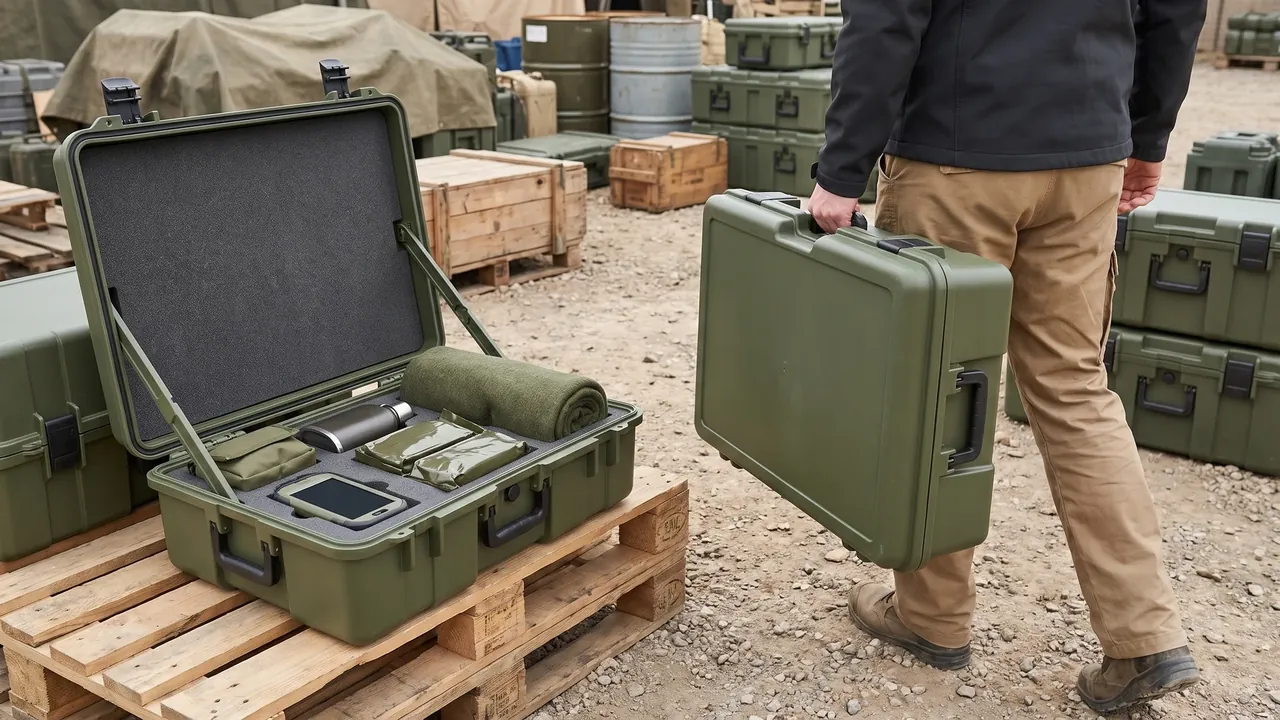
A military box is best defined by function rather than appearance: a rigid container that protects equipment and materiel through storage, handling and transport, holding the condition of contents under long-term stacking, repeated handling and demanding environments. Three conditions together mark a case as belonging to this class.
- Structural strength: wall thickness, reinforcement ribs and shell geometry set compression and impact resistance together, not thickness alone;
- Environmental sealing: gasket, latch clamping and pressure balance form the barrier against moisture and particles;
- Handling fit: a flat stackable top, grips or forklift openings, and a traceable label area.
The boundary matters too. Rigid reusable containers with explicit protective design fall inside the discussion, while single-use packaging, soft bags and internal dividers used only for organization do not.
2. What dimensions classify a military box
Classification is the first organizing step before selection, and three dimensions are common. In practice they stack.
- By material: rotomolded polyethylene, injection-molded engineering plastics, aluminum alloy, and metal composite;
- By function: storage cases lean on long-term static load and sealing, transfer cases on dynamic securing and vibration resistance, airdrop cases add cushioning and load-bearing design, and specialized equipment cases customize inserts to contents shape;
- By handling method: hand carry, wheels, forklift openings and lifting points, which fix a case's place in the logistics chain.
The three dimensions are not exclusive options but a set of coordinates. One case can be rotomolded, transfer-grade and forklift-ready at once, or injection molded, storage-grade and hand-carried.
3. Typical structural composition
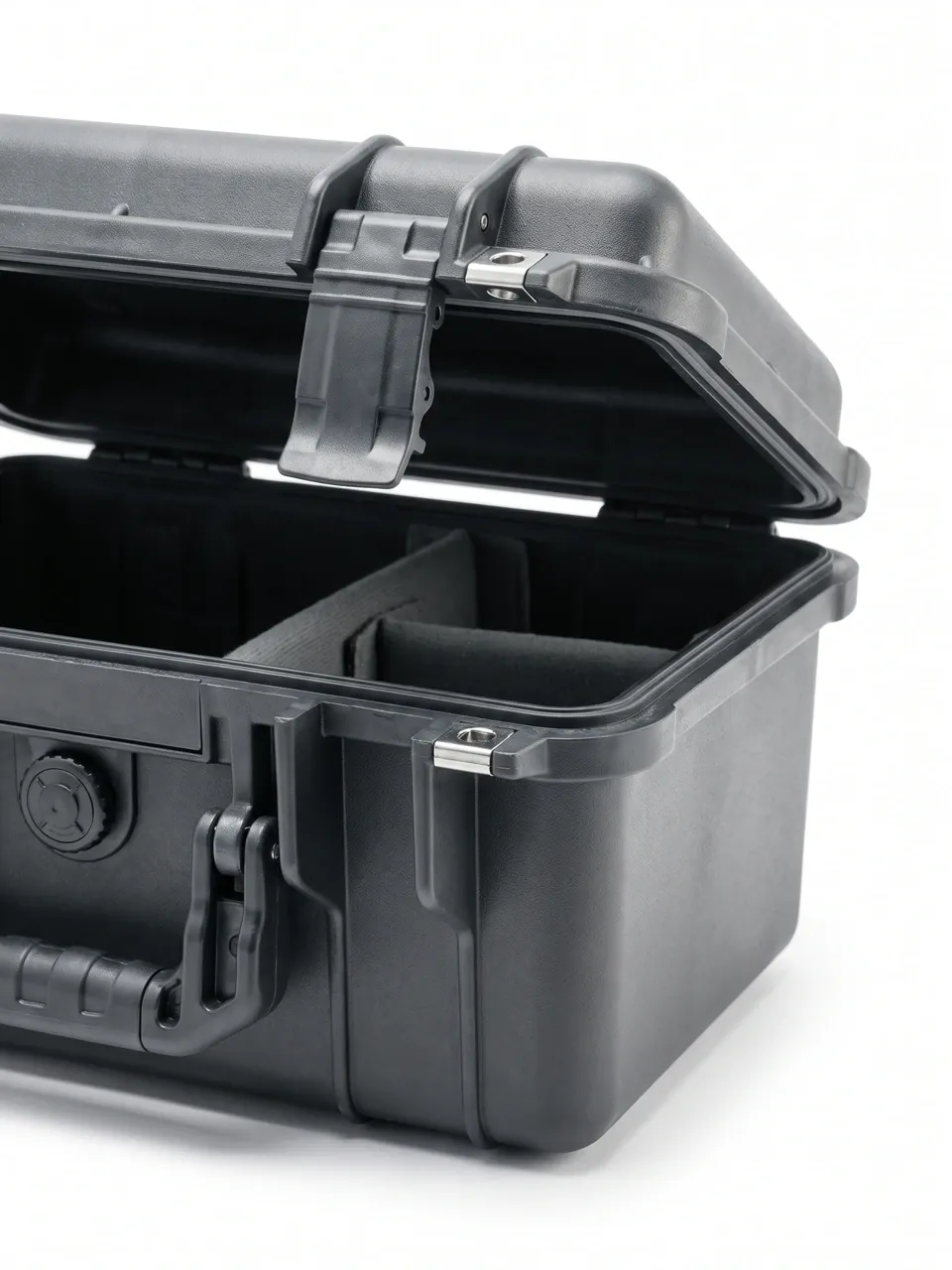
Structurally, a military box splits into six subsystems, and understanding their division of labor helps read a spec sheet.
| Subsystem | Main role | Key parameters |
|---|---|---|
| Shell | Load bearing and impact resistance | Wall thickness, ribs, corner radius |
| Gasket | Blocking moisture and particles | Cross-section, material, compression |
| Latches and hinges | Closure and cycle life | Material, count, clamping distribution |
| Insert | Positioning and cushioning | Density, thickness, pocket tolerance |
| Pressure valve | Balancing internal and external pressure | Opening differential, water-resistant design |
| Labeling and hardware | Tracking and handling | Label area, grips, forklift openings |
Of the six, shell and gasket set the protection ceiling, latches and hinges set service life, and the insert sets how well contents are actually protected. Spec sheets usually scatter them across separate columns, so acceptance should map each item rather than shell thickness alone.
4. Common international specification systems
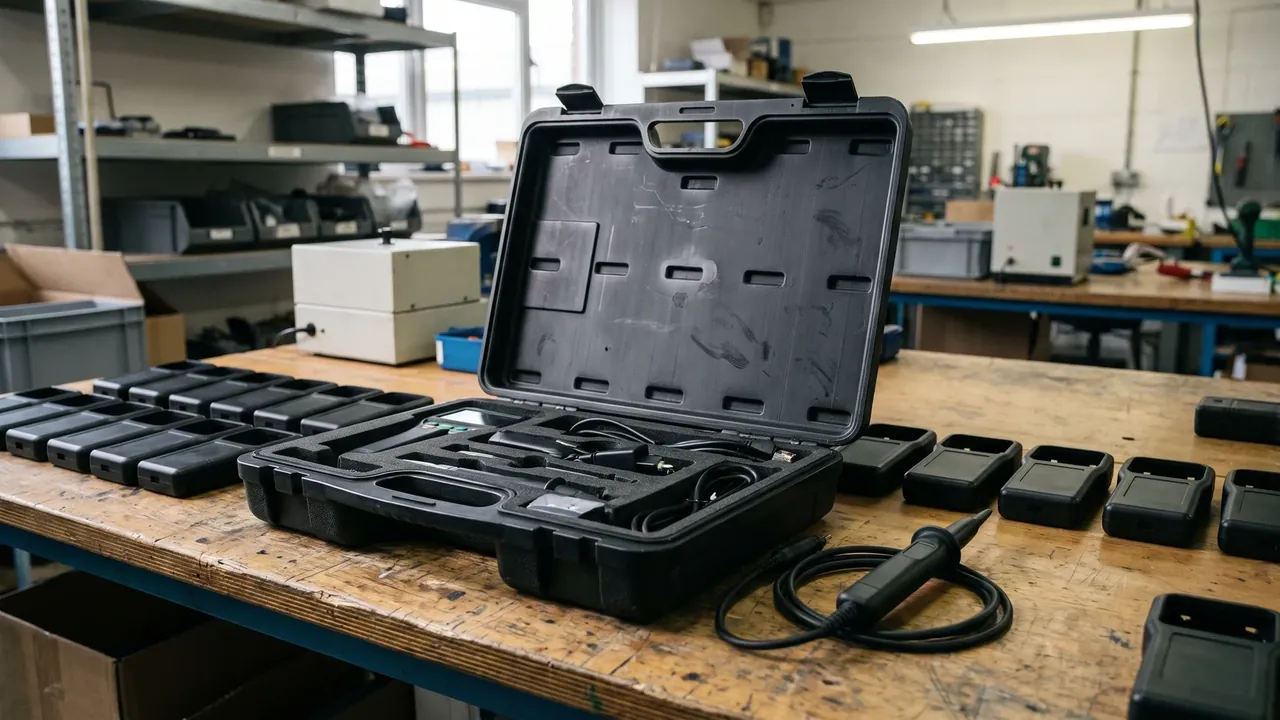
No single global standard governs military boxes. In practice several systems run in parallel, each solving a different problem.
- MIL standards: US military standards covering environmental test methods and packaging requirements, often cited as a reference for test conditions;
- NATO storage and coding systems: handling identification, traceability and warehouse management of equipment and spares;
- IP / IEC 60529: defining dust and water ingress grades that describe a shell's resistance to particles and liquids;
- Transport packaging test standards: such as ISTA and ASTM D4169, describing vibration, drop and stacking conditions in transit.
Be clear that these systems are reference and description tools, not self-declarations. The proper wording is designed to a given structural grade or referencing a given test method, noting that conclusions are subject to third-party test reports.
5. Points for identification and acceptance
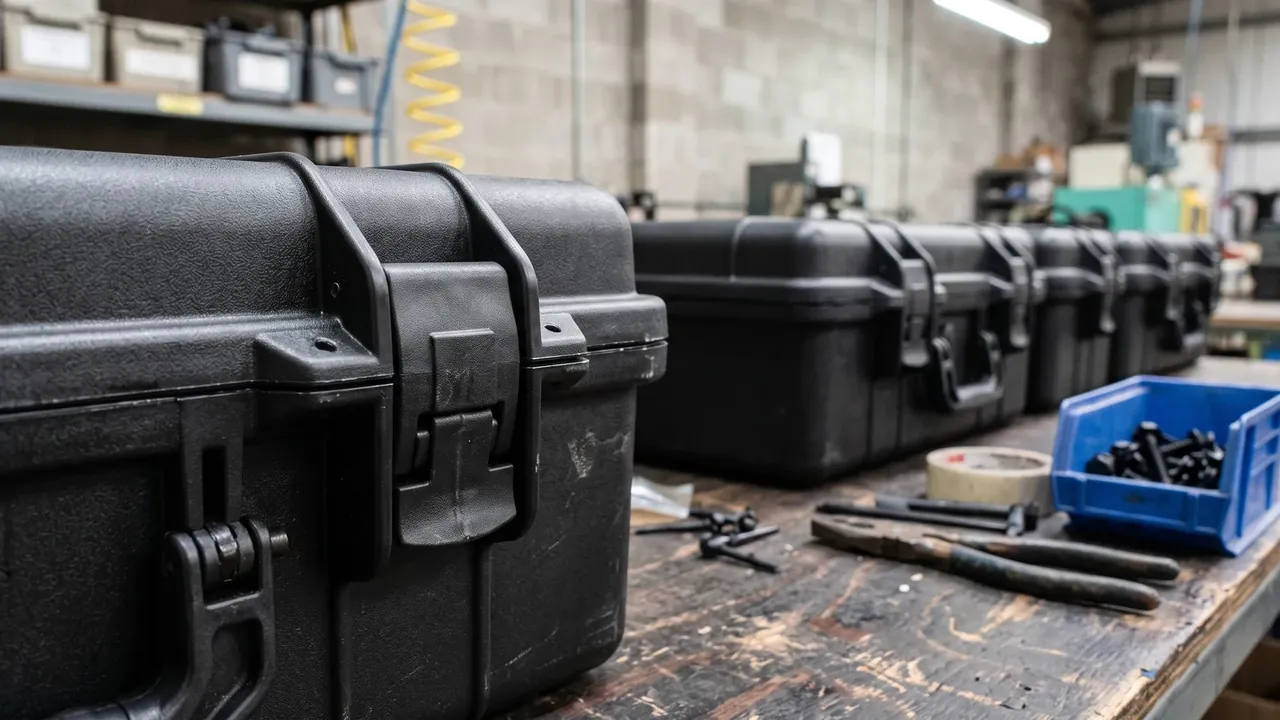
Facing a military box specification, this set of points quickly shows whether it says enough.
- Material and molding process stated (rotomolded / injection molded / metal)
- Wall thickness and rib pattern given, not just external dimensions
- Protection rating stated as a structural design target subject to test reports
- Insert material, density and pocket tolerance described
- Stacking-layer limit and matching static load provided
- Handling method noted (grips, forklift openings, lifting points)
The first two points set the structural base, the middle two set protective capability, and the last two set usability in the logistics chain.
Conclusion
Define a military box by function: a rigid container protecting equipment and materiel in storage and transport, built from structural strength, environmental sealing and handling fit together. Classification stacks three dimensions: material, function and handling method. Structure splits into six subsystems: shell, sealing, latches, insert, pressure balance and labeling hardware. Specifications draw on parallel tools: MIL standards, NATO coding, IP/IEC and transport packaging tests. Grasp these three layers and military box turns from a vague term into comparable procurement language.
This article discusses container (case body) side specifications and design meaning only. It does not cover any handling, loading or use of items placed inside.
Related Reading
- Selection method: working back from use case to size and load
- General specifications and structural requirements for military packing boxes
- How rotomolded cases are formed and where they fit
Related Products
- 8 Series — Gun Cases; Military Equipment Cases; Camera Equipment Cases; Drone Cases; Watch Cases; Knife Cases; First Aid Cases; Electronics Equipment Cases
- WL8-2812 PP Gun Case — model WL8-2812
- All protective cases and toolboxes: 7 series, 158 models